
A child who avoids eye contact, stays quiet in groups, or freezes when another kid gets too pushy is not just having a bad day. For many parents, that behavior becomes a constant worry. The right confidence based martial arts program can change that pattern by giving students more than exercise. It gives them a stronger voice, better posture, better awareness, and the kind of self-belief that shows up at school, at home, and in everyday life.
That matters because confidence is not a speech you give a child. It is not something a teen or adult can fake for long, either. Real confidence comes from repeated experience. It grows when someone learns how to handle pressure, solve problems, protect themselves, and stay calm when emotions rise. That is where martial arts, when taught with the right purpose, becomes far more valuable than a typical after-school activity.
What makes a confidence based martial arts program different?
Not every martial arts school is built around the same outcome. Some focus heavily on tradition, forms, or competition. Those paths can have real value, but they are not always the best fit for a student whose biggest need is confidence in the real world.
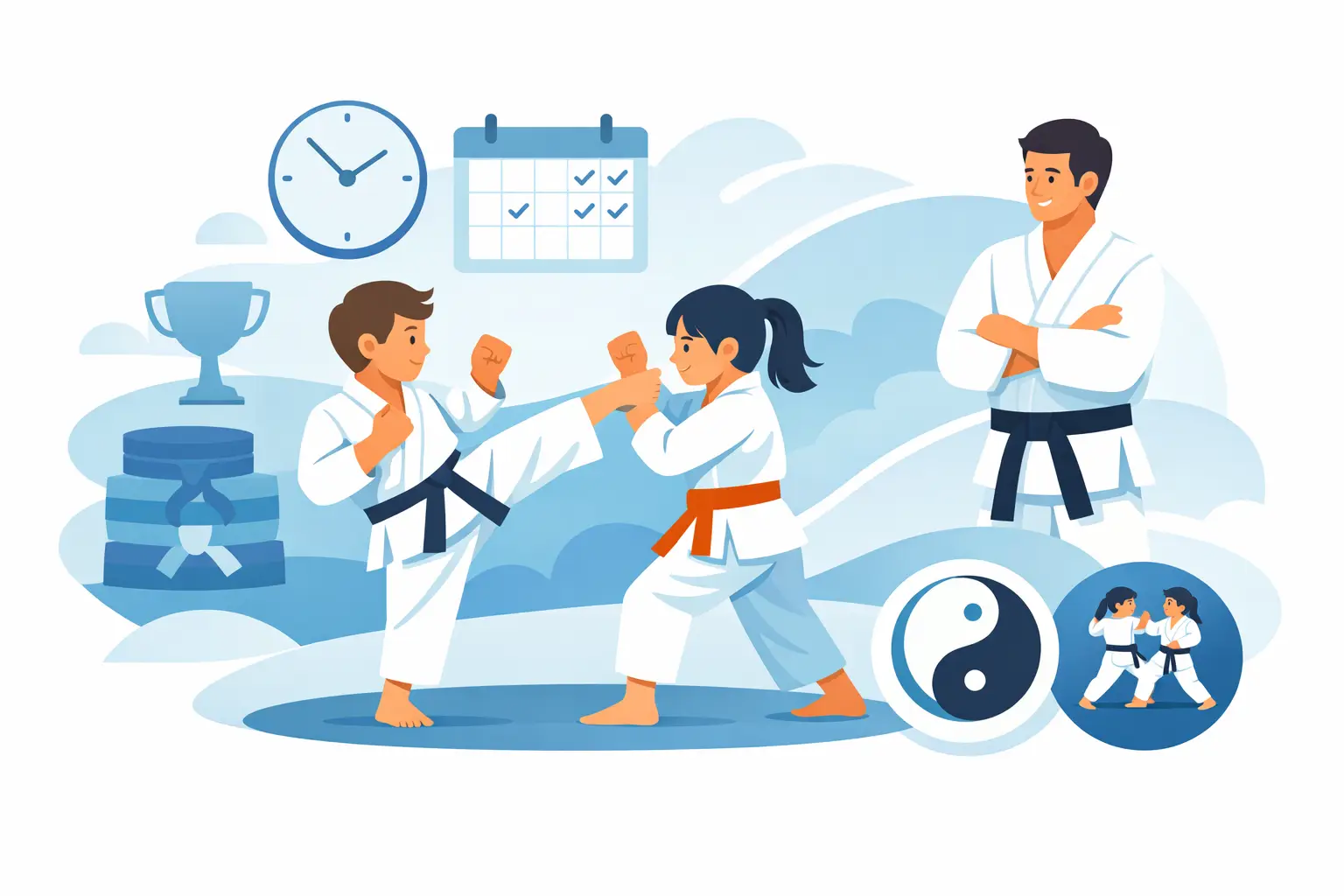
A confidence based martial arts program is designed around personal growth first. That means the training is structured to help students speak up, stay focused, use discipline, and develop practical self-defense skills they can actually understand and apply. Instead of asking students to simply repeat movements, the instruction connects every lesson to a bigger result – stronger mindset, better awareness, and a greater sense of control.
For younger children, that may look like learning how to follow directions, stand tall, and respond with a clear voice. For school-age kids, it often includes boundary setting, anti-bullying habits, and the ability to stay calm under stress. For teens and adults, it becomes more about real-world self-defense, emotional control, and carrying themselves with strength in everyday situations.
Confidence is built through action, not praise alone
Parents often try to encourage confidence with reassurance, and that support matters. But praise without experience has limits. A child may hear, “You can do it,” and still feel unsure when faced with conflict, social pressure, or fear. Confidence becomes real when a student has proof.
Martial arts creates that proof through steady, visible progress. A shy child who once stood in the back of the room begins answering loudly. A student who struggled with focus learns to complete drills with discipline. A teen who felt physically unsure starts moving with balance and intention. An adult who felt anxious in public begins to trust their own awareness and decision-making.
These changes do not happen in one class. They happen because training creates small wins over time. Students learn a technique, practice it, improve it, and then realize they are capable of more than they thought. That cycle is powerful. It teaches them that growth is earned, not guessed.
Why practical self-defense matters in confidence training
There is a major difference between feeling confident and being prepared. The strongest programs build both.
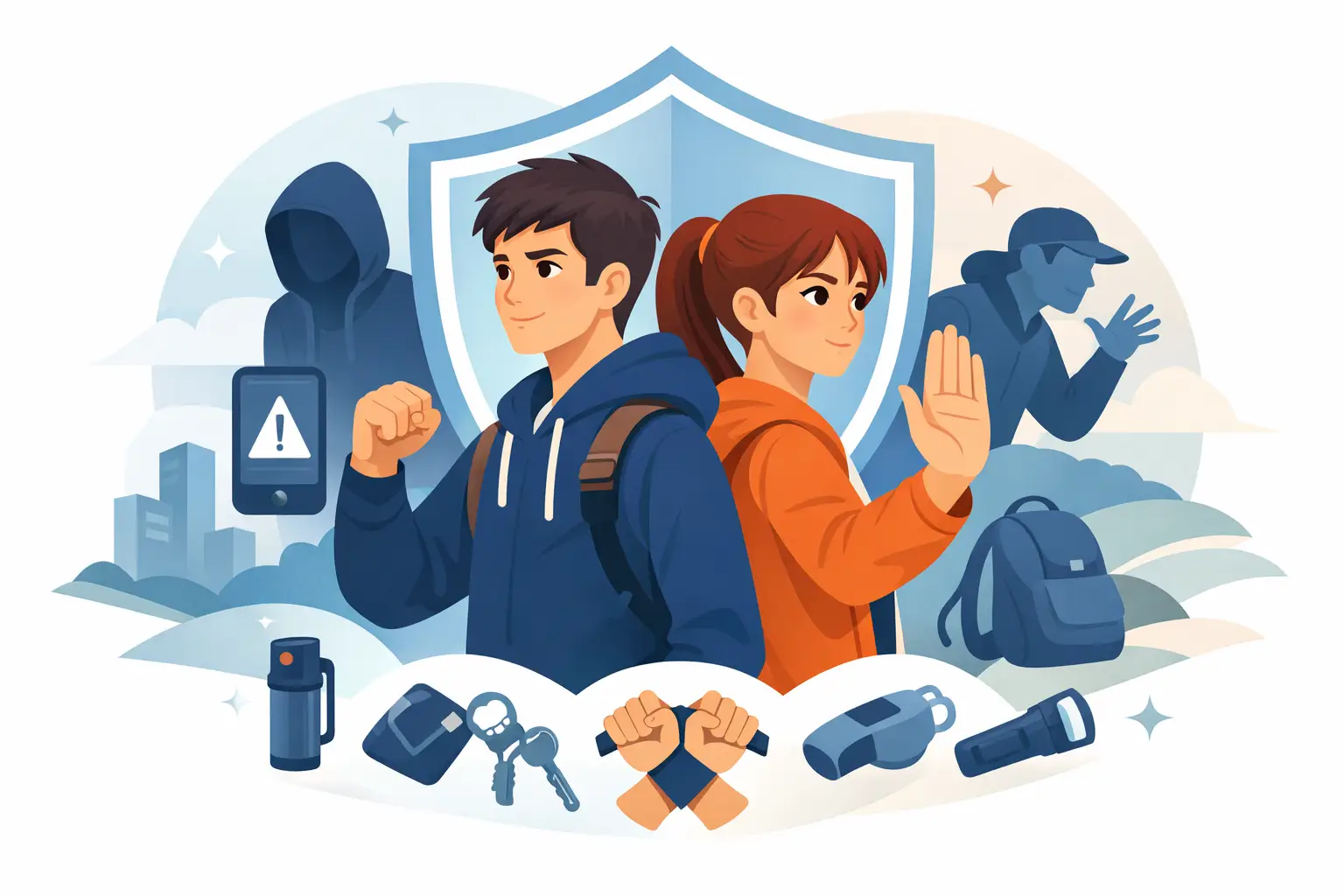
When students train practical self-defense, they do not just learn how to strike or escape. They learn how to recognize danger early, manage distance, use their voice, and avoid panic. Those skills affect more than safety. They affect the way a person walks into a room, handles social tension, and responds to uncertainty.
This is especially important for kids dealing with bullying or social intimidation. A child who knows how to set boundaries clearly and project confidence is often less likely to be seen as an easy target. That does not mean martial arts makes problems disappear. It does mean students are better equipped to face them.
For teens and adults, practical self-defense training also changes how they move through the world. College-bound students, working professionals, and parents all benefit from stronger awareness and more emotional control. The goal is not fear. The goal is readiness.
How confidence based martial arts programs help different age groups
A four-year-old and a forty-year-old do not need the same type of instruction. That is why age-specific training matters.
Young children need structure before they need complexity
For ages 4 to 6, confidence starts with simple victories. Can they listen the first time? Can they take turns? Can they speak loudly enough for an instructor to hear? Can they complete a task and feel proud of it?
At this stage, martial arts should build coordination, focus, and emotional control in a positive, structured setting. Children who are shy or easily frustrated often respond well because the expectations are clear and the progress is immediate. They begin to feel capable, and that feeling carries over into school and home life.
School-age kids need discipline and assertiveness
For ages 7 to 12, confidence becomes more social. This is often when parents start noticing issues like bullying, withdrawal, lack of focus, or low self-esteem. Martial arts can help because it gives students a healthy way to develop discipline while also teaching them how to stand up for themselves.
This age group benefits from training that connects effort to result. When students see that practice improves performance, they stop viewing themselves as stuck. They start seeing themselves as strong, coachable, and resilient. That mindset is a turning point.
Teens and adults need practical skill and mental resilience
Older students often come in for self-defense or fitness, but stay because of how training changes their mindset. Confidence at this age is tied to stress management, self-control, and knowing how to handle real pressure.
A good program should challenge teens and adults without making the environment feel hostile or ego-driven. Serious training does not have to be intimidating. In fact, many people make the most progress in schools where the culture is supportive, expectations are clear, and every student is pushed to improve without being torn down.
What parents should look for in a confidence based martial arts program
The words on a website matter less than what happens on the mat. Parents should pay attention to whether instructors know how to teach confidence as a skill, not just mention it as a benefit.
Look at how instructors correct students. Are they patient but firm? Do they build discipline without shaming? Do they expect students to use eye contact, posture, and a strong voice? Those details tell you whether the program is truly developing inner strength.
It also helps to ask what the school teaches about bullying, awareness, and self-defense. If confidence is a core part of the program, students should be learning more than memorized routines. They should be learning how to carry themselves, how to respond under pressure, and how to make smart decisions.
In Howell and surrounding communities, families are often searching for something that gives their children both protection and personal growth. That is why many are drawn to programs like the Hapkido-based training at Inner-Power Martial Arts, where confidence is built through practical skill, structure, and consistent encouragement.
The trade-off families should understand
Not every student transforms at the same speed. Some children become more outgoing within weeks. Others take longer, especially if they are naturally reserved or have already had difficult social experiences. That does not mean the program is not working.
Confidence is not always loud. Sometimes the first signs are subtle – better posture, more willingness to participate, less hesitation, improved focus, or calmer reactions when frustrated. Those changes matter because they show a student is becoming stronger from the inside out.
It is also worth remembering that martial arts is not a shortcut. A quality program requires consistency. Students who attend regularly, accept coaching, and stay committed tend to see the biggest gains. The benefit is that what they earn through training tends to last.
Why this kind of training stays with students
The best martial arts lessons do not end when class is over. They show up when a child answers confidently in school, when a teen handles peer pressure with more self-respect, or when an adult feels calmer and more prepared in public.
That is the real value of a confidence based martial arts program. It teaches people how to move with purpose, think under pressure, and trust themselves in a way that carries far beyond the mat. When students start to believe, through action and repetition, that they can handle challenges, everything around them begins to change.
If you are choosing a program for yourself or your child, look for one that treats confidence as something to train, not just something to talk about. The right environment can do more than teach self-defense. It can help someone stand taller in every part of life.