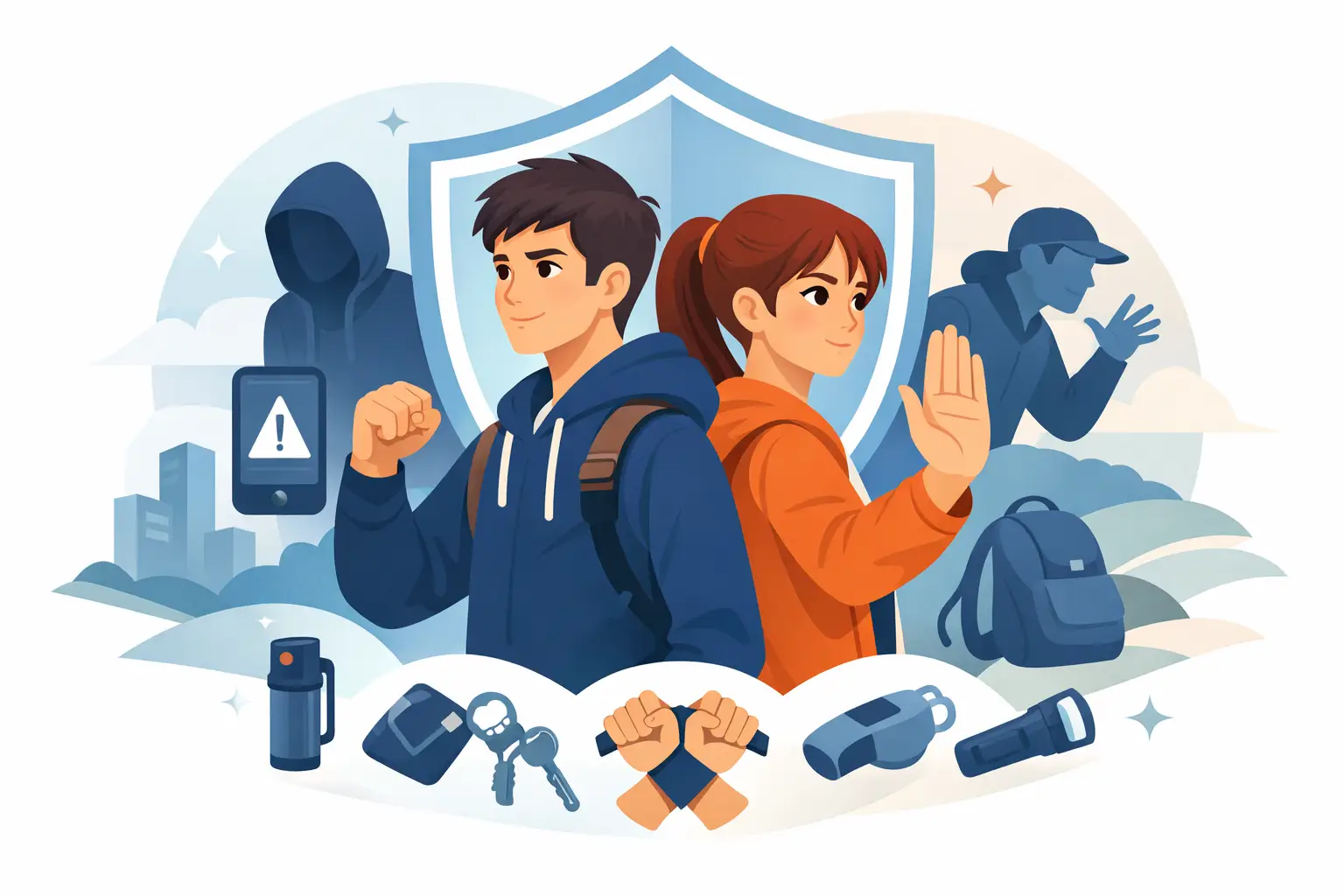
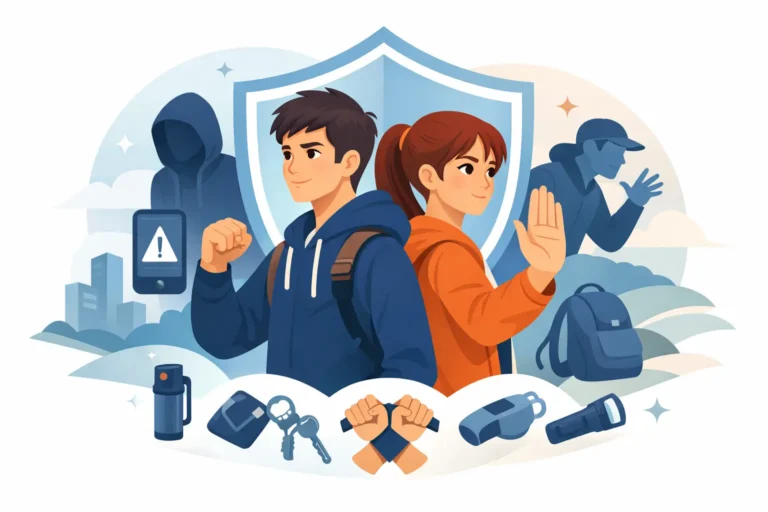
A teenager does not need to live in fear to stay safe. They need judgment, awareness, and the confidence to act early. That is what a real guide to teen self protection should teach – not paranoia, not empty tough talk, and not the false idea that safety comes from strength alone.
For parents, this topic is personal. You are not just thinking about worst-case scenarios. You are thinking about school hallways, part-time jobs, social pressure, rides with friends, walking through parking lots, and the moment your teen is away from you and has to make a decision on their own. For teens, self-protection is not about looking aggressive. It is about learning how to recognize problems sooner, set boundaries clearly, and respond with control under pressure.
What teen self protection really means
A strong guide to teen self protection starts with a simple truth: the goal is to avoid danger when possible, shut down trouble early when necessary, and defend yourself physically only if there is no safer option. That order matters.
A lot of people jump straight to fighting techniques. Physical skills matter, but they are only one part of real-world self-defense. The teen who notices a problem early, trusts their instincts, and leaves quickly is usually in a far better position than the teen who waits, doubts themselves, and hopes a bad situation will fix itself.
Self-protection also includes emotional confidence. Many teens know something feels off but hesitate because they do not want to seem rude, dramatic, or overreactive. That hesitation can put them at risk. One of the most valuable things a teen can learn is that being polite is never more important than being safe.
Awareness comes before self-defense
Most unsafe situations do not begin with an obvious attack. They begin with distraction, pressure, isolation, or a person testing boundaries. That is why awareness is the first skill to build.
Teens should practice looking up, noticing exits, and paying attention to who is around them. That sounds basic, but it changes everything. A teen scrolling on a phone with headphones in has less time to react and fewer options. A teen who sees the environment clearly can make better decisions before a situation escalates.
Awareness does not mean assuming everyone is a threat. It means staying present. In a parking lot, on public transportation, at a school event, or walking into a store, simple habits matter. Know where you are going. Keep your hands free when possible. Stay around other people when something feels wrong. Move with purpose.
Parents can help by talking through everyday scenarios instead of only discussing extreme ones. Ask questions like: What would you do if a friend wanted you to get into a car with someone you do not know well? What if someone kept pushing for personal information? What if you felt uncomfortable at a party but did not want to embarrass yourself? These conversations build judgment, and judgment is a major part of safety.
Boundaries are a form of protection
Many teens are taught to be nice, cooperative, and agreeable. Those are good qualities, but without assertiveness, they can become a weakness. A teen who cannot say no clearly is easier to pressure.
This is where confidence and self-protection connect. Teens need practice using direct language. Short, clear phrases are powerful: No. Stop. Back up. I said no. I am leaving. Those words should not feel shocking to say. They should feel normal.
There is also a difference between confidence and confrontation. A teen does not need to argue with someone acting suspiciously. In many cases, the best choice is to create distance, get to a safer area, call for help, or attract attention. The point is not to win a verbal battle. The point is to stay in control and get out.
For teens dealing with bullying, the same principle applies. Not every bully responds to the same strategy. Sometimes assertive body language and verbal confidence stop the behavior early. Sometimes adult intervention is necessary. The mistake is expecting a teen to handle every situation alone. Real protection includes knowing when to report, when to document, and when to get support.
A practical guide to teen self protection at school and online
School safety is not only about physical conflict. It includes social manipulation, harassment, intimidation, and digital pressure that follows a teen home. A complete guide to teen self protection has to address both in-person and online behavior.
At school, teens should understand how to avoid being isolated in tense situations, how to stay near trusted adults or groups when needed, and how to leave escalating drama before it turns physical. There is no weakness in walking away from a fight. In fact, it often takes more confidence than staying.
Online, teens need a different kind of awareness. Oversharing location data, sending personal images, trusting strangers too quickly, or getting pulled into private conversations with someone who feels off can create real danger. Digital self-protection means using privacy settings, being careful with what gets posted, and understanding that once something is sent, control is limited.
Parents should avoid turning this into a lecture. Teens respond better when they are treated with respect and given practical reasons. Explain how predators, bullies, and manipulative peers use information. Show them that digital choices affect real-life safety.
Physical self-defense still matters
Even though avoidance and awareness come first, teens should have physical skills they can rely on under stress. The right training does not make them reckless. It makes them calmer, more capable, and less likely to freeze.
Good self-defense training teaches simple, functional responses to common problems: grabs, pressure at close range, unwanted contact, and the need to break free and escape. It also teaches posture, balance, distance management, and the ability to stay composed when adrenaline hits.
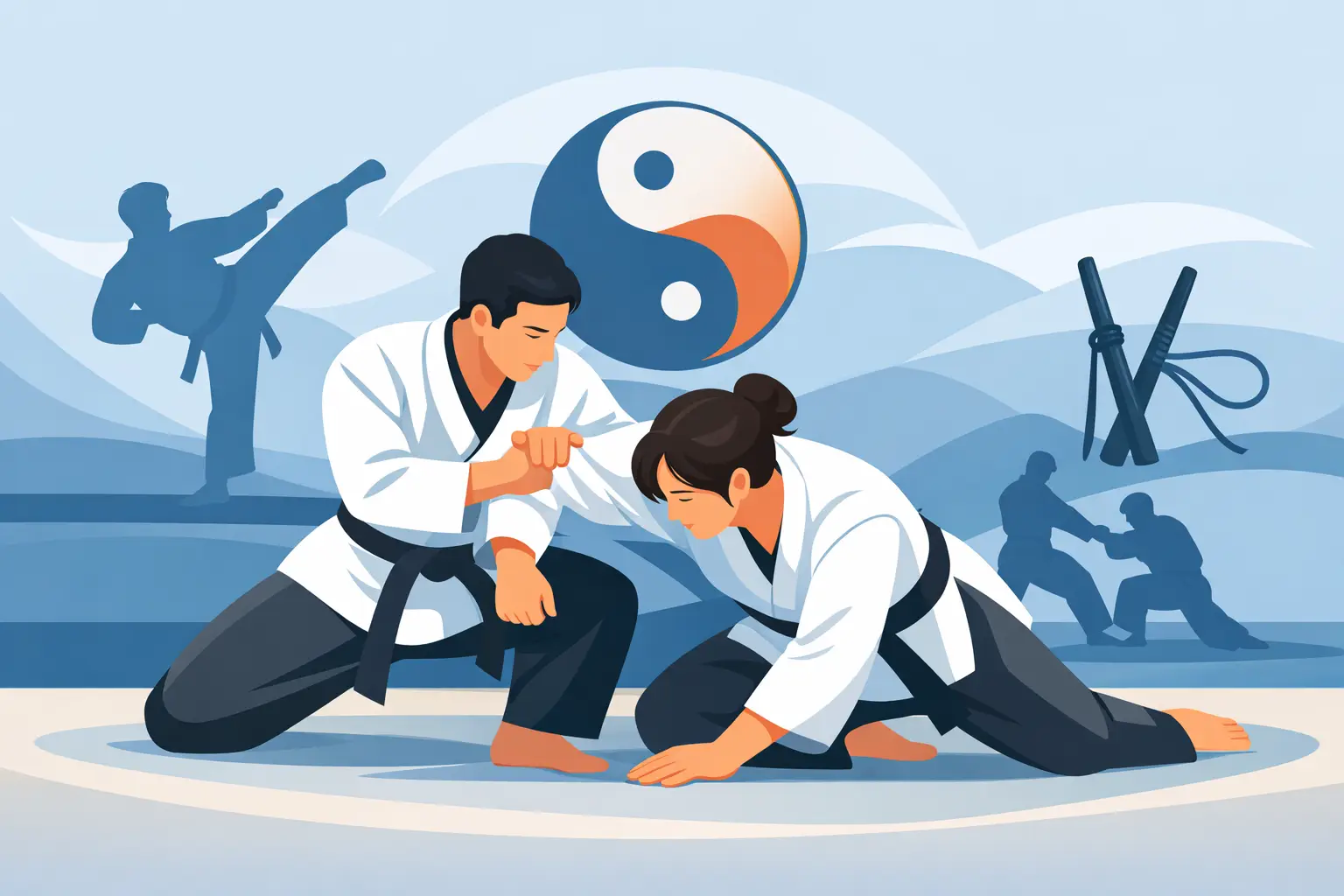
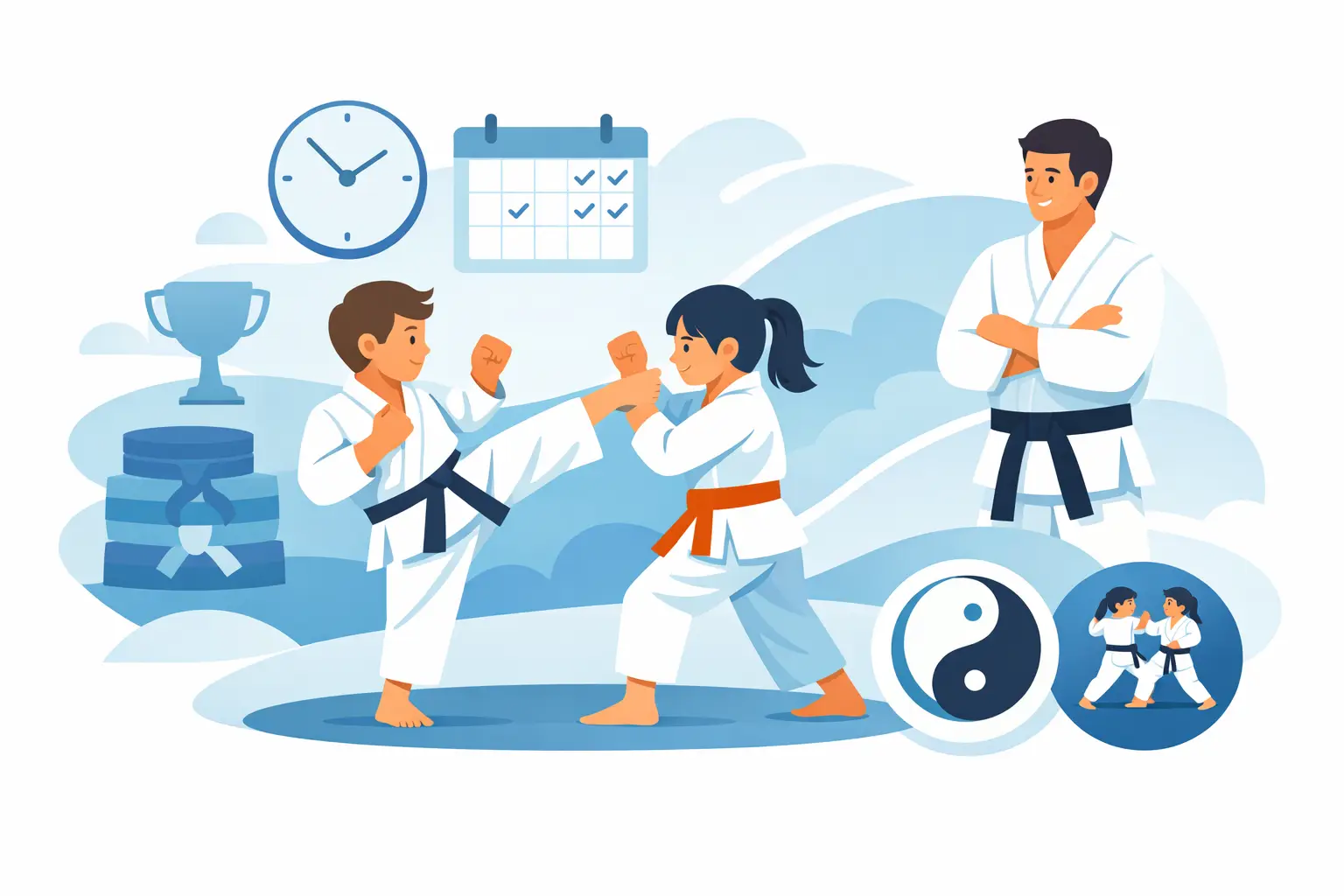
This is one reason practical martial arts training can be so valuable for teens. When self-defense is taught in a realistic, age-appropriate way, students develop more than techniques. They develop presence. They stand differently. They speak differently. They learn how to stay focused when someone else is trying to rattle them.
That said, not all training is equal. Some programs focus heavily on forms or point-based competition, which can be great for discipline and athletic development but may not fully address real-world self-protection. For teens who need practical confidence, instruction should include boundary-setting, situational awareness, and realistic escape-based self-defense.
At Inner-Power Martial Arts, that practical approach matters because families are not just looking for exercise. They want teens who can carry themselves with confidence in school, in social settings, and eventually in college or on the job.
Parents play a bigger role than they think
Teen self-protection is not a one-time conversation. It is a set of habits reinforced over time. The strongest results usually come from a mix of discussion, repetition, and training.
Parents can model calm decision-making instead of fear. If every safety talk sounds like a warning about catastrophe, teens may tune out or become anxious. But if the message is, You can learn this, you can handle more than you think, and you always have permission to protect yourself, they start to absorb confidence instead of fear.
It also helps to practice small things consistently. Have your teen think through exits in public places. Encourage them to trust discomfort instead of explaining it away. Teach them that calling you for help is always the right choice if something feels wrong, even if they are worried about getting in trouble.
And be honest about trade-offs. Teens need independence. Hovering over every moment is not realistic, and it can backfire. The goal is not constant control. The goal is preparing them to make better decisions without you there.
Confidence is often the missing piece
Many safety conversations focus only on what teens should avoid. That matters, but it is incomplete. A teen who feels small, unsure, or easily pressured may know the rules and still struggle to apply them.
Confidence changes how teens move through the world. It affects eye contact, tone of voice, posture, and willingness to act early. It helps them leave unhealthy situations faster, resist peer pressure more clearly, and recover emotionally when something difficult happens.
This kind of confidence is built, not wished into existence. It comes from practice, repetition, support, and the experience of doing hard things successfully. That is why structured training can be so powerful. It gives teens a safe place to face pressure, solve problems, and realize they are stronger than they thought.
If you are thinking about your own teen, start with the basics. Teach awareness. Teach boundaries. Teach them to leave early, speak clearly, and ask for help without shame. Then give them the chance to build real skills through consistent training. When a teen develops both judgment and self-defense ability, self-protection stops being a vague idea and becomes part of who they are.
The best outcome is not raising a teen who is scared of the world. It is raising one who can step into it with awareness, discipline, and real inner strength.