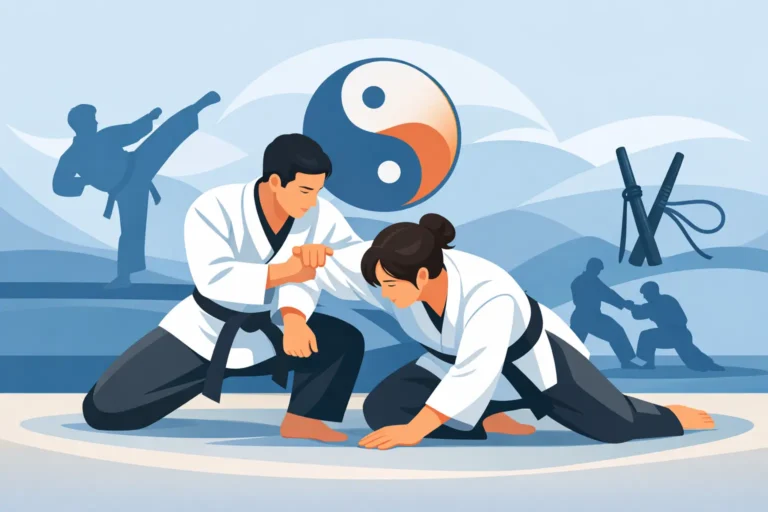
Most adults do not start martial arts because they want a trophy. They start because they want to feel stronger, safer, and more in control of themselves. If that sounds familiar, this beginner guide to adult hapkido will help you understand what training is really like, what you can expect in class, and why this system appeals to adults who want practical self-defense and real confidence.
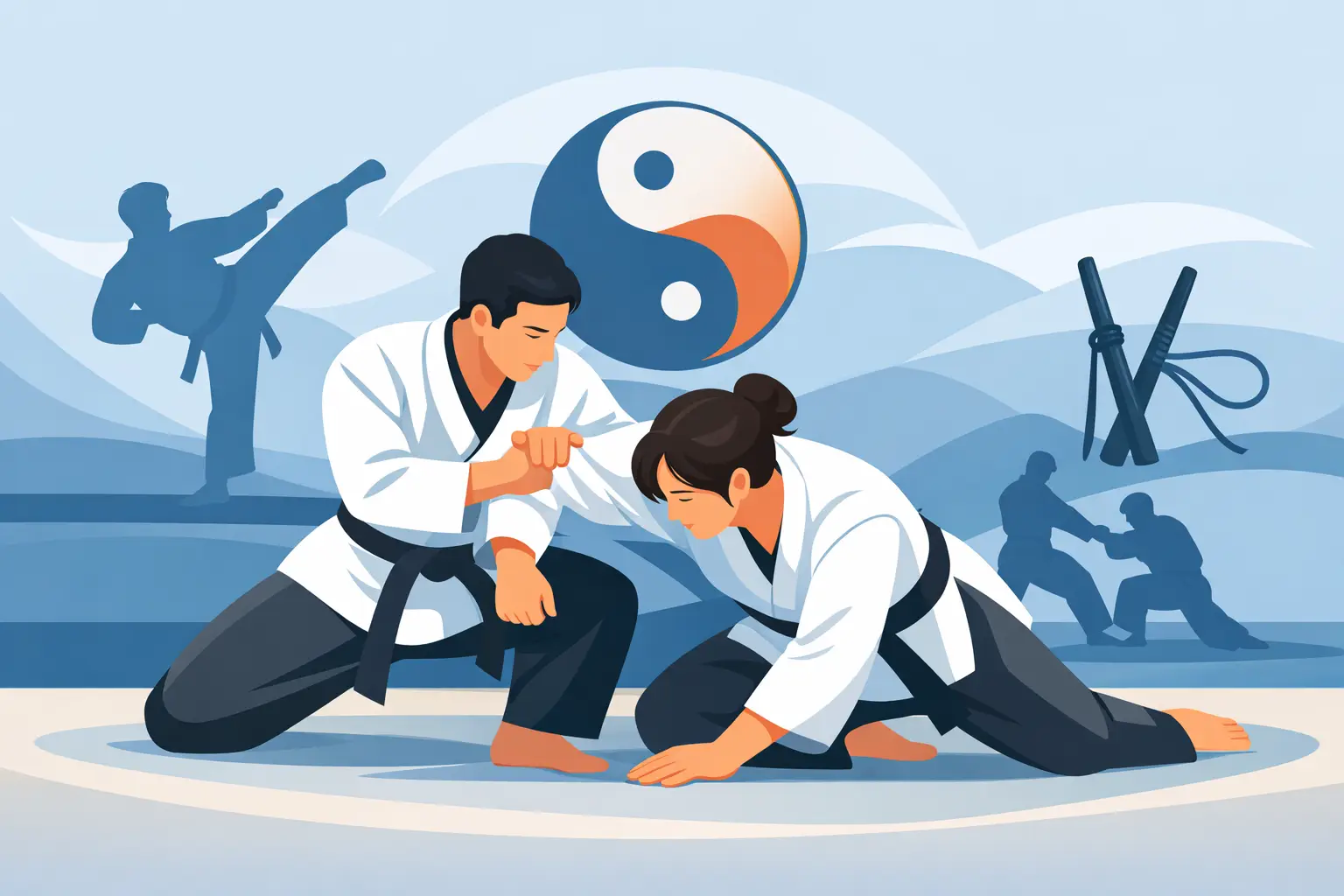
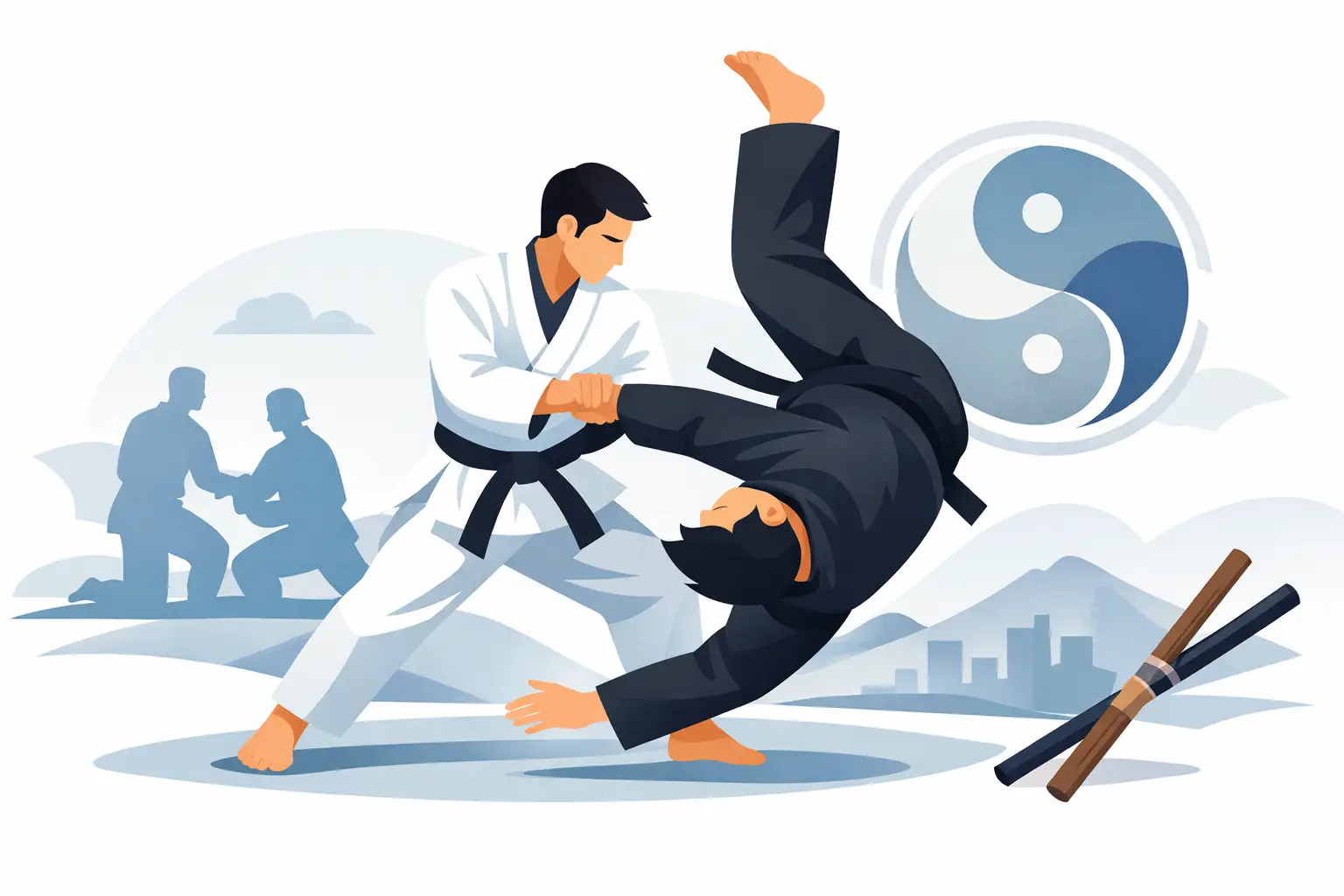
Hapkido is a Korean martial art built around leverage, timing, balance disruption, joint control, striking, and defensive movement. For adults, that matters because it is not based on being the biggest or fastest person in the room. It teaches you how to respond under pressure, protect yourself at close range, and stay calm when life gets tense. That makes it a strong fit for adults who want more than a workout.
Why adult beginners choose Hapkido
A lot of adults come in carrying the same concerns. They are not in perfect shape. They have not trained before. They worry they will slow the class down or feel awkward next to more experienced students. Those concerns are normal, and good instruction should account for them from day one.
What often makes Hapkido stand out is that it feels practical right away. Instead of spending months wondering when training will become useful, beginners start learning movements connected to real situations – how to create space, how to improve balance, how to break grips, and how to use technique over force. That early sense of purpose keeps many adults engaged.
There is also the mental side. Adults deal with work pressure, family responsibilities, and the constant background stress that comes from being needed by everyone else. Training gives you a place to reset. You focus on the next movement, the next drill, the next breath. Over time, that discipline carries into everyday life.
Beginner guide to adult Hapkido: what class is actually like
One reason people put off martial arts is that they imagine a harsh, intimidating room full of advanced students trying to prove something. A well-run adult Hapkido class should feel very different. It should be structured, focused, and serious about results, but also supportive enough for a beginner to learn without feeling embarrassed.
Most classes begin with a warm-up that builds mobility, coordination, and conditioning. You may practice basic stances, footwork, and falling skills before moving into technical instruction. From there, students usually work on self-defense applications with a partner. Depending on the class, that may include wrist releases, simple takedowns, striking mechanics, controlled joint locks, or responses to common grabs.
You are not expected to get everything right immediately. In fact, the first stage of training is often about learning how your body moves. Balance, posture, timing, and awareness all improve before techniques start to feel smooth. Adults sometimes get frustrated when they expect fast perfection, but Hapkido rewards consistency more than natural talent.
There is also a difference between training hard and training recklessly. Good schools push students to improve while keeping safety a priority. Beginners should feel challenged, not thrown into chaos.
What makes Hapkido practical for adults
Hapkido appeals to many adults because it addresses close-range self-defense in a realistic way. Not every dangerous situation looks like a sporting match. Sometimes it starts with a grab, a shove, or someone crowding your space. Hapkido training often focuses on those in-between moments where awareness, positioning, and fast decisions matter most.
That does not mean every technique works the same for every person in every scenario. Size, strength, age, mobility, and stress response all affect what feels natural. Some adults love the joint control aspect. Others connect more with striking, movement, or defensive positioning. A smart program helps students build a practical set of skills they can actually use, not just memorize.
This is also why Hapkido can be a strong choice for adults who do not see themselves as fighters. The goal is not aggression. The goal is readiness. You learn how to stay composed, set boundaries, and act decisively if you need to protect yourself or your family.
What to expect in your first few months
The first month usually feels like a mix of excitement and overload. You will hear new terminology, work with unfamiliar movements, and probably discover muscles you have not used in years. That is normal. Progress in martial arts is rarely dramatic from class to class, but it becomes very clear over a few months.
By the second or third month, many adults notice better posture, better stamina, and a stronger sense of body awareness. Techniques that felt confusing at first begin to make more sense. You stop thinking only about your hands and feet and start understanding distance, angle, and timing.
Confidence changes too. Not fake confidence. Real confidence. The kind that comes from doing difficult things repeatedly and seeing yourself improve. That carries into daily life. You speak more clearly. You move with more purpose. You feel less rattled by pressure.
Of course, results depend on attendance and mindset. A student who trains consistently and asks questions will move forward faster than someone waiting to feel ready. Starting before you feel fully confident is often the first lesson.
How fit do you need to be to start?
You do not need to be in great shape to begin adult Hapkido. You begin so you can get in better shape. That said, your starting point matters in how you pace yourself.
If you have been inactive for a while, the first few classes may feel demanding. If you already exercise regularly, you may adapt faster to the physical side but still need time to learn coordination and technique. Fitness helps, but it does not replace skill.
Adults also need to be honest about injuries, flexibility limits, and recovery. A good instructor can help modify drills when needed. Pushing through every limitation is not strength. Training intelligently is. The goal is long-term growth, not proving something in week one.
Choosing the right school matters
Not every martial arts school teaches with the same purpose. If you are looking for a beginner guide to adult hapkido, this may be the most important point in the entire article: the instructor and class culture matter as much as the style itself.
Look for a school that teaches practical self-defense in a structured way, not just random techniques. Notice whether instructors can explain clearly, correct respectfully, and work well with true beginners. Watch how students interact. A strong school builds skill and confidence without feeding ego.
For many adults, especially parents, the environment matters just as much as the curriculum. You want a place where discipline is real, safety is taken seriously, and progress is expected. You also want a community that makes it easier to keep showing up.
That is one reason many local families in Monmouth County look for training environments that feel welcoming while still being serious about results. At Inner-Power Martial Arts, that balance is central to the experience.
Common beginner concerns
A lot of adults quietly wonder if they are too old to start. In most cases, they are not. Adults of many ages begin martial arts successfully, especially when the instruction is progressive and practical.
Another common concern is embarrassment. People worry about forgetting techniques or looking uncoordinated. The truth is every beginner starts there. The students who improve are usually not the most naturally athletic. They are the ones willing to stay coachable.
Some adults also ask whether Hapkido is better than other martial arts. The honest answer is that it depends on your goals. If you want a heavily competition-based sport, another system may fit better. If you want broad self-defense training, body control, confidence, and practical skills that apply beyond the mat, Hapkido has a lot to offer.
Why adults stay with it
People often join for self-defense and stay for what training does to the rest of their life. They sleep better. They handle stress better. They feel more disciplined and more capable. Parents often tell us they wanted a class, but what they really found was a stronger version of themselves.
That kind of growth does not happen overnight. It happens through repetition, challenge, correction, and steady wins that build real momentum. Adult Hapkido works best when you treat it as more than a one-time fitness kick. It becomes part of how you carry yourself.
If you have been waiting until you feel less busy, less nervous, or more in shape, that moment may never arrive on its own. Confidence is not something you wait for. It is something you build, one class at a time.