
A lot of parents notice the same quiet shift in their teen before anyone else does. They see the hesitation when speaking up, the slumped shoulders, the second-guessing after every social setback, and the worry that one bad interaction at school can turn into a lasting lack of confidence. That is exactly why so many families look for ways to build teen confidence through training instead of relying on pep talks alone.
Confidence is not something a teenager can simply be told to have. It has to be earned from the inside out. Real confidence grows when a teen faces pressure, learns a skill, improves through effort, and begins to trust their own ability to handle challenges. That process is where the right kind of martial arts training can make a lasting difference.
Why training works when encouragement alone does not
Parents should absolutely encourage their teens. Support at home matters. But most teens can tell the difference between hearing “you can do it” and actually proving to themselves that they can do hard things.
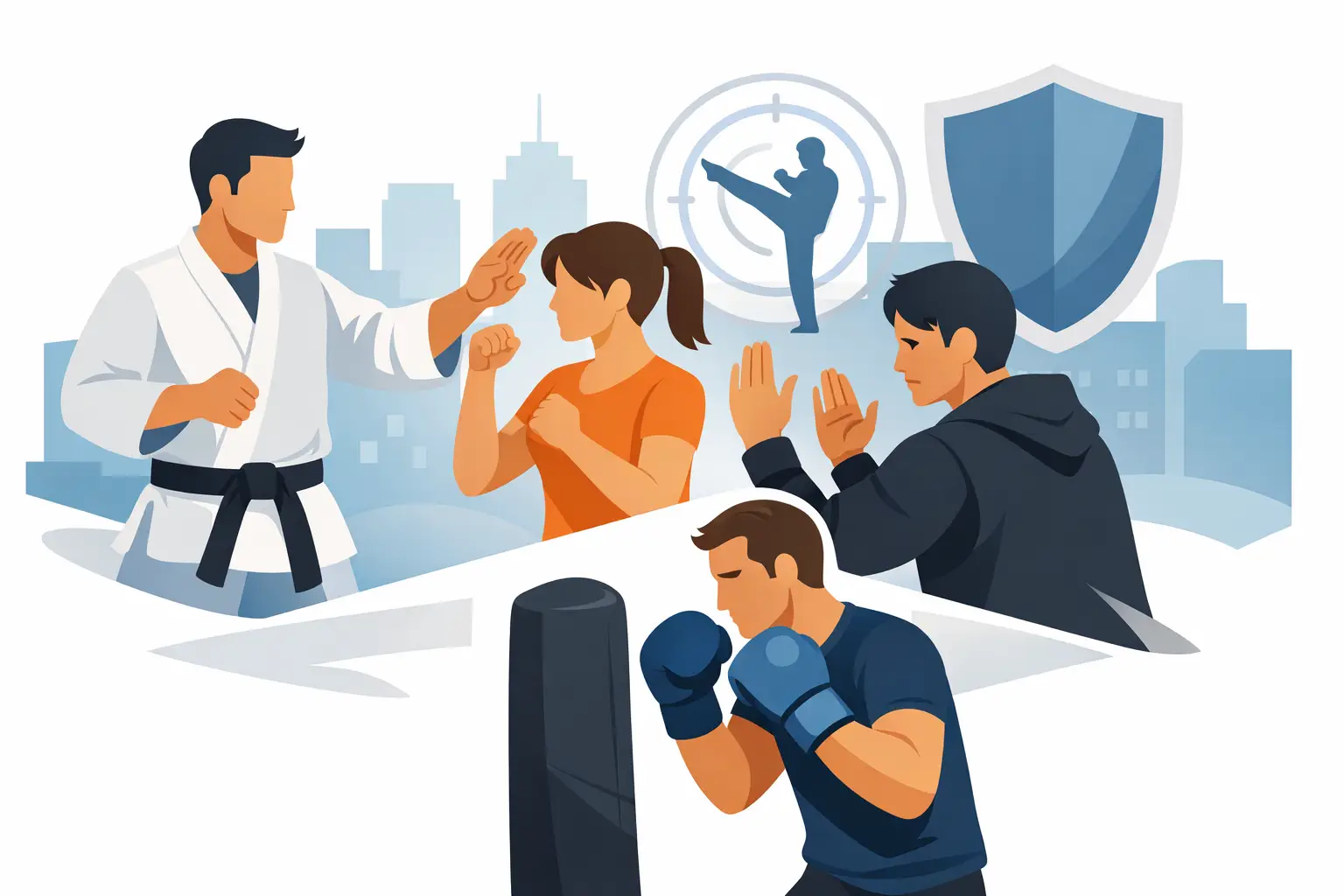
That is the advantage of structured training. In a strong martial arts program, progress is visible. A teen who once avoided eye contact learns to stand tall. A student who used to freeze under pressure starts responding with control. Someone who doubted their strength begins to see what their body and mind can do when they stay consistent.
This matters because teen confidence is often fragile. It can be shaken by social pressure, bullying, academic stress, or the simple feeling of not fitting in. Training gives teens something solid to build on. It teaches them that confidence is not about acting loud or tough. It is about staying composed, capable, and mentally steady.
Build teen confidence through training, not empty motivation
The phrase sounds simple, but the method matters. Not every activity builds confidence in the same way. Some programs focus heavily on performance, comparison, or natural talent. That can work for certain teens, but it can also make insecure students feel even more exposed.
Practical martial arts training tends to work differently. It rewards effort, consistency, and growth. A teen does not need to be the fastest, strongest, or most outgoing student in the room to benefit. They just need a place where they are challenged, guided, and shown how to improve.
That is especially important for teens who are shy, anxious, or recovering from difficult social experiences. They often do best in environments where structure is clear, expectations are high, and progress is earned step by step. When training is taught the right way, students stop defining themselves by fear and start defining themselves by capability.
The confidence-building skills teens actually need
A teen who feels confident in one area of life often carries that confidence into others. The right training does not just teach physical technique. It develops habits that show up at school, at home, and in social situations.
Assertive body language
Before a teen says a word, posture and presence communicate a message. Training teaches students to stand upright, keep their head up, make eye contact, and move with intention. Those small physical changes can affect how others treat them, especially in situations involving intimidation or peer pressure.
This is one reason martial arts can support bullying prevention. Teens who carry themselves with awareness and confidence are often less likely to be seen as easy targets. That does not mean problems disappear overnight, but it can change the dynamic.
Emotional control under pressure
Many teens struggle not because they are weak, but because they feel overwhelmed. A stressful conversation, a conflict with peers, or an embarrassing moment can trigger panic, anger, or shutdown.
Training helps by placing students in controlled challenges. They learn to breathe, focus, listen, and respond instead of reacting emotionally. Over time, that emotional discipline becomes one of the strongest forms of confidence. A teen begins to trust that they can stay calm even when life feels uncomfortable.
Real self-defense awareness
There is a major difference between false confidence and earned confidence. False confidence talks big but falls apart under pressure. Earned confidence comes from knowing what to do.
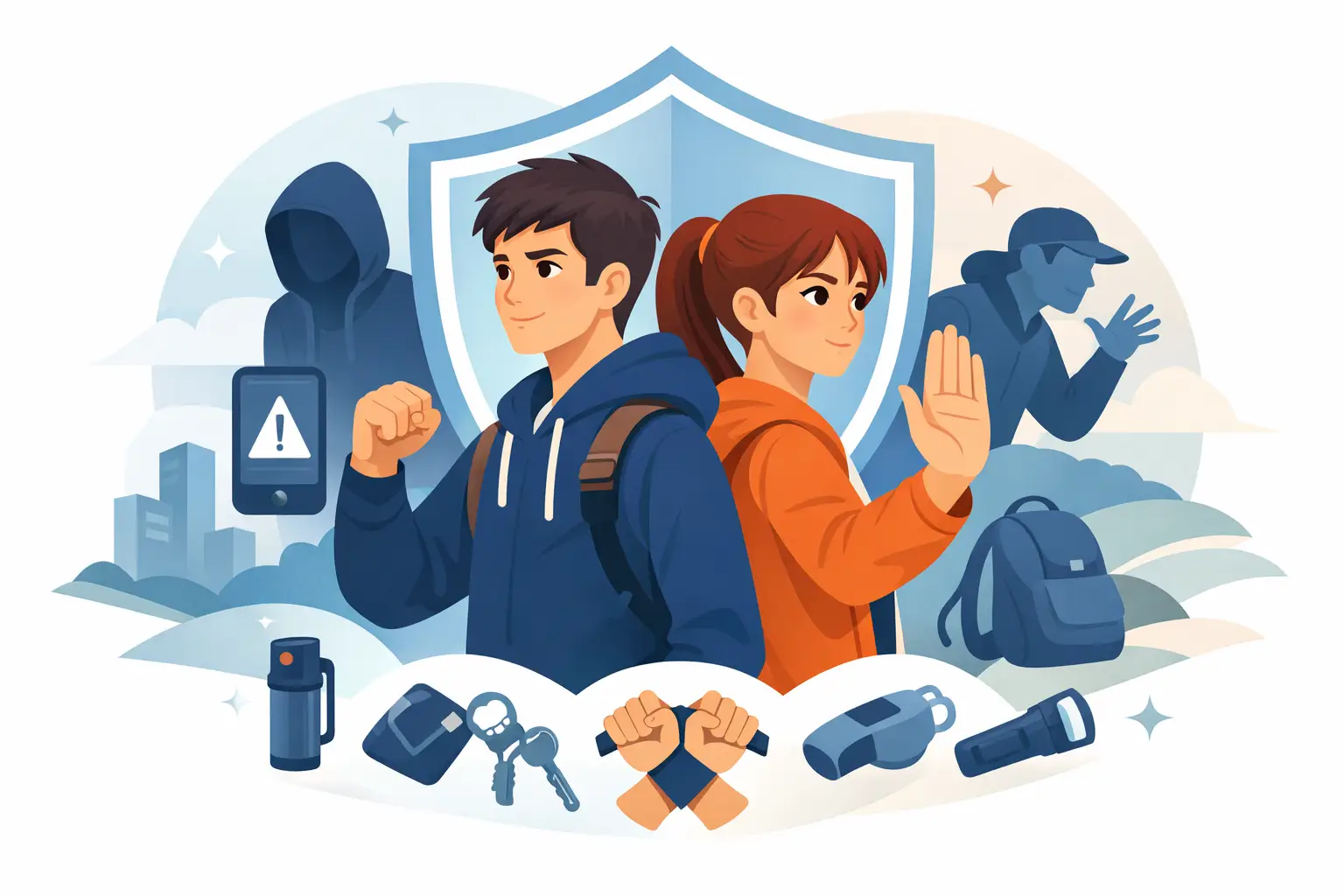
When teens learn practical self-defense, they begin to understand distance, awareness, boundaries, and decision-making. They also learn that real strength includes avoiding danger when possible and responding intelligently when necessary. That kind of training creates a grounded sense of security, which can be far more powerful than surface-level motivation.
Discipline and follow-through
Confidence often improves when teens start keeping promises to themselves. Showing up to class, practicing, listening to instruction, and progressing over time builds self-respect. They see that effort creates results.
That lesson carries over into homework, sports, jobs, and relationships. A teen who learns discipline in training often becomes more dependable in everyday life.
What parents should look for in a confidence-building program
If the goal is to build teen confidence through training, the teaching environment matters just as much as the curriculum. A great instructor can challenge students without tearing them down. A weak environment can do the opposite.
Look for a program that balances encouragement with accountability. Teens need support, but they also need standards. If everything is praise with no challenge, confidence stays shallow. If everything is pressure with no guidance, many teens shut down.
The best programs create a culture where students feel safe being beginners. They are expected to work hard, respect others, and keep improving, but they are not humiliated for making mistakes. That is where real growth happens.
It also helps to choose a school that teaches practical self-defense rather than focusing only on forms or performance. There is value in tradition, but many families today are specifically looking for training that helps teens feel safer, stronger, and more prepared for real-world situations. A practical Hapkido-based program can be especially effective because it combines self-defense skills, body control, discipline, and mental resilience in a way that feels relevant.
Why some teens resist training at first
Parents are often surprised when the teen who needs confidence the most is the one who resists joining. That is normal.
A teen with low confidence may fear looking awkward, failing in front of others, or stepping into a new environment where they do not already know the rules. Sometimes resistance is not laziness at all. It is self-protection.
That is why the first few weeks matter so much. A welcoming but structured class can help a teen settle in, learn expectations, and experience small wins early. Once they realize they do not need to be perfect to belong, many begin opening up. Their confidence does not appear all at once. It builds through repetition, trust, and proof.
Confidence looks different for every teen
Some students become more vocal and socially outgoing. Others simply become steadier. They speak more clearly, set better boundaries, and stop shrinking themselves in uncomfortable situations.
That distinction matters. Parents should not expect confidence to look the same in every child. For one teen, progress may mean volunteering an answer in class. For another, it may mean walking through school with more awareness and less fear. For a student preparing for college or work, it might mean feeling capable in unfamiliar settings.
The goal is not to turn every teen into the loudest person in the room. The goal is to help them become secure enough that they no longer need to hide.
A local training community can make the difference
Teens need more than instruction. They need a place where growth is noticed and effort is respected. In a strong local martial arts school, they are surrounded by positive expectations, consistent coaching, and peers who are working toward the same kind of progress.
That sense of belonging can be powerful, especially for teens who feel disconnected elsewhere. In Howell and surrounding Monmouth County communities, many families are searching for activities that do more than keep kids busy. They want something that builds character, focus, and real resilience. That is one reason programs like Inner-Power Martial Arts resonate with local families who want practical results, not just another after-school activity.
A teen who trains regularly starts to carry themselves differently. They feel stronger because they are stronger. They feel more secure because they have practiced handling pressure. They feel more confident because they have earned it, class after class.
If your teen has been doubting themselves lately, that does not mean they are stuck that way. With the right training, the same student who once held back can become focused, capable, and hard to intimidate. Sometimes confidence starts with something as simple as stepping onto the mat and realizing they are more powerful than they thought.