If your child can spend an hour glued to a screen but struggles to sit still during homework, follow directions, or stay on task at school, you are not imagining it. Many parents start looking into activities after teacher comments, frustrated evenings at the kitchen table, or the sinking feeling that their child is capable of more. That is exactly where the conversation around martial arts improved child focus becomes real – not as a slogan, but as a practical solution for families who want better attention, stronger discipline, and more confidence.
At first, focus can seem like a simple issue of self-control. For kids, it usually is not that simple. A child who looks distracted may actually be overwhelmed, restless, bored, anxious, or unsure of themselves. That matters, because the right activity does more than tell a child to pay attention. It gives them a system for learning how.
Why martial arts improved child focus for so many kids
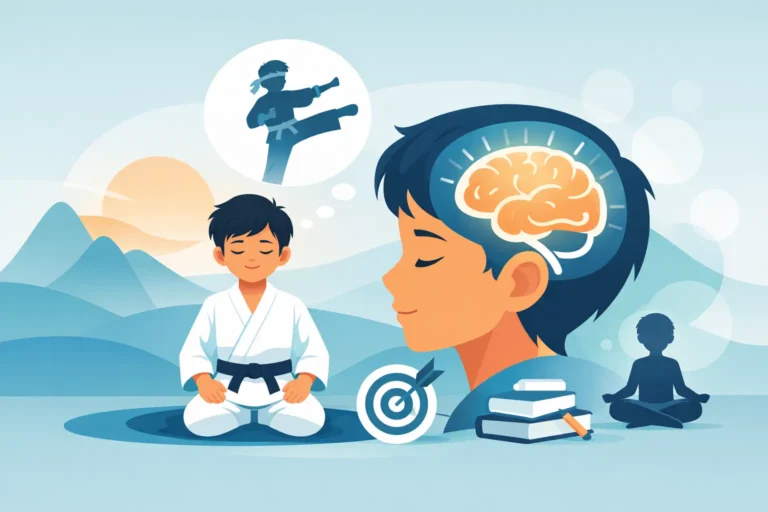
Martial arts works because it trains the mind and body together. In a good class, children are not just burning energy. They are learning to watch, listen, respond, and stay present from one moment to the next. They hear an instruction, process it, and perform it. Then they repeat that cycle again and again.
That repetition is powerful. Over time, kids begin to build better attention habits without feeling like they are being lectured. They practice standing ready, waiting their turn, keeping their eyes on the instructor, and completing a movement with control. Those small moments add up.
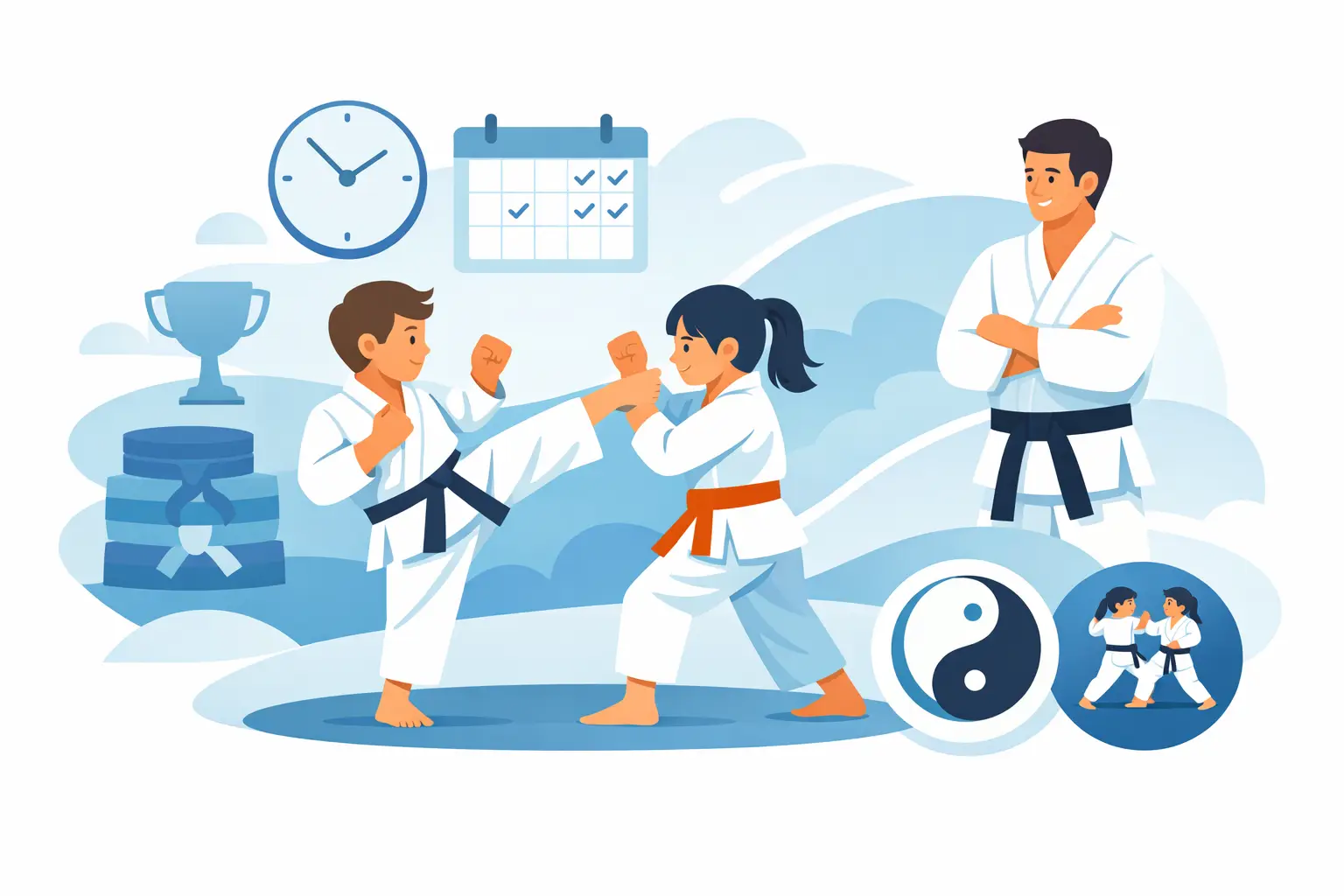
For many children, focus improves when they feel engaged instead of corrected all the time. Martial arts gives them clear expectations and quick feedback. They know when to bow in, when to move, when to stop, and what success looks like. That structure can be calming, especially for children who struggle in less predictable settings.
Focus improves when confidence improves
This is one part many parents miss. A child who lacks confidence often looks unfocused. They hesitate. They avoid eye contact. They shut down when something feels hard. Their attention drifts because they are more worried about getting it wrong than getting it done.
When children begin learning practical self-defense and seeing steady progress, something changes. They carry themselves differently. They become more willing to try, more willing to listen, and less likely to fold under pressure. Confidence reduces internal noise. Once that noise settles, focus has room to grow.
This is especially true for children dealing with social pressure, bullying, or shyness. If a child feels tense all day, concentration suffers. A strong martial arts program helps them feel more secure in their body and more capable in challenging moments. That emotional shift often shows up at home and in school before parents expect it.
The role of movement in attention
Some kids are not meant to learn focus by sitting longer. They learn it by moving with purpose. Martial arts channels energy instead of fighting it. Rather than asking a child to be still before they are ready, it teaches them how to organize movement, breathing, posture, and timing.
That matters for active children. When kids are given physical tasks that require control, they start connecting motion with discipline. A kick thrown carelessly does not work. A self-defense drill only improves when the student pays attention. The body becomes part of the lesson, and for many children, that makes focus easier to access.
What class structure teaches beyond punches and kicks
Parents often ask whether martial arts is just exercise with a uniform. The answer depends on the school. In a strong program, class structure is where real development happens.
Children learn that there is a time to speak and a time to listen. They learn to follow multi-step directions. They practice respect, patience, and self-control in real time, not just in theory. If they lose focus, they are redirected right away. If they stay engaged, they feel the reward of improvement.
That immediate cause and effect is valuable. Kids begin to understand that attention is not random. It leads to better performance, better corrections, and more success. This is one reason parents often notice better listening at home after consistent training.
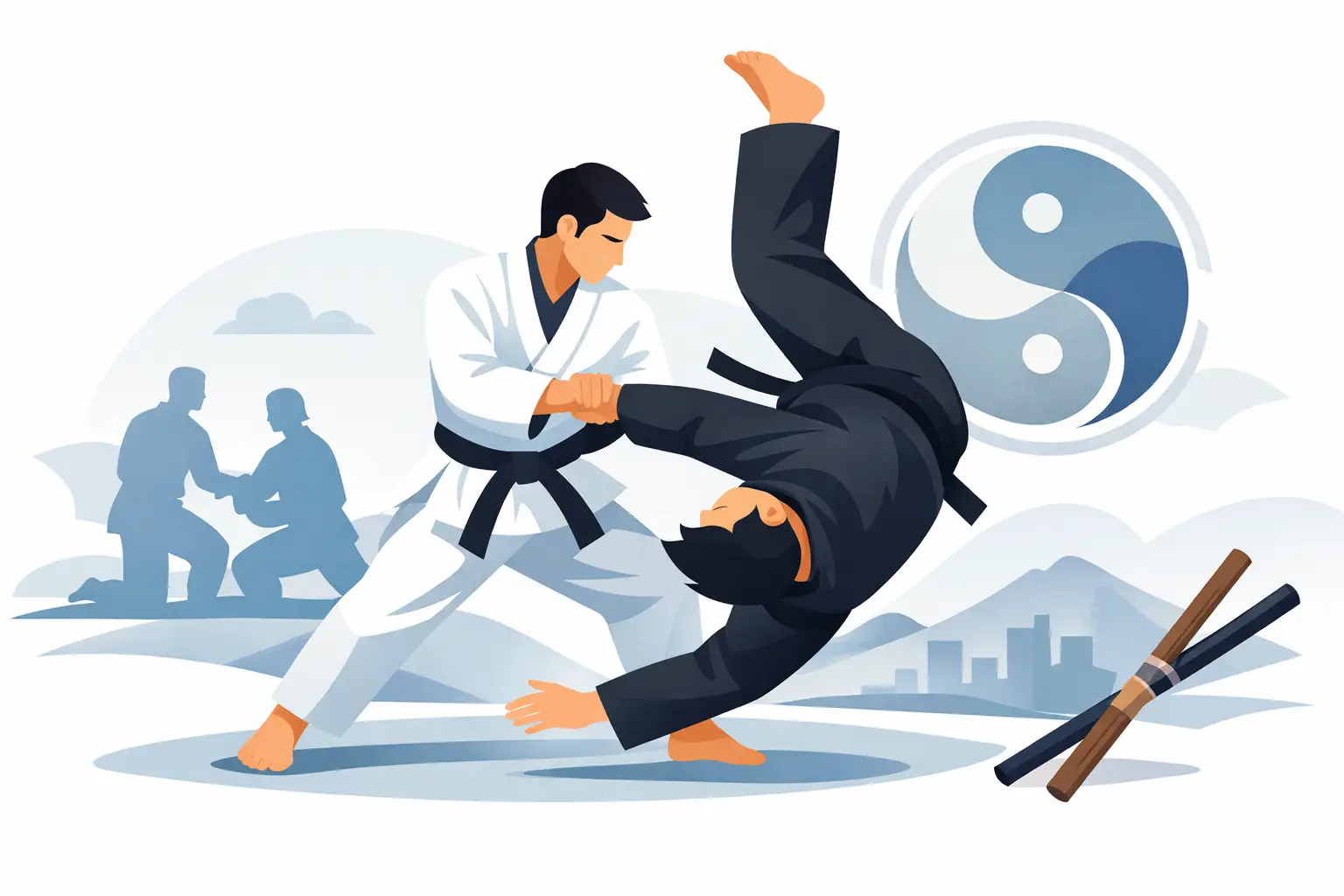
Hapkido-based training can be especially effective here because it emphasizes practical responses, body awareness, balance, and controlled technique. Children are not just memorizing forms for the sake of tradition. They are learning usable skills in a way that keeps the mind active and engaged.
Martial arts improved child focus – but it depends on the program
Not every martial arts school is the same, and that is worth saying plainly. Some programs are too loose and chaotic to help a child who needs structure. Others are so rigid that younger students tune out. The best fit is a school that knows how to challenge kids while still meeting them at their developmental level.
A 4-year-old and a 10-year-old do not need the same coaching. Younger children need shorter sequences, simple cues, and encouragement that keeps them participating. Older kids can handle more complexity, accountability, and deeper conversations about discipline and self-control. When classes are built around age-appropriate development, focus grows much faster.
Parents should also understand that progress is not always immediate. Some children show changes within a few weeks. Others need time. If a child has a long pattern of distraction, low confidence, or emotional overwhelm, the goal is steady growth, not overnight perfection.
Signs parents often notice first
The earliest changes are usually small, but they matter. A child may start making better eye contact when spoken to. They may finish a task with less prompting. They may recover faster after frustration instead of melting down or walking away.
Teachers sometimes report better classroom participation. Parents often notice smoother homework routines, improved posture, or a stronger willingness to accept correction. These are not flashy results, but they are real signs that attention and self-regulation are improving.
Just as important, many kids begin to take pride in doing hard things well. That mindset helps focus stick. Children who believe they can improve are far more likely to stay engaged when work gets challenging.
Why families in Monmouth County are drawn to this path
Around Howell, Jackson, Freehold, and nearby communities, parents are not just looking for another after-school activity. They want something that helps their child become stronger on the inside. They want their son or daughter to be safer, more disciplined, and less rattled by pressure from school, peers, or the world around them.
That is why practical martial arts resonates so deeply. It answers more than one need at once. Kids get movement, accountability, community, and confidence in the same place. Parents get the peace of mind that comes from seeing their child develop real skills, not just stay busy for an hour.
At Inner-Power Martial Arts, that growth is tied closely to real-world self-defense and age-appropriate structure. For many families, that combination makes all the difference. Children are not simply taught to perform techniques. They are taught to become more attentive, more assertive, and more resilient in everyday life.
What parents can do to support focus outside class
Martial arts is powerful, but it works best when parents support the process at home. Children make faster gains when expectations are consistent. That does not mean turning your house into a dojo. It means reinforcing the same values in simple ways.
Give directions clearly and one step at a time when needed. Ask your child to make eye contact before responding. Praise effort, self-control, and follow-through, not just perfect outcomes. If they are learning to reset after mistakes in class, help them practice that skill at home too.
Most of all, stay patient. Focus is not a switch that gets flipped. It is a skill that gets built. The right training gives children a strong framework, but repetition and consistency are what make that framework last.
When a child starts to feel more capable, more secure, and more in control of their body and emotions, better focus often follows naturally. That is why martial arts can be such a turning point for families who are tired of hearing what their child struggles with and ready to see what they are truly capable of.