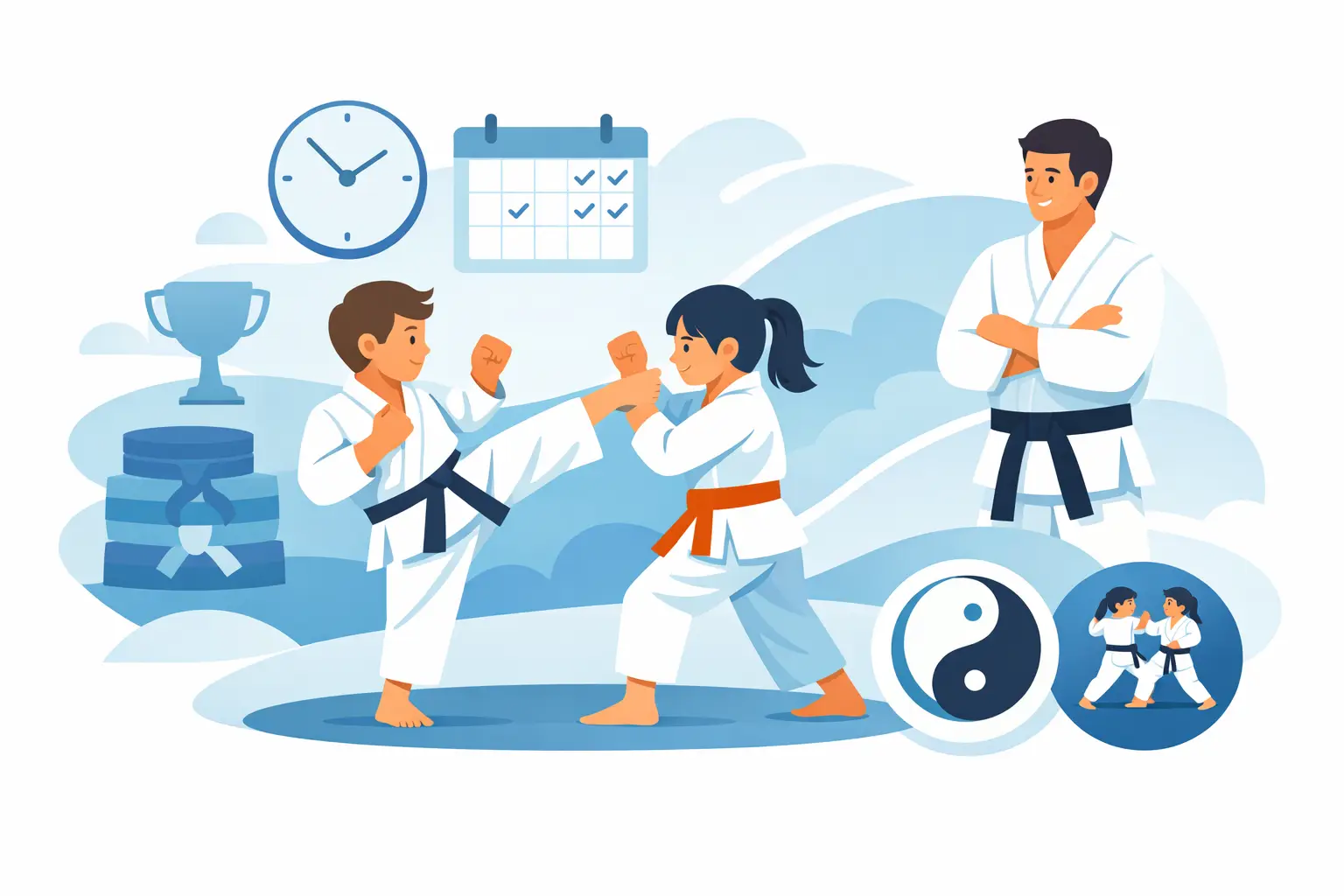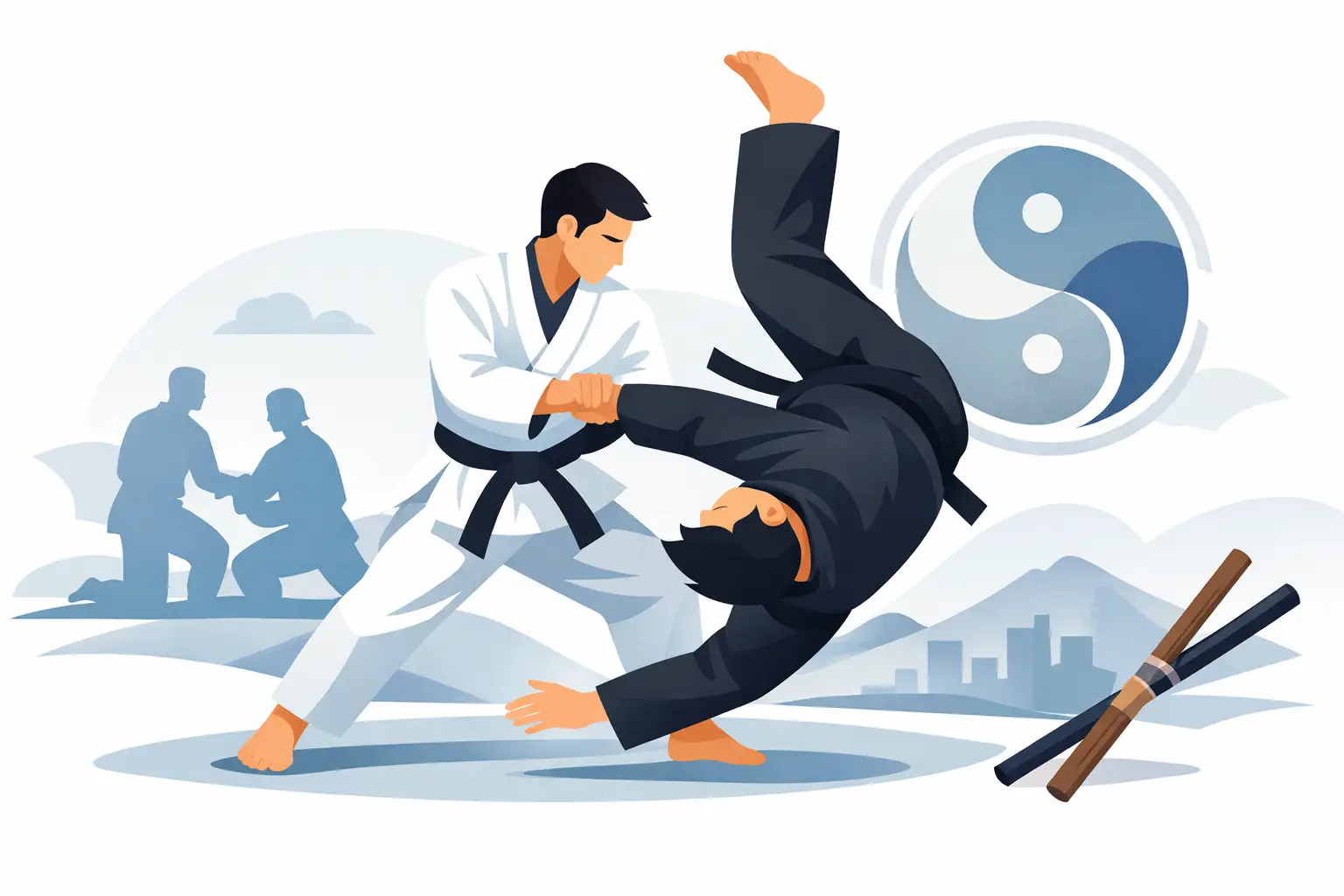
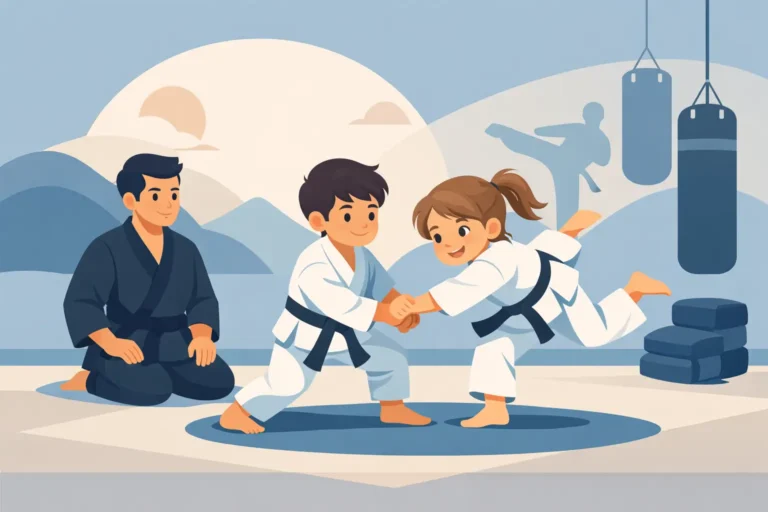
A lot of parents start looking at martial arts after a hard moment – a child gets picked on at school, struggles to speak up, has trouble focusing, or seems to shrink in social situations. That is usually when the real question comes up: why choose hapkido for children instead of another activity or another martial art?
The short answer is that Hapkido helps kids become harder to intimidate. Not because it teaches them to be aggressive, but because it teaches them how to carry themselves with confidence, stay calm under pressure, and respond with control. For many children, that combination matters just as much as the physical skills.
Why choose Hapkido for children over other activities?
Plenty of kids benefit from sports, dance, gymnastics, and team programs. Those activities can improve coordination, fitness, and social skills. But Hapkido fills a different role.
It gives children a structured way to build personal strength from the inside out. A child who feels shy, anxious, or easily overwhelmed does not always need a louder activity. They often need an environment that teaches posture, eye contact, boundaries, discipline, and practical problem-solving. Hapkido does that in a very direct way.
Unlike programs built mostly around competition, Hapkido training keeps the focus on real-world development. Students learn how to move with balance, protect themselves, and stay aware of what is happening around them. They also learn when not to fight, how to listen, and how to use self-control. That balance is a big reason many families see lasting changes that carry into school, home, and social situations.
The real benefit of Hapkido is confidence with substance
A lot of children can be told to “be confident.” That usually does not help much if they do not feel capable. Real confidence comes from experience. It grows when a child practices a skill, sees progress, and realizes they can handle more than they thought.
That is where Hapkido stands out. Children are not just memorizing movements for the sake of looking polished. They are learning how their body works, how to stay grounded, and how to react with purpose. When a child starts to feel physically capable, emotional confidence often follows.
Parents tend to notice the difference in small but meaningful ways. Their child speaks more clearly. They make better eye contact. They stop panicking so quickly when something feels uncomfortable. They begin to carry themselves differently, and other kids notice that too.
That shift matters in bullying situations. Confident children are often less likely to be targeted because they project awareness and self-respect. Hapkido helps build that presence.
Why Hapkido works well for kids who are shy or easily discouraged
Not every child walks into a martial arts school ready to be loud and bold. Some hang back. Some avoid trying new things because they are afraid of getting it wrong. Some are athletic, while others are still learning basic coordination.
Hapkido can be a strong fit because progress is built step by step. Kids do not need to arrive with natural confidence. They build it through repetition, encouragement, and clear expectations.
For children who struggle with shyness, that structure can be a relief. They know what is expected. They practice in a respectful setting. They get challenged, but not thrown into chaos. Over time, that steady process helps hesitant children become more comfortable taking initiative.
For children who get frustrated easily, Hapkido also teaches an important lesson – progress is earned. They learn that setbacks are part of improvement, not proof that they are incapable. That mindset can help far beyond martial arts, especially in school and social development.
Why choose Hapkido for children who need focus and discipline?
Many parents are not only looking for self-defense. They also want their child to listen better, follow directions, and stay engaged without constant reminders. Hapkido supports those goals because it requires attention, respect, and self-management.
In class, students have to watch closely, remember instructions, control their movement, and respond at the right time. That kind of training strengthens concentration in a practical way. Kids are not being lectured about discipline. They are practicing it.
This is especially valuable for children with a lot of energy. They need an outlet, but they also need direction. Hapkido gives them both. It channels energy into something productive while teaching that power must be controlled.
That said, no martial art is a magic fix. A child who struggles with focus will not change overnight. The real value is consistency. With the right instruction, children gradually develop better habits – listening, waiting, trying again, and staying composed when something feels difficult.
Practical self-defense matters more than many parents realize
One reason families ask why choose hapkido for children is because they want something useful, not just recreational. That concern is valid.
Some martial arts schools lean heavily on forms, routines, or tournament preparation. Those can have value, but they are not always what a parent means when they say, “I want my child to be able to protect themselves.” Hapkido is known for practical self-defense, which makes it especially appealing for families focused on personal safety.
Children can learn how to create space, break free from grabs, improve awareness, and respond with control if they ever feel threatened. Just as important, they learn the mental side of self-defense – recognizing danger, using their voice, setting boundaries, and making smart choices.
That does not mean children should be taught to fight their way out of every problem. Quite the opposite. Good Hapkido instruction teaches avoidance first, de-escalation when possible, and physical action only when necessary. Parents usually appreciate that approach because it is realistic and responsible.
Hapkido teaches respect without making kids passive
Some parents want their children to be respectful, but they do not want them to become timid. That is an important distinction.
The best martial arts training teaches kids how to be polite and assertive at the same time. Hapkido supports that balance well. Students learn to listen to instructors, follow structure, and treat others with respect. But they also learn that being respectful does not mean accepting intimidation, disrespect, or bullying.
That lesson can be powerful for children who tend to freeze in uncomfortable situations. They begin to understand that they are allowed to take up space, use their voice, and protect themselves. Respect and strength are not opposites. In healthy training, they grow together.
Not every martial arts program is the same
This is where parents need to look beyond the style name. Hapkido can be an outstanding choice, but the quality of instruction matters just as much as the system itself.
A strong children’s program should be age-appropriate, well-structured, and focused on development, not just activity. Younger children need clear routines and encouragement. Older kids need challenge, accountability, and skills that feel relevant to real life. The right school understands those differences.
Parents should also pay attention to culture. Does the class feel safe and organized? Are instructors building confidence or just demanding obedience? Are kids learning self-control along with self-defense? Those details shape the result.
That is one reason so many local families look for a school that emphasizes practical training, confidence-building, and bullying prevention rather than flashy performances alone. At Inner-Power Martial Arts, that combination is central to how children are taught to grow stronger in both skill and character.
What changes can parents realistically expect?
The biggest changes are usually not dramatic at first. They show up in daily life.
A child may start standing taller. They may become more willing to answer for themselves instead of hiding behind a parent. Teachers may notice better listening. Parents may see fewer emotional meltdowns when something feels hard. Children who once avoided challenge may begin leaning into it.
Physical improvements matter too. Better balance, coordination, mobility, and body awareness all support a child’s development. But for many families, the emotional growth is the real turning point. When a child feels stronger on the inside, everything else gets easier.
Of course, it depends on the child. Some respond quickly. Others need time. A very shy child may show quiet progress before it becomes obvious. A child with lots of energy may improve self-control in stages. What matters most is steady training in an environment that expects growth and supports it.
If you are weighing different activities and wondering what will truly help your child beyond just staying busy after school, Hapkido is worth serious consideration. It gives children more than exercise. It gives them tools to handle pressure, speak with confidence, and move through the world with greater awareness and self-respect.
Sometimes the best activity for a child is not the one that makes them busier. It is the one that helps them feel stronger, safer, and more sure of who they are.