A lot of parents start looking at hapkido classes after a hard moment – a child gets picked on at school, shuts down in new situations, or seems to shrink a little more each time confidence is tested. Adults often arrive for a different reason, but the feeling is similar. They want to feel stronger, safer, and more in control of themselves. That is where the right training can change more than fitness.
Hapkido is not just about kicking and punching. At its best, it teaches people how to stay calm under pressure, protect themselves in realistic situations, and carry themselves with more confidence in everyday life. For families in Howell and nearby Monmouth County communities, that matters because the goal is not to raise aggressive kids or create intimidating training environments. The goal is to help students become more capable, more focused, and more resilient.
Why hapkido classes stand out
Some martial arts programs lean heavily on forms, tradition, or tournament performance. There is value in that for some students, but it is not always what families are actually searching for. Many parents want a program that helps their child speak up, make eye contact, follow direction, and stop feeling like an easy target. Many teens and adults want practical self-defense, stress relief, and a challenging workout that feels useful outside the school.
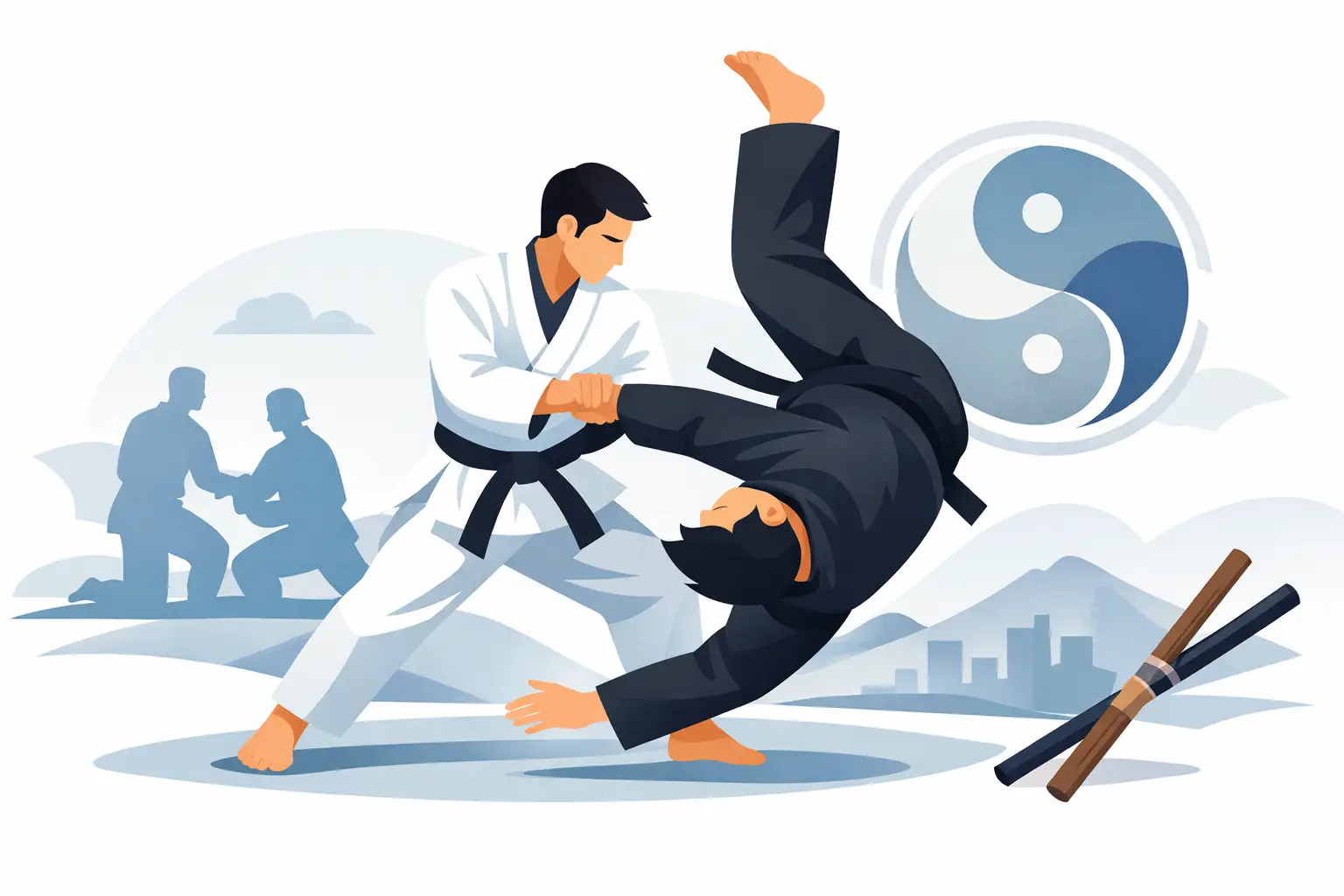
That is where Hapkido stands apart. It is a practical martial art built around real-world self-defense. Students learn how to move with control, use leverage, improve balance, and respond to common threats with greater awareness and confidence. The training can include strikes, escapes, defensive movement, and partner drills that develop timing and composure.
The biggest advantage is that Hapkido does not rely on size or brute strength alone. That makes it especially effective for children, teens, and adults who want realistic self-protection skills without needing to be the biggest or strongest person in the room.
What students really gain from hapkido classes
The visible changes usually start with posture, energy, and focus. A student who once looked down when speaking begins to stand taller. A child who struggled to listen starts following instructions with more consistency. A teen who felt nervous in social settings begins carrying real confidence instead of forced bravado.
That happens because good martial arts training gives students repeated experiences of doing hard things well. They learn techniques step by step. They practice with structure. They improve through effort. Over time, that process builds trust in themselves.
For younger students, that can mean better listening, self-control, and resilience. For school-age children, it often shows up as stronger focus, more discipline at home, and better responses to peer pressure or bullying. For teens and adults, the benefits tend to include practical self-defense skills, improved conditioning, mental toughness, and a healthier way to handle stress.
There is also an emotional benefit that families notice quickly. Students begin to feel less helpless. That shift matters. Confidence is not pretending to be fearless. It is knowing you can handle yourself with more calm and control than you could before.
Hapkido classes for young children
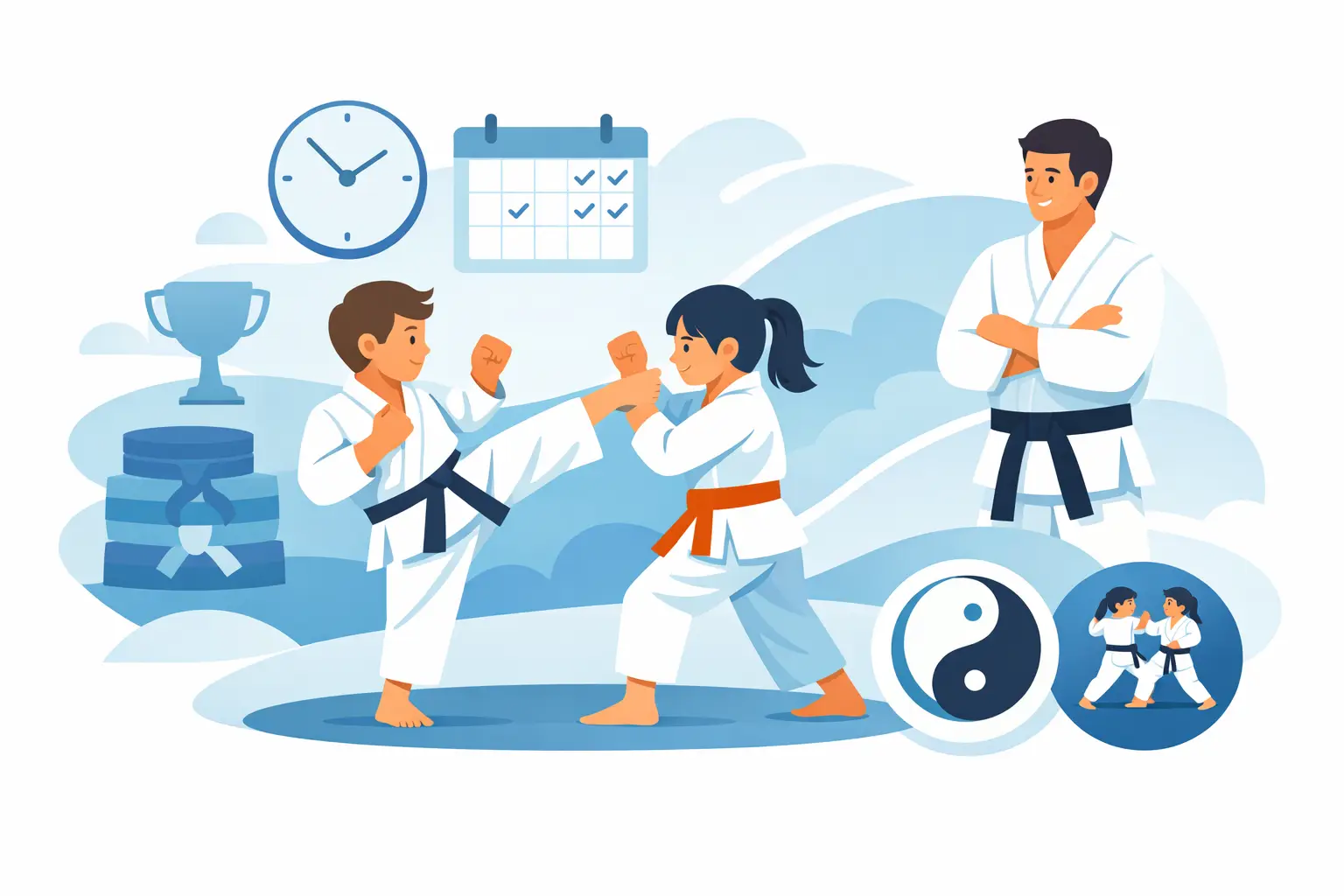
For ages 4 to 6, the right program should not look like a watered-down adult class. Young children need movement, structure, encouragement, and clear boundaries. They also need wins they can feel.
At this stage, martial arts works best when it develops attention span, body control, basic coordination, and respectful behavior. Children learn how to line up, listen, respond quickly, and stay engaged in a group setting. Those skills carry into school, home life, and social situations.
Just as important, early martial arts training can help shy children come out of their shell. A child who hesitates to participate in class or avoids speaking up often gains confidence when they experience small, steady progress in a safe environment. That progress builds from the inside out.
Hapkido classes for kids who need confidence and focus
For ages 7 to 12, parents are usually looking for more than an activity to fill time after school. They want something that helps their child grow stronger in the areas that matter most – confidence, discipline, focus, and personal safety.
This is the age when social pressure starts to hit harder. Some kids become self-conscious. Some struggle with frustration. Some deal with teasing or bullying and do not know how to respond. A strong Hapkido program gives them practical tools while also teaching judgment. Students learn when to speak up, when to create distance, and how to respond with control instead of panic.
That balance is important. Effective self-defense training is not about encouraging conflict. It is about helping children project confidence, set boundaries, and avoid becoming easy targets. When a child learns to carry themselves differently, people notice.
They also learn that discipline is not punishment. It is the ability to stay focused, keep trying, and do what needs to be done even when something feels challenging. That lesson pays off far beyond the mat.
Hapkido classes for teens and adults
Teens and adults usually come in with clearer goals. Some want real self-defense. Some want a better workout than the gym gives them. Some are looking for stress relief, mental discipline, and a stronger sense of personal confidence.
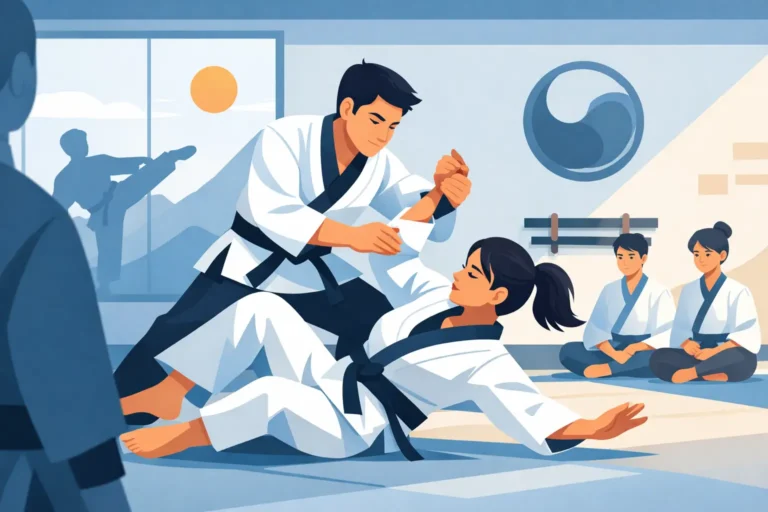
Hapkido meets those needs well because the training is both functional and demanding. It improves mobility, coordination, endurance, and awareness while teaching practical responses to common attacks and grabs. Students are not just moving for exercise. They are building skills they can actually use.
For teens, that can be especially valuable during a stage of life where pressure is high and confidence can swing wildly. Learning how to stay composed under stress, hold boundaries, and trust their training gives them a stronger foundation as they move toward adulthood.
For adults, one of the biggest benefits is that progress feels meaningful. You are not just burning calories. You are becoming harder to intimidate, more aware of your surroundings, and more prepared if life gets unpredictable.
What to look for in hapkido classes
Not all martial arts schools teach with the same purpose. If your main goal is confidence, focus, and practical self-defense, the culture of the school matters as much as the style itself.
Look for instruction that is structured, clear, and age-appropriate. Young children should be challenged without being overwhelmed. Older kids should learn discipline and self-control alongside technique. Teens and adults should be pushed in a way that feels serious but supportive.
It also helps to choose a school that understands the emotional side of training. A parent worried about bullying is not just buying classes. They are looking for reassurance that their child will become stronger in the ways that count. An adult joining for self-defense is not just looking for exercise. They want capability and confidence they can feel in daily life.
That is why many local families are drawn to Inner-Power Martial Arts. The focus is not flashy movement for show. It is helping students build real-world self-defense skills, discipline, and inner strength in a positive, community-centered environment.
The best results come with consistency
One class can inspire a student. Consistent training is what changes them.
That is true for a child learning to focus, a teen building resilience, or an adult working toward self-defense and conditioning. Real confidence comes from repetition. It comes from seeing yourself improve, handling challenges, and realizing you are capable of more than you thought.
Some students progress quickly. Others need time to settle in. That is normal. The right martial arts program respects that growth is personal while still holding every student to a strong standard. Progress is not always dramatic week to week, but over a few months the difference can be remarkable.
A quieter child starts raising their hand more at school. A student who used to freeze under pressure learns to speak firmly and move with purpose. An adult who once felt uncertain begins walking with calm confidence. Those changes are not accidental. They are earned through steady practice in the right environment.
If you are considering hapkido classes for yourself or your child, trust what you are really looking for. Most people are not just searching for kicks, belts, or another item on the weekly schedule. They are searching for confidence that shows up at school, at work, in social situations, and in moments when composure matters most. The right training does not just teach defense. It helps people feel stronger in their own skin.