A lot of parents start looking into self defense classes for kids after something shifts. Maybe their child comes home quieter than usual. Maybe recess has become stressful. Maybe confidence is slipping, focus is a struggle, or they simply want an activity that builds more than athletic ability. What most families are really searching for is not just punches and kicks. They want their child to feel stronger, safer, and more sure of themselves.
That is exactly where the right training can make a lasting difference.
Why self defense classes for kids matter
A good kids martial arts program should do more than teach movement. It should help a child carry themselves differently in everyday life. That means better posture, stronger eye contact, clearer boundaries, and the ability to stay calm under pressure. For many children, those changes show up long before any physical skill becomes advanced.
Parents are often surprised by what improves first. It may be listening at home, focus at school, or the willingness to speak up instead of shutting down. Self-defense training works because it connects the body and the mind. When kids practice controlled movements, follow direction, and succeed through repetition, they start to believe in their own ability. That belief matters.
There is also a real difference between a program that is performance-based and one that is practical. Some martial arts schools lean heavily on forms, memorization, and tradition. There is value in structure, but if your main goal is personal safety, confidence, and bullying prevention, practical training usually serves families better. Kids need age-appropriate instruction that teaches awareness, self-control, assertiveness, and simple responses they can actually remember.
What kids really gain from training
The most obvious benefit is physical confidence. Children learn balance, coordination, body control, and how to move with purpose. But for most families, the deeper benefits are emotional.
A shy child often starts to come out of their shell because they are being challenged in a supportive setting. A child with a lot of energy begins to channel it more productively. A student who tends to freeze under pressure learns that they can breathe, think, and respond. These are not small wins. They affect school, friendships, sports, and family life.
Self-defense classes can also help with bullying, but it is important to be honest about what that means. No responsible instructor should promise that martial arts magically prevents every hard situation. What training can do is reduce vulnerability. Kids who look more confident, set firmer boundaries, and know how to use their voice are often less likely to be targeted. If a situation does escalate, they are more prepared to protect themselves and get help quickly.
That combination of confidence and restraint is critical. The goal is not to create aggressive kids. The goal is to teach children how to avoid trouble when possible, stand their ground when necessary, and use physical skills only as a last resort.
What to look for in self defense classes for kids
Not every martial arts school teaches with the same purpose, and that matters more than many parents realize. A flashy class is not always an effective one. Neither is a strict class if the teaching does not connect with children.
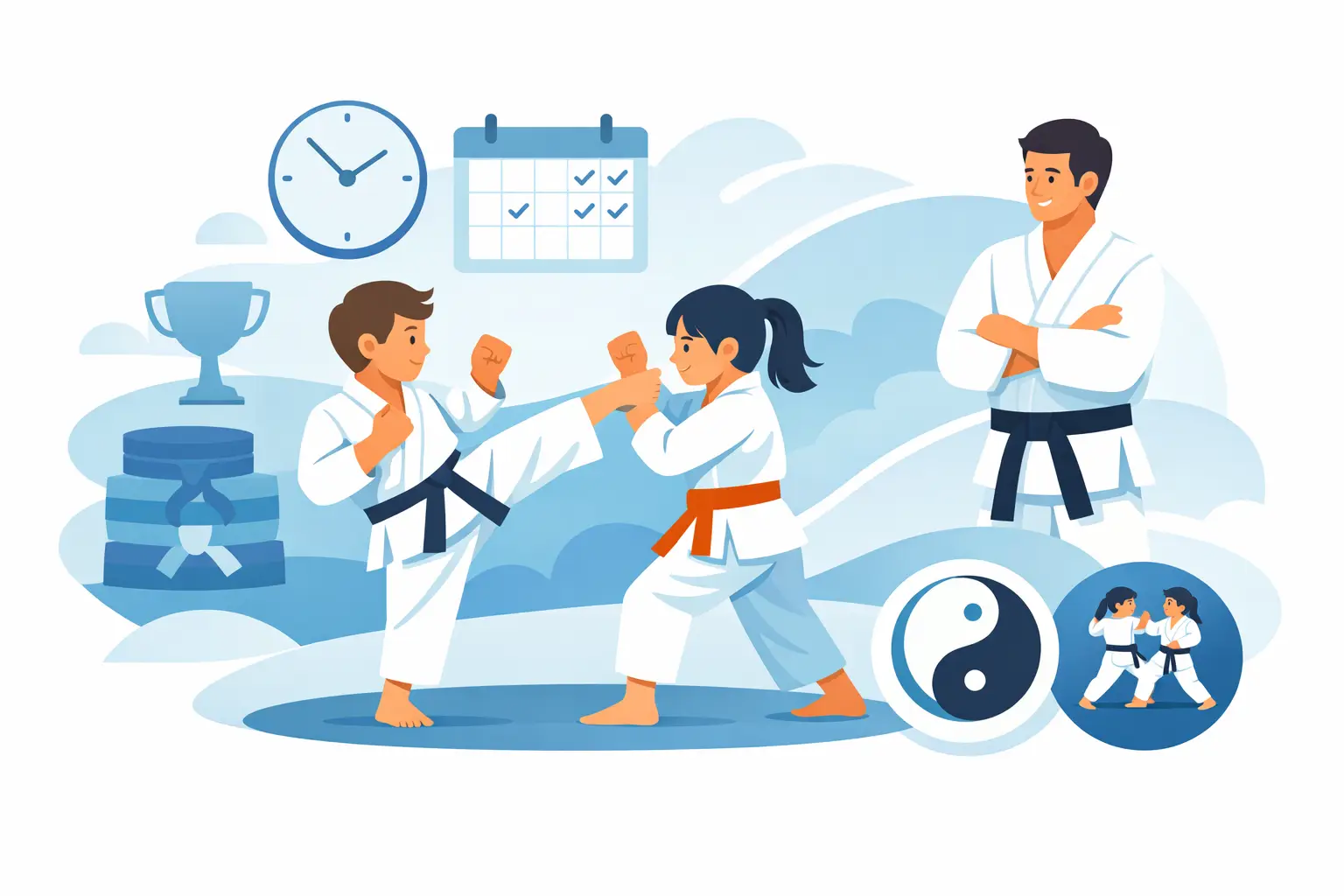
Start by looking at how the school talks about results. If the focus is entirely on belts, trophies, or looking impressive, that may not line up with what your child actually needs. A stronger program will emphasize confidence, discipline, focus, and practical self-defense in language parents can understand.
Watch how instructors manage the room. Are they in control without being harsh? Do they correct students clearly? Do they encourage effort while maintaining standards? Kids grow best in an environment that feels both safe and structured.
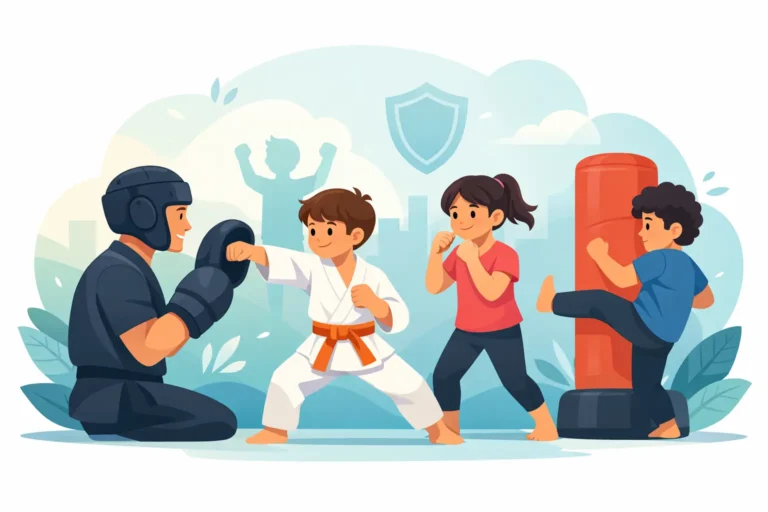
Age-specific teaching is another big factor. A 5-year-old and a 10-year-old do not learn the same way. Younger children need shorter drills, simple language, and lots of repetition. Older kids can handle more detail, more responsibility, and more realistic scenarios. When classes are built around developmental stages, students improve faster and enjoy the process more.
It also helps to ask what the school includes beyond techniques. Real self-defense for children should cover awareness, verbal assertiveness, respect, emotional control, and decision-making. If a program only teaches striking without any conversation about judgment and self-control, it is incomplete.
The best style depends on your child
Parents often ask which martial art is best, and the honest answer is that it depends. The instructor, class culture, and teaching style usually matter more than the label on the door.
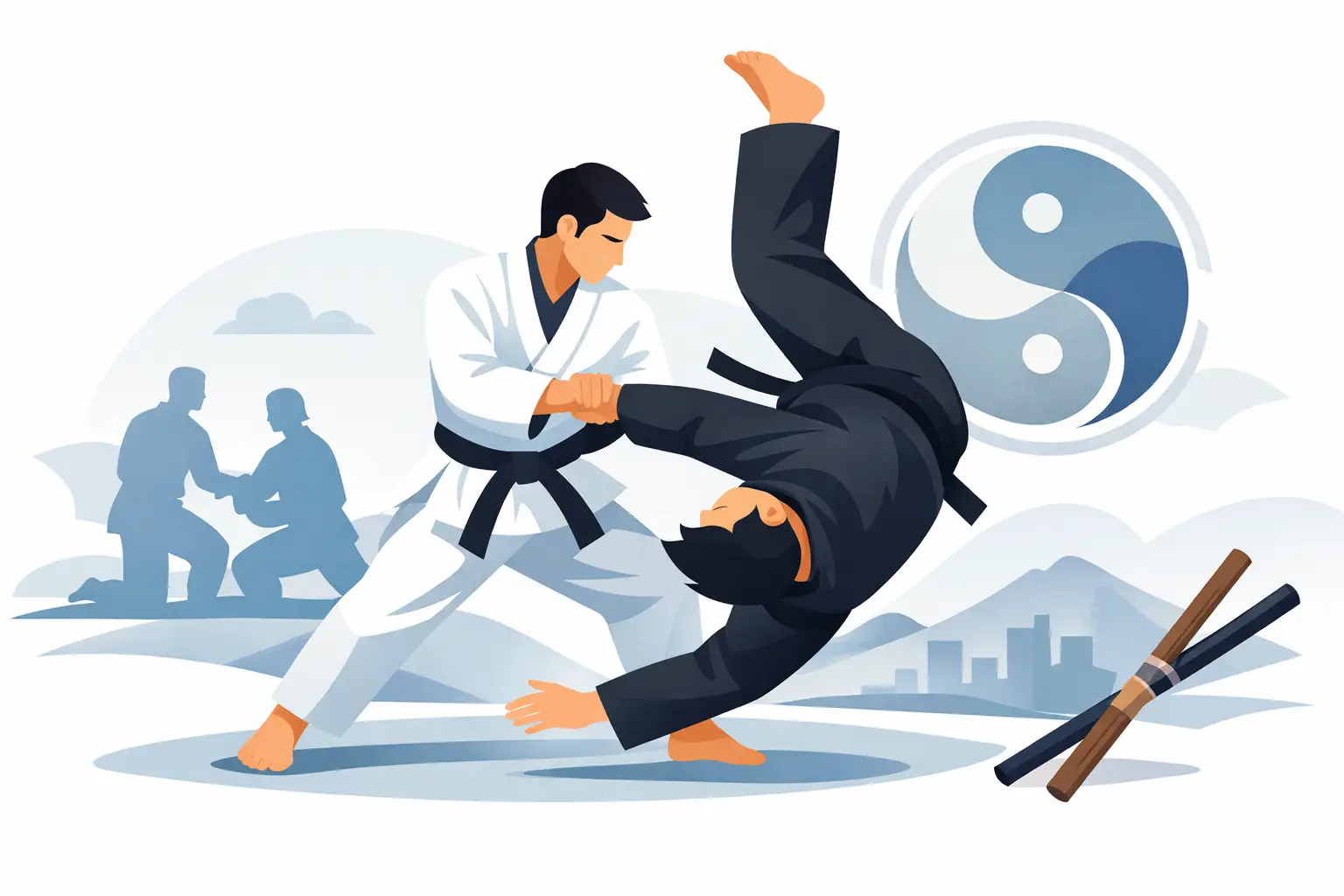
That said, practical systems tend to be a strong fit for families who want real-world self-defense. Hapkido-based training, for example, can be especially valuable because it combines striking, movement, control, and situational awareness in a way that feels applicable to everyday life. It is not just about performing techniques. It is about learning how to respond when space, timing, and emotions are all factors.
Some children thrive in highly traditional programs with lots of ritual and repetition. Others do better in classes that are more direct, dynamic, and clearly tied to real-life situations. If your child has struggled with bullying, fear, or low confidence, a practical and supportive training environment often makes the biggest impact.
Signs a class is the right fit
You do not need your child to become fearless overnight. In fact, expecting instant transformation can create pressure that gets in the way of progress. What you want to look for is steady change.
At first, that may mean your child walks into class a little less nervous. Then they start answering louder. Then they make stronger eye contact. Then they begin telling you about what they learned instead of shrugging off the question. Confidence usually builds in layers.
A strong class should challenge kids, but it should not overwhelm them. If a child leaves every session frustrated or intimidated, something is off. On the other hand, if class feels like unstructured play with no correction, they may not be getting the discipline and skill-building you came for. The best programs strike a balance. Kids feel supported, but standards stay high.
Parents should also pay attention to how a school handles character. Respect should be taught consistently, not just mentioned on a website. Students should learn to listen, wait their turn, control impulses, and treat others well. These are life skills, and they are often part of why martial arts becomes such a turning point for children.
Why local families often stay long term
When families find the right martial arts school, they usually stay for more than one reason. The first is progress. Kids enjoy seeing themselves improve, and parents love seeing that growth carry into daily life. The second is community. Children do better when they train in a place where they are known, encouraged, and held accountable.
For families in Howell and nearby Monmouth County towns, that local connection matters. Parents want instructors who understand what kids are dealing with in school, with peers, and in their own confidence struggles. They want a place that feels welcoming, but still serious about results.
That is one reason programs with age-specific tracks tend to work so well. Younger children need a foundation of listening, coordination, and confidence. Elementary-age students are ready for more technical skill, more personal responsibility, and a clearer understanding of boundaries and safety. At Inner-Power Martial Arts, that kind of progression is built into the training, which helps students grow without getting lost in a one-size-fits-all class.
A smart next step for parents
If you are considering classes, trust what you have already noticed about your child. If they need confidence, structure, focus, or practical self-defense skills, it is worth exploring a program that teaches those outcomes directly. Ask questions. Watch a class. Notice whether the instruction feels purposeful.
The right training will not just teach your child how to defend themselves. It will help them carry themselves with more strength, more awareness, and more self-belief wherever they go. And for many parents, that is the real reason this decision matters so much.
A child who feels capable walks through the world differently, and that kind of inner strength can change far more than what happens on the mat.