A lot of people picture self-defense as flashy moves, high kicks, and choreographed techniques that look great in a demo. Real world self defense is the opposite. It is simple, direct, and built for the kind of moments that happen fast – in a parking lot, at school, at a party, walking to your car, or dealing with someone who is getting too aggressive too close.
That distinction matters, especially for parents. If your child is shy, getting picked on, or freezing under social pressure, they do not need a martial arts program that only teaches memorized forms. They need training that builds posture, awareness, assertiveness, and the confidence to respond under stress. Adults need the same thing. When a situation feels unsafe, nobody rises to a fantasy. They fall back on what they have actually practiced.
What real world self defense really means
Real world self defense starts before any physical technique. The first layer is awareness. Not paranoia, just the ability to notice what is happening, recognize warning signs, and make smarter decisions earlier. Most dangerous situations give off clues before they become physical. Someone closes distance too quickly. A stranger ignores verbal boundaries. A classmate keeps testing limits. A group dynamic starts to shift in the wrong direction.
The second layer is presence. Confident body language changes how people treat you. That is true for a child dealing with a bully and for an adult walking alone after work. Standing taller, making eye contact, speaking clearly, and moving with purpose can discourage problems before they start. This is one reason quality martial arts training changes more than physical ability. It changes how students carry themselves.
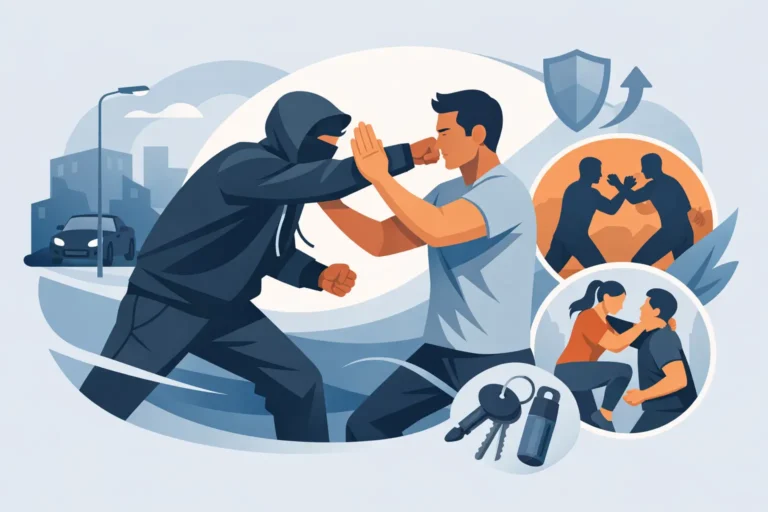
The third layer is practical response. If a situation does become physical, the goal is not to win a movie fight. The goal is to create space, stay balanced, protect yourself, and get safe. That sounds simple because it should be. Under pressure, simple skills hold up better than complicated ones.
Why real world self defense is different from traditional training
Traditional martial arts can offer discipline, fitness, and character development. Those are real benefits. But not every school teaches with everyday safety in mind. Some programs spend most of their time on forms, point-style sparring, or highly cooperative drills. There is nothing wrong with those methods if that is the goal. The problem comes when students believe that performance-based training automatically prepares them for real confrontation.
It does not always work that way.
Real world self defense training asks harder questions. What if the other person is bigger? What if the attack is sudden? What if there is no room to move? What if fear kicks in and fine motor skills disappear? What if the student is a child who has never had to use a firm voice under pressure?
That is why practical systems place such a strong emphasis on gross-motor movement, distance control, verbal boundaries, balance, escapes, and follow-through. Students need skills they can remember when their heart rate spikes and adrenaline hits.
Confidence is not a bonus – it is part of self-defense
Parents often start by looking for protection, but what they really want is confidence. They want their child to stop shrinking in social situations. They want them to speak up, focus better, and stop looking like an easy target. Those outcomes are not separate from self-defense. They are a huge part of it.
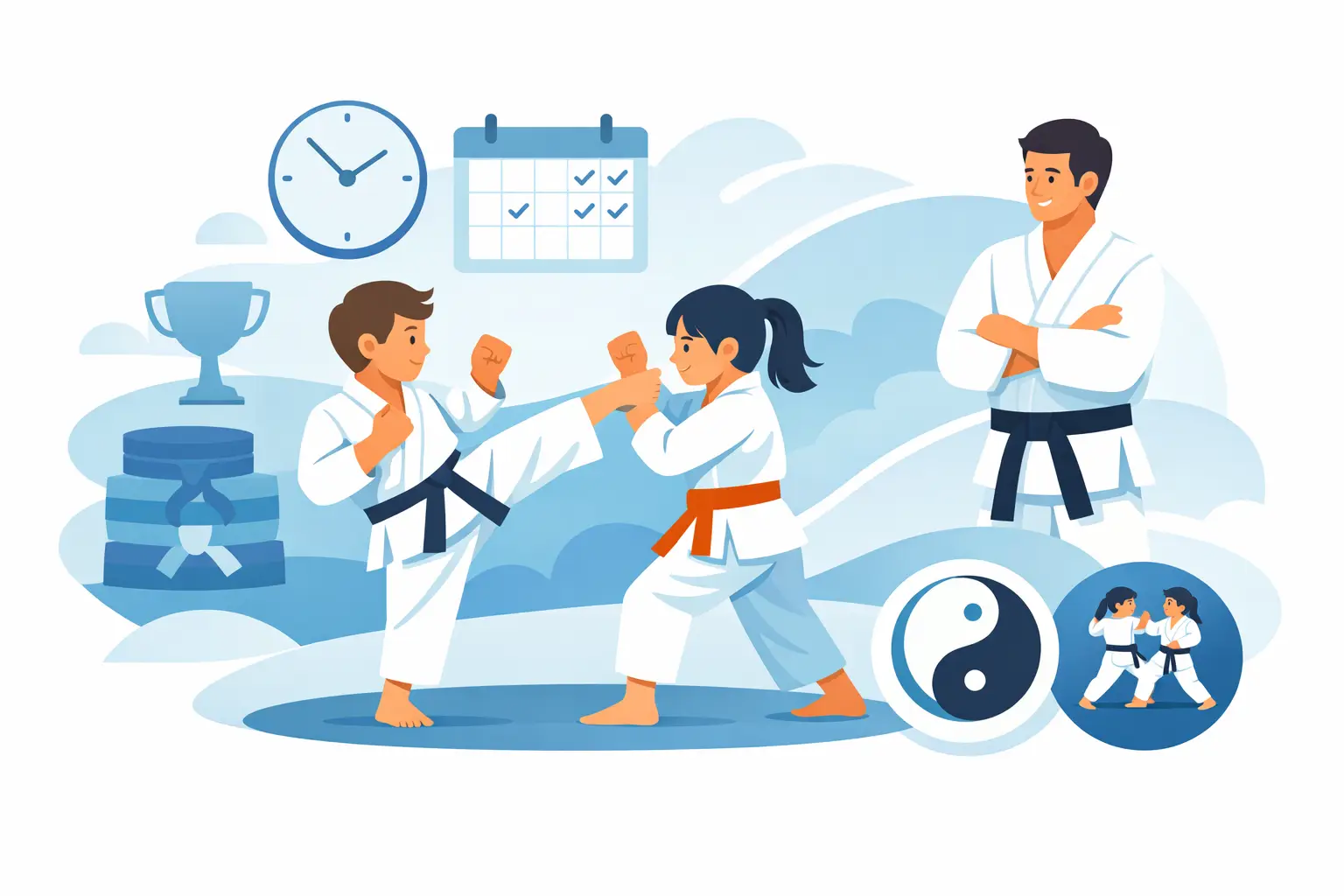
Children who train in a practical, structured environment learn how to handle discomfort. They practice listening, responding, staying composed, and working through challenge instead of shutting down. Over time, that shows up at school, at home, and with peers. A child who used to avoid eye contact may begin answering with a strong voice. A child who was easily intimidated may start setting clear boundaries.
That change is powerful because most bullying does not begin with a punch. It begins with pressure, testing, and repeated attempts to see who will back down. A child with stronger presence and better assertiveness often interrupts that cycle early.
For teens and adults, confidence matters just as much. College students, working professionals, and parents all benefit from training that makes them less hesitant, more aware, and more prepared to act decisively if needed. The physical skills matter, but the mindset is often what changes first.
The most useful self-defense skills are not always the most exciting
People are often surprised to learn what practical training focuses on. It is not usually spinning techniques or flashy combinations. It is the unglamorous material that saves people trouble.
That includes learning how to manage distance, how to break free from common grabs, how to stay on your feet, how to protect the head, how to use your voice, and how to move with intention under pressure. It also includes understanding when to disengage, when to seek help, and when escape is the smartest option.
For younger students, that may look like drills around personal space, confident posture, anti-bullying responses, and age-appropriate escape skills. For older students, it may include more realistic scenarios involving grabs, close-range threats, and the chaos of an unplanned confrontation.
The trade-off is that practical training can feel less theatrical. It may not look as impressive to an outside observer. But the right question is not, does it look exciting? The right question is, can this student use it when scared, surprised, and under pressure?
Why Hapkido fits real world self defense so well
Hapkido-based training is especially well suited for real-world application because it addresses the messy range where many confrontations actually happen. Not at a long distance with perfect timing, but up close, off-balance, and under stress.
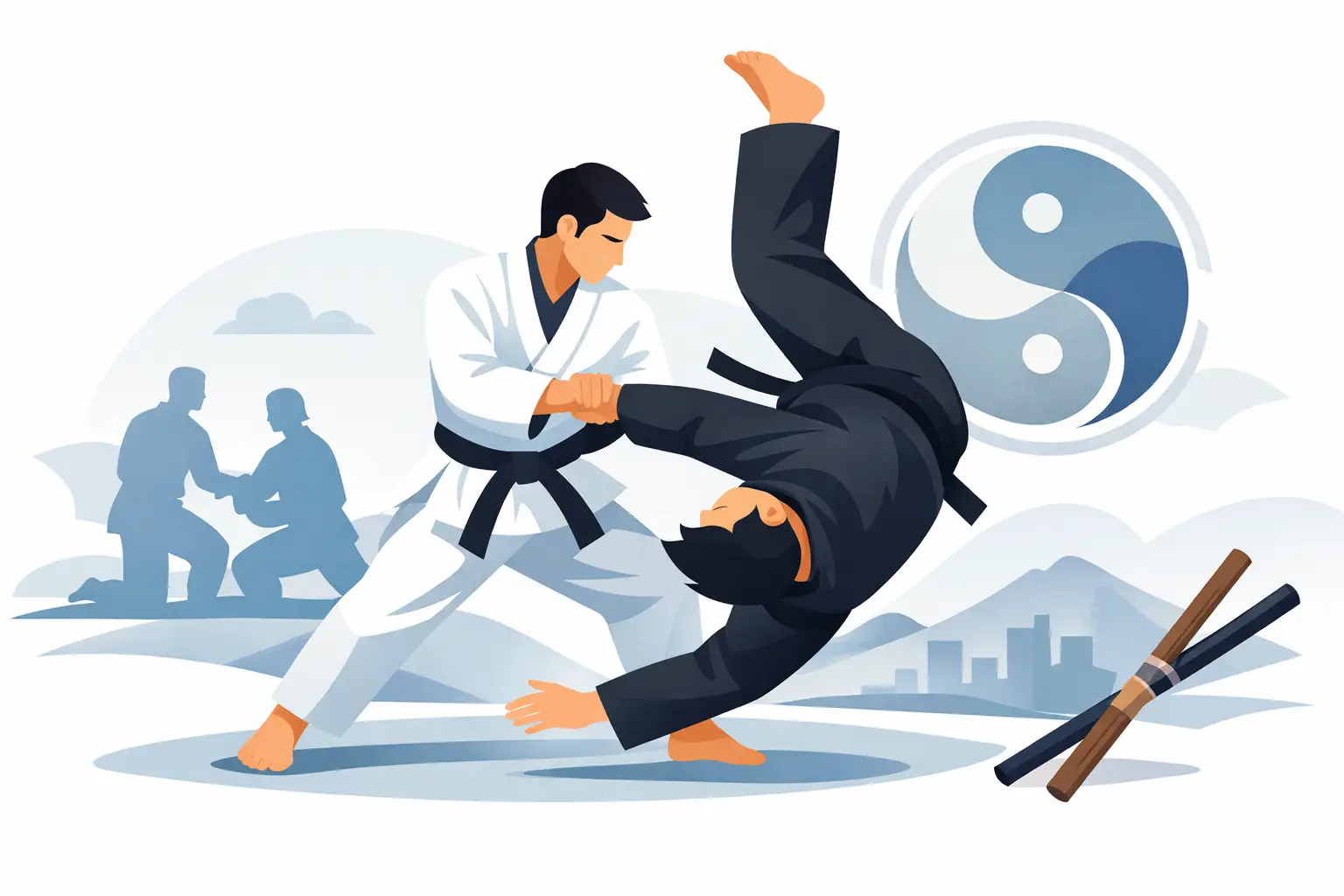
A strong Hapkido program teaches students how to redirect force, control space, escape holds, and respond from awkward positions. It blends striking, movement, leverage, and practical defense in a way that makes sense for everyday situations. Just as important, it can be taught in age-appropriate layers, which matters for families.
A 5-year-old does not need the same training as a teenager. A nervous 10-year-old being bullied needs a different approach than an adult looking for practical protection and fitness. Good instruction meets students where they are, then builds them step by step.
That is part of what makes Inner-Power Martial Arts so valuable for local families. The goal is not just to teach techniques. The goal is to develop stronger, more confident people who know how to carry themselves and protect themselves in everyday life.
What parents should look for in a real world self defense program
If you are evaluating programs for your child, watch what the school emphasizes. Do instructors talk about confidence, awareness, and assertiveness, or only belts and routines? Are students learning how to handle bullying and social pressure, or just memorizing sequences? Does the training look organized and age-appropriate? Do the instructors balance discipline with encouragement?
Also pay attention to how students behave, not just how they perform. The best programs produce children who look more focused, more respectful, and more self-assured. You should be able to see the difference in how they stand, listen, and respond.
For teens and adults, ask whether the training includes scenario-based application, practical escapes, and pressure-tested fundamentals. Fitness is important, but fitness alone is not self-defense. A strong program should help students think clearly, move decisively, and stay functional under stress.
The truth about safety – there are no guarantees
Honest self-defense instruction should never promise invincibility. Size matters. Surprise matters. Environment matters. So does judgment. The purpose of training is not to erase risk. It is to improve awareness, increase confidence, and give students better options when a situation goes wrong.
That honesty is important because it builds trust. Real world self defense is not about ego. It is about preparation. Sometimes the right response is verbal. Sometimes it is escape. Sometimes it is physical action delivered fast and decisively. It depends on the situation, the person, and the level of threat.
What training can do, and do remarkably well, is reduce hesitation. It can help a child stop freezing. It can help a teen stop second-guessing. It can help an adult move from anxious and uncertain to calm and capable.
That is the real value. Not fear. Not fantasy. Just steady, practiced confidence that carries into school, work, relationships, and everyday life.
When self-defense is taught the right way, students do not just learn how to protect themselves. They learn how to walk through the world with more focus, more discipline, and more inner strength – and that may be the skill that changes everything.