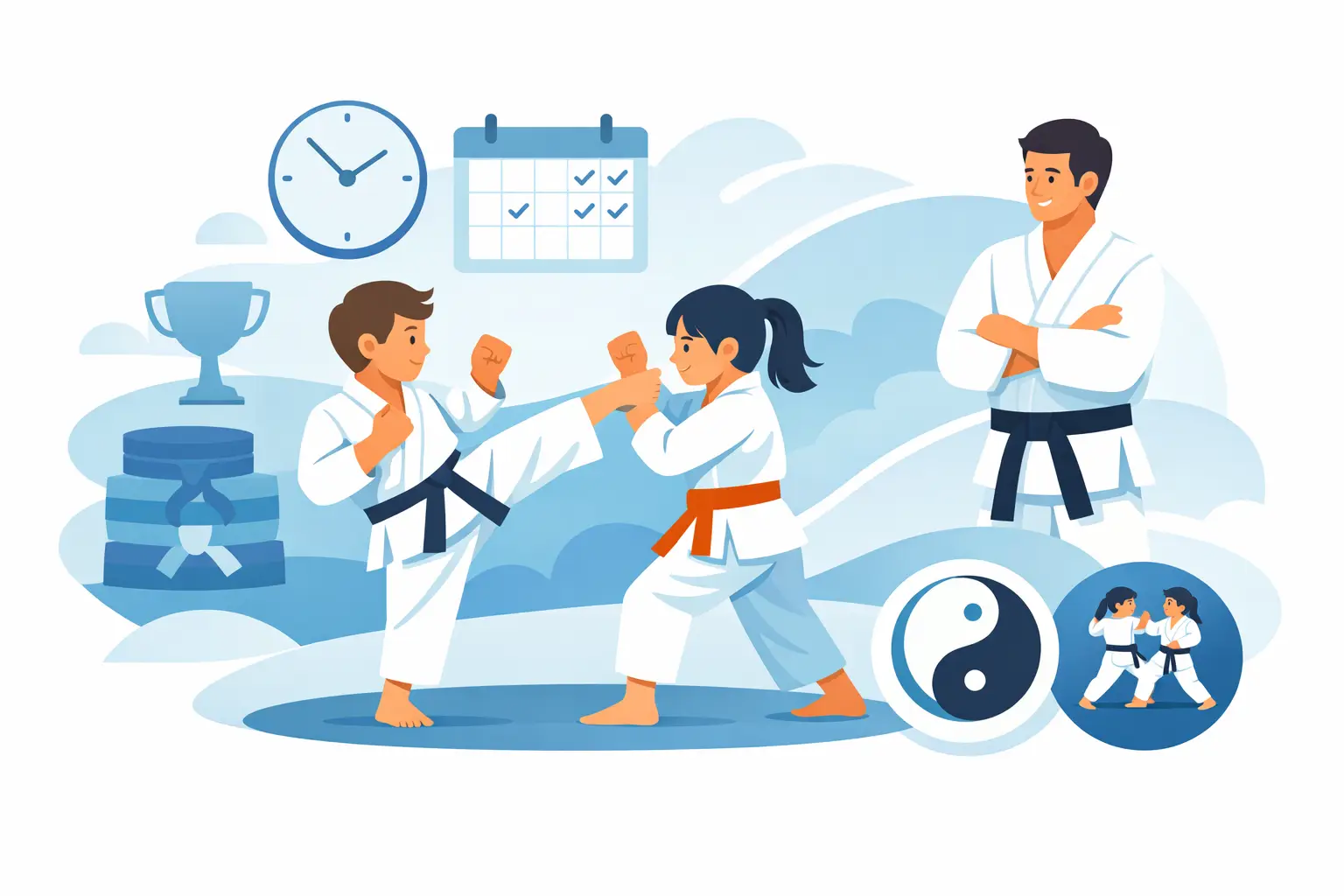
Most people do not hesitate because they are lazy. They hesitate because walking into a martial arts school for the first time can feel intimidating. If you have been wondering how to start martial arts, the real first step is simpler than most people expect – find a program that makes you feel safe, supported, and challenged for the right reasons.
That matters whether you are a parent looking for a confidence-building activity for your child or an adult who wants practical self-defense and a stronger sense of control. The best start is not about finding the hardest class or the flashiest style. It is about finding training that fits your goals and gives you a clear path forward.
How to start martial arts without feeling overwhelmed
A lot of beginners assume they need to get in shape before they start. They think they need better flexibility, more confidence, or some natural toughness first. In reality, martial arts is often the place where those qualities begin to grow.
If your child is shy, gets discouraged easily, or has trouble standing up for themselves, the right martial arts program can help them develop focus, discipline, and assertiveness in a structured way. If you are a teen or adult, training can become a practical outlet for stress while also teaching you how to move with more awareness and confidence.
The key is to start with the right expectation. You are not supposed to know everything on day one. You are supposed to begin.
Choose a school based on outcomes, not hype
This is where many families make a mistake. They focus on uniforms, trophies, or big promises, but overlook the most important question: what kind of change will this training create?
Some schools lean heavily on performance, forms, or tradition. That can be a great fit for some students. But if your main goal is real-world self-defense, stronger confidence, better focus, or help with bullying prevention, you need a school that trains with those outcomes in mind.
Look at how classes are structured. Are beginners welcomed or left to figure things out on their own? Do instructors correct students with patience and authority? Is the atmosphere disciplined without being harsh? For children, this balance is especially important. A good program should build them up, not break them down.
For adults, the same principle applies. You want serious instruction, but you also want a place where you can learn at your own pace without feeling judged. A strong school creates challenge with purpose.
Know what you want from training
When people ask how to start martial arts, they often jump straight to style. Style matters, but your reason for training matters more.
If your child needs better listening skills, emotional control, and confidence in social situations, that should shape your decision. If your teen is preparing for college and wants practical self-defense along with discipline and resilience, that is a different need. If you are an adult looking for stress relief, fitness, and skills that make sense in everyday life, you should choose a program that reflects that reality.
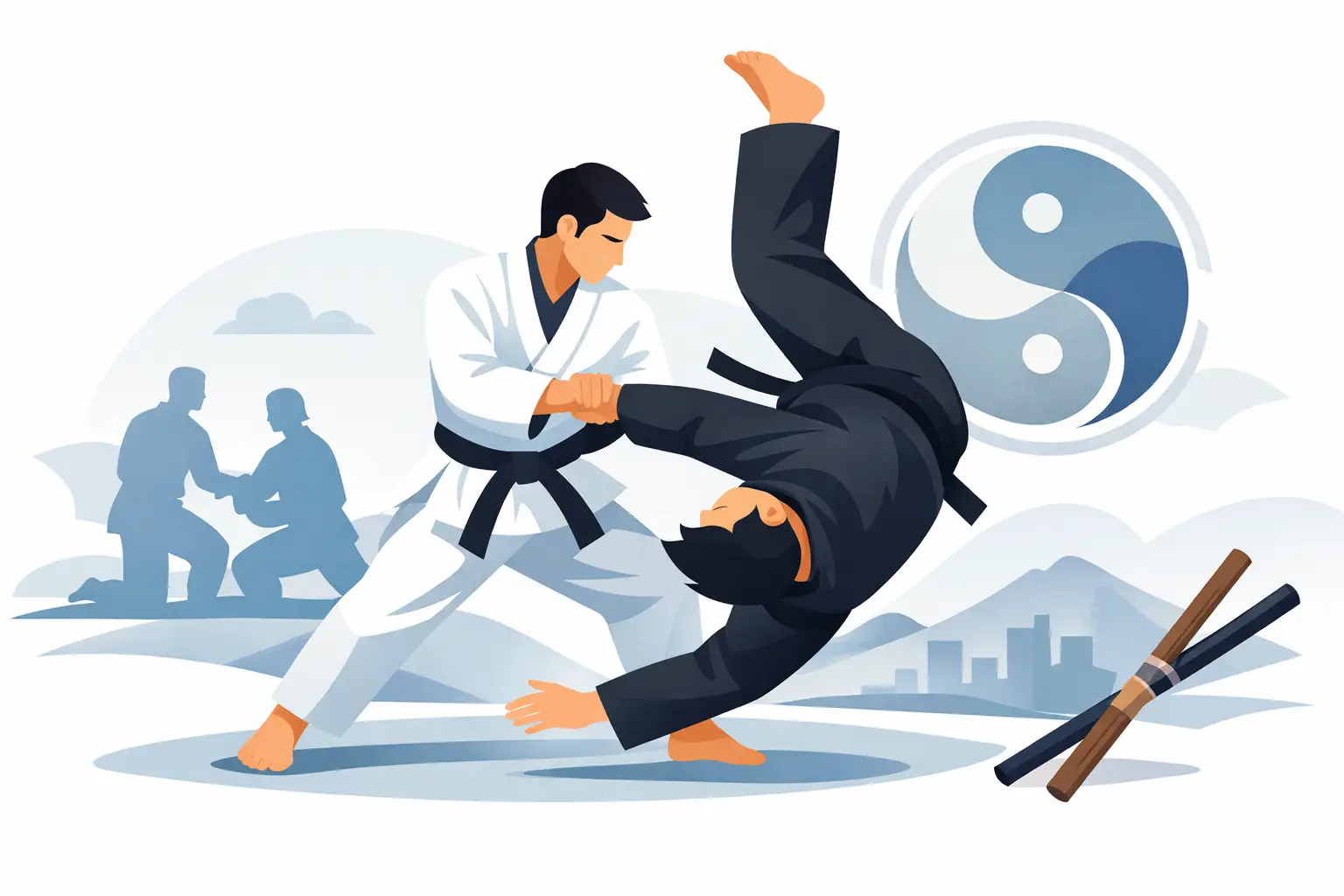
This is one reason practical systems often appeal to families. Hapkido-based training, for example, can be especially valuable because it combines self-defense, movement, coordination, and confidence-building in a way that feels useful beyond the mat. Instead of focusing only on performance, it can help students develop habits that carry into school, work, and daily life.
Start with the beginner class that matches your age and stage
One of the easiest ways to have a bad first experience is to join a class that is not designed for your age or ability. Good schools avoid this by grouping students appropriately.
Young children need a different training approach than older kids. They respond best to classes that build attention span, body control, listening, and respect in a fun but structured setting. Elementary-age students can handle more technical instruction, but they still need encouragement and clear expectations. Teens and adults usually want more direct coaching, practical application, and training that feels relevant to real situations.
This is why age-specific programs matter. A four-year-old should not be taught like a ten-year-old, and a beginner adult should not be expected to train like someone with years of experience. Progress happens faster when students feel capable, not overwhelmed.
What to expect in your first few weeks
The first few classes are usually less about perfection and more about adjustment. You are learning how the class flows, how to follow instruction, how to move safely, and how to stay mentally engaged.
Children may need a little time to settle in. That is normal. Some are excited immediately. Others stand close to the edge and watch before participating fully. What matters is not whether they look confident on day one. What matters is whether the environment helps them build confidence over time.
Adults often go through their own version of this. You might feel awkward at first. You may forget combinations or get tired faster than expected. None of that means martial arts is not for you. It means you are new, and every skilled student once started at the same point.
A quality instructor sees that and guides you through it without lowering standards.
The gear, the cost, and the commitment
You do not need to overcomplicate the practical side of getting started. Most beginners only need comfortable workout clothing at first, unless the school provides specific guidance. Once you decide to continue, you may need a uniform or basic training gear.
Cost is worth thinking through honestly. The cheapest option is not always the best value, especially if the instruction is inconsistent or the program lacks structure. At the same time, a higher price only makes sense if it comes with expert coaching, a strong culture, and clear student development.
Commitment matters too. Progress in martial arts does not come from showing up once in a while when it is convenient. Confidence, discipline, and self-defense skill are built through repetition. Two students can take the same class, but the one who trains consistently will experience a very different result.
How to start martial arts as a parent choosing for your child
Parents are often not just choosing an activity. They are trying to solve a deeper problem. Maybe their child is being overlooked socially. Maybe they struggle with focus. Maybe they shut down easily when challenged. Maybe they need a healthier outlet than screens and distractions.
Martial arts can help, but only if the program is intentional. You want instructors who understand child development, not just technique. You want a class that teaches respect and boundaries, but also helps children find their voice. The goal is not to create aggression. The goal is to create calm confidence.
That is a major difference. A child who feels stronger inside tends to carry themselves differently outside the school. Bullies often notice that. Teachers notice it too. Parents usually see it at home first in the form of better posture, better listening, and more willingness to try hard things.
Starting as a teen or adult takes courage too
A lot of adults postpone training for years because they think they missed their chance. They assume martial arts is only for people who started young. That simply is not true.
Starting later can actually come with advantages. Adults usually have clearer reasons for training. They want to feel safer. They want to get stronger. They want to relieve stress and sharpen their focus. Those motivations can create real consistency.
Teens benefit for similar reasons. Martial arts gives them a place to channel energy, develop discipline, and build self-respect during a stage of life where confidence can rise and fall quickly. Practical training helps them feel more prepared, not just more active.
For families in the Howell area, that kind of training environment is exactly why schools like Inner-Power Martial Arts matter. The right academy does more than teach kicks and punches. It helps students become harder to intimidate and easier to believe in.
The best first step is to begin before you feel ready
If you have been waiting for the perfect moment, this is the reminder that progress usually starts earlier than confidence does. The child who seems timid today can become focused and brave. The adult who feels out of shape today can become stronger and more capable. But none of that happens by thinking about training from a distance.
The best martial arts journey starts with one class, one decision, and one willingness to learn. You do not need to prove anything before you begin. You only need a place that will help you grow into the person you want to become.