A child who freezes when another kid gets too close. A teen who wants confidence walking to class or work. An adult who knows fitness matters, but wants training that actually applies in real life. That is exactly where a guide to practical hapkido techniques becomes useful – not as a movie version of self-defense, but as a smart, teachable system built around control, awareness, and everyday safety.
Hapkido works because it does not rely on size, aggression, or flashy movement. It teaches students how to stay balanced under pressure, create space, redirect force, and respond with purpose. For families, that matters. For adults, it matters even more. Real self-defense is not about looking impressive. It is about staying calm enough to make good decisions when something feels wrong.
What makes this guide to practical hapkido techniques different
A lot of martial arts content focuses on forms, tradition, or techniques that only make sense in a controlled setting. Practical Hapkido is different. It starts with situations people actually worry about: wrist grabs, unwanted pressure, bullying, close-range confrontation, poor posture under stress, and the inability to react quickly when fear kicks in.
That does not mean every technique is meant for every student. A six-year-old does not need the same tactical response as an adult. A shy ten-year-old may first need voice, posture, and boundary-setting before learning a physical escape. A teen or adult may be ready to build more detailed skills around redirection, takedown prevention, and control. The best training matches the student, not just the system.
The foundation of practical Hapkido techniques
Before any strike, escape, or joint control, Hapkido begins with fundamentals that make everything else work. The first is balance. If a student loses posture the moment someone pushes or grabs them, even a good technique can fail. Strong stance, stable foot placement, and body awareness are what turn a movement from theory into something reliable.
The second foundation is distance management. Many people panic because they do not understand space. They either stay too close or retreat without control. Hapkido teaches students to recognize when to step off-line, when to close distance to stop a stronger attack, and when to create enough space to disengage safely.
The third is timing. In real life, techniques do not happen on perfect cues. A student needs to feel pressure, read movement, and respond early enough to avoid getting overwhelmed. That takes repetition, but it also takes confidence. When students trust what they have practiced, hesitation drops.
Practical Hapkido techniques for real-world self-defense
One of the most useful categories in Hapkido is the escape from common grabs. Wrist grabs are simple, but they teach a bigger lesson. The goal is not to yank harder than the other person. The goal is to move through the weak point of the grip, use body alignment instead of arm strength, and immediately reposition to safety. For kids, this is powerful because it proves they do not need to overpower someone to get free.
Another core skill is redirection. When force comes straight in, many beginners try to stop it head-on. Hapkido teaches the opposite. Angles matter. Circular motion matters. A student learns to guide pressure away from their center, which makes defense more efficient and less dependent on strength. That is one reason the style appeals to a wide range of students, including those who are not naturally big or athletic.
Low-impact striking also has a place in practical Hapkido. This should be taught responsibly and with context. The point is not to encourage fighting. The point is to give students a reliable way to interrupt pressure long enough to escape. Palm strikes, controlled knee strikes, and targeting with purpose can create that opening. In a quality program, these skills are taught alongside judgment, restraint, and situational awareness.
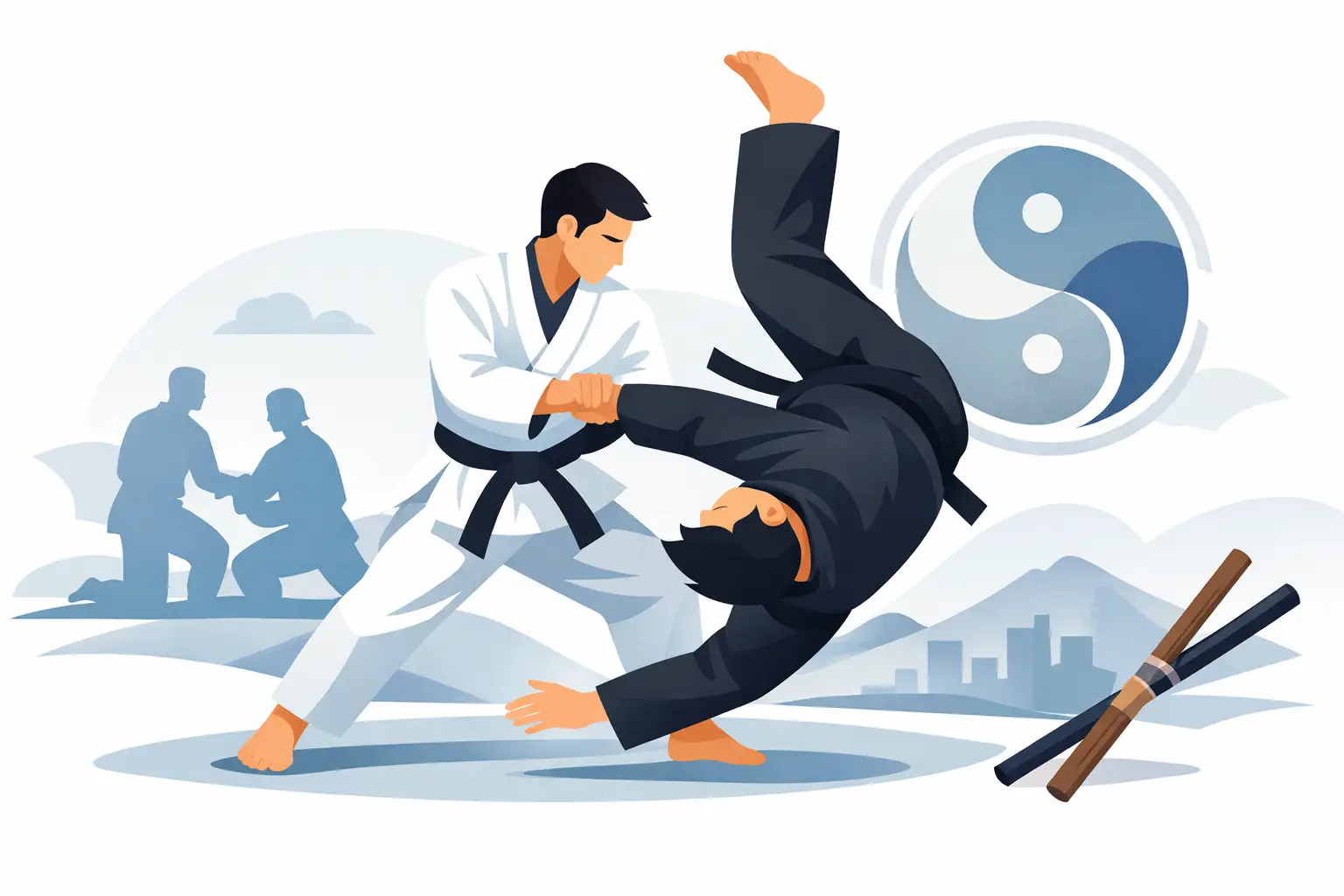
Joint control is another hallmark of Hapkido, but this is where good instruction matters most. In theory, wrist locks and standing controls look simple. In practice, they require precision, timing, and safe supervision. For younger students, the value often comes less from applying a complex lock and more from learning leverage, posture, and directional control. For teens and adults, these techniques become more realistic when trained gradually and responsibly.
Why practical Hapkido works well for kids
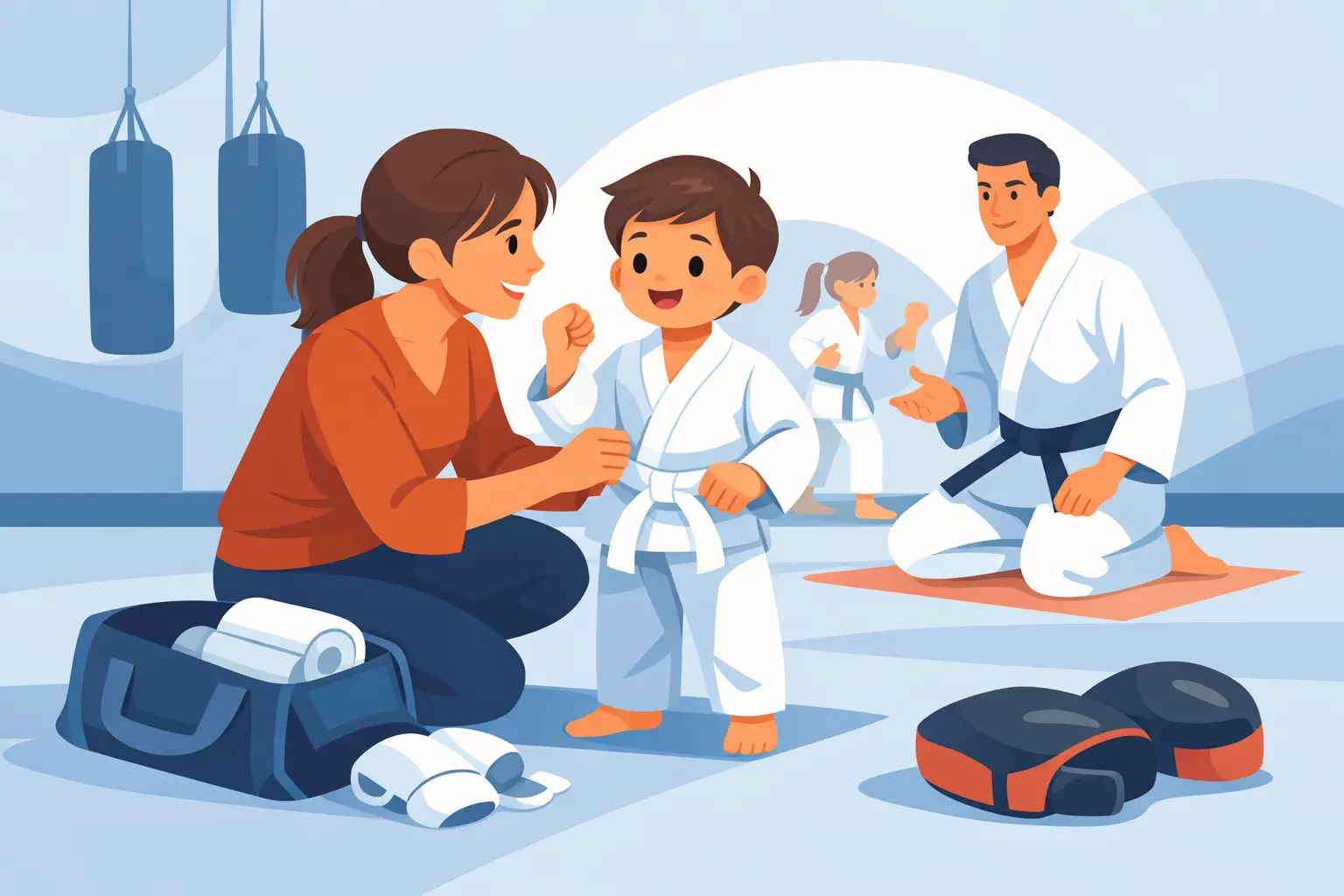
For children, self-defense starts before physical contact. A practical program teaches how to stand tall, use a strong voice, recognize unsafe behavior, and avoid getting trapped in a bad situation. Those are not small skills. In many cases, they are the most important skills a child will ever learn.
That is why Hapkido can be so effective for kids dealing with bullying, shyness, or low confidence. A child who learns how to keep their hands up, keep their feet under them, and respond clearly under pressure begins to carry themselves differently. Bullies notice hesitation. They also notice confidence.
The technical side still matters, but it should be age-appropriate. Younger students benefit from simple escapes, breakfall basics, movement drills, and clear defensive reactions. They do not need a complicated catalog of techniques. They need repetition, structure, and wins they can feel. When a child realizes, I know what to do here, that confidence starts showing up at school, at home, and in every social setting.
Teens and adults need realism, not theatrics
Teen and adult students usually come in with different concerns. Some want self-defense before college. Some want to feel safer after a frightening experience. Some simply want training that is more practical than hitting pads without context. In each case, the same principle applies: useful technique must hold up under pressure.
That is where scenario-based drilling becomes important. Can the student escape a grab when surprised? Can they maintain balance when pulled? Can they protect themselves without escalating unnecessarily? These questions matter more than how many techniques someone can memorize.
There are trade-offs, of course. Complex joint manipulations may be impressive, but under stress, simpler responses are often more dependable. High kicks may build flexibility, but they are rarely the first choice in a close-range self-defense situation. Good training is honest about that. It respects the art while staying focused on what works when adrenaline is high.
A guide to practical Hapkido techniques should include mindset
Technique without mindset breaks down fast. A student may know the movement, but still freeze if they are not used to pressure. That is why practical Hapkido training should build emotional control as much as physical skill.
Students need to learn how to breathe under stress, how to stay present, and how to make fast decisions without panic taking over. For kids, that can look like learning to speak up and act with confidence. For adults, it may mean replacing uncertainty with calm, structured responses. In both cases, the result is the same: more control in moments that used to feel overwhelming.
This is also why consistent training matters more than occasional effort. Confidence is not built by reading about self-defense once. It is built through repetition, coaching, correction, and the steady feeling of improvement. At Inner-Power Martial Arts, that process is what helps students grow stronger without becoming reckless, and more assertive without losing discipline.
What to look for in training practical Hapkido techniques
If the goal is real-world benefit, the training environment matters just as much as the style. Look for instruction that emphasizes safety, awareness, posture, movement, and controlled practice. Look for coaches who can adapt techniques for different ages and body types. A good school should be able to explain not just what a student is doing, but why it works and when it should be used.
It also helps to look at the broader outcome. Are students becoming more focused? More resilient? More confident in how they carry themselves? For parents, those changes are often the clearest sign that training is working. For adults, the result may show up in steadier posture, lower stress, and a stronger sense of personal capability.
Practical Hapkido is not about collecting techniques. It is about building habits that protect you – balanced movement, sharp awareness, calm reactions, and the confidence to act when it counts. The strongest students are not the ones who want a fight. They are the ones who know how to avoid one, handle pressure if they must, and walk through life with more inner strength than fear.