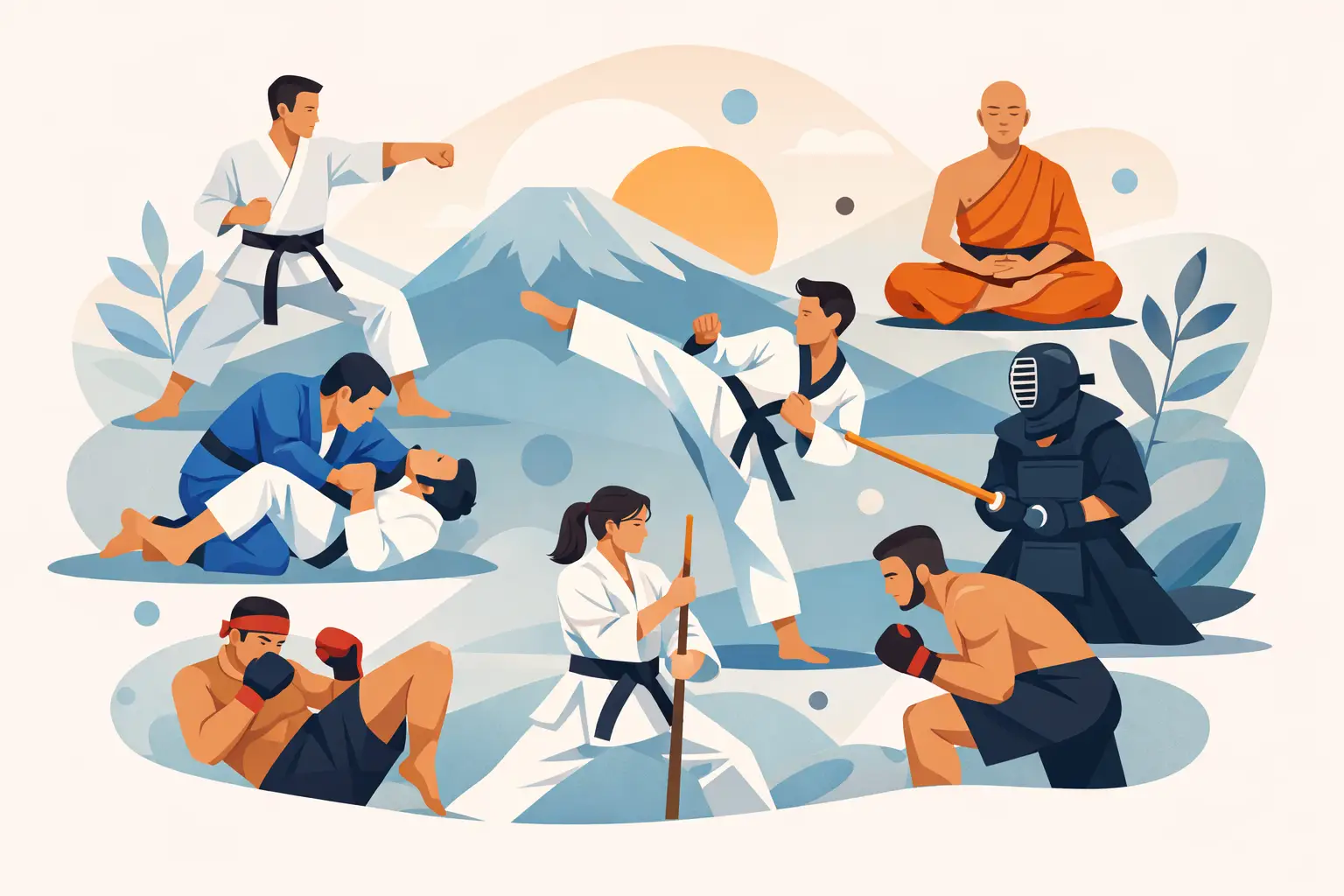
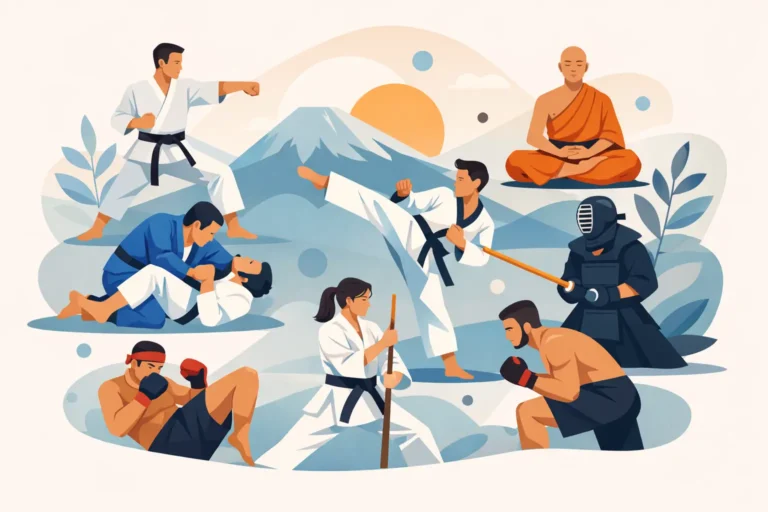
When a child melts down over homework, struggles to listen, or shuts down under pressure, parents usually are not just looking for an activity. They are looking for a place that teaches structure, respect, focus, and follow-through. That is why so many families start searching for the best martial arts for discipline, hoping to find something that builds stronger habits both on and off the mat.
The good news is that martial arts can absolutely help with discipline. The harder truth is that not every style teaches it in the same way, and not every school brings out the same results. Discipline is not created by uniforms, belts, or loud commands. It comes from consistent expectations, meaningful challenges, and instructors who know how to turn nervous energy into confidence.
What makes the best martial arts for discipline?
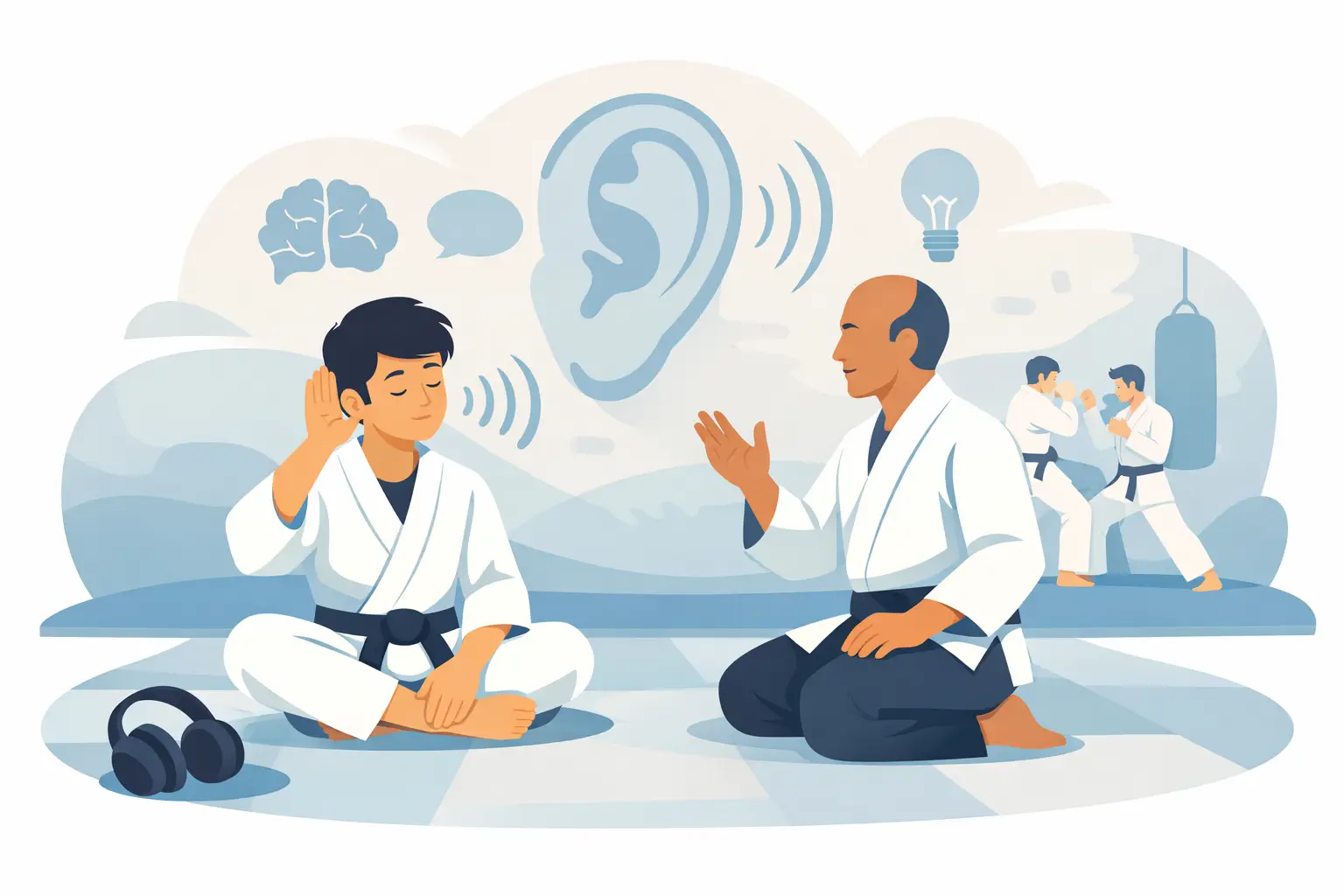
Discipline in martial arts is more than standing still and saying “yes, sir” or “yes, ma’am.” Real discipline shows up when a student learns to control impulses, stay focused, keep going when something is difficult, and respond calmly instead of emotionally. For kids, that can mean better listening, improved behavior, and more confidence in social situations. For teens and adults, it often means stronger self-control, better stress management, and the ability to stay composed under pressure.
The best martial arts for discipline usually share a few traits. They have structure. They require repetition. They teach respect clearly. They also give students a reason to care. If training feels disconnected from real life, some students go through the motions without growing much. If it feels purposeful, discipline sticks.
That is one reason practical self-defense systems often stand out. When students understand why they are learning to move, pay attention, and stay calm, they tend to take training more seriously.
1. Hapkido
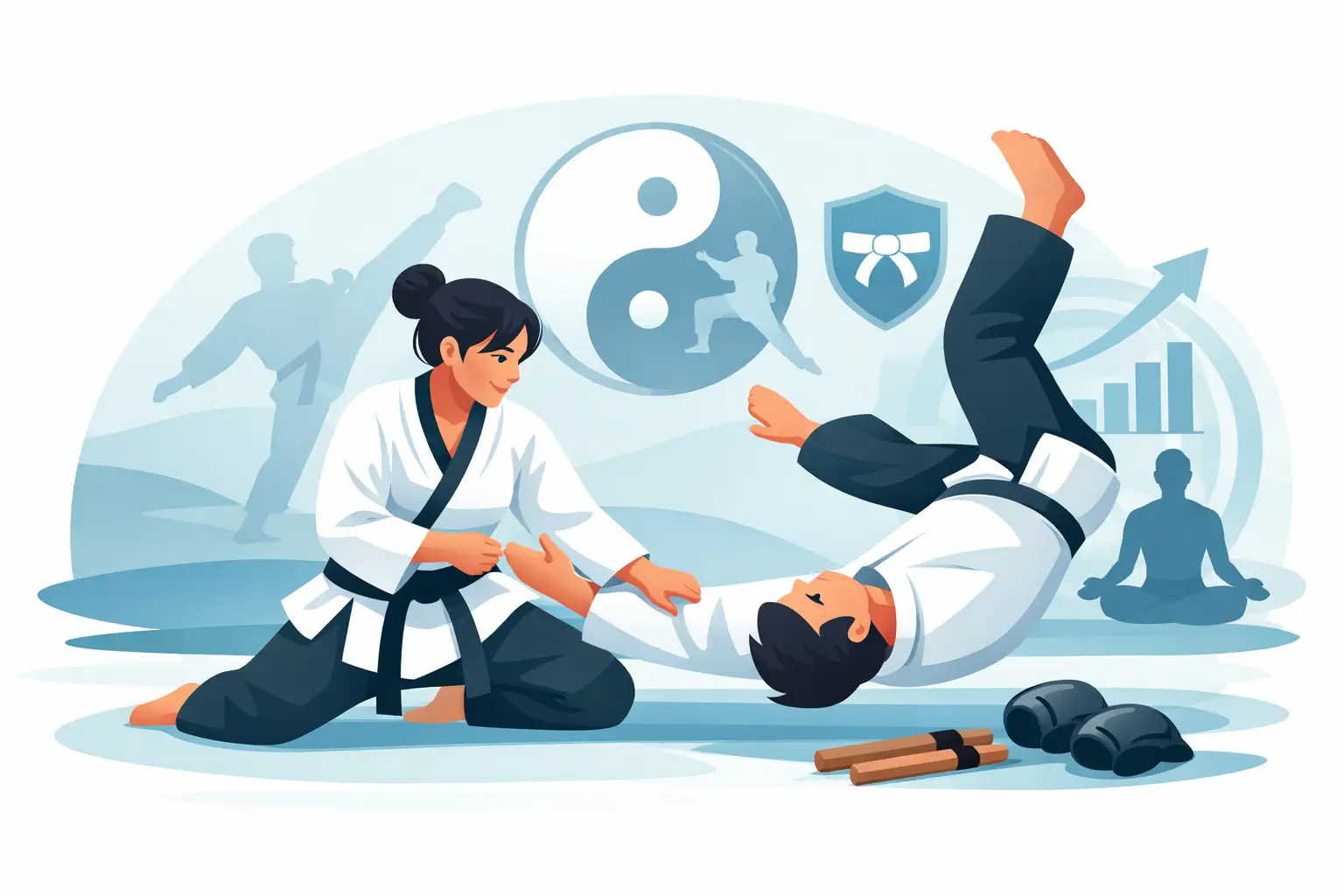
Hapkido is one of the strongest choices for discipline because it combines structure with real-world purpose. Students learn strikes, escapes, control techniques, balance, awareness, and self-defense strategies that make sense outside the classroom. That practical focus matters, especially for children who need more than memorization to stay engaged.
Discipline develops naturally in Hapkido because students must listen carefully, control their movements, and stay mentally present. They are not just performing routines. They are learning timing, decision-making, and how to manage themselves in stressful situations. That creates a deeper kind of discipline – the kind built on self-control rather than fear of punishment.
For many families, this is the sweet spot. Kids gain structure and respect, but they also gain assertiveness and confidence. Teens and adults benefit too, especially if they want training that improves mindset and personal safety at the same time.
2. Taekwondo
Taekwondo is often recommended for children, and for good reason. It is highly structured, visually engaging, and usually taught with clear rank progression. Many students respond well to that format because they can see progress and understand expectations.
The discipline benefits in Taekwondo often come from repetition, etiquette, and goal-setting. Students bow, line up, follow instructions, and work steadily toward belt promotions. For children who need routine and motivation, that can be very effective.
The trade-off is that some Taekwondo schools lean heavily toward sport or forms. That is not automatically bad, but it may not connect as strongly for students who need practical relevance to stay focused. It depends a lot on the school and the teaching style.
3. Karate
Karate has a long reputation for building discipline, and much of that reputation is deserved. Traditional karate training often emphasizes respect, posture, self-control, and repetition. Students are expected to pay attention, follow directions precisely, and show discipline in how they move and behave.
For some children, especially those who benefit from routine and clear boundaries, karate can be an excellent fit. It can also help shy students come out of their shell because they gain confidence in a structured environment.
Still, karate varies widely from school to school. Some programs are highly traditional and form-heavy, while others are more modern and self-defense-oriented. Parents should look beyond the style name and ask how discipline is actually taught in class.
4. Brazilian Jiu-Jitsu
Brazilian Jiu-Jitsu teaches discipline in a different way. Instead of relying on strict formality, it teaches patience, problem-solving, and composure. Students learn that forcing things rarely works. They have to stay calm, think clearly, and make adjustments.
That kind of discipline can be powerful, especially for kids who are impulsive or easily frustrated. Jiu-Jitsu gives them immediate feedback. If they rush, panic, or stop paying attention, it shows. Over time, many students become more controlled and more resilient.
The downside is that Jiu-Jitsu classes are not always the best first fit for every child seeking structure. Some programs are less formal, and discipline may come more from live training than from classroom-style order. That can be excellent for the right student, but not every family is looking for that approach.
5. Judo
Judo is another strong option for discipline because it teaches respect, control, and balance under pressure. Students learn throws, falls, grappling, and timing, but they also learn how to handle physical challenge without panic.
One of judo’s strengths is that it demands attention and body awareness. Students cannot be careless. They have to follow directions, stay safe, and work with partners responsibly. That builds maturity and control.
Judo can be especially helpful for children who need to develop confidence without becoming aggressive. It teaches them how to stay grounded, literally and emotionally.
6. Muay Thai
Muay Thai is often associated with toughness, but good Muay Thai training also builds serious discipline. The conditioning is demanding, the technique requires repetition, and progress comes from consistency. Students learn very quickly that effort matters.
For teens and adults, Muay Thai can be excellent for discipline because it strips away excuses. You show up, you work, and you improve over time. It builds grit, focus, and humility.
For younger children, the fit depends on the school. Some youth programs do a great job teaching self-control and respect. Others are more fitness-driven. If discipline is the main goal, families should make sure the culture is as strong as the workouts.
7. Boxing
Boxing is sometimes overlooked in this conversation, but it can build discipline remarkably well. Good boxing training requires footwork, timing, conditioning, and mental sharpness. It teaches students to stay calm, protect themselves, and think while under pressure.
The reason boxing ranks a little lower for some families is not because it lacks value. It is because many parents want a broader personal development system with more emphasis on etiquette, rank progression, and character language. Boxing can absolutely build discipline, but it may not package it in the same visibly structured way as some traditional martial arts.
Which martial art is best for discipline in kids?
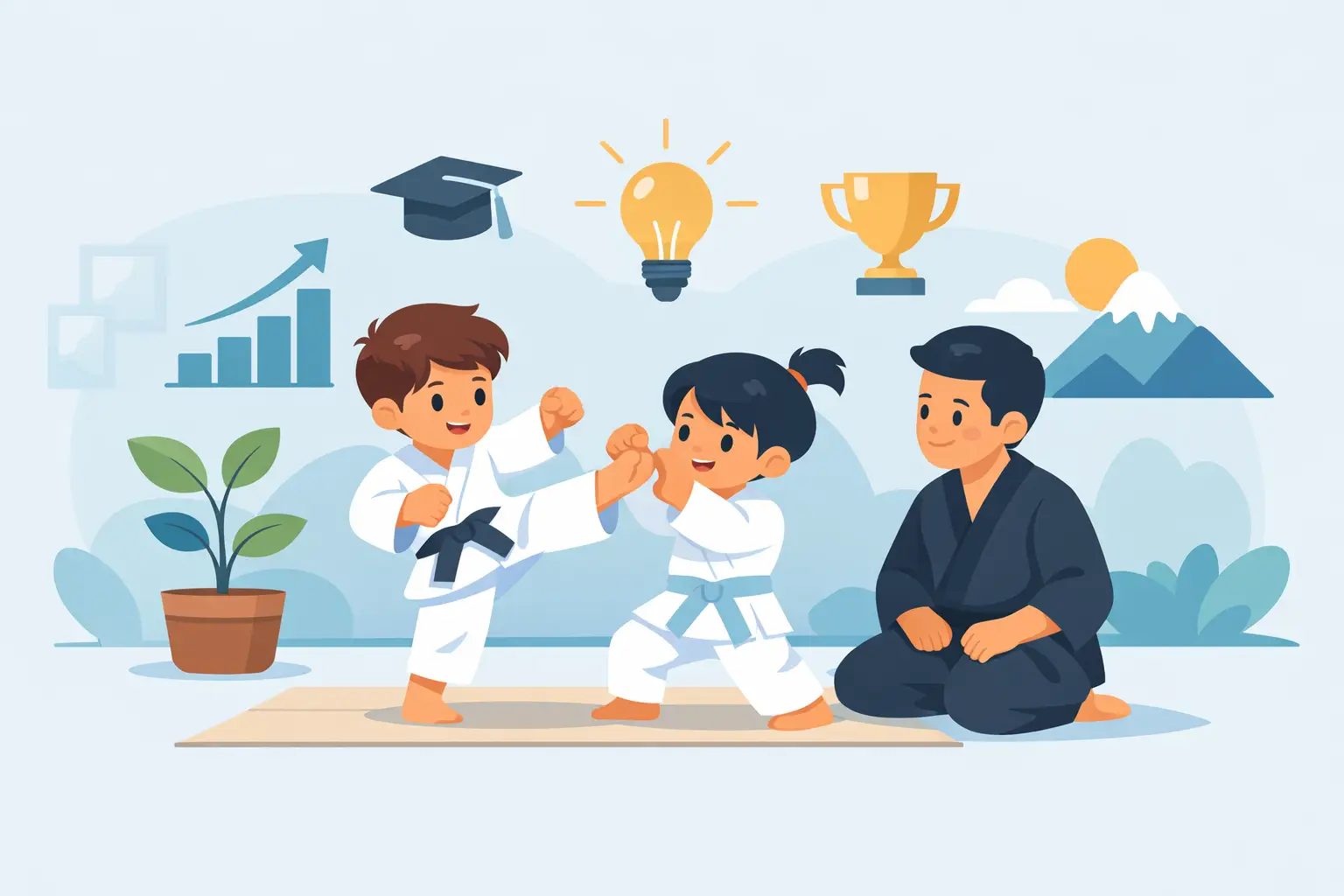
For most kids, the best style is the one that keeps them engaged while holding them to a high standard. A child who is bored will not become more disciplined. A child who feels overwhelmed may shut down. The right program should challenge them, but in a way that builds wins over time.
If your child struggles with focus, confidence, or bullying concerns, practical martial arts often work especially well because the training feels meaningful. When kids see that discipline helps them stand taller, speak more confidently, and protect themselves, they tend to buy in more fully.
That is why many families are drawn to Hapkido-based training. It blends respect and structure with realistic self-defense, which helps students understand that discipline is not about being rigid. It is about becoming capable.
How to choose the right school, not just the right style
This is where many families get tripped up. They compare martial arts styles as if the name alone determines the outcome. In reality, the instructor, class culture, and teaching method matter just as much.
A great school teaches discipline with consistency, not intimidation. It sets expectations clearly. It corrects students firmly but respectfully. It helps shy children build confidence instead of making them feel small. And it shows students that effort, attitude, and perseverance matter every class.
If you are evaluating programs, pay attention to what happens when a student loses focus. Are they redirected with purpose? Do instructors know how to work with different personalities? Does the class feel organized, encouraging, and serious in the right ways? Those details tell you far more than a style label on a website.
For families in Monmouth County, this matters even more because most parents are not just looking for an after-school activity. They want a place where their child can become more focused at home, more respectful in school, and more confident in everyday life. That kind of change comes from the right environment, not just the right technique.
At Inner-Power Martial Arts, that belief shapes everything. Discipline is not treated like a buzzword. It is built through practical training, clear standards, and the kind of encouragement that helps students grow stronger from the inside out.
The best martial art for discipline is the one that teaches students how to carry themselves well when nobody is reminding them. That is the kind of discipline that lasts – in the classroom, at home, and in the moments that matter most.