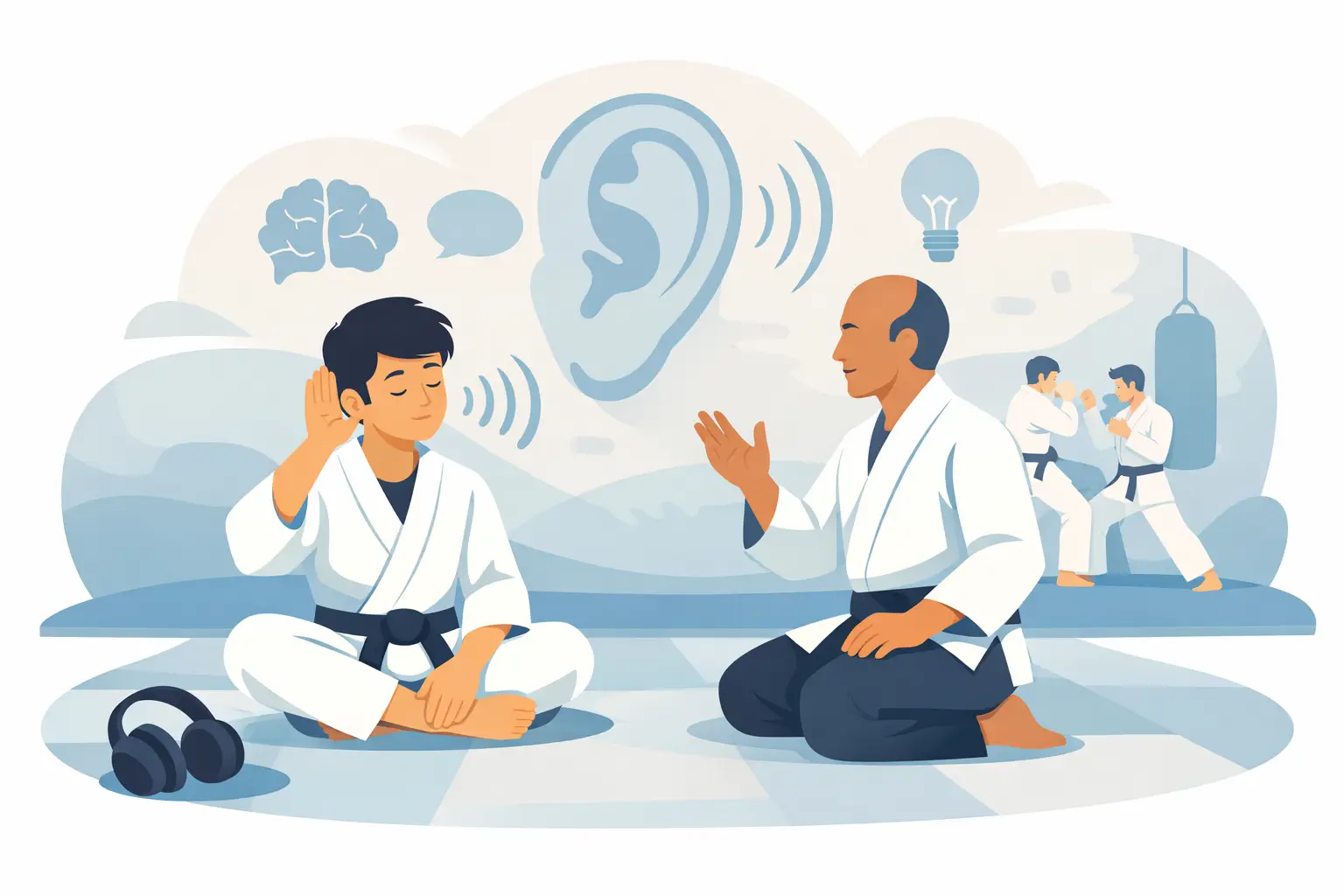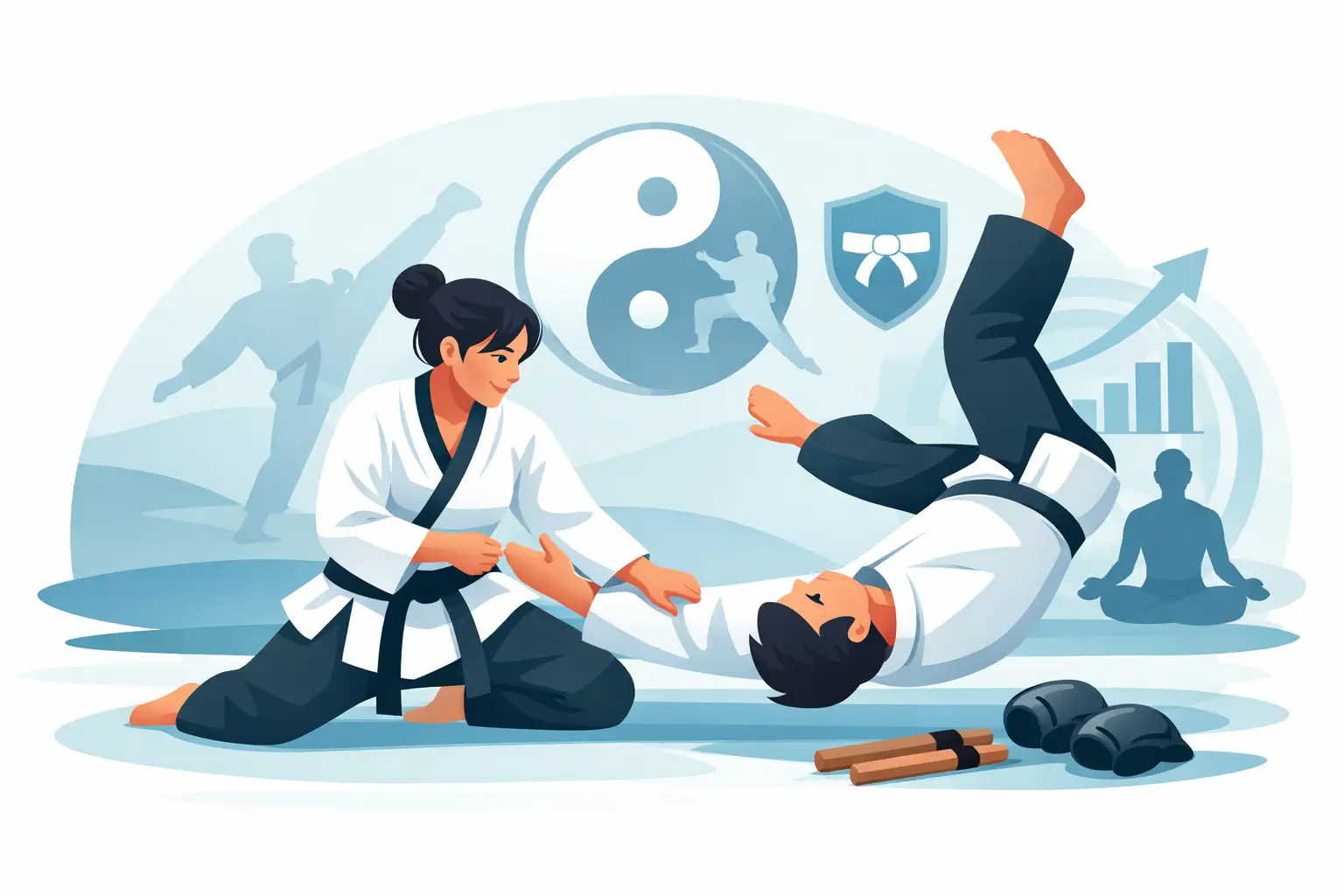
A child misses the first instruction, looks around to copy everyone else, and falls one step behind for the rest of class. A teen hears only half of a correction and repeats the same mistake three times. An adult knows the technique, but reacts a second late because they were thinking instead of listening. That is exactly why families often look to improve listening skills martial arts training can strengthen in a real, visible way.
Listening is not just about being quiet. In a strong martial arts class, it means hearing direction the first time, processing it under pressure, and responding with control. For kids, that can mean better focus at school and more self-control at home. For teens and adults, it often means sharper awareness, better decision-making, and more confidence in stressful moments.
Why martial arts helps improve listening skills
Many parents already know the pattern. Their child is bright, energetic, and capable, but gets distracted easily, misses instructions, or struggles to stay locked in when the environment gets busy. Telling a child to listen better rarely solves the problem by itself. Listening is a skill, and like any skill, it improves with repetition, structure, and accountability.
Martial arts gives that structure in a way many activities do not. Students are asked to watch carefully, listen closely, and act with purpose. The feedback is immediate. If they miss part of the direction, the technique does not work right. If they stay focused, they feel the difference right away.
That matters because listening becomes connected to success. It is no longer an abstract rule from a parent or teacher. It becomes part of movement, timing, safety, and progress.
Improve listening skills martial arts students use every class
In a well-run class, listening is trained from the first minute to the last. Students line up, respond to cues, follow movement sequences, and adjust based on instructor feedback. These moments may look simple from the outside, but they build several layers of attention at once.
First, students practice active listening. They are not just hearing words. They are matching words to action. When an instructor says to step, turn, block, and reset, students learn to hold a sequence in mind and carry it out accurately.
Second, they build selective attention. Martial arts classes are active places. There is movement, sound, and energy. Students learn to focus on the right voice and the right cue even when other things are happening around them.
Third, they develop response control. Good listening includes not rushing. Many students, especially younger ones, want to move before they fully understand the instruction. Martial arts teaches them to pause, listen, then act. That small habit makes a big difference in behavior, confidence, and safety.
Why this matters for kids beyond the mat
For children, better listening is tied to far more than class behavior. It affects school performance, social confidence, and emotional control. A child who can focus on instructions is often more prepared to handle transitions, complete tasks, and respond calmly when expectations are clear.
This is especially important for kids who are shy, impulsive, or easily overwhelmed. Martial arts gives them a setting where expectations stay consistent. They know when to watch, when to move, when to speak, and when to reset. That consistency helps many children feel secure enough to improve.
Parents often notice changes outside the school first. Their child starts following directions with less repetition. They interrupt less. They make better eye contact. They begin to understand that listening is part of being strong, not just part of being obedient.
That distinction matters. Strength without self-control is unreliable. Confidence built on discipline lasts much longer.
The connection between listening and self-defense
At Inner-Power Martial Arts, practical self-defense is a major part of the conversation, and listening fits directly into that mission. Real-world safety depends on awareness, judgment, and the ability to respond quickly to clear instruction.
A student who listens well is usually more coachable, more aware of their surroundings, and more prepared to make good decisions under pressure. That applies whether they are learning a wrist escape, practicing distance management, or working on verbal assertiveness.
Listening also supports bullying prevention. Children who pay attention to tone, body language, and instruction are often better at reading situations early. They are more likely to recognize when a problem is building and use the right response before things escalate.
Of course, martial arts is not magic. A child will not become calm and focused overnight, and not every student improves at the same pace. Some need more repetition. Some need shorter, clearer directions. Some need time to build trust before they fully engage. Good instruction recognizes those differences while still holding a high standard.
What effective instruction looks like
Not every martial arts program develops listening in the same way. Some classes are loud but loosely structured. Others are so rigid that students shut down instead of learning. The best environment sits in the middle. It is warm, clear, and disciplined.
Students need instructors who give direct instructions, demonstrate clearly, and expect follow-through. They also need encouragement. When a student struggles to listen, the answer is not embarrassment. It is correction, repetition, and consistent expectations.
For younger children, this often means short instruction cycles followed by immediate practice. For older students, it may include more layered coaching, where they listen to a concept, apply it, then adjust based on feedback. In both cases, the goal is the same. Listening becomes part of how they improve, not just how they behave.
What parents can watch for
If you are looking for a martial arts program to help your child grow in focus and discipline, watch what happens during class transitions. That is where listening habits become obvious.
Do students respond when the instructor speaks, or does it take repeated reminders? Are corrections clear and respectful? Do students know what to do next, or are they wandering and guessing? A strong class has energy, but it also has direction.
It also helps to notice how instructors handle different personalities. Some students are naturally attentive. Others are energetic, hesitant, or easily distracted. A quality program does not expect every child to learn the same way, but it does teach every child to meet the standard.
For parents of teens and adults, the same idea applies. Good listening training should feel practical, not childish. It should sharpen reaction time, improve coachability, and build confidence in real situations.
How adults improve listening skills in martial arts too
Adults sometimes assume listening drills are mainly for kids. They are not. Adults often bring their own barriers into class, including stress, mental clutter, and the habit of overthinking.
Martial arts challenges that. You have to hear the instruction, trust it, and apply it with timing. If you are halfway focused on work, your phone, or what happened earlier in the day, it shows up immediately in your movement.
That is one reason so many adults find training mentally refreshing. It requires full attention. Over time, that can improve not only technical performance but patience, awareness, and confidence in daily life. Better listening becomes part of being more present.
There is a trade-off, of course. Adults who want fast progress sometimes get frustrated when corrections feel repetitive. But repetition is where listening turns into instinct. The students who grow the most are often the ones who stop treating feedback as criticism and start treating it as a tool.
The long-term benefit is confidence you can see
When students improve their listening, the result is not just a quieter class. It is a more capable person. Kids begin to carry themselves with more control. Teens become more responsive and mature. Adults move with more awareness and less hesitation.
That kind of growth shows up in small moments first. A child answers clearly instead of mumbling. A teen follows through the first time. An adult stays calm, listens, and adjusts instead of getting flustered. Those moments add up.
Martial arts works because it turns values into habits. Focus is practiced. Discipline is visible. Confidence is earned. Listening is one of the clearest examples because the improvement does not stay on the mat. It follows students into school, home, work, and everyday life.
If you want a child or even yourself to become stronger, more disciplined, and more confident, start by paying attention to this one simple skill. The ability to listen well is often the first sign that real growth has already begun.