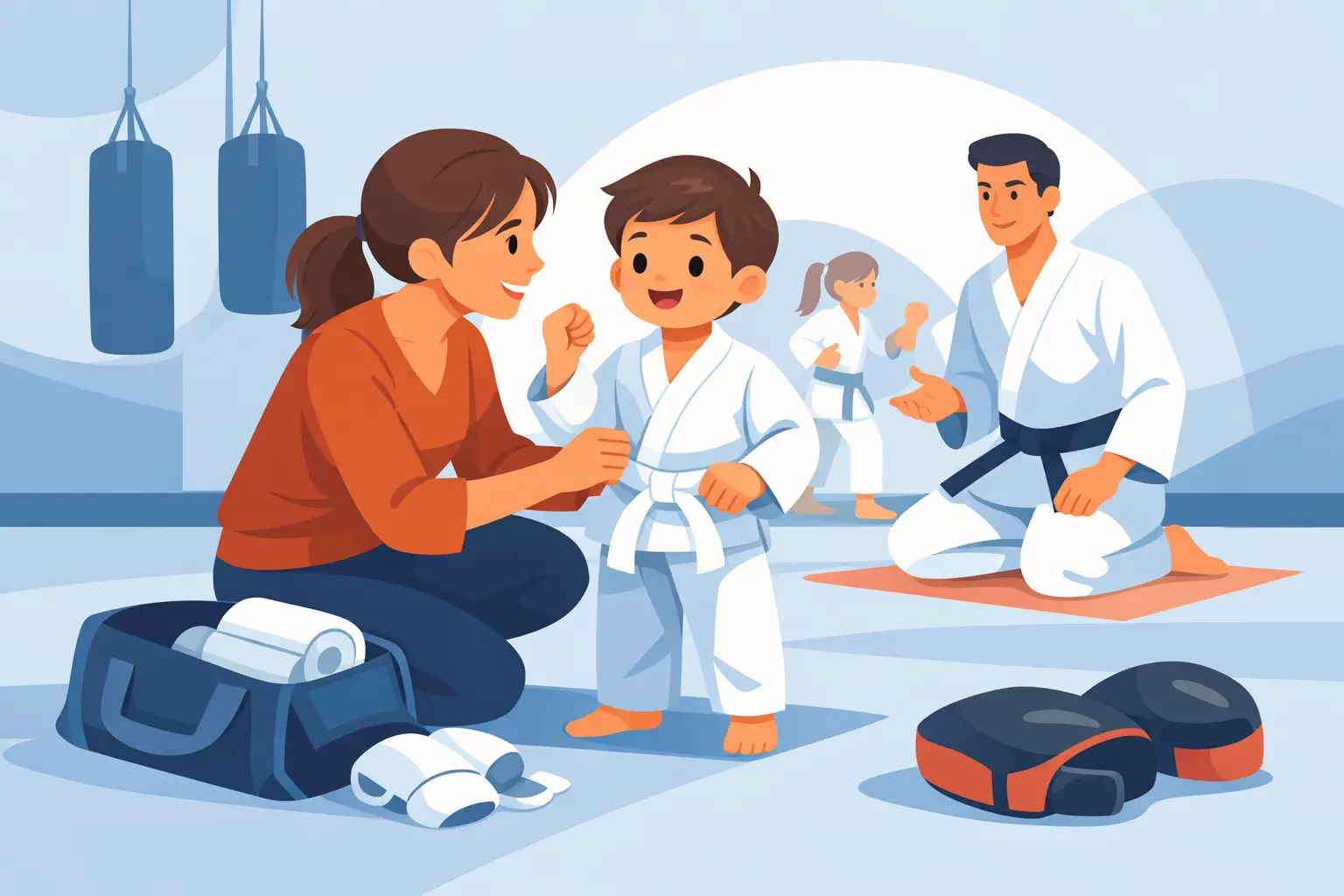
The car ride over matters more than most parents realize. A child can walk into their first lesson excited, nervous, shy, or convinced they are about to be tested. That is why one of the best things you can do to prepare child first martial arts class is to shape the experience before they ever step on the mat.
For many families, the first class is not really about kicks or self-defense yet. It is about comfort, trust, and confidence. Your child is meeting a new instructor, entering a structured environment, and learning how to follow directions in a group. If they have struggled with shyness, focus, or fear of being left out, that first day can feel big. The good news is that a few simple choices at home can make the transition much smoother.
How to prepare child first martial arts class without adding pressure
Parents sometimes try to motivate kids by building the class up too much. They say things like, “You need to be tough,” or “Show them how brave you are.” That usually comes from a good place, but it can create pressure. A better approach is calm confidence.
Tell your child what to expect in clear, simple language. You might say they will meet the instructor, learn a few basic movements, practice listening skills, and have fun. If the school focuses on practical self-defense and confidence building, explain that martial arts is not about fighting people for no reason. It is about learning control, discipline, and how to carry yourself with strength.
Children do best when they know the goal is not to be perfect. The goal is to try. That is especially important for kids who get frustrated easily or worry about making mistakes in front of others.
Start with the right expectations
A first class should feel like an introduction, not a performance. Your child does not need natural athletic ability to succeed. They do not need prior experience, flexibility, or a certain personality type. Some children bounce right in. Others watch quietly for a few minutes before joining. Both responses can be normal.
If your child is very energetic, let them know there will be rules and structure. If your child is more timid, reassure them that they do not have to know everything on day one. Martial arts classes are designed to teach step by step. Good instructors expect beginners to be beginners.
This also helps parents stay grounded. If your child seems a little unsure in the first class, that does not mean the program is a bad fit. Sometimes the first win is simply walking onto the mat, following directions, and finishing the lesson.
What your child should wear and bring
Practical preparation helps a child feel more secure. If the academy has given you instructions, follow those first. If not, choose comfortable workout clothes that allow movement, like a T-shirt and athletic pants or shorts, depending on the season and school rules.
Avoid anything restrictive, itchy, or distracting. If your child keeps pulling at their shirt, adjusting drawstrings, or stepping on oversized pants, they will focus less on the lesson. Long hair should be tied back. Jewelry should stay home. A water bottle is usually smart, but keep it simple. The first class does not need to feel like packing for a full-day event.
If a uniform is not required for the trial class, do not worry about looking the part. Confidence grows from participation, not from having the perfect gear.
Use your words carefully before class
Children often borrow their emotional cues from the adults around them. If you sound worried, rushed, or overly intense, they will feel it. If you sound steady and positive, they are more likely to settle in.
Try not to ask repeated questions like, “Are you nervous?” or “What if you do not like it?” Even when well meant, those questions can plant doubt. Instead, use confident language. Say, “You are going to learn something new today,” or, “Just listen, do your best, and have fun.”
For younger children, it also helps to explain the social side of class. Let them know the instructor is there to help, not judge. Let them know other children are learning too. That matters for kids who are shy or worried about being watched.
How to prepare child first martial arts class if they are anxious
Some anxiety is normal, especially for children who are entering a new group setting or who have had tough experiences in school, sports, or social situations. If your child is hesitant, do not argue them out of their feelings. Acknowledge them without feeding them.
You can say, “It is okay to feel nervous when you try something new. Lots of kids do. You do not have to be perfect. You just have to show up and try.” That message supports resilience. It tells your child that discomfort is not danger.
If possible, arrive a few minutes early. Walking into a calm room is easier than rushing into a class already in progress. A few extra minutes can help your child observe the environment, meet the instructor, and settle their nerves.
It also helps to avoid last-minute surprises. If the class will involve lining up, partner drills, or group instruction, present that as normal and manageable. Children usually handle structure better when it is described ahead of time.
Parents set the tone in the lobby too
Once class starts, many parents want to jump in with reminders, corrections, or encouragement. In most cases, less is better. Let the instructor lead. Martial arts teaches children to listen to direction from the mat, stay attentive, and work through small challenges independently.
If your child looks over at you often, keep your face calm and encouraging. A smile is helpful. Overreacting to every wobble, pause, or mistake is not. Children need room to build confidence from their own effort.
This is one reason structured martial arts training can be so powerful. It gives children a chance to succeed outside the usual parent-child dynamic. They learn that they can take instruction, adapt, and improve in a strong but supportive environment.
After class, focus on effort, not talent
What you say after the first lesson can shape whether your child wants to come back. Skip the instant evaluation. Instead of asking, “Were you the best one?” or even, “Did you like it?” start with what they did well.
Say, “I liked how you listened,” or, “You stayed with it even when it was new.” This kind of feedback reinforces the traits that martial arts builds over time – focus, discipline, courage, and self-control.
If your child says it felt hard, that is not a bad sign. Hard can mean they were challenged in a healthy way. If they say they were nervous, remind them that they still did it. That is how confidence grows. Not from feeling fearless at the start, but from moving forward anyway.
The bigger reason preparation matters
Parents often sign their children up for martial arts because they want more than physical activity. They want stronger focus, better discipline, more self-control, and real confidence. They want their child to feel less intimidated by peers, less likely to shut down under pressure, and more capable in the real world.
That transformation usually does not begin with a dramatic moment. It begins with a first class that feels safe, structured, and encouraging. It begins when a child realizes they can step into something unfamiliar and handle it. For families in Howell and nearby communities, that first experience can open the door to much more than a new hobby.
At Inner-Power Martial Arts, that first step matters because it often becomes the foundation for lasting confidence. A shy child starts making eye contact. A distracted child starts following through. A child who once felt unsure begins to carry themselves differently.
If you want the best possible start, keep preparation simple. Be calm. Be clear. Let your child know they do not need to impress anyone. They just need to show up ready to learn. Sometimes the strongest thing a child can hear before class is this – you are capable, and this is where that strength begins.