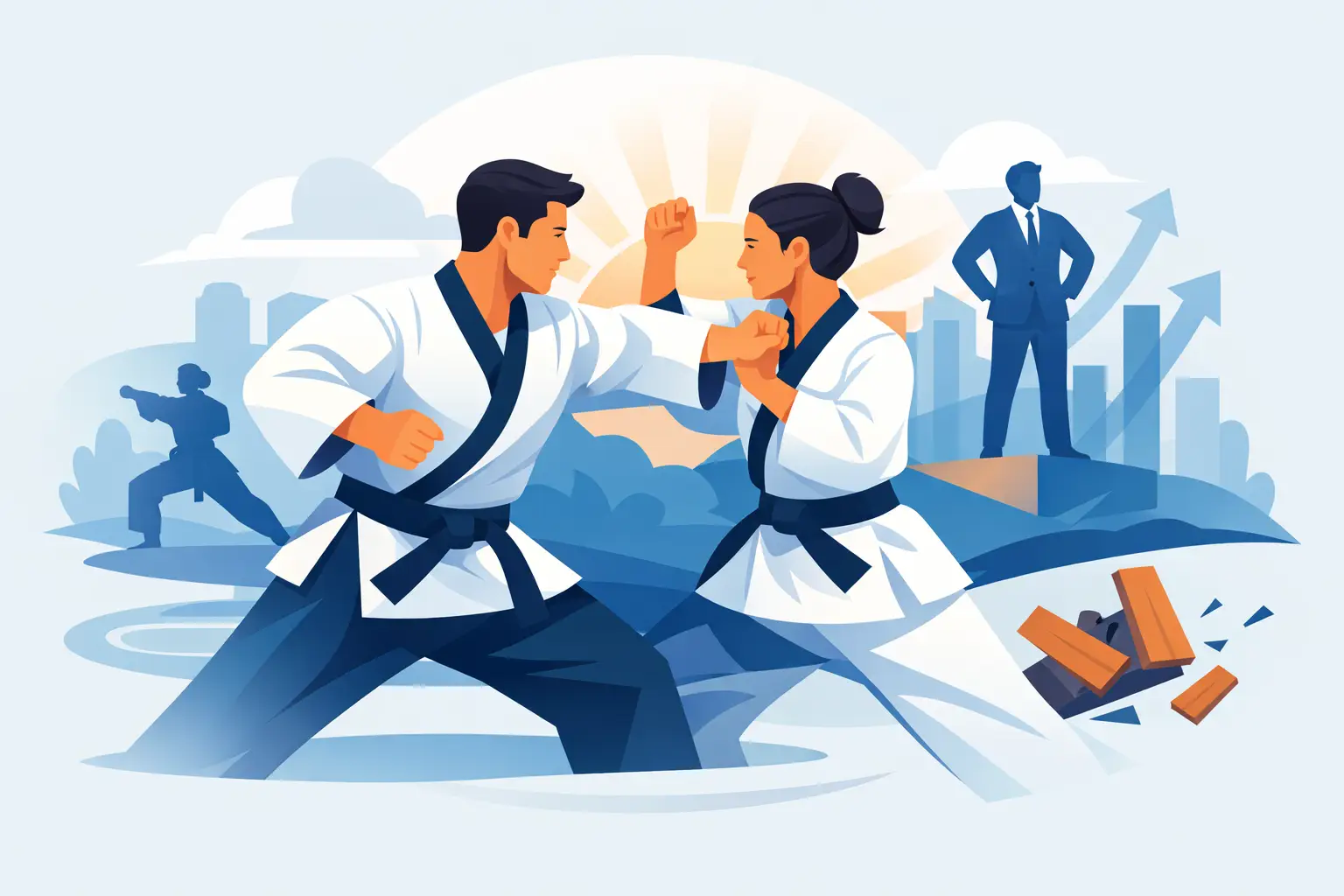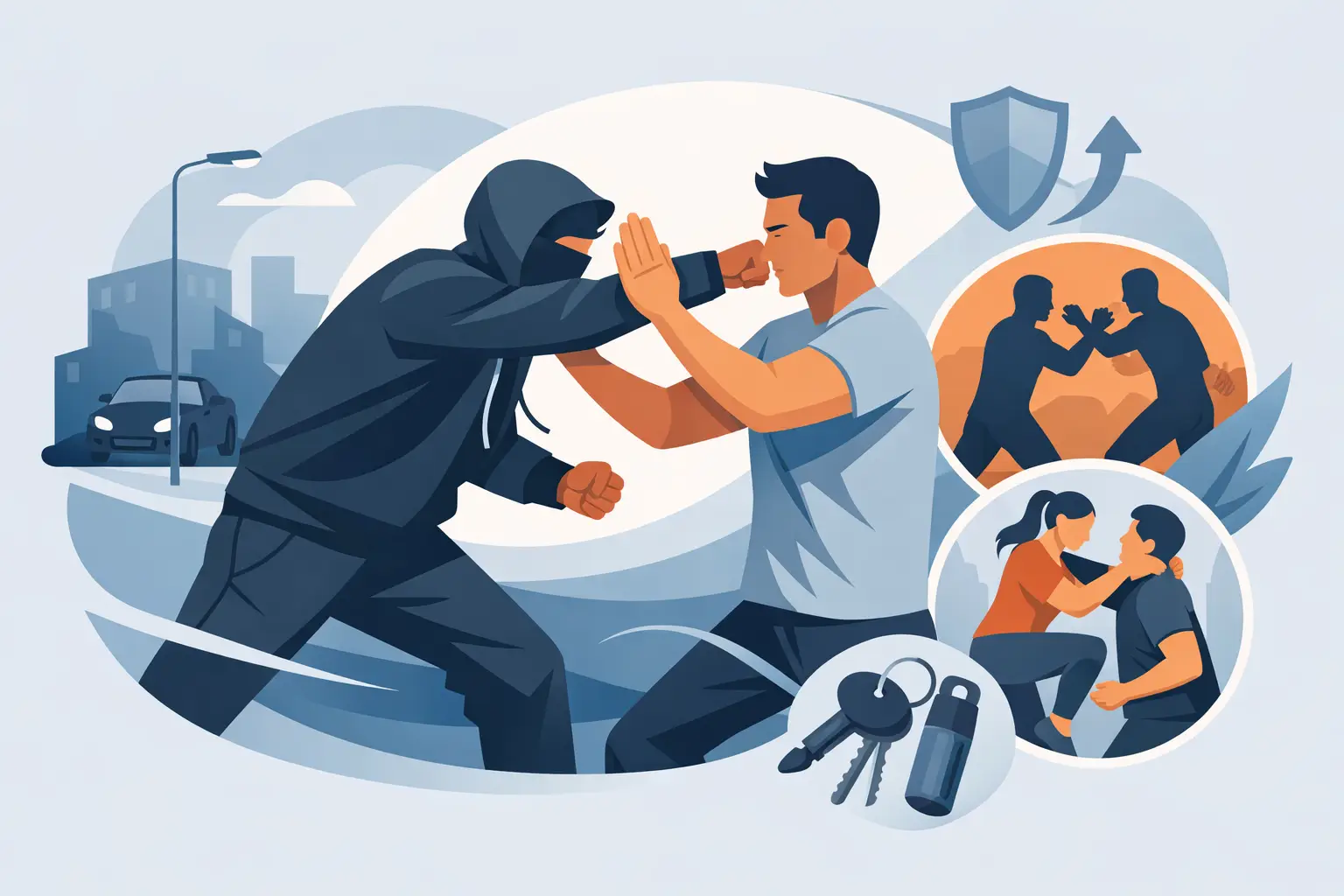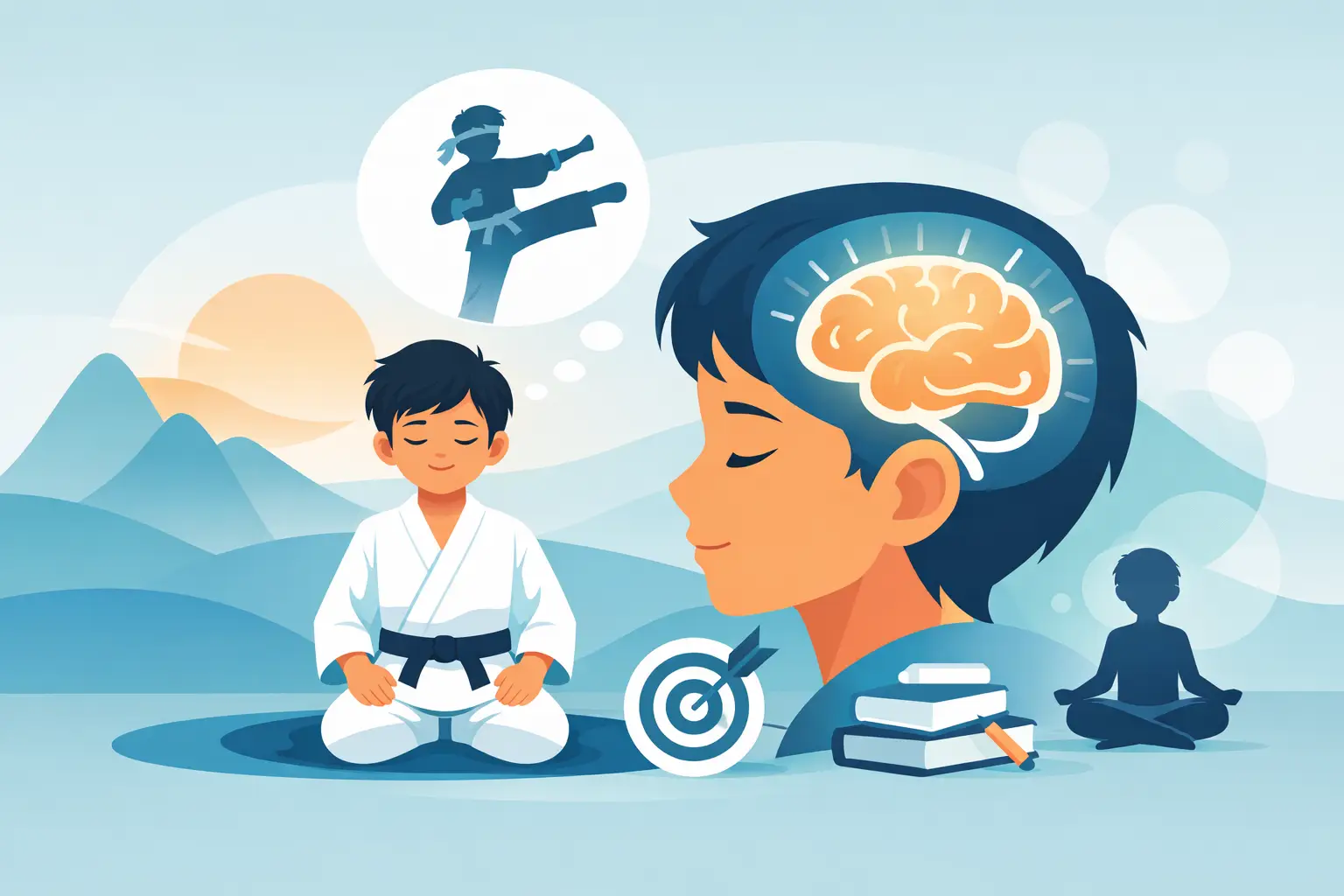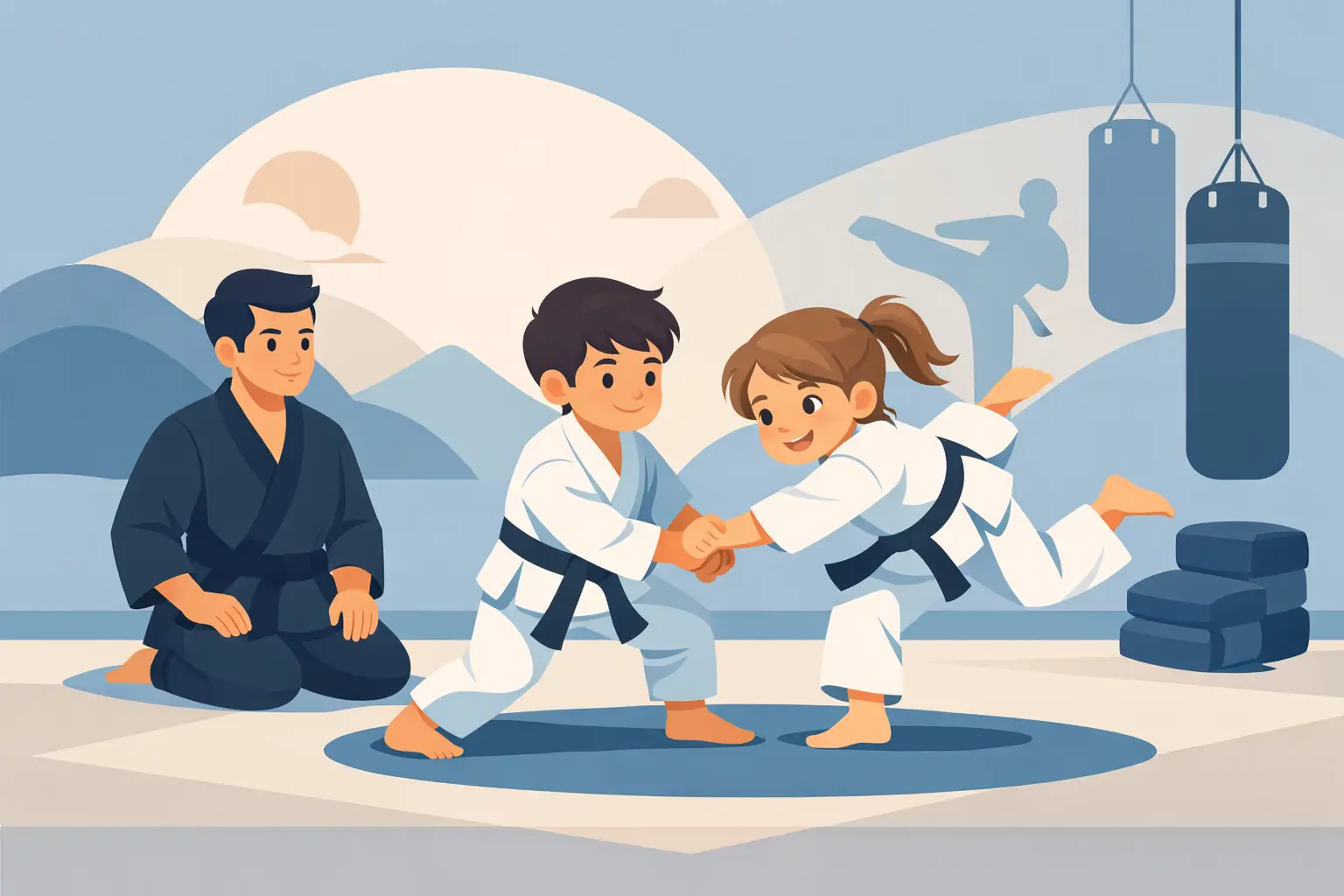
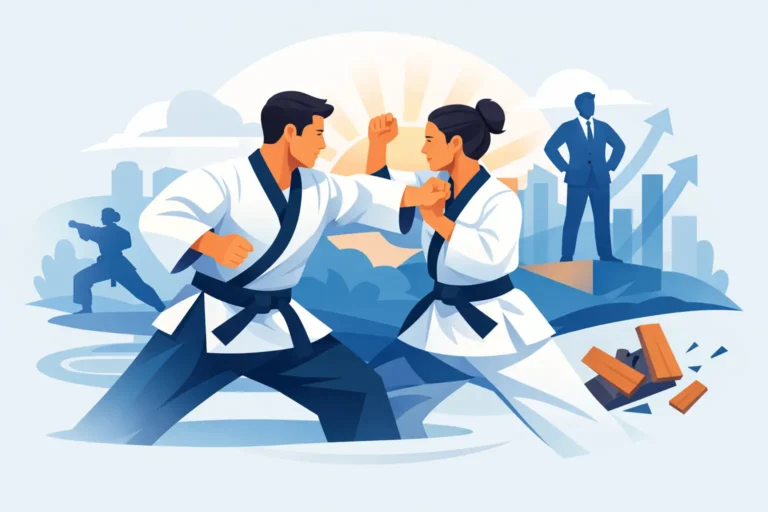
A child who avoids eye contact, stays quiet when pushed around, or freezes under pressure is not choosing weakness. More often, they just have not learned what confidence feels like in the body. That is a big part of how hapkido builds assertiveness – not through empty talk, but through repeated practice that teaches students how to stand taller, speak clearly, and respond with control.
For parents, that matters far beyond the mat. Assertiveness is what helps a child say “stop” with conviction, resist peer pressure, and carry themselves in a way that makes them less likely to be targeted. For teens and adults, it shows up in everyday life too – setting boundaries, handling conflict calmly, and staying composed when stress hits.
What assertiveness really means
A lot of people confuse assertiveness with aggression. They are not the same thing. Aggression tries to dominate. Assertiveness communicates strength without losing control.
That distinction matters in martial arts. Good training should never create students who are reckless, rude, or eager to fight. It should create students who know when to speak up, when to create space, and when to act decisively if a situation becomes unsafe.
That is one reason Hapkido stands out. It is practical. It teaches students how to manage distance, protect themselves, and stay balanced under pressure. Just as important, it trains the mindset behind those actions. Students learn that confidence is not about acting tough. It is about being prepared.
How hapkido builds assertiveness in real life
The biggest shift usually starts with posture and presence. When students first begin training, many move cautiously. They hesitate. Their voice may be soft. Their reactions may be delayed because they are second-guessing themselves.
With consistent practice, that changes. Hapkido drills require students to stand with purpose, maintain awareness, and follow through on movement. Over time, the body stops sending signals of uncertainty. That physical change often leads the emotional change.
A child who learns to move with confidence tends to speak with more confidence. A teen who practices setting boundaries in self-defense scenarios becomes more comfortable doing the same with peers. An adult who has felt pressure in training and worked through it is less likely to shut down in a tense moment at work or in public.
This is where assertiveness becomes real. It is not a lecture. It is a habit built through action.
Students learn to use their voice
One of the most overlooked parts of self-defense training is verbal response. Before any physical technique matters, a student needs the ability to say no, stop, back up, or leave me alone in a way that is clear and firm.
That is hard for shy children. It can also be hard for adults who have spent years avoiding confrontation. Hapkido training gives students a place to practice strong verbal boundaries in a structured environment. At first, it may feel uncomfortable. That is normal. But confidence grows when students realize they can speak with strength and still stay calm.
They stop panicking under pressure
Assertiveness is difficult when the mind freezes. That is why realistic training matters. When students work through controlled partner drills, they experience a manageable level of stress. They learn how to breathe, focus, and respond instead of panic.
This does not mean every student becomes fearless overnight. It means they become more familiar with pressure. That familiarity creates composure. And composure is often the difference between a person who folds in a hard moment and a person who handles it well.
They build trust in themselves
A lot of passivity comes from self-doubt. If someone does not believe they can protect themselves, they are more likely to avoid eye contact, stay silent, or rely on others to step in.
Hapkido changes that by giving students proof. They feel themselves improve. They see that they can learn a skill, solve a problem, and stay steady in a challenging drill. That kind of progress builds self-trust. Once students trust themselves physically, they often start trusting themselves emotionally and socially too.
Why this matters for kids dealing with bullying
Parents often look for martial arts because something already feels off. Their child may be too quiet in groups, too easily intimidated, or too quick to back down. Sometimes bullying is already happening. Sometimes parents just see the warning signs and want to help before it gets worse.
Assertiveness is one of the strongest bullying prevention tools a child can develop. Bullies tend to look for easy targets – kids who appear unsure, reactive, or isolated. When a child begins carrying themselves differently, speaking more clearly, and responding with confidence, the social dynamic changes.
That does not mean martial arts eliminates every problem. Some situations require school involvement, parent support, and direct intervention. But training can absolutely change how a child presents themselves and how they respond. That can make a meaningful difference.
For younger students, the first win may be simple. They answer louder in class. They make eye contact. They stop shrinking when someone invades their space. For school-age kids, progress often shows up in stronger boundaries and better emotional control. Instead of melting down or lashing out, they start responding with more maturity.
That is a major benefit of structured Hapkido-based training. It does not just teach kids to defend themselves physically. It helps them stop acting helpless.
Teens and adults need assertiveness too
This is not only a kids’ issue. Many teens struggle with social pressure, anxiety, and the fear of saying the wrong thing. They may know they need stronger boundaries, but still hesitate in the moment.
Hapkido gives teens something rare – a place to develop real confidence without pretending. They do not have to act fearless. They get to earn confidence through effort, repetition, and improvement. That matters because fake confidence falls apart under stress. Real confidence holds up.
For adults, assertiveness often shows up in different ways. It may mean speaking more directly, noticing danger sooner, or feeling less intimidated in unfamiliar situations. It can also mean staying grounded during conflict instead of getting emotional or shutting down.
Training helps because the lessons are physical first. Adults who struggle with confidence often spend too much time in their heads. Hapkido brings them back into action. They learn how to create space, control balance, and stay aware. As that competence grows, their everyday presence changes too.
The trade-off: assertiveness takes consistent training
It would be nice if confidence appeared after two classes. Usually, it does not work that way.
Some students open up quickly. Others take time. A shy child may need weeks before speaking loudly in class. An adult who avoids confrontation may need months before that calm confidence starts showing up outside the school. Progress depends on personality, consistency, and the quality of instruction.
That is why the training environment matters so much. Students need challenge, but they also need support. If classes are too harsh, timid students shut down. If classes are too soft, students never build resilience. The right program balances encouragement with standards. It pushes students to grow without making them feel overwhelmed.
At Inner-Power Martial Arts, that balance is a big part of what makes training meaningful for families. Students are not just learning techniques. They are learning how to handle themselves better in the real world.
What parents should look for in a program
If your goal is assertiveness, not every martial arts class will produce the same result. Some schools focus heavily on memorizing forms and performing for rank. There can be value in that, but it may not be enough for a child who needs stronger boundaries or an adult who wants practical confidence.
A better fit is a program that includes realistic self-defense, age-appropriate pressure, strong coaching, and clear expectations around discipline and respect. Students should be taught how to use their voice, manage personal space, and respond without panic. They should leave class feeling more capable, not just more tired.
For families in Howell and nearby Monmouth County communities, that practical focus can make all the difference. When training connects directly to everyday life, students understand why it matters. They start applying what they learn at school, at work, and in social situations.
Confidence you can see
The most powerful part of assertiveness training is that the change becomes visible. You see it in how a child walks into a room. You hear it in how a teen answers a question. You feel it in the way an adult handles stress without looking rattled.
That kind of growth does not come from slogans. It comes from doing hard things in a safe, structured environment until strength feels normal.
If someone you love needs help finding their voice, standing their ground, or feeling safer in their own skin, the right martial arts training can do more than teach self-defense. It can give them a stronger way to move through the world.