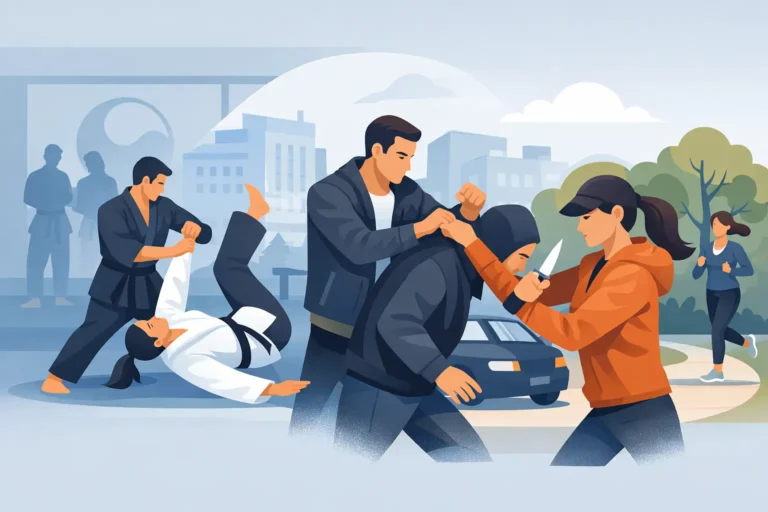
When parents ask, “what is hapkido used for,” they usually are not looking for a history lesson. They want to know if it will help their child stand taller, stay safer, focus better, and feel more confident walking into school. Adults usually want the same thing in a different form – practical self-defense, better conditioning, and the kind of calm confidence that carries into everyday life.
Hapkido is used for real-world self-defense, but that is only part of the answer. At its best, it is also used to build awareness, discipline, balance, coordination, resilience, and emotional control. That is why it fits so well for kids who are shy, teens facing social pressure, and adults who want training that feels useful beyond the mat.
What Is Hapkido Used for?
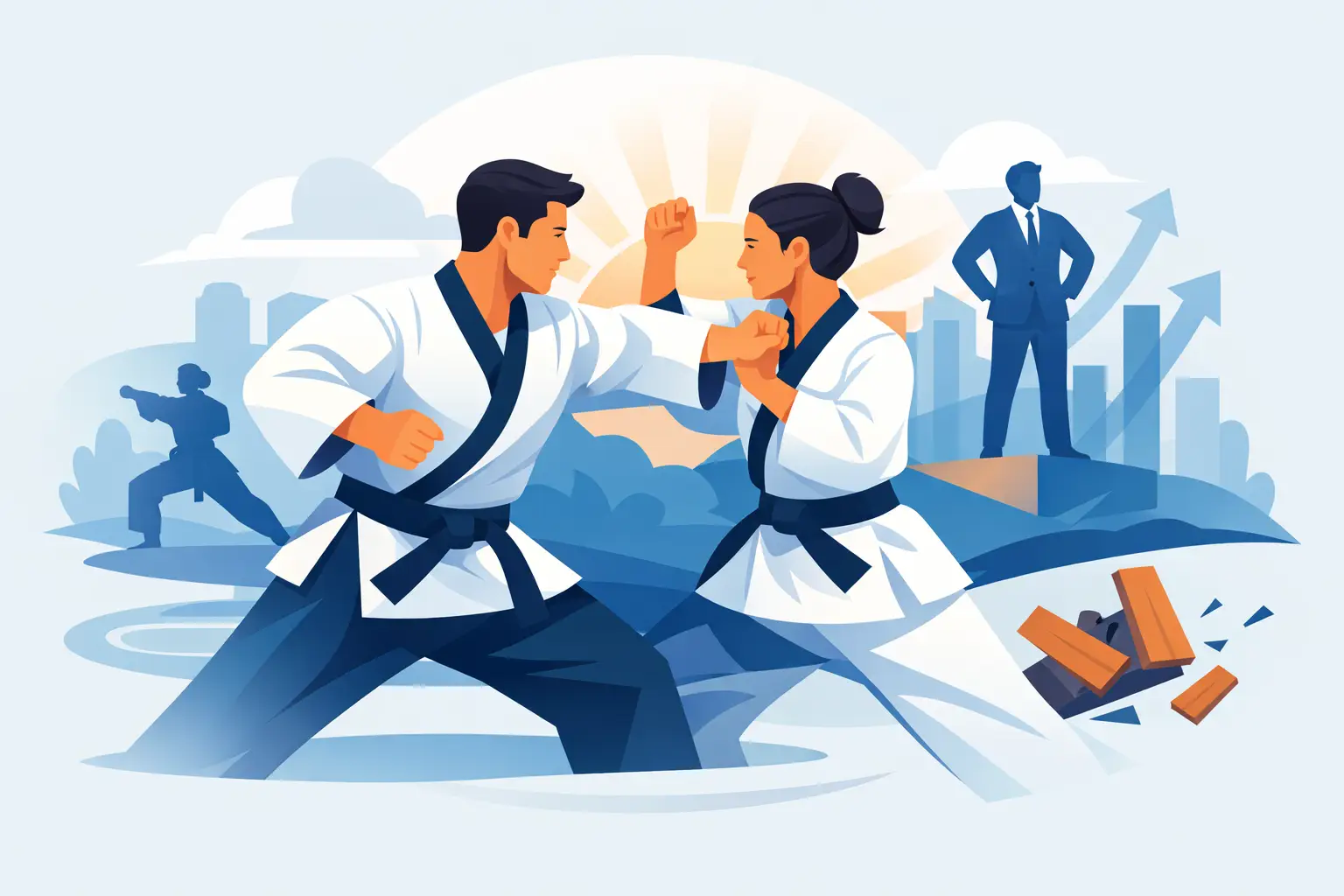
Hapkido is a Korean martial art built around practical response. It teaches students how to protect themselves using strikes, escapes, joint control, leverage, footwork, and body positioning. Instead of relying on size or strength alone, it focuses on timing, distance, and smart technique.
In plain English, hapkido is used for handling the kinds of situations people actually worry about. That includes breaking free from grabs, creating space, avoiding escalation, and responding with control when someone gets too aggressive. For many families, that practical focus matters more than flashy moves or memorizing forms for the sake of tradition.
This does not mean every class feels intense or intimidating. Good training is age-appropriate. A 5-year-old should not train the same way as a teenager, and a teenager should not train the same way as an adult. The goal is to build ability step by step, with students learning skills they can actually absorb and use.
Hapkido for self-defense in everyday situations
The clearest answer to what is hapkido used for is self-defense. But even that needs context, because real self-defense is not just about fighting. It starts much earlier.
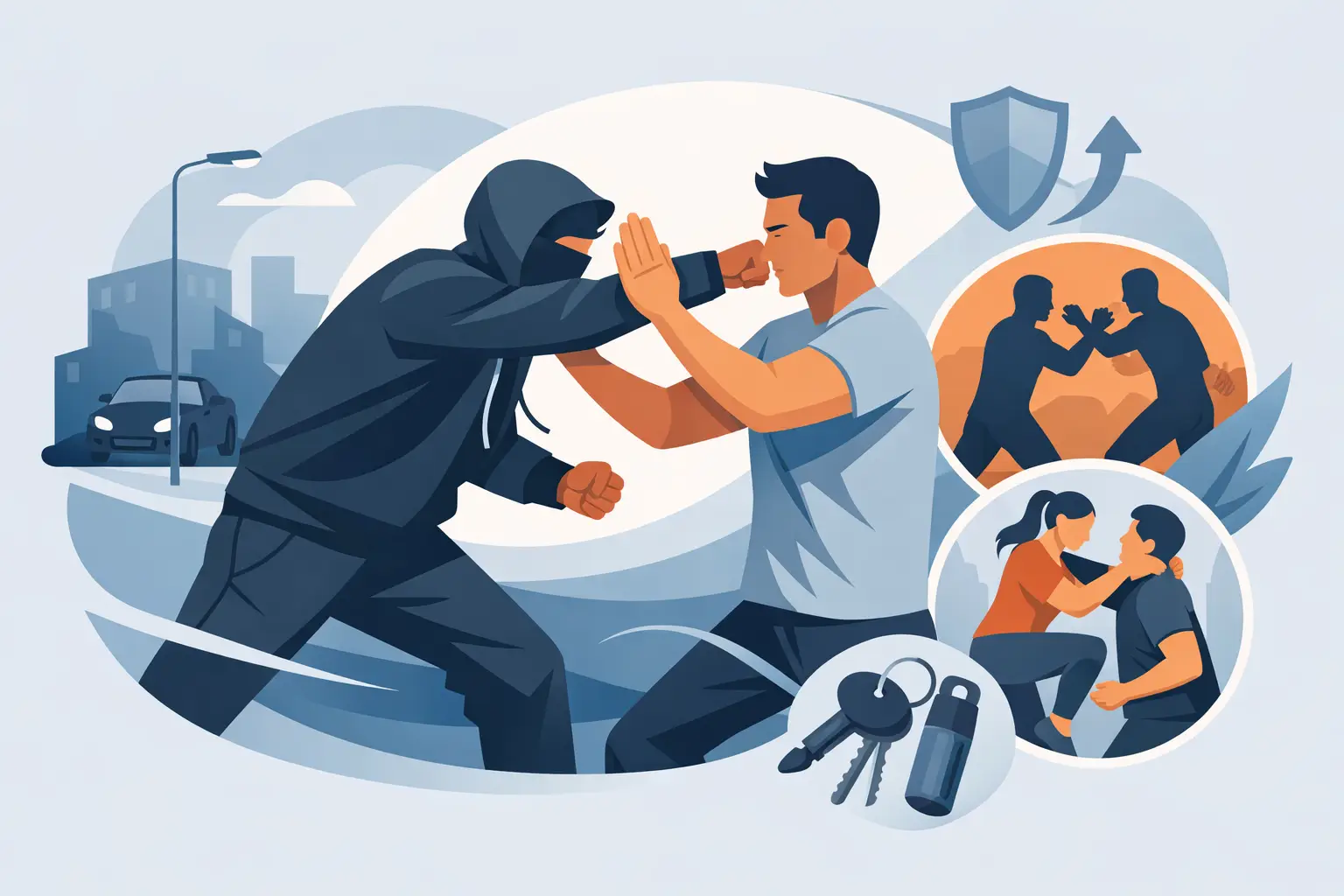
Students learn awareness first. They learn how to notice body language, manage distance, use their voice, and avoid bad positions before a situation gets worse. That matters for children dealing with bullying, teens navigating school and social pressure, and adults moving through parking lots, workplaces, and public spaces.
From there, training becomes more physical. Hapkido includes defenses against common grabs and holds, ways to redirect force, and techniques for staying balanced under pressure. Because the art emphasizes leverage and mechanics, it can be effective for people who are not naturally bigger or stronger. That makes it especially valuable for children and adults who want realistic protection skills without feeling overmatched.
There is a trade-off here, and it is worth saying clearly. No martial art makes someone invincible. Self-defense is messy, unpredictable, and dependent on the situation. What good training does is improve the odds. It gives students more awareness, better reactions, and more confidence under stress.
Why parents choose Hapkido for their kids
For many families, the strongest reason to start is not competition. It is confidence.
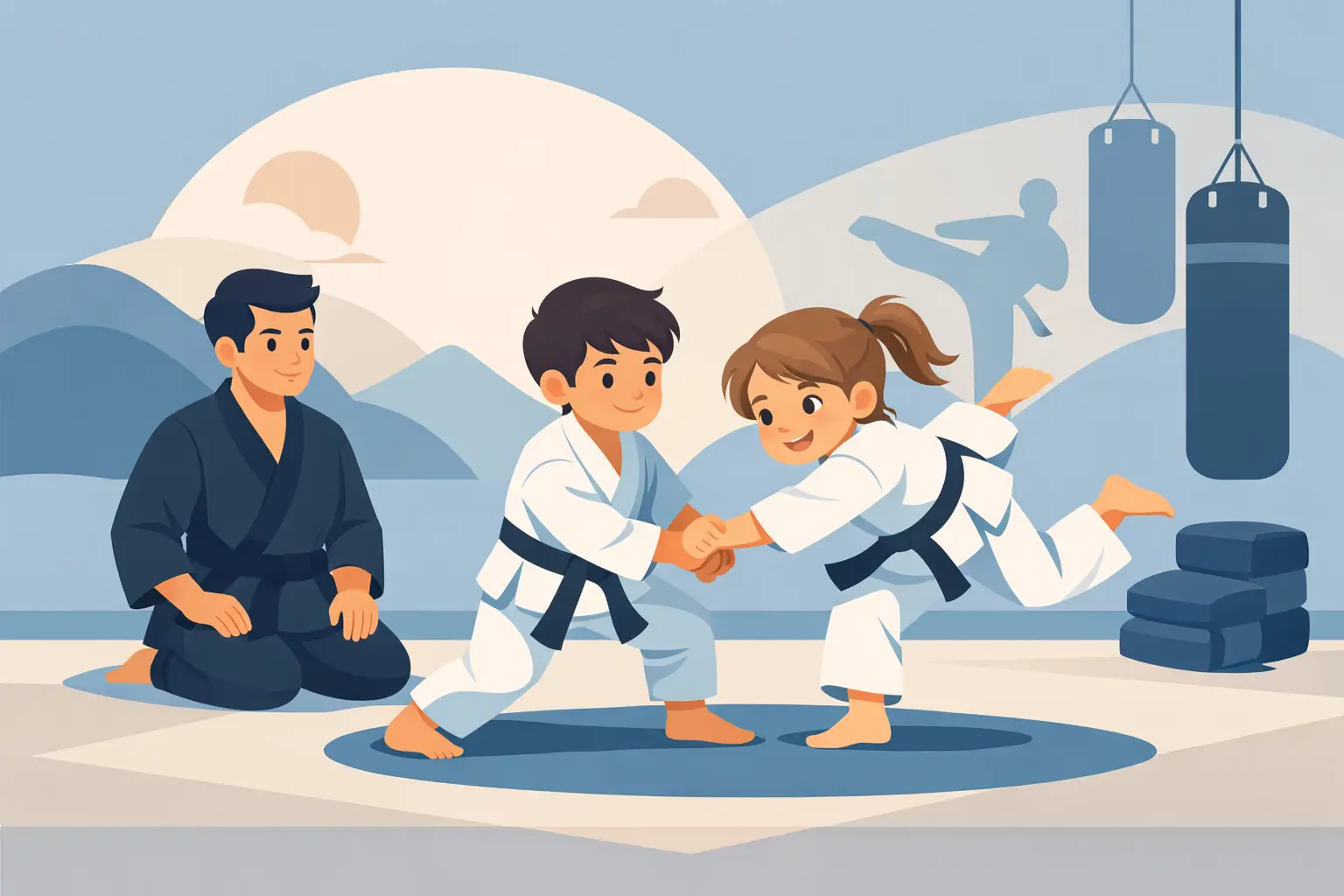
A child who feels timid, avoids eye contact, or struggles to speak up often does not need tougher words from adults. They need experiences that help them feel capable. Hapkido gives them a safe structure to practice posture, focus, assertiveness, and follow-through. Over time, that changes how they carry themselves.
That shift matters in school. Kids who move with more confidence are often less likely to be targeted. They also tend to respond better to social pressure because they are learning boundaries, self-control, and how to stay calm when emotions run high. Martial arts cannot remove every challenge a child will face, but it can give them stronger tools to handle those moments.
Parents also appreciate that hapkido training reinforces discipline without crushing personality. Students learn respect, but they also learn initiative. They listen, they practice, they improve, and they start seeing that effort creates progress. For children who struggle with focus or give up quickly, that lesson carries far beyond class.
What is hapkido used for besides fighting?
A lot, actually.
Confidence and emotional resilience
One of the biggest benefits of hapkido is how it changes mindset. Students do hard things in a controlled setting. They learn new movements, work through frustration, and keep going even when something feels awkward at first. That process builds real confidence, not the fake kind that depends on showing off.
For shy children, this can be a turning point. For teens, it can create steadiness during years that often feel chaotic. For adults, it can rebuild a sense of capability that gets buried under stress, work, and routine.
Focus and discipline
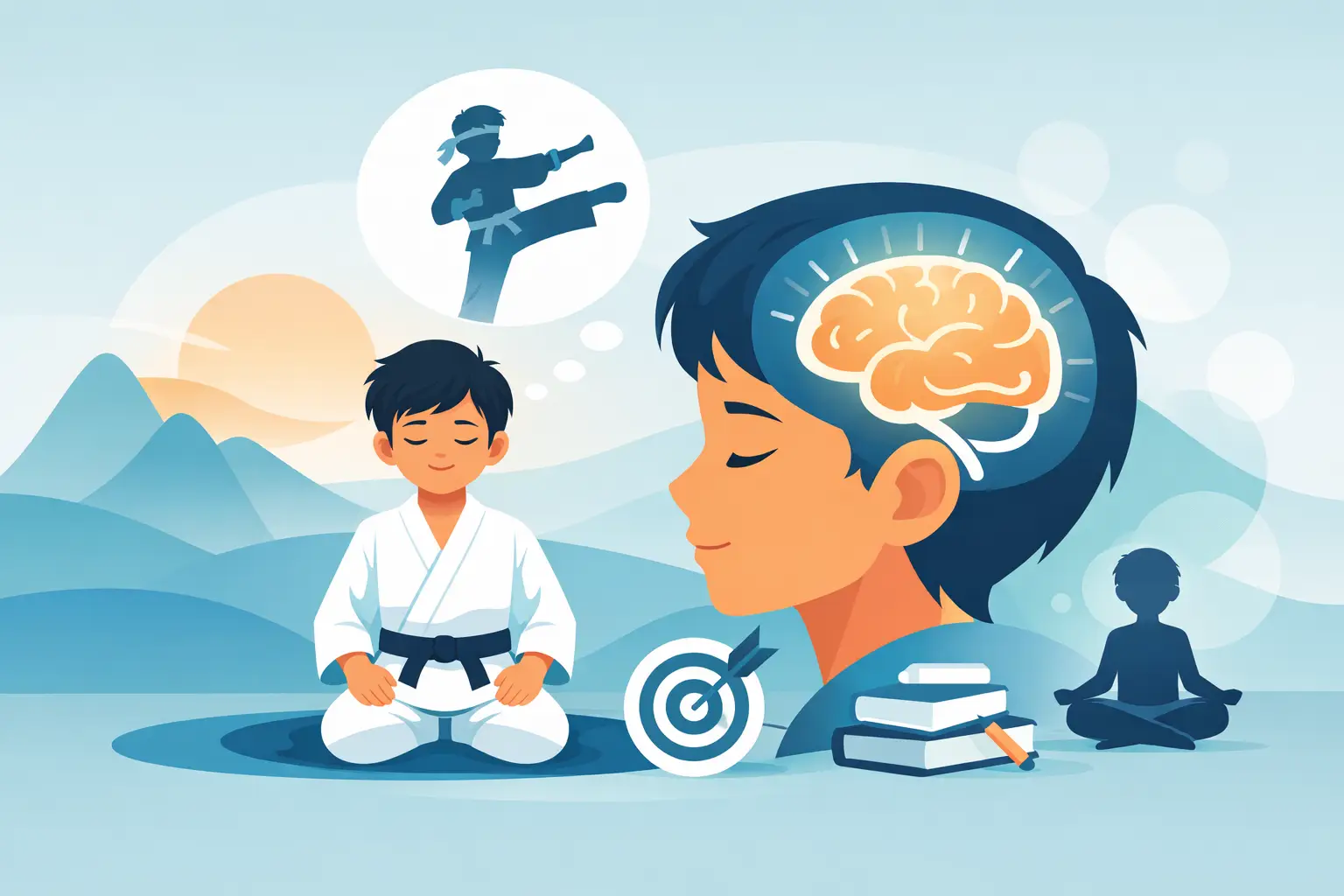
Hapkido asks students to pay attention. They have to listen, respond, coordinate movement, and stay present. That kind of training can be especially helpful for kids who need more structure and direction. It gives them a place to channel energy productively while learning that focus is a skill, not just a personality trait.
Fitness with purpose
Some people come in because they want to get stronger or more active. Hapkido absolutely helps with that. Classes improve balance, coordination, mobility, endurance, and body control. The difference is that students are not just exercising to burn calories. They are learning movements with purpose, which often makes training more engaging and easier to stick with.
Stress relief
There is also a mental benefit that many adults do not expect. Training demands attention. For an hour, you are not stuck in emails, errands, or daily pressure. You are moving, reacting, breathing, and staying present. That can be incredibly grounding.
How Hapkido helps different age groups
The use of hapkido changes with the student.
For younger children, it is often about listening skills, coordination, confidence, and basic personal safety. They are learning how to follow direction, respect boundaries, and believe in themselves.
For elementary-age students, training starts connecting more directly to bullying prevention, assertiveness, and practical defense skills. This is often when parents notice stronger posture, better focus, and more self-control at home.
For teens, hapkido can become a powerful outlet for pressure and insecurity. It gives them something real to build. They gain self-defense skills, but they also develop maturity, discipline, and the confidence to make better decisions under stress.
For adults, the focus is usually practical protection, conditioning, and mental resilience. Many want a training environment that feels serious without being hostile. They want to leave class feeling stronger, sharper, and more prepared than when they walked in.
Why practical instruction matters
Not every martial arts school teaches with the same priorities. Some put heavy emphasis on performance, tradition, or tournament-style training. There is nothing wrong with that, but families looking for everyday self-defense often want a different result.
That is why practical instruction matters so much. Students should understand why a technique works, when it applies, and what limitations it has. They should train in a way that builds habits useful under pressure, not just in a perfect practice scenario.
At Inner-Power Martial Arts, that practical mindset is a major reason families from Howell and nearby communities seek out Hapkido-based training. They are looking for more than activity. They want confidence their child can feel, structure they can trust, and self-defense that makes sense in real life.
Is Hapkido right for everyone?
It depends on the goal.
If someone wants a martial art built only around sport competition, hapkido may not be the first choice. If they want practical self-defense, confidence, and personal development, it is often an excellent fit. It works especially well for students who want a balanced system – one that develops awareness, movement, control, and mental strength together.
The best way to judge it is not by stereotypes or movie scenes. It is by the quality of instruction, the structure of the program, and whether the training meets the needs of the student standing in front of you.
That is the real answer to what is hapkido used for. It is used to help people feel safer, stronger, and more in control of themselves. For some students, that starts with learning how to escape a grab. For others, it starts with finally believing they can handle hard things. Either way, the value goes far beyond the mat.