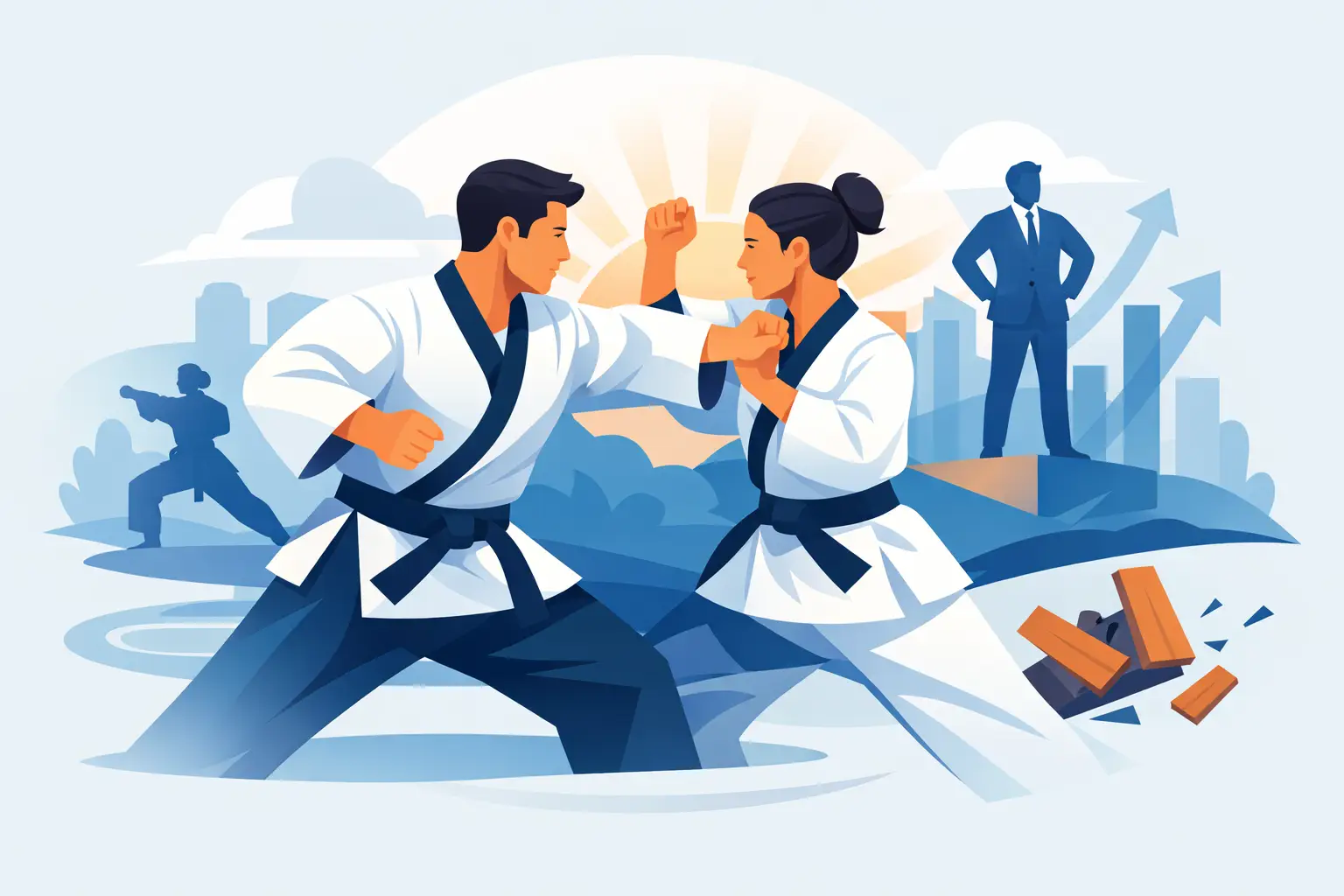
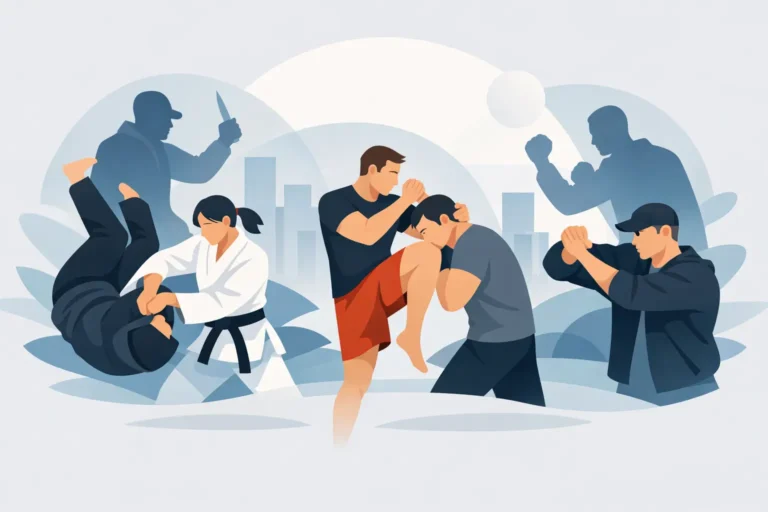
Most people asking about the best martial art for self defense are not looking to win a tournament. They want to know what will help their child stand taller at school, what will help a teen feel less vulnerable, or what will help an adult respond under pressure instead of freezing. That changes the answer.
The truth is, there is no single style that magically makes someone safe. Real self-defense depends on how you train, what you practice under pressure, and whether the system prepares you for the messy reality of surprise, fear, and close-range conflict. If your goal is everyday protection, confidence, and practical skill, the best martial art is usually the one that teaches awareness, control, escapes, striking, and confidence in a way students can actually use.
What makes the best martial art for self defense?
A lot of martial arts are excellent for fitness, discipline, and personal growth. Those benefits matter. But self-defense adds a different standard.
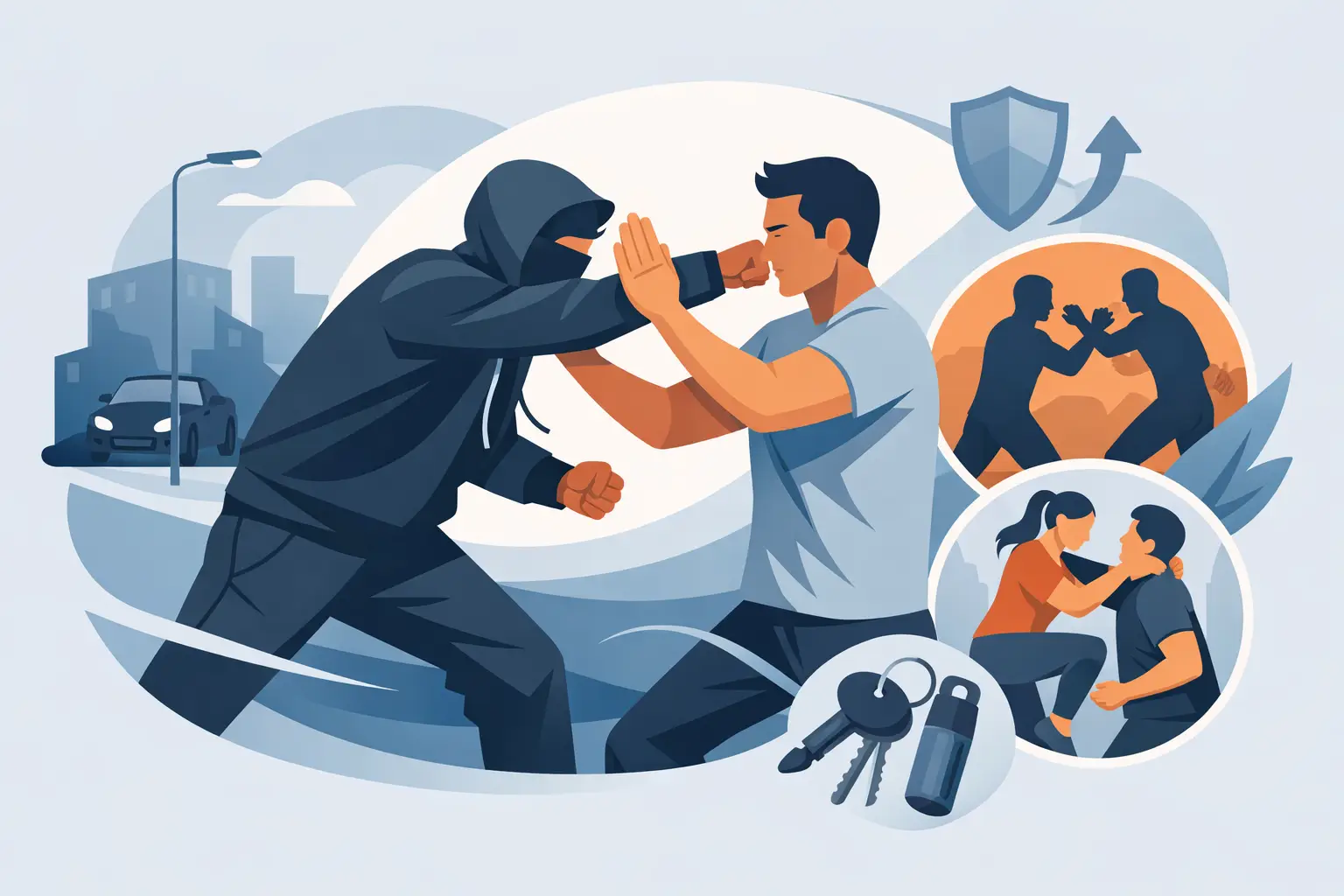
A practical self-defense system should help students recognize danger early, set boundaries clearly, and respond effectively if someone gets too close. It should include defenses against grabs, holds, and common attacks, not just point sparring or memorized routines. It should also train students to stay composed when adrenaline hits.
That matters for both kids and adults. A child dealing with bullying does not need flashy techniques. They need posture, awareness, verbal confidence, and simple physical skills they can remember under stress. An adult does not need a cinematic fight sequence. They need realistic tools for the moments that happen fast and close.
Why style matters less than training method
When people compare styles, they often miss the bigger issue. A martial art can look great on paper and still fall short if the school spends most of its time on forms with very little realistic application. On the other hand, a well-taught program can take a traditional system and make it highly functional.
That is why the best martial art for self defense is not just about the name on the sign. It is about whether students practice real scenarios, whether techniques work against resistance, and whether the instruction builds calm, assertive decision-making.
A good school should teach more than physical moves. Students should learn distance management, how to break free from grabs, when to disengage, and how to avoid escalating a situation unnecessarily. Self-defense is not about proving toughness. It is about getting safe.
Comparing popular martial arts for self-defense
Boxing is one of the most effective striking arts in the world. It builds timing, footwork, movement, and the ability to hit with power under pressure. For adults, that is valuable. The trade-off is that boxing focuses heavily on punches and does not usually address grabs, takedowns, or the kind of control situations that happen in everyday self-defense.
Brazilian Jiu-Jitsu is extremely useful for escapes, control, and defending yourself if a confrontation goes to the ground. It teaches leverage and composure, which can help smaller people handle stronger opponents. Still, relying only on ground grappling can be limiting in real-world situations, especially when there may be multiple threats or hard surfaces involved.
Muay Thai is excellent for powerful striking and physical conditioning. Students become tougher, sharper, and more comfortable with contact. But like boxing, it may not cover enough of the grabbing, restraint, and self-protection scenarios that many people worry about most.
Krav Maga is often marketed as the answer to self-defense, and some programs do a strong job of teaching aggression, situational awareness, and simple responses. The challenge is quality control. Some schools offer realistic training, while others rely more on intensity than technical depth.
Taekwondo can build speed, coordination, flexibility, and confidence, especially for kids. It has strong developmental benefits. For pure self-defense, though, schools that focus mostly on sport-style kicking may leave gaps in close-range defense and practical control.
Wrestling develops balance, pressure, control, and toughness. It is one of the best foundations for handling physical resistance. The downside is that it usually does not teach striking, verbal boundaries, or broader civilian self-defense strategy.
Where Hapkido stands out
If you are looking for a strong candidate for the best martial art for self defense, Hapkido deserves serious attention.
A practical Hapkido program is built around real-world self-defense. It teaches students how to handle grabs, wrist holds, chokes, close-range attacks, and off-balancing situations that are common outside the gym. It combines striking, joint control, takedowns, escapes, and defensive movement into one system.
That combination matters because real confrontations rarely happen at the perfect distance. Sometimes someone grabs a sleeve. Sometimes they rush in. Sometimes the problem starts with intimidation, crowding, or unwanted contact rather than a clean punch from across the room. Hapkido is designed for those in-between moments.
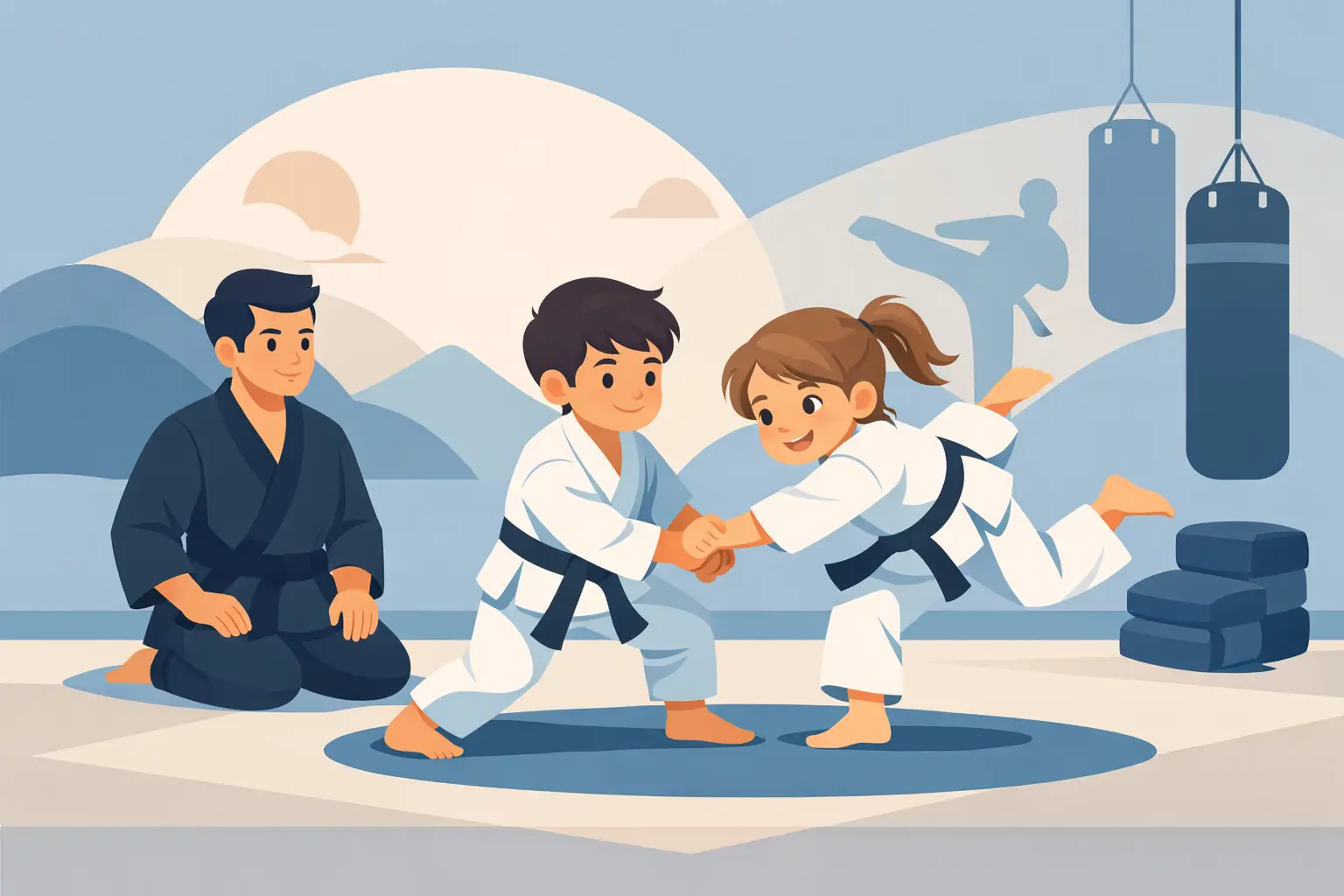
It also tends to fit family training especially well. Kids can learn simple, age-appropriate techniques while also building awareness, discipline, and assertiveness. Teens and adults can develop practical defensive skill without needing to become competitive fighters. For many families, that balance is exactly what they want.
The best martial art for self defense for kids
For children, the answer is never just about technique. The best program helps them carry themselves differently.
A child who looks down, speaks quietly, and freezes under pressure is more vulnerable than a child who makes eye contact, uses a strong voice, and knows how to move away from danger. That is why confidence training is self-defense training.
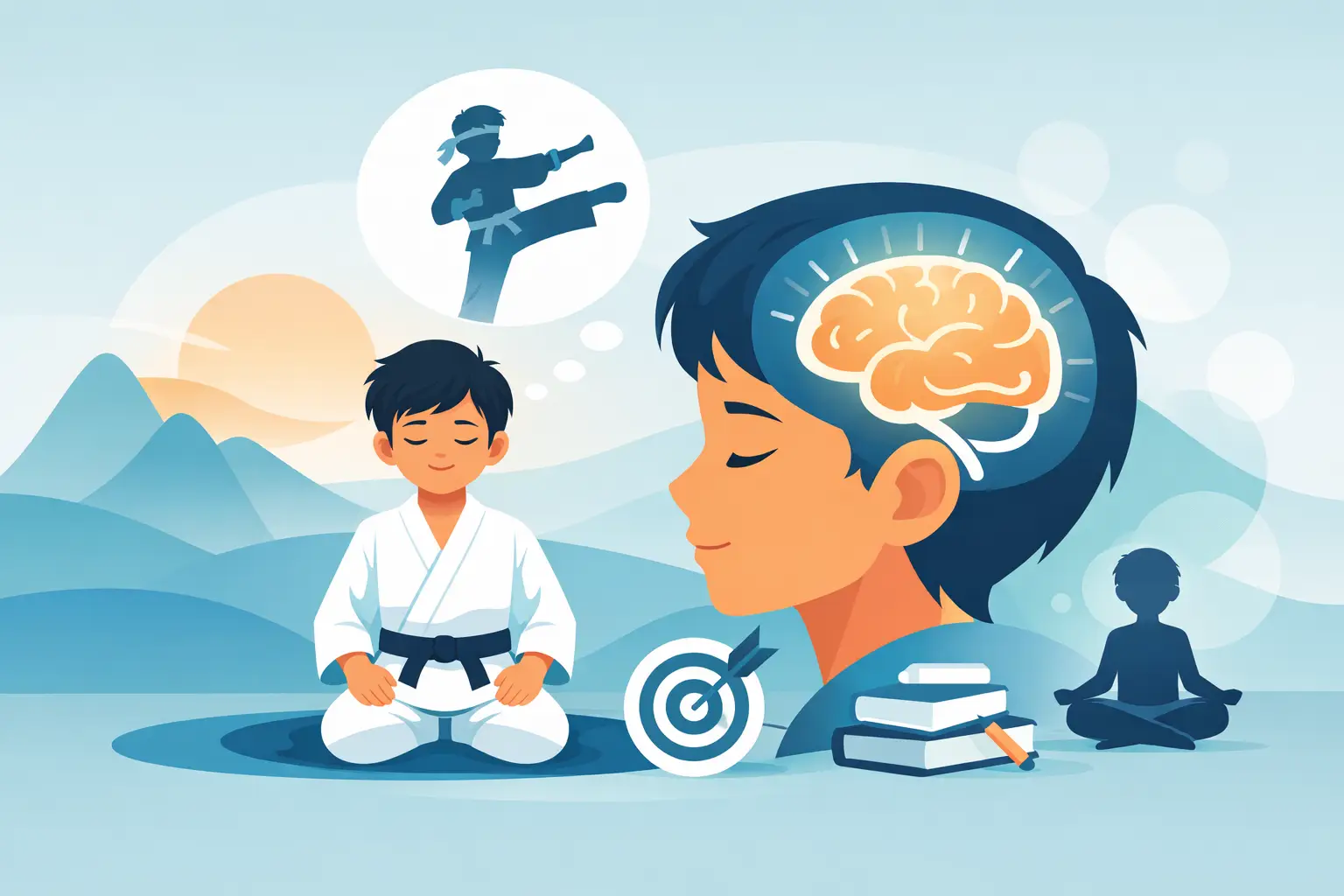
The right martial arts program for kids should teach awareness, respect, focus, and simple responses they can remember. It should also address bullying in a realistic way. That means teaching children how to use their voice, set boundaries, get help fast, and defend themselves physically only when necessary.
This is where a practical Hapkido-based program can be especially effective. It gives children usable tools without overwhelming them with complexity. More importantly, it builds inner strength. Parents often notice the changes first – better posture, improved focus, more resilience, and less fear in social situations.
What adults should look for in self-defense training
Adults often ask for the best martial art for self defense when what they really need is the best training environment. A good program should challenge you physically, but it should also be structured, supportive, and realistic.
You want training that includes striking, escapes, movement, and controlled partner work. You also want instructors who understand that most adults are not preparing for a cage fight. They are preparing for everyday life – walking to the car, setting boundaries, protecting themselves, and managing stress with more confidence.
The emotional side matters here too. Good self-defense training changes how you carry yourself. It reduces hesitation. It sharpens awareness. It helps you feel less intimidated by conflict, even if your goal is always to avoid it.
How to choose the right school, not just the right style
A great style taught poorly will disappoint you. A practical style taught with care and consistency can change someone’s life.
Look for a school that teaches age-appropriate self-defense, not one-size-fits-all instruction. Watch how instructors speak to students. Are they building discipline and confidence, or just running drills? Ask whether students practice realistic scenarios, boundary-setting, and defenses against common grabs and close-range attacks.
If you are a parent, pay attention to how the program handles shy children, distracted children, and kids who need confidence as much as coordination. If you are an adult, look for a place that takes your goals seriously without making the environment feel intimidating.
That is one reason many families in Monmouth County choose programs centered on practical Hapkido training. At Inner-Power Martial Arts, the goal is not just to teach techniques. It is to help students become harder to bully, harder to intimidate, and better prepared for real life.
So what is the best martial art for self defense?
If we are being honest, the best martial art for self defense is the one that prepares you for real situations, builds confidence under pressure, and gives you skills you can use when things get uncomfortable fast.
For many people, that points to a practical Hapkido-based program because it addresses the full picture – awareness, escapes, control, striking, confidence, and real-world application. It is especially strong for families who want more than sport performance. They want their child to feel safer at school. They want their teen to carry real confidence. They want training that strengthens both body and mindset.
The strongest self-defense skill is not aggression. It is confidence backed by training. When someone knows how to stand their ground, stay aware, and respond with control, they move through the world differently. That kind of inner strength stays with you long after class ends.