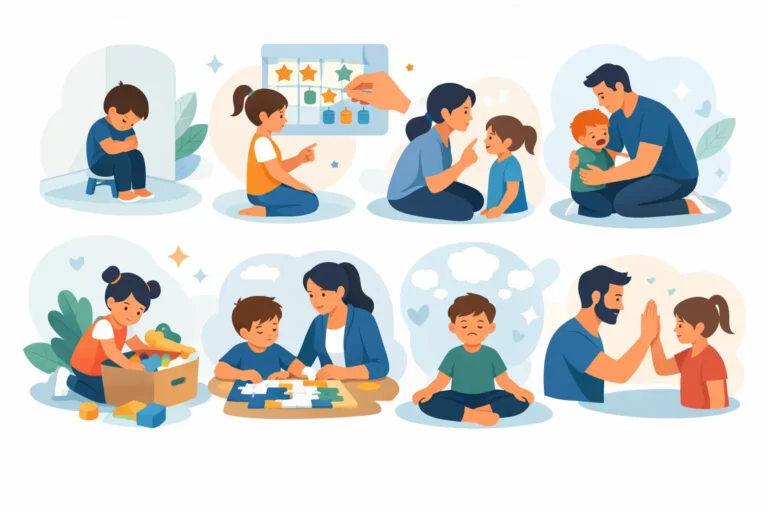
When a child melts down over a small correction, gives up the second something feels hard, or struggles to listen without three reminders, most parents are not looking for harsher punishment. They are looking for better tools. The best discipline activities for children do not rely on fear or constant lectures. They teach self-control through repetition, structure, movement, and follow-through.
That matters because discipline is not the same as obedience. Obedience can disappear the moment an adult leaves the room. Real discipline stays with a child at school, on the playground, during homework, and in those moments when nobody is watching. It shows up as focus, emotional control, respect, and the ability to make stronger choices under pressure.
Why discipline activities for children matter
A lot of families hear the word discipline and think of consequences first. Consequences have their place, but they are only one piece of the picture. Children build discipline by practicing it. Just like balance, coordination, or reading, self-control improves when a child gets repeated chances to use it in a structured way.
That is why passive advice usually falls flat. Telling a child to “focus” is not the same as teaching focus. Saying “be respectful” is not the same as giving them a consistent setting where respectful behavior is expected, modeled, and reinforced. Good discipline activities create those repetitions. They help children feel what success looks like, not just hear about it.
There is also a confidence piece that many parents notice quickly. A child who can manage frustration, stay on task, and respond well to correction starts to carry themselves differently. They feel more capable. That confidence often reduces the exact behaviors parents worry about most, including quitting, arguing, and acting out for attention.
What actually makes an activity build discipline?
Not every structured activity develops discipline equally. Some keep kids busy, but do not ask much of them internally. The activities that work best usually include a few core elements: clear expectations, immediate feedback, repetition, and a standard the child is expected to meet.
They also involve some level of discomfort. Not unsafe discomfort, but the kind that comes from having to wait your turn, try again after a mistake, hold a position a little longer, or stay calm when something feels frustrating. That is where growth happens.
The trade-off is that discipline-building activities are not always the easiest ones to start. A child who is used to quitting may resist structure at first. A child who struggles with confidence may get emotional when corrected. That does not mean the activity is wrong. It usually means the child needs patient guidance and consistency.
8 discipline activities for children that build real self-control
1. Follow-the-sequence drills
Give your child a short series of actions to complete in order, such as clap twice, touch the floor, stand tall, and freeze. Then gradually make the sequence longer or more detailed. This strengthens listening, memory, and controlled execution.
The key is not speed. It is accuracy. Children learn that discipline means paying attention all the way through, not rushing ahead and guessing.
2. Freeze and hold exercises
Ask your child to hold a balanced stance, a seated posture, or a simple athletic position for a set amount of time. This sounds basic, but it teaches body awareness, patience, and the ability to stay composed when they want to fidget or quit.
For younger kids, keep it short and playful. For older children, increase the time and ask for stronger posture. The lesson is simple: control your body, even when it feels uncomfortable.
3. Start-to-finish responsibility tasks
Discipline grows when kids learn to complete a job without constant rescue. Pick one daily responsibility that must be done fully, the same way each day, such as packing a school bag, making the bed, feeding a pet, or setting the table.
The important part is consistency. A task only builds discipline when the standard stays the same and the child is expected to follow through. If the expectations change every day, children get confused. If adults step in too quickly, children learn that persistence is optional.
4. Controlled breathing under stress
A disciplined child is not one who never gets upset. It is a child who learns how to regain control. One of the most useful activities for this is simple breathing practice after mild frustration, exertion, or excitement.
Have your child do a short challenge, then stand still and take slow breaths while counting. This teaches them that calm is something they can create, not something they have to wait for. Over time, that skill carries into test anxiety, sibling conflict, and difficult social situations.
5. Skill repetition with correction
Children often want praise for effort alone, but discipline requires something more. It requires the willingness to be corrected and try again. Pick a physical or practical skill and have them repeat it with feedback each round. It could be footwork, catching and throwing, handwriting, or tying shoes.
This matters because many kids are not derailed by difficulty itself. They are derailed by correction. When children learn that feedback is part of progress, not a personal attack, their emotional resilience improves fast.
6. Respect routines
Discipline is also about behavior toward others. Build short routines that require eye contact, listening, waiting, and respectful responses. That might mean greeting adults clearly, saying “yes ma’am” or “yes sir” if that fits your household, waiting for instructions before beginning, or taking turns speaking without interrupting.
These habits can feel old-fashioned to some families, and that is fine. The exact wording matters less than the principle. Children need regular practice showing respect even when they are distracted, excited, or annoyed.
7. Timed focus blocks
For children who drift during homework or chores, a timed focus block works well. Set a short period where they do one task only, with no switching, complaining, or wandering off. Start small – even five or ten minutes can be enough for a child who struggles with focus.
The point is not to create pressure. The point is to teach sustained attention. Once a child proves they can stay engaged for one block, you can build from there.
8. Martial arts-based training
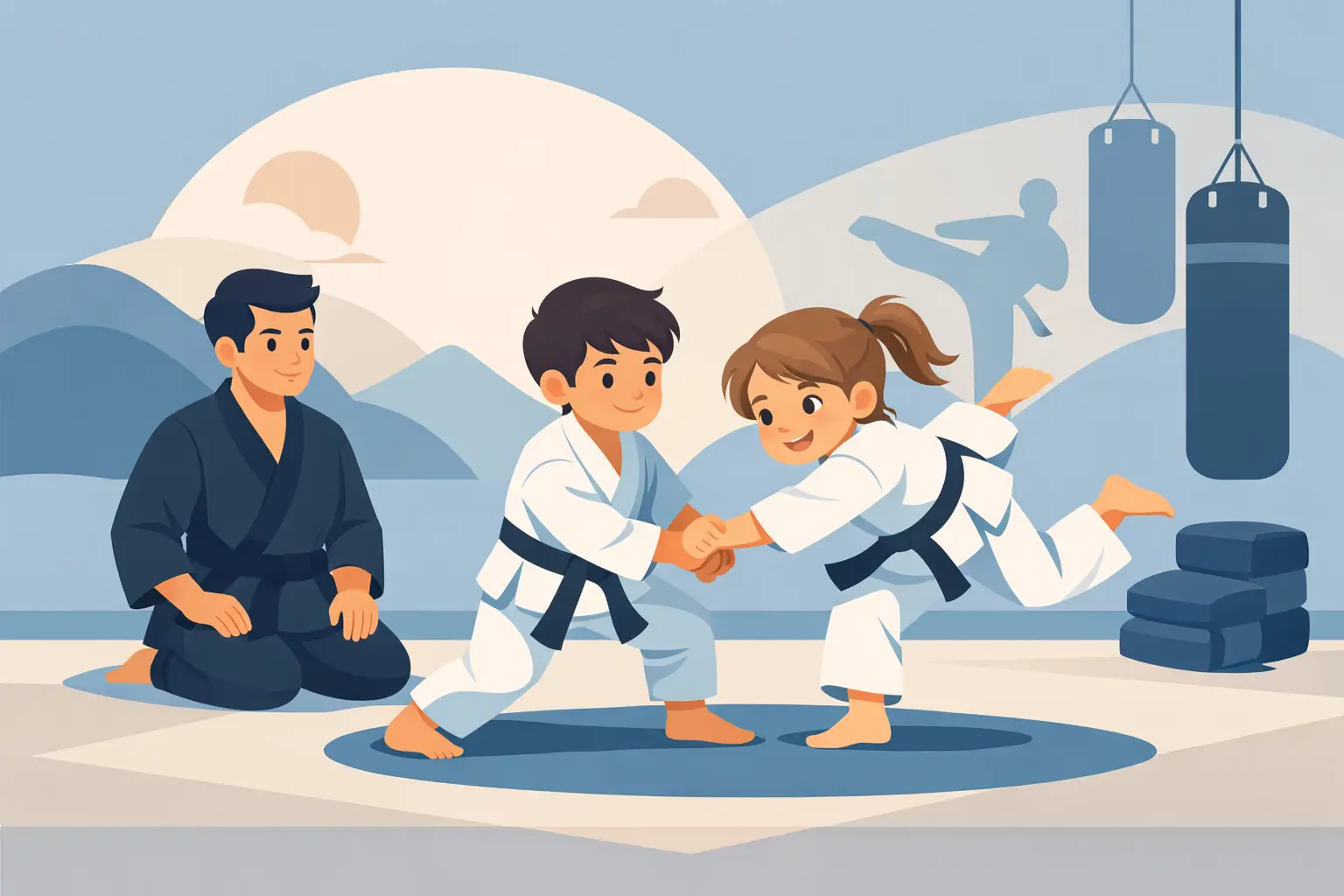
Martial arts remains one of the strongest discipline activities for children because it combines structure, movement, accountability, and emotional control in one setting. A good class asks children to listen carefully, respond quickly, control their bodies, respect instructors, and keep going when something is challenging.
That combination is powerful. Children are not just told to be disciplined. They are expected to practice discipline every few minutes. They stand correctly, follow directions, repeat techniques, manage frustration, and learn that confidence comes from earned progress.
This is especially helpful for children dealing with shyness, low confidence, or bullying concerns. When a child feels stronger and more capable, discipline stops feeling like punishment and starts feeling like personal power. At Inner-Power Martial Arts, that connection between discipline and confidence is exactly why so many families see changes not only in class, but also at home and in school.
How parents can make these activities work at home
The biggest mistake is doing too much at once. If you introduce five new rules, three new routines, and a long correction speech, most children tune out or push back. Start with one or two activities and keep the expectations clear.
Consistency matters more than intensity. A five-minute discipline routine done four times a week will usually outperform a big one-hour reset that only happens when everyone is already frustrated. Children need repetition, not emotional speeches.
Your tone matters too. Strong discipline does not require yelling. In fact, yelling often teaches the opposite lesson because it models loss of control. Calm, direct correction sends a stronger message. It shows children that standards remain in place even when emotions rise.
Praise should be specific. Instead of saying “good job,” point out the exact behavior you want repeated. Say, “You stayed focused even when that was hard,” or, “You fixed that the first time I corrected you.” That helps children connect discipline with action, not just approval.
When a child resists discipline activities
Resistance is normal, especially at the beginning. Some children test limits because they are impulsive. Others resist because structure feels unfamiliar. Some get frustrated quickly because they are afraid of failing.
That is where parents need to look beneath the behavior. A child who acts silly during a focus activity may actually be avoiding the discomfort of trying. A child who argues over every correction may be struggling with confidence, not just attitude. The response should still be firm, but it should also be smart.
Keep the standard. Reduce the drama. Give fewer words, more repetition, and clear follow-through. Children often improve faster when adults stop negotiating every small expectation.
Discipline is not about making a child smaller. It is about helping them become steadier, stronger, and more in control of themselves. When kids practice that in real ways, they carry it into friendships, schoolwork, sports, and stressful moments that would have overwhelmed them before. Start small, stay consistent, and give your child the chance to earn the confidence that comes from self-control.