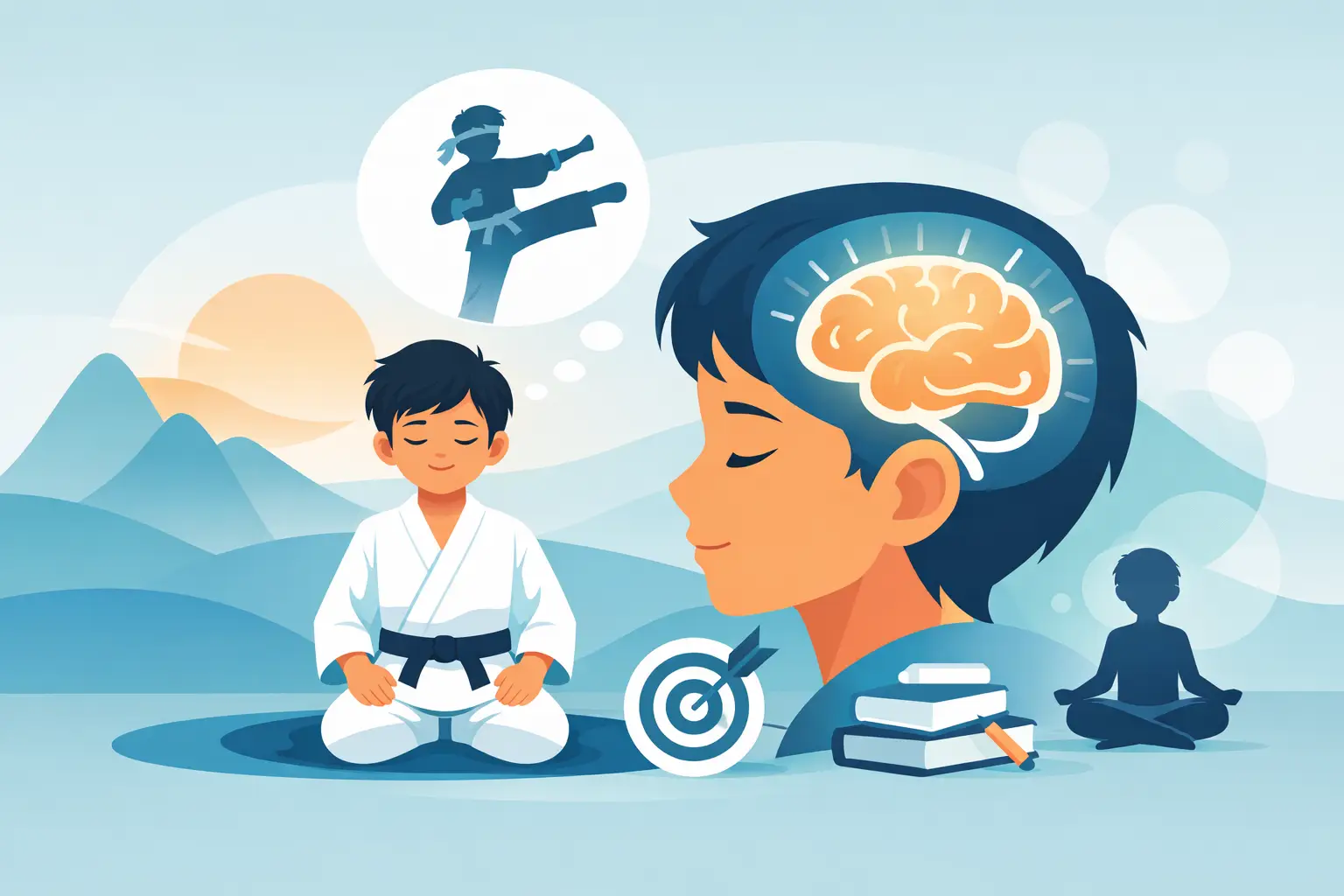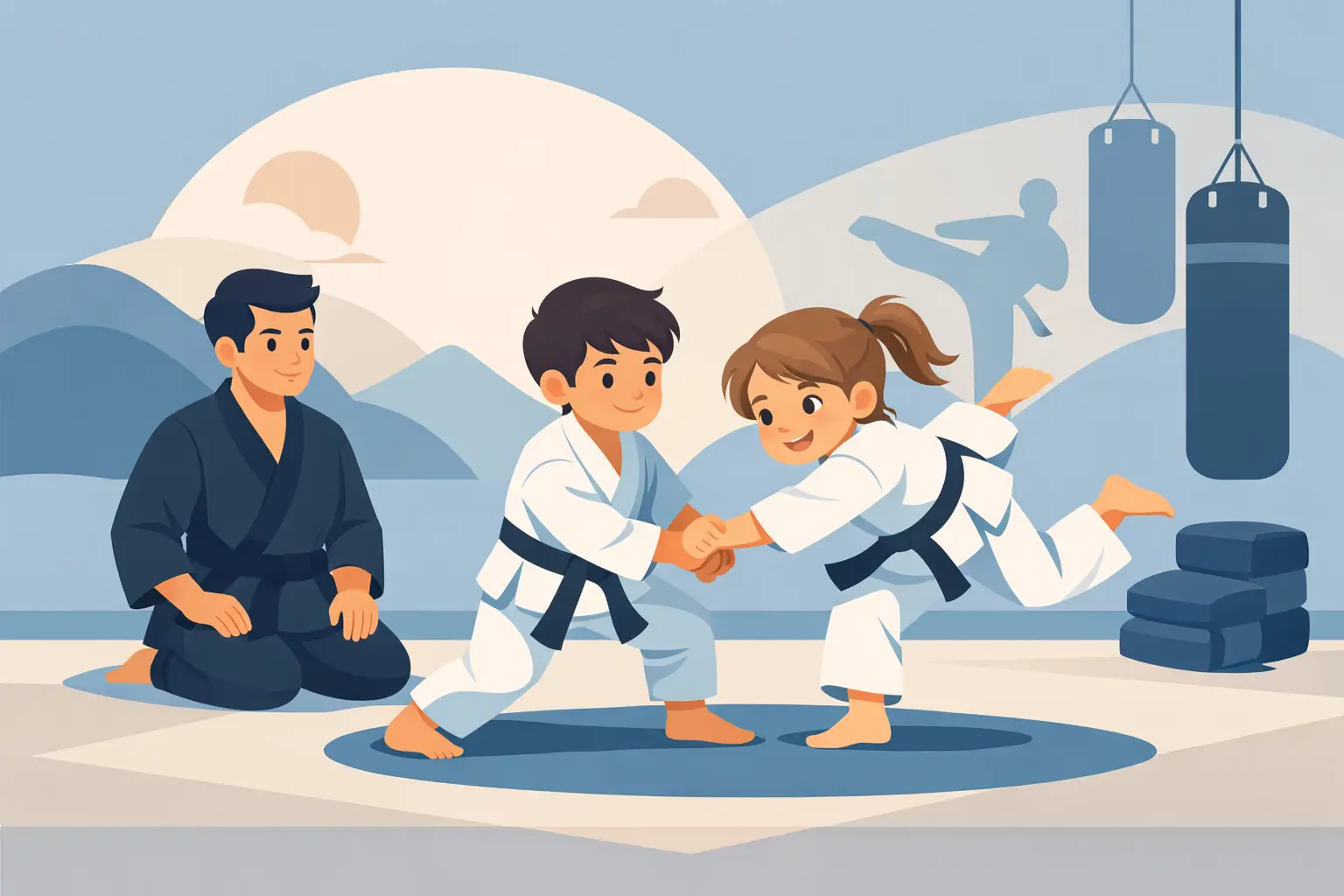
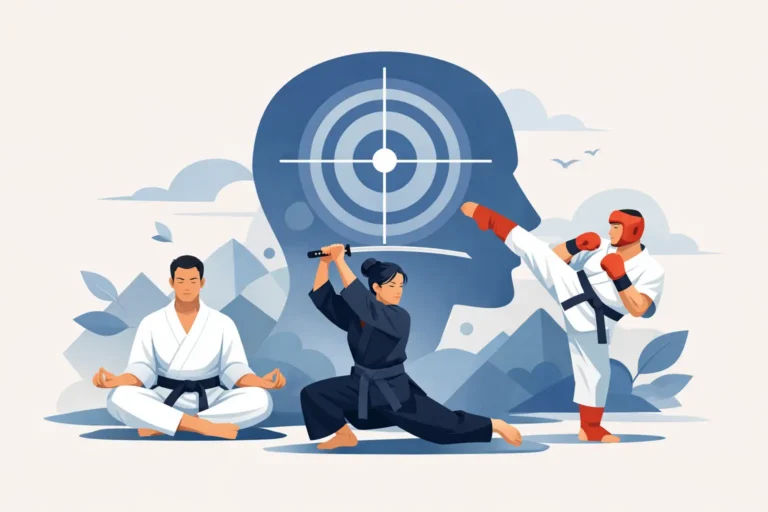
A child who struggles to sit still in class often gets labeled as distracted. A teen who loses steam halfway through homework gets told to try harder. An adult who feels mentally scattered usually blames stress. But focus is not just something you either have or you do not have. It can be trained. That is one reason so many families look at martial arts to improve focus – not simply to stay active, but to build discipline, self-control, and a steadier mind.
The right martial arts program does more than keep students busy for an hour. It teaches them how to listen, follow directions, control impulses, and stay present even when they are tired or frustrated. Those skills matter in school, at home, at work, and in everyday life.
Why martial arts improve focus in the first place
Focus is not just about paying attention. It is about directing your mind on purpose and bringing it back when it drifts. Martial arts training works on that skill repeatedly.
In a good class, students have to watch closely, respond quickly, and remember details. They must follow a sequence, control their body, and stay aware of what is happening around them. That combination matters. Instead of trying to force concentration through lectures, martial arts builds focus through action.
There is also a physical side to it. Many students focus better when movement is part of the learning process. Sitting still is hard for some kids, especially after a full day at school. Martial arts gives them structure, but it also gives them motion. That balance often helps restless students settle down and pay attention more effectively.
For teens and adults, the benefit shows up differently. Training creates a break from constant mental noise. When you are practicing a technique, working with a partner, or reacting in real time, your attention has to stay in the moment. That kind of training can be a powerful reset.
What makes the best martial arts to improve focus
Not every martial arts school builds concentration the same way. Style matters, but teaching quality matters more.
A strong program uses clear instruction, consistent expectations, and steady progression. Students should know when to listen, when to move, and what success looks like. That structure helps them develop attention over time instead of feeling overwhelmed.
The other key factor is relevance. Students tend to focus better when the training feels meaningful. If a child sees how martial arts helps with confidence and bullying prevention, they become more engaged. If a teen or adult sees the connection to real-world self-defense and mental resilience, they are more likely to stay committed.
This is where practical systems often stand out. Training that connects discipline to everyday safety and personal growth usually holds attention better than classes that feel disconnected from real life.
Hapkido and martial arts to improve focus
If your goal is finding martial arts to improve focus, Hapkido deserves serious attention. It is a practical system that develops awareness, control, timing, balance, and composure under pressure. Students are not just memorizing movement for its own sake. They are learning how to respond, adapt, and stay calm.
That matters for focus because concentration improves when students understand the purpose behind what they are doing. A child learning how to stand confidently, use their voice, and practice age-appropriate self-defense is mentally engaged in a different way than a child simply going through motions. A teen learning how to manage pressure and react with control develops attention that carries over into school and social situations. Adults often find that practical training helps them feel sharper, more grounded, and less mentally scattered.
Hapkido also asks students to coordinate mind and body at the same time. They must pay attention to stance, distance, balance, partner movement, and instructor cues. That kind of layered awareness strengthens concentration in a very real way.
Focus looks different at every age
One mistake parents make is expecting focus to look the same for a 5-year-old, a 10-year-old, and a teenager. It does not. The best martial arts schools understand that and teach accordingly.
Young children need short wins and clear structure
For younger kids, focus starts with simple habits. Stand on your spot. Eyes on the instructor. Wait your turn. Follow two-step directions. Finish what you started. These may sound basic, but they are the building blocks of discipline.
A strong early childhood class should be energetic without feeling chaotic. Young children need movement, but they also need boundaries. When an instructor can keep class fun while still reinforcing listening and self-control, kids begin to build the attention skills that support them in school and at home.
School-age kids need challenge and accountability
As children get older, they can handle more detail and responsibility. This is often the sweet spot for developing stronger focus. They can remember combinations, partner safely, and work toward meaningful goals.
At this age, martial arts can be especially helpful for kids who are bright but inconsistent. Many children know what they should do, but they struggle to stay locked in long enough to do it well. Martial arts helps bridge that gap by requiring attention, effort, and follow-through every class.
Teens and adults need pressure-tested concentration
Older students often deal with a different kind of distraction. Stress, social pressure, screens, and packed schedules can all pull attention in too many directions. Martial arts gives them a place to train concentration with purpose.
For teens, that may mean learning to stay calm under pressure and carry themselves with more confidence. For adults, it may mean stepping away from mental overload and building a stronger sense of control. In both cases, focus improves because training demands presence.
The trade-off parents should understand
Martial arts can absolutely help with concentration, but it is not magic. Progress depends on consistency, instruction, and fit.
Some children need time before they settle into class routines. Some teens resist structure at first. Some adults expect instant mental clarity after a stressful week and get frustrated when it takes repetition. That is normal.
It also depends on the school. A loud, disorganized class with weak discipline can make focus worse, not better. On the other hand, a program that is too rigid or disconnected from real student needs can lose engagement. The best environment is one that combines structure, encouragement, and clear standards.
What parents and students should look for in a school
If focus is one of your main goals, watch how a class is taught. Are instructors commanding attention in a positive way? Do students know what is expected? Is there a balance of energy and discipline? Do children seem engaged, not just entertained?
You should also ask what the program is really designed to build. Some schools lean heavily on tradition and performance. Others emphasize practical self-defense, confidence, and life skills. Neither is automatically wrong, but if your family cares about everyday discipline, resilience, and better attention, practical training may be the better fit.
That is one reason many local families choose Inner-Power Martial Arts. They are not looking for busywork or empty routines. They want training that helps their child become more focused, more confident, and better prepared for real life.
How focus training carries into daily life
The real value of martial arts is not what happens only on the mat. It is what follows students home.
A child who learns to listen carefully in class may start following directions better at school. A student who once shut down when frustrated may begin pushing through challenges with more patience. A teen who felt intimidated may carry themselves with greater confidence. An adult who arrived mentally drained may leave feeling sharper and steadier.
That transfer does not happen overnight, but it happens often when training is consistent and purposeful. Focus grows through repetition. So does confidence. So does self-control.
If you are considering martial arts because your child seems distracted, or because you feel mentally pulled in too many directions yourself, that instinct is worth paying attention to. The right training can do more than teach kicks and self-defense. It can teach a person how to slow down, pay attention, and respond with confidence when life gets noisy.
And for many families, that kind of focus changes far more than what happens in class.