If your child shuts down when faced with conflict, struggles to focus, or seems unsure of themselves in new situations, the right martial arts training can change more than after-school hours. The best martial arts classes Howell families look for are not just about kicks and punches. They are about helping kids stand taller, speak more clearly, and handle pressure with calm confidence. For teens and adults, that same training can mean practical self-defense, sharper discipline, and a stronger mindset.
In Howell, families are not just looking for an activity to fill the week. They want something that builds character, improves fitness, and gives students tools they can actually use in real life. That is where the difference between recreational martial arts and purposeful martial arts training becomes clear.
What families really want from martial arts classes in Howell
Most parents are not searching for a black belt trophy case. They are looking for signs that their child is growing stronger on the inside. They want better listening at home, more focus at school, and the kind of confidence that helps a child handle social pressure without falling apart. If bullying is part of the concern, parents also want reassurance that their child can recognize danger, set boundaries, and respond appropriately.
That is why not all programs feel the same once you step inside. Some schools put most of their energy into forms, tradition, and tournament-style performance. There is value in discipline and structure, but for many families, it depends on what outcome matters most. If your goal is practical self-defense and personal confidence, the training should reflect that from the start.
A strong program teaches students how to move with purpose, stay aware of their surroundings, and respond under pressure. It also teaches restraint, respect, and emotional control. Those qualities matter just as much as the physical side, especially for children who are shy, anxious, or easily overwhelmed.
Why practical self-defense matters
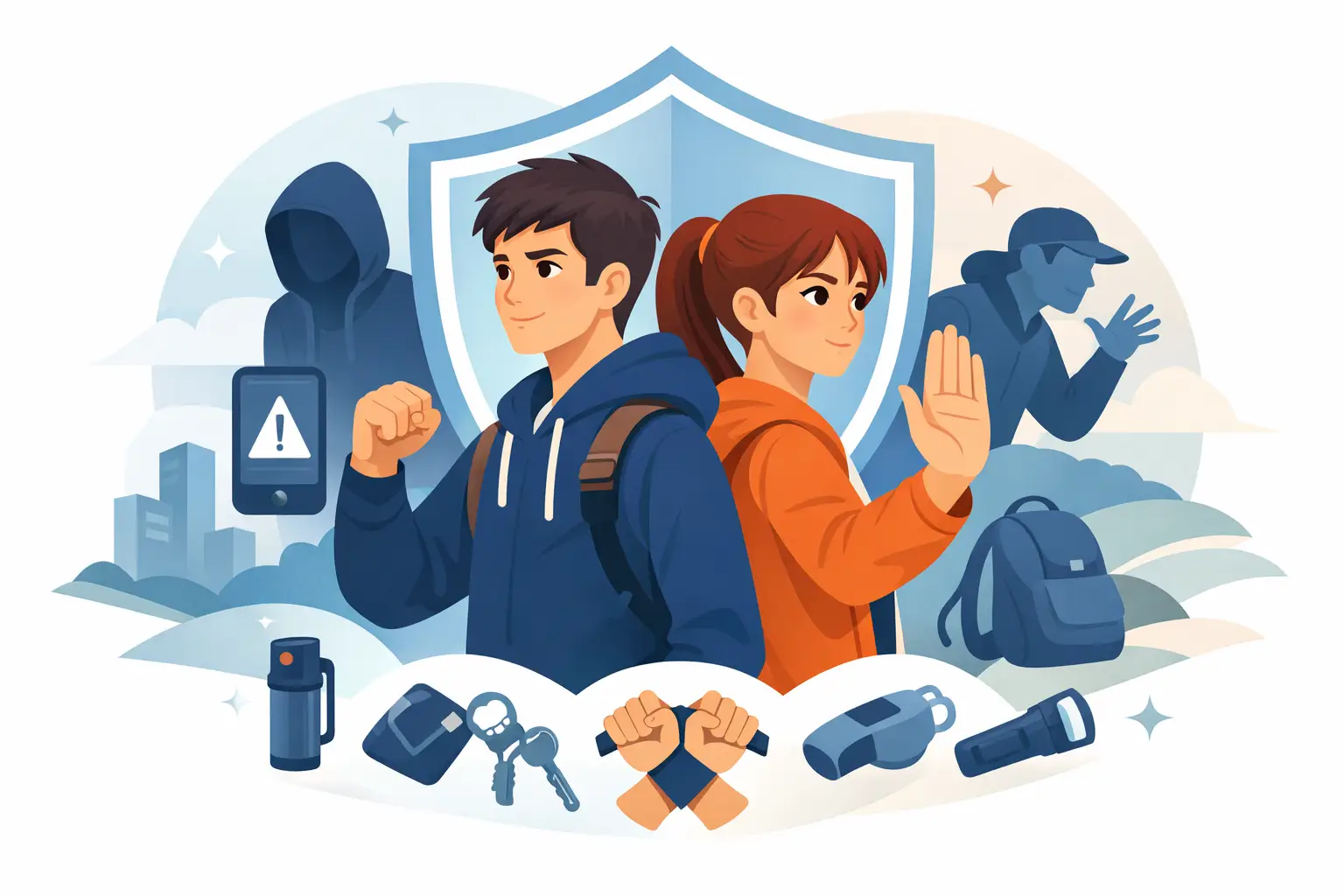
A lot of martial arts schools talk about confidence, but confidence built on repetition alone is not always enough. Real confidence comes from knowing what to do when something feels wrong. That is why practical self-defense training matters.
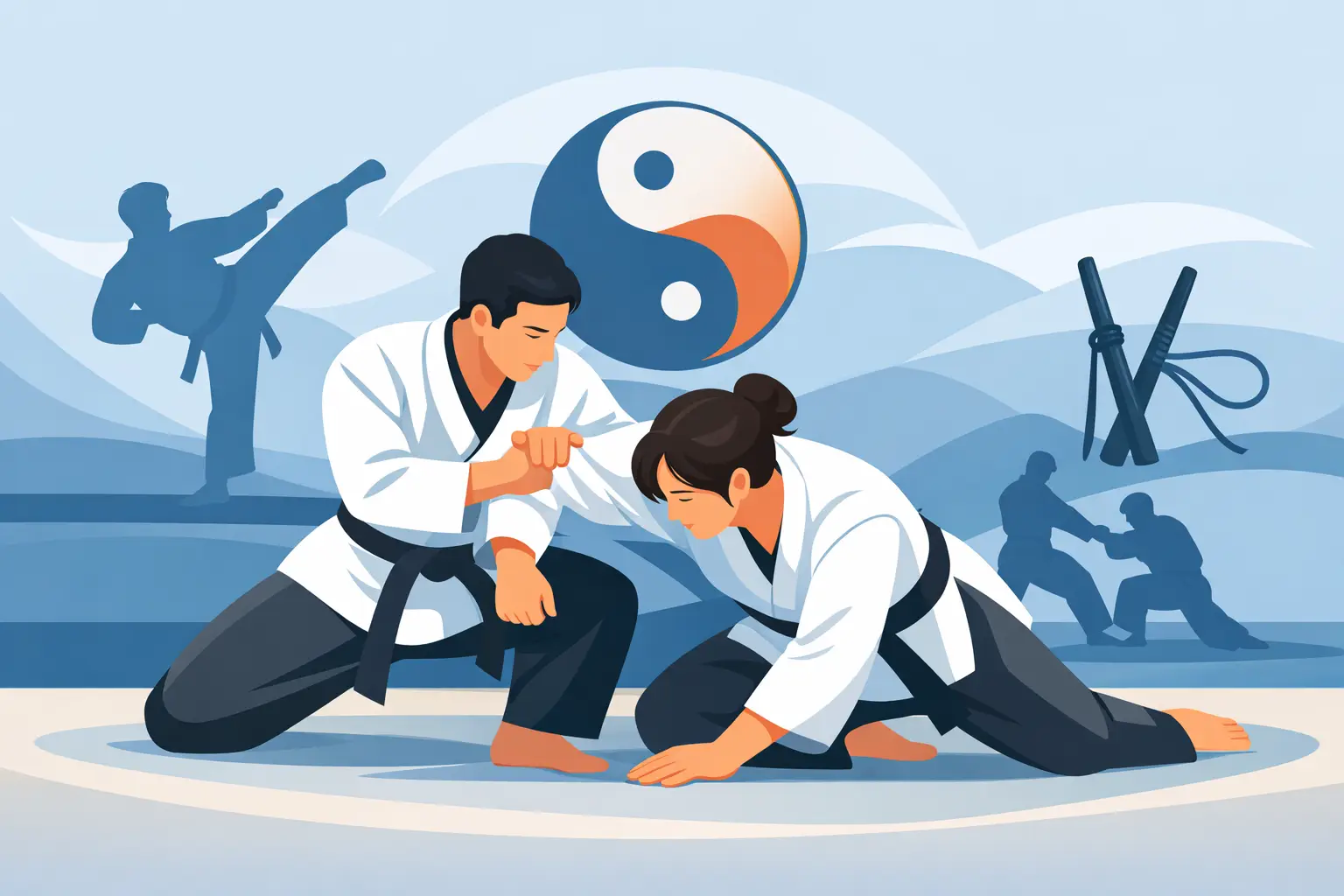
In Hapkido-based instruction, students learn how to deal with realistic situations rather than memorizing movements that only work in ideal conditions. They practice balance, leverage, body control, and awareness. For children, that may mean learning how to use strong posture, a confident voice, and simple escape-based movements. For teens and adults, it often includes more advanced self-defense skills, reaction training, and conditioning.
This kind of training can be especially powerful for students who have felt physically or emotionally vulnerable. When they begin to understand how to protect themselves, they often become more composed in everyday life. Parents notice it in the way their child walks into class. Teachers may notice it in the classroom. Students feel it in the way they carry themselves.
Martial arts classes Howell parents choose for different ages
Age-specific training matters. A four-year-old does not learn the same way a ten-year-old does, and a teenager does not need the same environment as an adult beginner. When classes are organized by age and stage of development, students usually progress faster and feel more successful.
Early childhood programs build the foundation
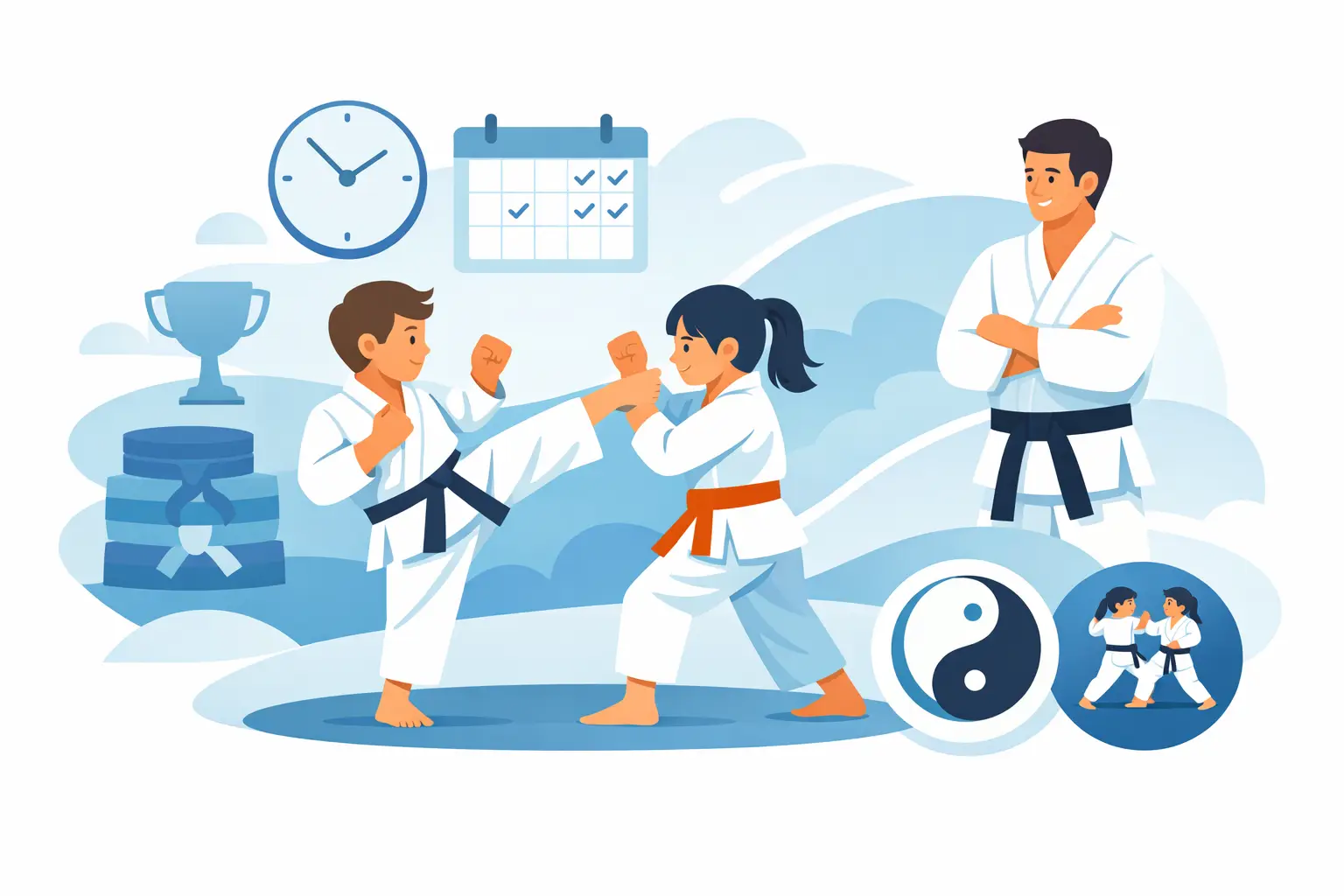
For younger children, martial arts should introduce structure in a positive, encouraging way. Kids ages 4 to 6 need movement, clear direction, and short lessons they can absorb. At this stage, the biggest wins are focus, listening, coordination, and confidence.
A well-run beginner program helps young children learn how to follow instructions, take turns, and stay engaged in a group setting. Those may sound like small things, but they often carry over into school readiness and behavior at home. For parents of shy children, these classes can also become a safe place where confidence starts to grow.
School-age kids need confidence and discipline they can use
For ages 7 to 12, training can become more skill-based while still reinforcing life lessons. This is often the age where social dynamics get tougher. Kids become more aware of peer approval, more sensitive to criticism, and more likely to experience teasing or bullying.
Martial arts can help by giving them a sense of control. They learn how to stay composed, speak assertively, and use their bodies with intention. They also learn that discipline is not punishment. It is the ability to stay focused, finish what you start, and respond with self-control even when emotions run high.
That combination is powerful for children who need more than exercise. It gives them a framework for growth.
Teens and adults need training that feels real
Older students usually want training with a clear purpose. Teens may be looking for confidence, stress relief, and self-defense before college or work. Adults often want fitness, practical safety skills, and a productive way to manage stress.
This is where realistic martial arts instruction stands out. Students are not treated like they are there for a performance. They are there to improve. That means learning applicable skills, building conditioning, and developing the kind of resilience that carries beyond the mat.
What to look for in a martial arts school
If you are comparing martial arts classes Howell has to offer, look beyond the class schedule. Watch how instructors interact with students. Notice whether children are simply being kept busy or whether they are being coached with purpose. A strong school should feel structured, respectful, and encouraging at the same time.
You should also pay attention to whether the instruction matches your goals. If your child needs help with confidence and bullying prevention, ask how those lessons are taught. If you are an adult seeking self-defense, ask whether training includes realistic scenarios and practical application. The answers should be clear, not vague.
Culture matters too. Some people thrive in a highly competitive environment. Others need a school that feels welcoming but serious. Neither is automatically wrong, but the right fit depends on the student. Families often stay with a program for years, so the environment matters as much as the curriculum.
The difference a local school can make
There is something powerful about training in a school that understands the concerns of local families. Parents in Howell, Jackson, Freehold, Farmingdale, and nearby communities are often balancing the same pressures – busy schedules, school demands, safety concerns, and the need to help their children grow into confident, capable people.
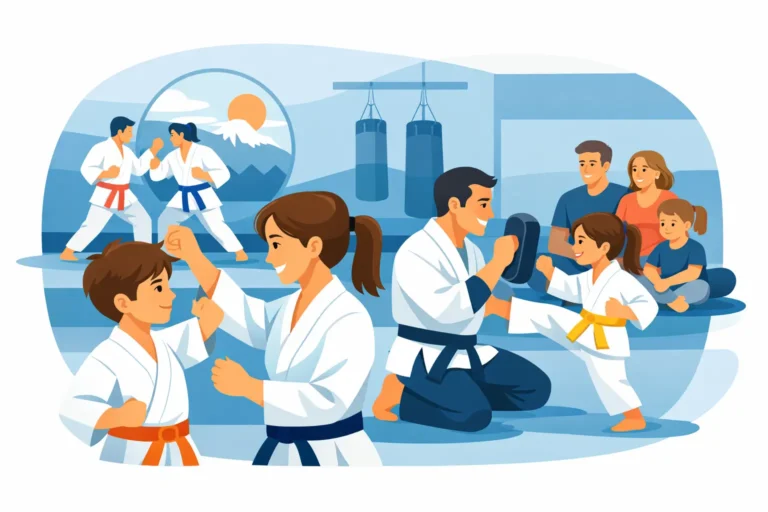
A community-based martial arts school becomes more than a place for classes. It becomes a support system. Students build familiarity, friendships, and trust. Parents feel comfortable because they can see progress over time, not just in skill but in maturity. That local connection creates accountability and consistency, which are essential in long-term development.
At Inner-Power Martial Arts, that focus on real-world confidence is central. The training is designed to help students become stronger physically and mentally, with programs that meet kids, teens, and adults where they are.
Why confidence is the result that lasts
The physical benefits of martial arts are easy to spot. Students get stronger, faster, and more coordinated. But the deeper value is often what happens beneath the surface. A child who once avoided eye contact starts answering with confidence. A teen who felt anxious begins carrying themselves differently. An adult who used to feel vulnerable starts moving through daily life with more awareness and control.
That kind of confidence is earned. It comes from consistent training, supportive coaching, and the experience of doing hard things successfully. It does not happen overnight, and it should not be sold that way. Real growth takes time. But when the training is right, the changes are hard to miss.
If you are considering martial arts for yourself or your child, think about the result you want a year from now. Not just better fitness. Not just a new activity. Think about greater focus, stronger self-discipline, and the peace of mind that comes from knowing you or your child can handle challenges with strength and composure.
The right class does more than teach technique. It helps people feel safer in their own skin, and that is a skill that reaches into every part of life.