Most people do not start looking for a guide to practical self defense because they want a new hobby. They start because something feels off. A child is getting pushed around at school. A teen is heading into more independent situations. An adult realizes that being in decent shape is not the same as knowing what to do under pressure. That is where practical self-defense matters – not as fear training, but as confidence training for real life.
At its best, self-defense is not about fighting. It is about awareness, posture, judgment, boundaries, and the ability to respond when someone crosses a line. Good training helps people carry themselves differently. Parents often notice it first in the way their child makes eye contact, speaks up, and stops shrinking in social situations. Adults feel it too, especially when they stop second-guessing themselves and start trusting their ability to stay calm and act decisively.
What a guide to practical self defense should really teach
A lot of people picture self-defense as a collection of dramatic moves. That is usually the wrong place to start. In the real world, the first layer of protection is recognizing trouble early and avoiding it when possible. The second is setting clear boundaries. The third is having simple, repeatable physical skills that work under stress.
That order matters. If a program jumps straight into flashy techniques without teaching awareness and assertiveness, it misses the point. Real self-defense is built for messy situations, not perfect ones. It has to work when you are surprised, when your heart rate spikes, and when the other person does not cooperate.
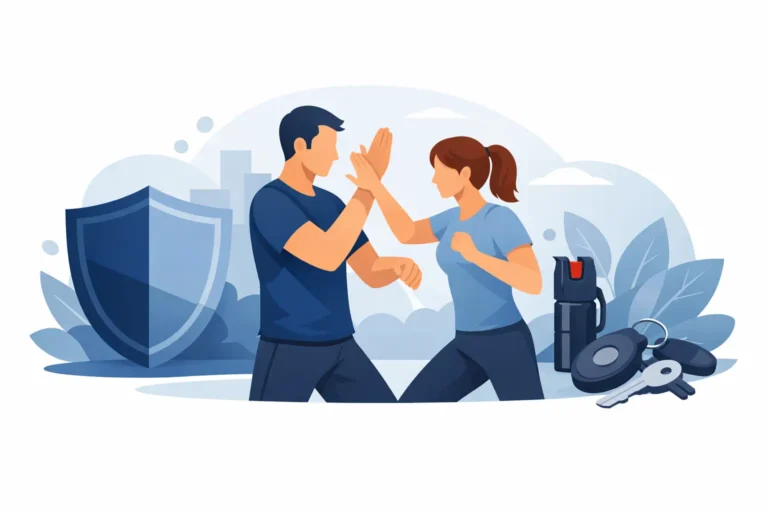
For children, this often means learning how to recognize unsafe behavior, use a strong voice, and create space. For teens, it includes handling peer pressure, social intimidation, and the kind of bad decisions that happen in parking lots, hallways, and group settings. For adults, it may mean learning how to manage close-range grabs, escapes, and the pressure of making fast choices when there is no time to think through every option.
Confidence is not a bonus – it is part of self-defense
One of the biggest misunderstandings about martial arts is that confidence appears after someone becomes highly skilled. In reality, confidence starts growing much earlier when training is taught the right way. A student learns to stand tall, move with intention, and stay composed in uncomfortable situations. Those changes affect daily life long before advanced techniques enter the picture.
This matters deeply for children who are shy, hesitant, or easily rattled. Bullies tend to look for easy targets. A child who can speak clearly, hold their ground, and project self-respect often becomes less appealing to someone looking to intimidate. That does not mean confidence solves every problem, and it certainly does not excuse bullying behavior from others. It does mean presence can change the outcome before a physical confrontation ever begins.
Adults benefit from the same principle. Practical self-defense training can help someone stop freezing, stop apologizing for taking up space, and start responding with more authority. That shift is physical, but it is also emotional. When people know they have options, fear has less control over them.
The most practical skills are often the simplest
A strong guide to practical self defense keeps things simple enough to remember under stress. Complicated sequences may look impressive in a demonstration, but they often break down in real situations. The best skills are direct, teach clear body mechanics, and can be practiced until they become second nature.
That includes movement, balance, and positioning. It includes breaking grips, protecting vulnerable targets, and getting out of danger quickly. It also includes using your voice. Many people underestimate how powerful verbal assertiveness can be. A strong command voice can draw attention, create hesitation, and send a clear message that you are not an easy target.
The right training also addresses what happens after the initial response. Can you create distance? Can you get to safety? Can you help your child understand when to seek an adult, when to yell, and when to run? Can a teen distinguish between a social conflict and a true safety threat? These are practical questions, and they deserve practical answers.
Why age-specific training matters
Not every self-defense program is built for the same student, and that is a good thing. A 5-year-old does not need the same instruction as a 15-year-old. An adult beginner should not be taught like a competitive athlete. The most effective programs understand those differences and teach accordingly.
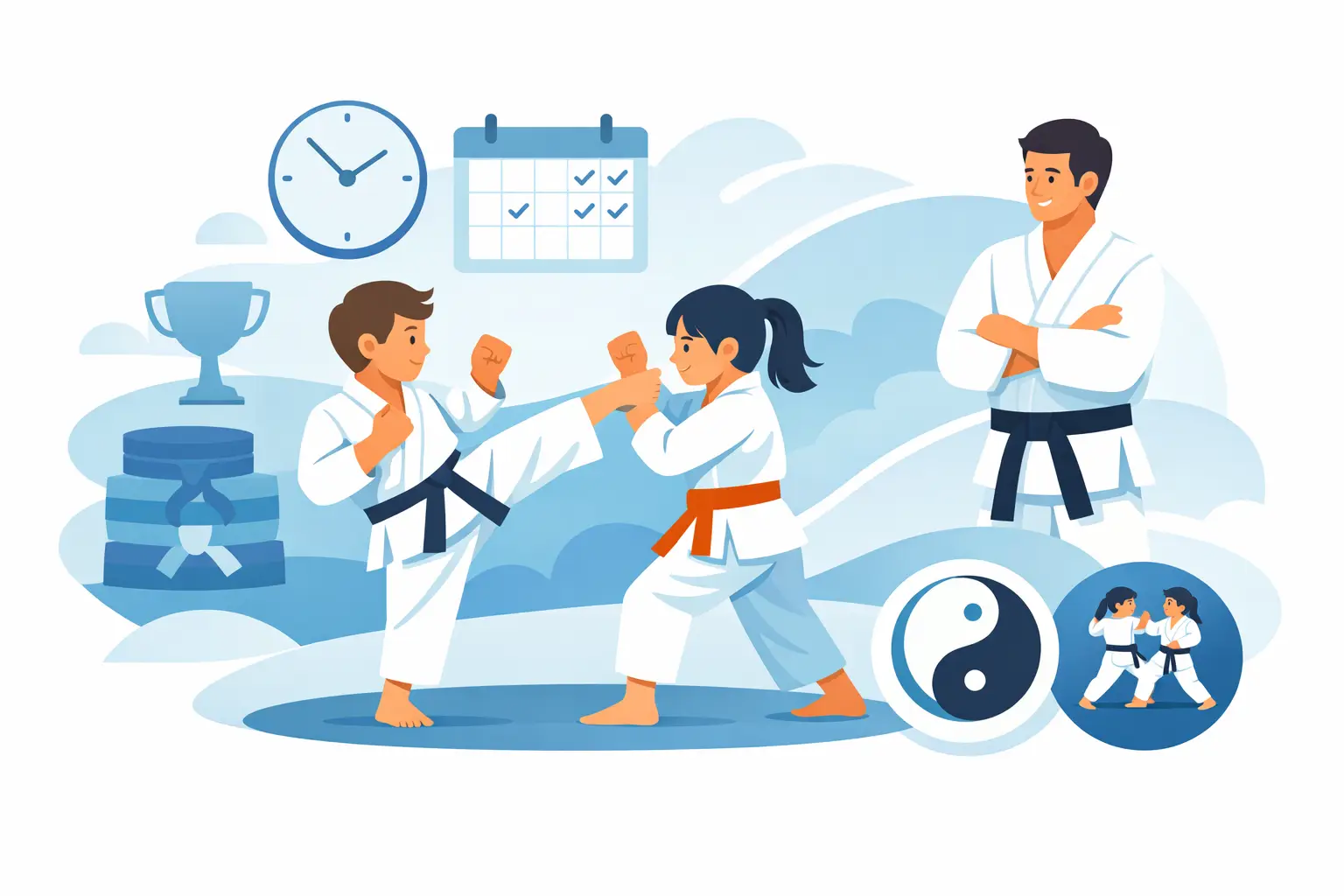
Young children need simple concepts, repetition, and encouragement. They learn best when safety skills are tied to posture, listening, focus, and basic boundary-setting. If the environment is too intense or too technical, they may shut down or miss the lesson entirely.
School-age children can handle more structure and more responsibility. This is often the stage where parents see major changes in focus, discipline, and self-control. Kids begin to understand not just what to do, but why it matters. They start connecting martial arts training to school, friendships, and how they carry themselves in the world.
Teens and adults usually need a more direct approach. They want realistic training, clear instruction, and skills that make sense outside the classroom. They may also carry more emotional pressure into training – stress, insecurity, past negative experiences, or concern about personal safety. Good instruction meets them there without making training feel intimidating or performative.
What to look for in practical self-defense training
If you are choosing a program for yourself or your child, look beyond the surface. A school can have uniforms, belts, and a full schedule, but that does not automatically mean the training is practical. Ask what students are actually learning and how those lessons apply to real life.
A quality program should teach awareness, boundary-setting, and physical responses in a way that matches the student’s age and ability. It should build students up rather than scare them. It should challenge them, but also make them feel supported. The goal is not to create aggression. The goal is to create capable, disciplined people who know how to protect themselves and make smart decisions.
It also helps to look for training that develops the whole person. Self-defense is stronger when paired with focus, resilience, and emotional control. A child who gains discipline and confidence is better equipped at school and in social situations. An adult who improves fitness and composure is better prepared to manage stress along with personal safety.
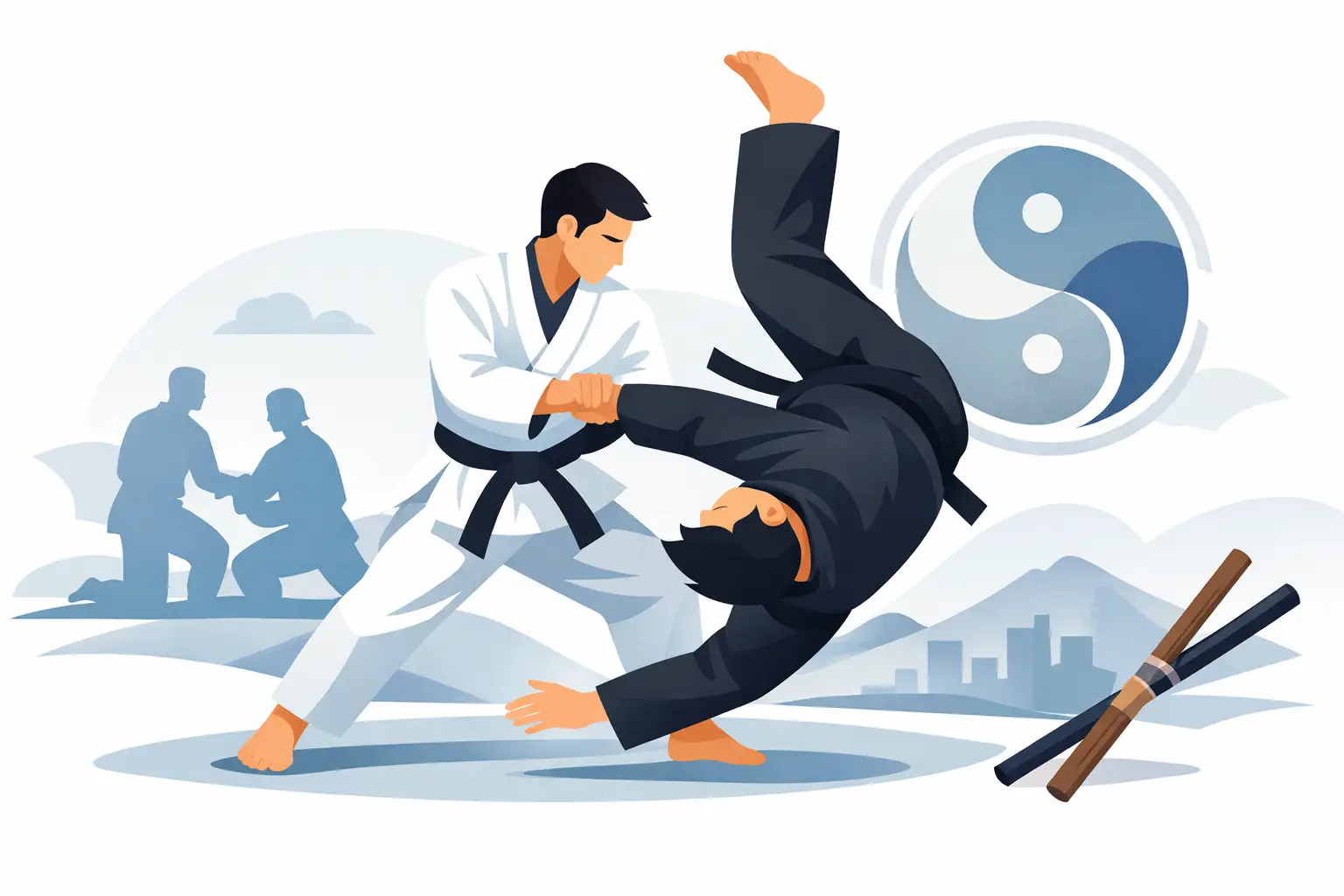
This is one reason families are drawn to Hapkido-based training when it is taught with a practical focus. The system naturally supports real-world self-defense, body control, and efficient movement. At Inner-Power Martial Arts, that practical emphasis matters because families are not looking for theory alone. They want skills their children can carry into school, friendships, and everyday life.
Practical self-defense is about prevention, not proving something
One of the healthiest lessons in self-defense is knowing that success does not always look dramatic. Sometimes success means noticing trouble early and leaving. Sometimes it means using your voice and shutting down a situation before it escalates. Sometimes it means escaping, getting help, and never needing to trade blows at all.
That can be hard for people who expect self-defense to feel heroic or cinematic. Real personal safety is usually less glamorous than that. It is more about judgment than ego. That is especially important for teens, who can easily get pulled into situations where pride and social pressure make everything worse.
For parents, this is a crucial point. You do not want your child trained to seek conflict. You want them trained to avoid it when possible, handle it wisely when necessary, and recover from stressful moments with more confidence instead of more fear.
The right training changes how people carry themselves
The biggest payoff from practical self-defense is not only what someone can do in a worst-case moment. It is how they move through ordinary life afterward. A child becomes less timid. A teen becomes more aware and harder to pressure. An adult becomes calmer, stronger, and less likely to freeze.
Those changes are not accidental. They come from consistent training, patient coaching, and a system that values real-world function over empty performance. There is no single move that solves every problem, and no honest instructor should pretend otherwise. But there is a process that makes people more prepared, more grounded, and more capable over time.
If you are looking for a guide to practical self defense, start there. Look for training that teaches awareness before panic, confidence before conflict, and simple effective skills before flashy ones. The right program does more than teach people how to defend themselves. It helps them walk through life with more strength than they had before.