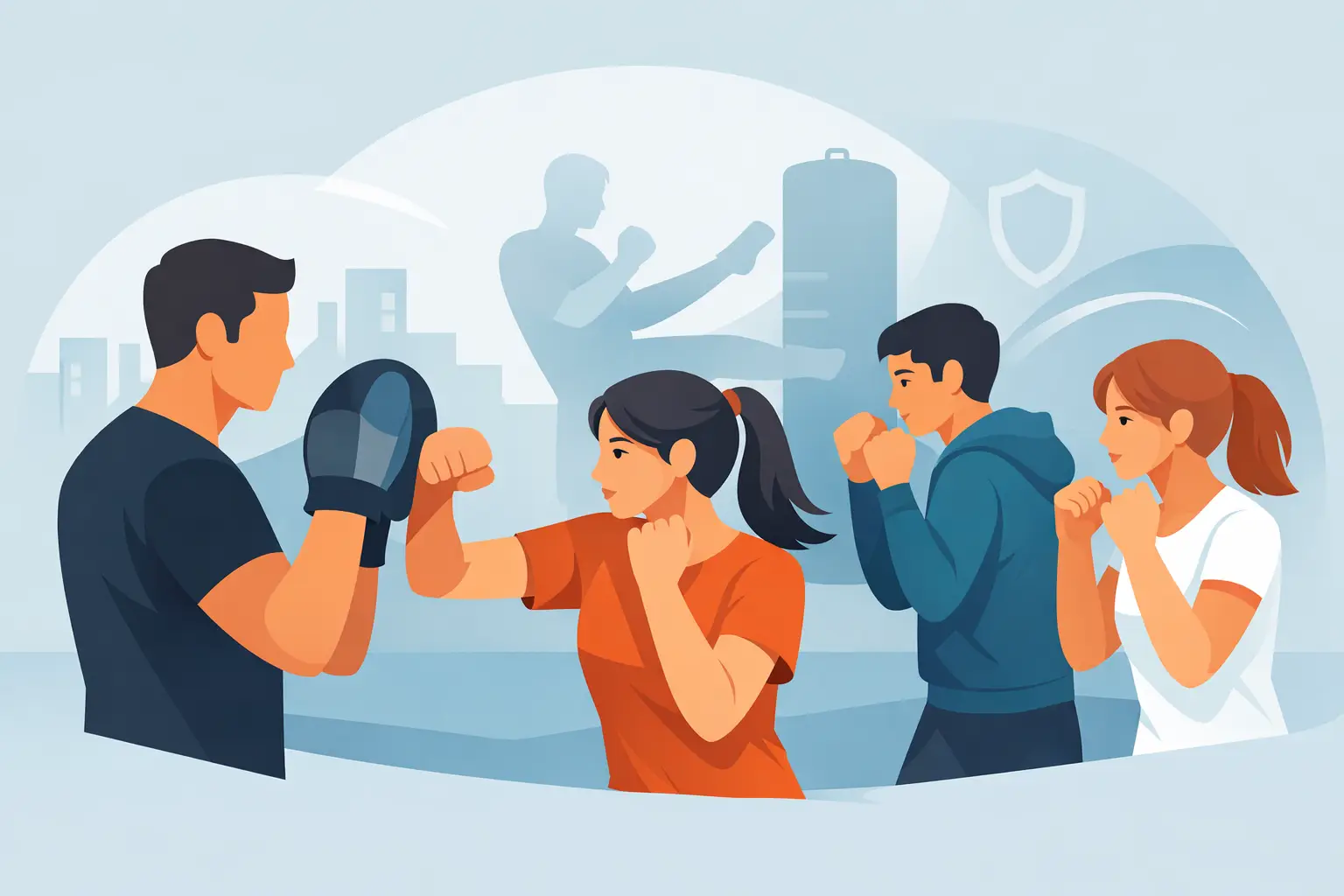
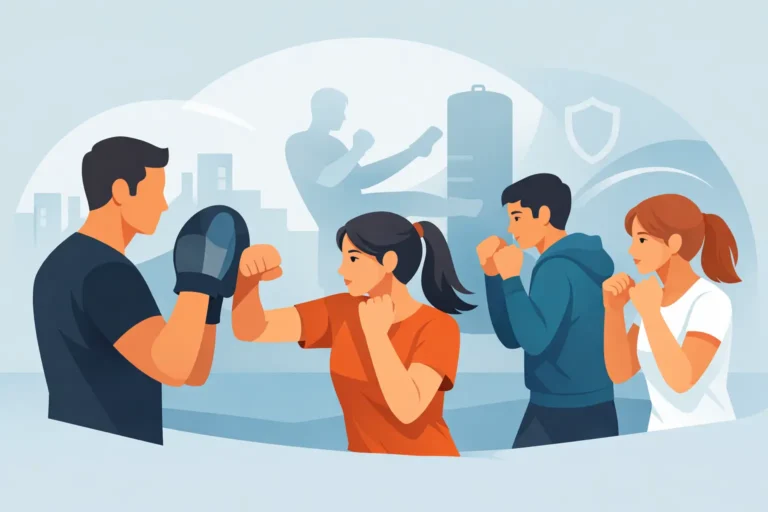
A teen who feels nervous walking into school, speaking up in a tense moment, or handling pressure from peers does not just need a few moves. They need a system that teaches awareness, confidence, and control under stress. That is really how teens learn self defense – not by memorizing flashy techniques, but by building habits they can use when life gets uncomfortable.
For many parents, this topic is not theoretical. It comes up when a son seems withdrawn, when a daughter worries about being targeted, or when college starts to feel closer and independence becomes real. Teens also feel it themselves. They may not always say, “I want self-defense training,” but they do want to feel stronger, more confident, and less afraid of what could happen in social situations, at school, or out in public.
How teens learn self defense in real life
The biggest misconception is that self-defense starts with fighting. In good training, it starts much earlier. Teens first learn how to carry themselves, how to pay attention, and how to project confidence before a situation gets physical.
That matters because most real-world problems do not begin with a dramatic attack. They begin with pressure, discomfort, intimidation, boundary testing, or someone looking for an easy target. A teen who learns to stand tall, make eye contact, speak clearly, and respond assertively is already learning self-defense in a very practical way.
This is one reason structured martial arts training can be so effective for teenagers. It puts them in situations where they must listen, react, stay composed, and keep trying even when something feels difficult. Over time, that changes more than physical skill. It changes how they carry themselves in everyday life.
Confidence comes before technique
Parents often ask whether teens should first learn striking, escapes, or defense against grabs. The honest answer is that technique matters, but confidence usually comes first.
A teen who freezes under pressure will have a hard time applying any technique, even a simple one. A teen who has practiced staying calm, creating space, using their voice, and recognizing danger signs is in a much better position to respond well. This is why strong self-defense instruction does not separate physical training from mental training.
In a quality class, teens are taught to manage adrenaline, not just movement. They learn that feeling nervous is normal. They also learn that nerves do not mean helplessness. Repetition, coaching, and controlled practice help them get used to stress in a safe environment. That process builds real confidence because it is earned, not just talked about.
For shy teens especially, this can be a major turning point. Many students do not walk in looking assertive. They become assertive through consistent training, encouragement, and small wins that add up over time.
Awareness is a core self-defense skill
One of the most valuable lessons teens can learn is how to notice problems early. Situational awareness sounds simple, but for teenagers it takes practice. Phones, social distractions, and fast-moving environments can make it easy to miss warning signs.
Self-defense training teaches teens to be present. They learn to notice distance, body language, exits, and the difference between a normal interaction and one that feels off. They also learn that avoiding danger is not weakness. It is smart.
This is especially important as teens gain more independence. Walking through parking lots, spending time with friends, going to part-time jobs, attending events, and eventually preparing for college all bring new responsibilities. Practical training helps them think clearly in those moments rather than panic or second-guess themselves.
There is also an emotional side to awareness. Teens need to trust their instincts. If something feels wrong, they should know they have permission to create distance, leave, say no, and ask for help. That lesson alone can have a lasting effect.
Why repetition matters more than variety
A lot of parents assume the best self-defense program is the one that teaches the most techniques. Usually, that is not the case.
Teens learn self-defense best when they repeat core skills until those responses become natural. Under stress, people do not rise to the level of complicated knowledge. They fall back on what they have practiced consistently.
That is why practical martial arts programs focus on fundamental movements, clear scenarios, and realistic responses. A smaller set of reliable skills is far more useful than a long list of techniques a teen cannot remember under pressure.
This is where a functional system like Hapkido-based training stands out. When taught well, it gives teens a practical framework for distance, balance, escapes, control, and defense that makes sense in the real world. It is not about performing for a crowd. It is about developing usable skill and the judgment to know when and how to apply it.
The right training environment makes a huge difference
Not every teen learns the same way. Some need challenge right away. Others need a little time to feel comfortable. That is why the training environment matters almost as much as the curriculum.
A strong program should be structured, encouraging, and serious without being intimidating. Teens need instructors who can lead with authority while still understanding the social and emotional pressure students face. If a school only focuses on toughness and ignores confidence, many teens will shut down. If it is all encouragement without standards, progress will be limited.
The best environment balances both. Teens should feel supported, but they should also be expected to improve. They should be corrected when needed, pushed to stay disciplined, and shown that growth comes from effort.
That balance is often what families are really looking for. They do not just want a teen to learn how to block or escape. They want them to become more focused, more composed, and harder to intimidate.
Self-defense and bullying prevention are closely connected
For teenagers, self-defense is often tied to social pressure long before it involves physical danger. Bullying, harassment, exclusion, and intimidation can wear down confidence fast.
This is why practical self-defense should include assertiveness. Teens need to practice using their voice, setting boundaries, and responding without panic. Sometimes the goal is to disengage. Sometimes it is to get help. Sometimes it is to stand firm and make it clear they are not an easy target.
Physical training supports that process in a powerful way. When teens feel stronger in their bodies, they often become stronger in their communication. Their posture changes. Their eye contact improves. They stop looking unsure.
That does not mean every conflict disappears. It means teens are better prepared to handle difficult moments with more control and less fear.
What parents should look for in a self-defense program
If you are evaluating options, look beyond marketing claims. Watch how instructors teach. Notice whether students seem engaged, respectful, and confident. Pay attention to whether the training looks practical or purely performative.
A good teen program should teach awareness, verbal boundaries, realistic physical skills, and mental resilience. It should also be age-appropriate. Teens are not little kids, but they are not adults either. They need instruction that respects their maturity while still guiding them clearly.
It also helps to choose a school that understands the broader picture. Self-defense is not only about emergency situations. It is about confidence at school, better focus, stronger discipline, and the ability to handle pressure without folding. That is why many families in the Howell area look for training that develops the whole student, not just the athlete.
At Inner-Power Martial Arts, that practical approach matters because families want more than activity. They want progress they can see at home, in school, and in how their teen carries themselves.
Real self-defense is really about readiness
When people ask how teens learn self defense, they often expect a simple answer. The real answer is that they learn through repetition, coaching, pressure-tested practice, and steady confidence-building over time.
They learn by becoming more aware, more assertive, and more physically capable. They learn by training in an environment that expects discipline and builds inner strength. And they learn best when self-defense is taught as a life skill, not just a set of moves.
For a teen, that kind of readiness can change far more than one moment of danger. It can change how they walk into school, how they respond to pressure, and how they see themselves when life gets challenging. That is the kind of strength that lasts.