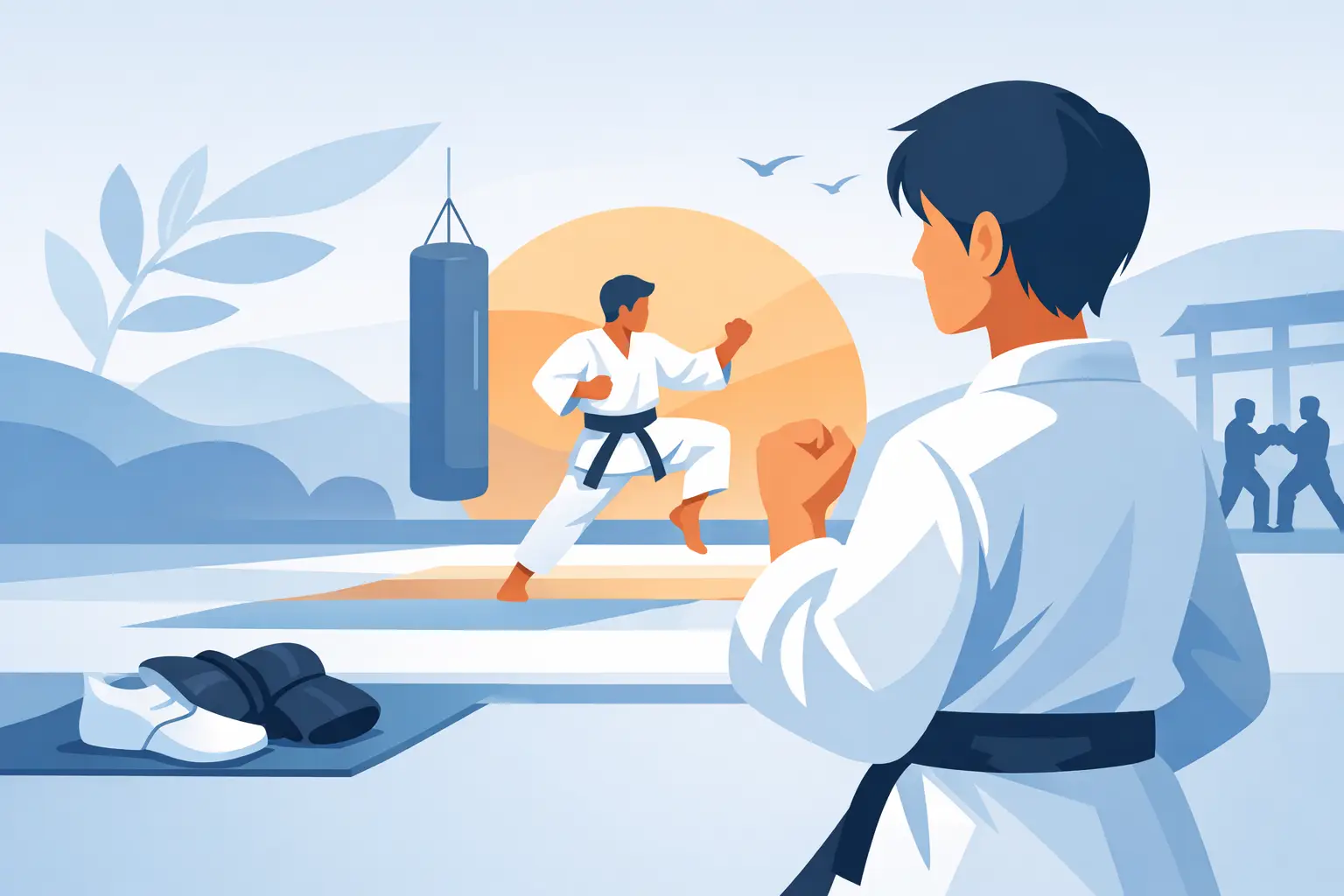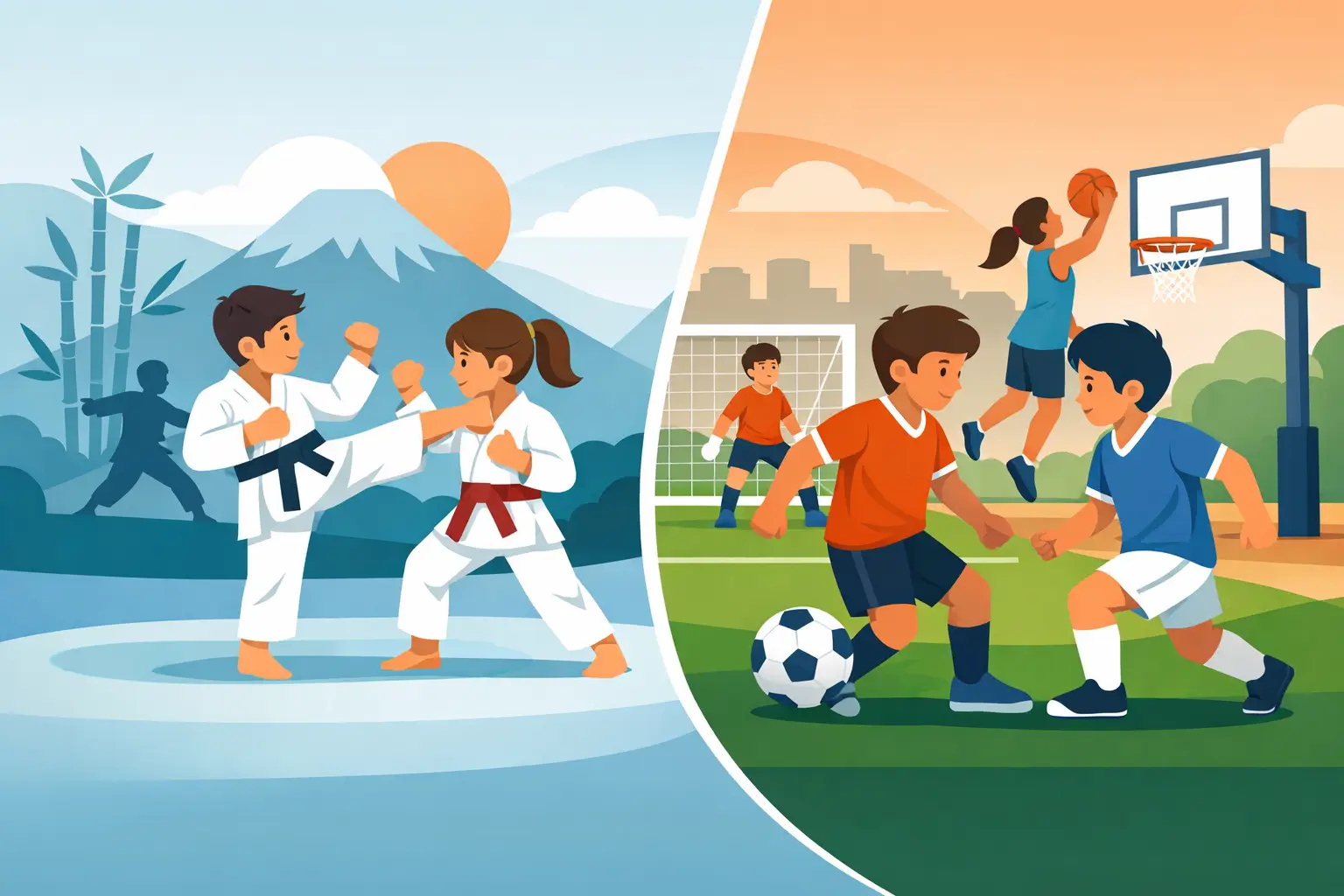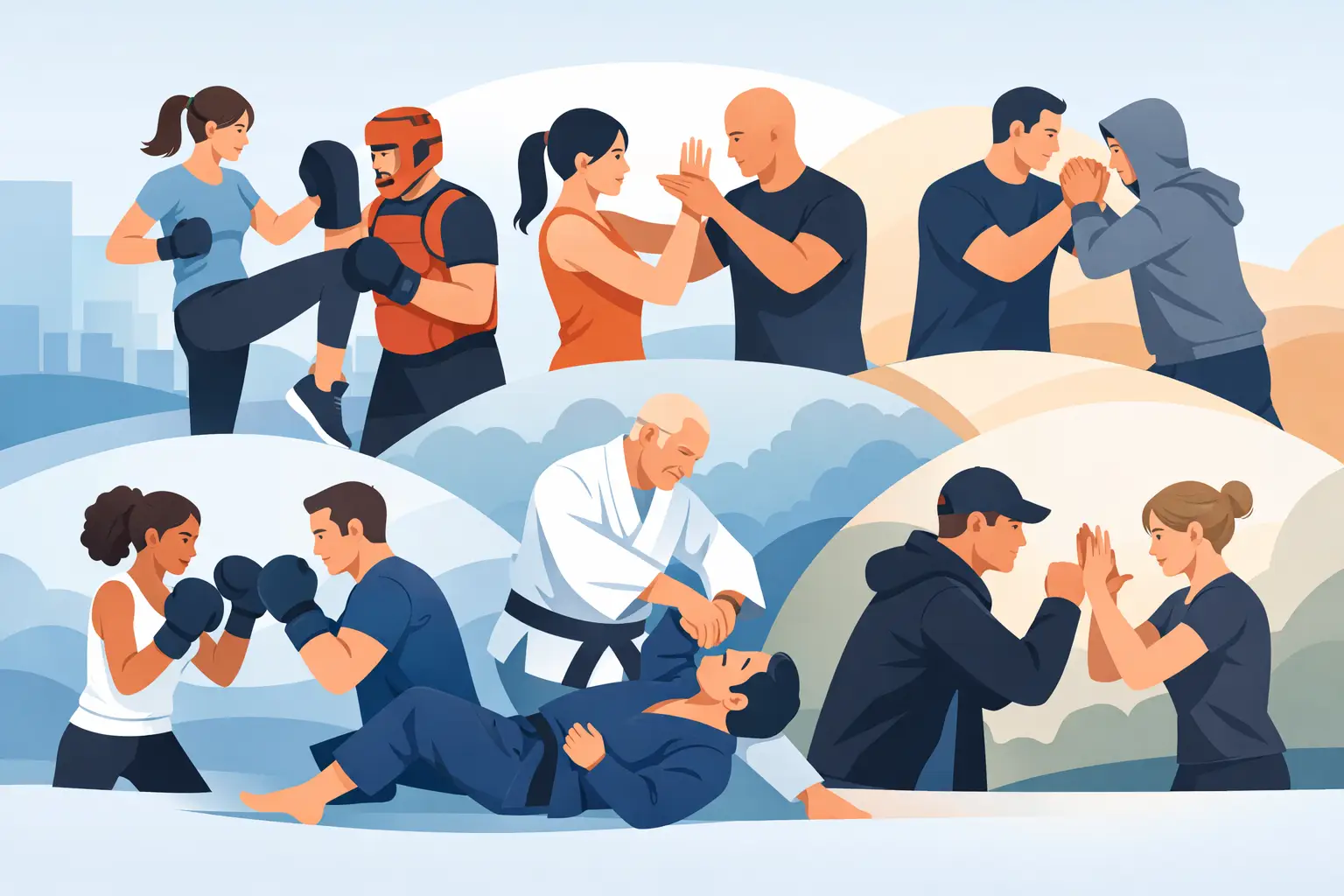

A parent usually sees the confidence problem before a child can explain it. It shows up in the way they avoid eye contact, hang back in new situations, whisper instead of speaking clearly, or shut down after one rough interaction at school. That is exactly why so many families start looking into kids martial arts for confidence – not because they want their child to fight, but because they want them to stand taller, speak up, and feel stronger in their own skin.
The right martial arts program can absolutely help with that. But not every program builds confidence in the same way, and that matters more than most parents realize.
Why kids lose confidence in the first place
Confidence is not something children either have or do not have. It changes based on experience. A child who feels capable at home may feel completely unsure at school. A child who is bright and kind may still freeze when another kid pressures them, excludes them, or talks over them.
For many children, low confidence is tied to very specific struggles. Sometimes it is shyness. Sometimes it is a lack of coordination that makes them hesitant in sports. Sometimes it is bullying, or even just the fear of becoming a target. In other cases, a child has never had many chances to do hard things on their own and succeed through effort.
That is where martial arts can make a real difference. A good class gives children repeated proof that they can learn, adapt, and handle challenges. Over time, that changes how they carry themselves.
How kids martial arts for confidence actually helps
The biggest confidence boost does not come from memorizing moves. It comes from competence.
When a child learns how to stand in a balanced stance, how to use their voice, how to stay calm under pressure, and how to respond to a real-world situation, they start feeling less helpless. That feeling matters. Children become more confident when they believe, deep down, that they can handle themselves.
This is one reason practical self-defense training tends to have such a strong impact. If a program is too focused on performance, ceremony, or long sequences that never connect to everyday life, some kids still enjoy it, but others do not get the same personal transformation. For a child who feels shy, intimidated, or worried about bullying, practical skills often create faster emotional results because the training feels relevant.
Confidence also grows through structure. Kids benefit from clear expectations, respectful instruction, and measurable progress. Earning a stripe, improving a technique, or speaking louder during class may seem small to an adult, but to a child, those wins are powerful. They show them that growth is possible.
Confidence is not just feeling good
Parents sometimes hear the word confidence and think of positive self-esteem talks. Encouragement helps, of course. But lasting confidence is built through action.
A child who is praised constantly without being challenged may feel good for a moment, but that feeling can disappear the second life gets uncomfortable. A child who practices difficult skills, makes mistakes, keeps going, and sees improvement develops something much stronger. They develop earned confidence.
That is the kind of confidence that shows up in school presentations, social situations, and stressful moments with peers. It is not loud or showy. It is steady.
What to look for in a martial arts program
If your goal is confidence, the teaching style matters as much as the art itself.
Look for an academy that knows how to work with children at different ages and personalities. A 4-year-old who needs help with listening and body awareness should not be taught the same way as a 10-year-old dealing with peer pressure and self-doubt. Age-specific classes usually create better results because the instruction meets kids where they are.
It also helps to find a school that teaches more than kicks and punches. Children need guidance in focus, emotional control, respectful communication, and assertiveness. A student who learns to say “stop” with strength and eye contact is building confidence in a way that carries far beyond the mat.
The atmosphere matters too. Some kids thrive in high-energy environments. Others need a setting that is disciplined but welcoming. If a child already feels unsure of themselves, they do best in a school where instructors are firm, encouraging, and skilled at pulling quieter students forward without embarrassing them.
Why practical self-defense builds stronger confidence
There is a clear difference between looking confident and being confident.
When children train in practical self-defense, they learn how to manage distance, maintain awareness, use their voice, and protect themselves if someone grabs, pushes, or corners them. Those lessons are empowering because they connect directly to real situations kids worry about.
That does not mean classes should feel scary or aggressive. In fact, the best programs teach self-defense in a way that makes children calmer, not more reactive. They learn that confidence is not about acting tough. It is about being prepared, controlled, and aware.
For families in Monmouth County who are looking for real change, this approach often makes more sense than a program built mostly around forms and repetition. Traditional training has value, and some children love that structure. But if a parent’s biggest concern is that their child seems timid, distracted, or vulnerable, practical training often feels more directly connected to the outcome they want.
The confidence shift parents usually notice first
Most children do not walk into class shy and walk out fearless on day one. The change is more gradual, and usually more meaningful.
At first, parents notice posture. Their child stands straighter. Then they notice voice. They answer questions more clearly. Then comes resilience. A child who used to give up quickly starts trying again. They become more coachable, less fragile, and less rattled by correction.
For kids dealing with social pressure or bullying, another shift often happens. They stop looking like easy targets. Predatory behavior often goes toward children who seem unsure, withdrawn, or passive. When a child carries themselves with awareness and self-respect, that alone can change how other kids treat them.
This is not a magic fix. Some situations still need school support, parent involvement, and honest conversations at home. But martial arts can give children the internal strength to respond differently and recover faster.
Kids martial arts for confidence and focus go together
Many parents come in asking about confidence and end up equally grateful for the improvement in focus.
That is because the two are connected. Children who struggle to pay attention, follow directions, or control impulses often start doubting themselves. They hear correction all day and begin to feel like they are always behind. Martial arts gives them a different experience. They learn to listen with purpose, respond with discipline, and see themselves succeed step by step.
As focus improves, confidence rises. As confidence rises, many children become more willing to participate, try new things, and stay calm when challenged. This is one reason martial arts can be so valuable for children who seem scattered, frustrated, or hesitant.
The role of community in building confidence
Children do not gain confidence in isolation. They build it in relationships.
A strong martial arts school creates a culture where effort is respected, progress is noticed, and students are held to a high standard without being torn down. That combination matters. Kids need accountability, but they also need to feel safe enough to grow.
In a healthy class environment, children see peers working through similar struggles. The shy child sees another child speak up. The easily distracted child sees another student improve through consistency. That kind of modeling is powerful.
At Inner-Power Martial Arts, that community piece matters just as much as the techniques themselves. Families are not just looking for an activity. They are looking for a place where children can develop real confidence, discipline, and practical self-defense in an environment that takes their growth seriously.
Is martial arts right for every child?
Usually, yes – but the fit depends on the program and the instructor.
Some children warm up immediately. Others need a few weeks before they fully engage. A child who is highly sensitive, very young, or extremely shy may need patient coaching and the right class structure. That is normal. Confidence-building is not one-size-fits-all.
It also helps to be realistic. Martial arts will not turn every quiet child into the loudest one in the room, and it should not try to. The goal is not to change your child’s personality. The goal is to help them become secure, capable, and strong within their own personality.
That is a much healthier kind of confidence, and it lasts.
If your child has been shrinking back, second-guessing themselves, or struggling to feel strong in social situations, the right training can give them something powerful: proof that they are more capable than they thought. Sometimes that is the exact starting point they need.