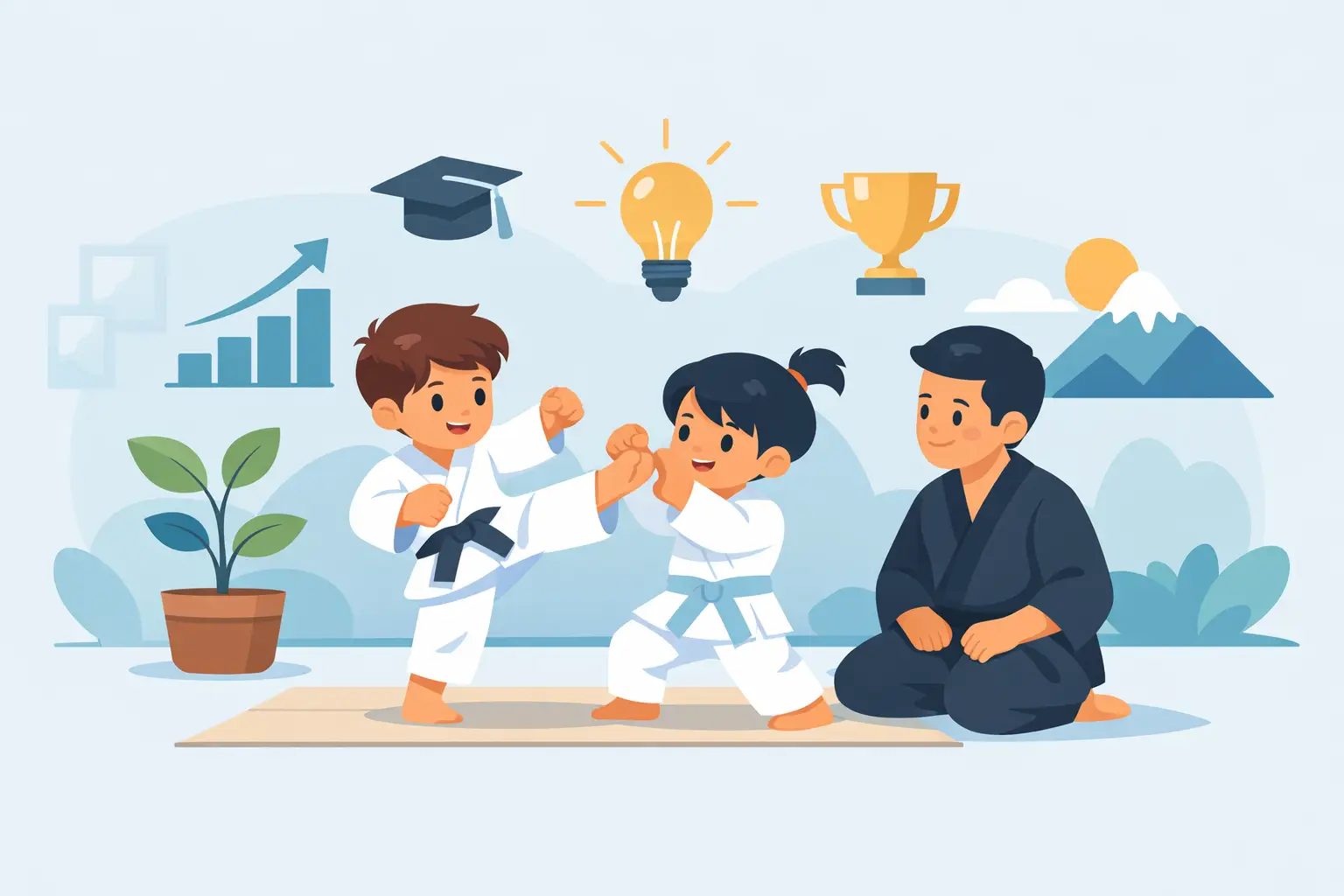
If your child is constantly bouncing, hiding behind your leg, melting down over small frustrations, or struggling to follow directions, you are not alone. These are exactly the moments that make parents wonder how preschool martial arts helps, and whether it can do more than just burn off energy. The right program can. For many young children, martial arts becomes the place where confidence starts to look real.
At the preschool age, kids are learning how to be part of a group, how to manage big feelings, and how to trust themselves in new situations. That is why martial arts can be such a strong fit. When classes are designed for ages 4 to 6, the goal is not to create tiny fighters. The goal is to help children build focus, body control, respect, and the kind of quiet self-belief that carries into school, friendships, and home life.
How preschool martial arts helps with confidence
A lot of young kids do not need more praise. They need real wins. That is a big difference.
Confidence grows when a child walks into class unsure, follows through, and realizes, “I can do this.” Maybe it starts with standing on a spot without wandering. Maybe it is throwing a simple strike with strong form, speaking loudly during a class response, or completing a short drill without giving up. These are small victories to an adult, but to a preschooler they are powerful.
That is one reason martial arts often helps shy children so much. In a good class, they are not pushed into the spotlight before they are ready. They are coached step by step, with clear structure and encouragement. Over time, they speak up more, make eye contact more easily, and carry themselves differently. Parents often notice it outside the school first – at the playground, in the classroom, or when meeting new people.
This matters even more for children who seem timid around stronger personalities. A child does not need to be aggressive to be safe. They do need to learn how to stand tall, use their voice, and believe they can respond under pressure. That kind of confidence is practical, not performative.
Better listening, better focus, better follow-through
Preschoolers are still developing attention span. No parent expects perfect focus. Still, there is a big difference between normal childhood energy and a child who struggles to listen, transition, or stay with a task.
Martial arts classes give children repeated practice in all of those areas. They learn to watch the instructor, wait for a cue, follow a sequence, and switch from movement to stillness. That may sound simple, but it is advanced work for a 4- or 5-year-old.
The structure helps. Kids know there is a time to move fast and a time to freeze. A time to answer loudly and a time to stay quiet. A time to practice independently and a time to work with the group. That rhythm teaches self-control in a way that feels active, not forced.
Some children improve quickly. Others take longer. That is normal. A very energetic child may need months of repetition before you see major changes in focus. A more reserved child may listen well right away but need longer to participate with confidence. Progress does not always look the same, but the skill-building is still happening.
Why movement matters at this age
Young children learn through their bodies. Before they can sit still and reason through every challenge, they need to move, balance, react, and practice control physically.
Martial arts supports gross motor development in a way that is purposeful. Kicks, stances, basic striking drills, balance exercises, and agility games all build coordination. Kids become more aware of where their body is in space. They improve posture, balance, timing, and control.
That physical awareness often affects behavior too. Children who are clumsy or unsure of their bodies can become hesitant in social settings. Children who feel physically capable tend to participate more easily. They are more willing to try, less likely to shut down after a mistake, and often better able to regulate their energy.
This does not mean every child will suddenly become calm just because they are active. Some kids actually get more excited at first. But over time, structured movement teaches control, not just exertion. That is the difference between a class with real purpose and a program that is only about tiring kids out.
How preschool martial arts helps with behavior at home and school
Parents usually start by asking about confidence or focus. Then they notice another shift – their child begins responding better to correction.
Martial arts creates a consistent pattern of expectation and accountability. Students learn that respect is not just a word. It looks like listening the first time, keeping hands to themselves, waiting their turn, and showing effort even when something feels hard. Those habits transfer because children start hearing the same message in a clear, repeatable way.
Of course, martial arts is not magic. If a child is struggling with major behavioral challenges, it should not be treated as a cure-all. But it can be an excellent support system. It gives kids boundaries, routine, and positive reinforcement tied to action rather than mood.
That is often why parents report improvements in school readiness. A child who can line up, listen, respond, and recover from frustration is simply better prepared for classroom demands.
Bullying prevention starts earlier than many parents think
When people hear self-defense, they often picture older kids or adults. But the foundation starts young.
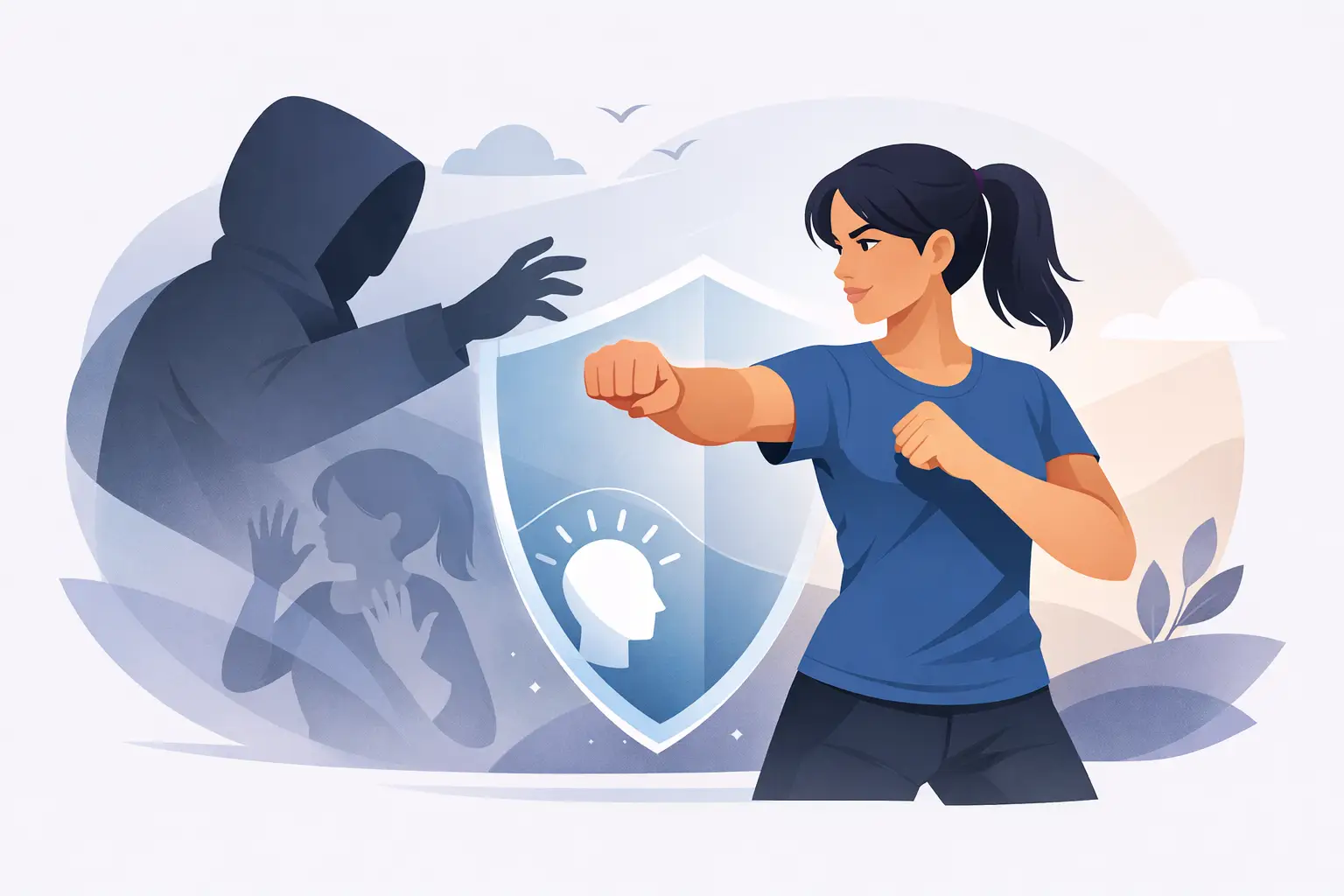
Preschool martial arts should not be teaching children to solve problems with force. It should be teaching awareness, boundaries, and assertiveness. A child can learn to say “stop,” keep space, seek help from an adult, and project confidence long before they are dealing with serious peer conflict.
That matters because kids who appear unsure are often tested by stronger personalities. Not always through obvious bullying, but through pushing, grabbing, excluding, or controlling behavior. Children who have practiced using their voice and standing with confidence are less likely to look like easy targets.
This is one area where practical martial arts training stands apart. The best programs do not glorify fighting. They teach kids how to be calm, aware, and hard to intimidate. That is a skill parents value for good reason.
The right class makes all the difference
Not every preschool program delivers these results. That is the honest part.
A class can be too loose and chaotic, which means kids leave overstimulated without learning much. It can also be too rigid, which causes younger children to feel pressured, embarrassed, or turned off. Preschoolers need structure, but they also need warmth, movement, and age-appropriate teaching.
A strong program keeps children engaged without watering down expectations. It builds discipline without using fear. It keeps classes fun, but not sloppy. That balance is what allows real growth.
For families in Monmouth County, that is why the teaching approach matters as much as the style itself. At Inner-Power Martial Arts, preschool training is built to help young students become stronger in all the ways that count – more focused, more confident, more respectful, and more prepared to handle everyday challenges with self-control.
What parents should look for before enrolling
If you are considering martial arts for your preschooler, watch how the instructor handles both the loud child and the hesitant one. That will tell you a lot. A great teacher can redirect high energy without shaming it and encourage a shy child without forcing participation too fast.
Pay attention to whether the class teaches life skills clearly or just talks about them. Are students practicing listening, posture, boundaries, and respectful behavior in real time? Are expectations consistent? Does the environment feel safe, encouraging, and organized?
The best preschool martial arts programs do not promise perfection. They promise development. That is a much better goal.
A young child who learns to listen better, stand taller, speak with confidence, and keep going when something feels hard is gaining more than an activity. They are building inner strength early, when it can shape everything that comes next.