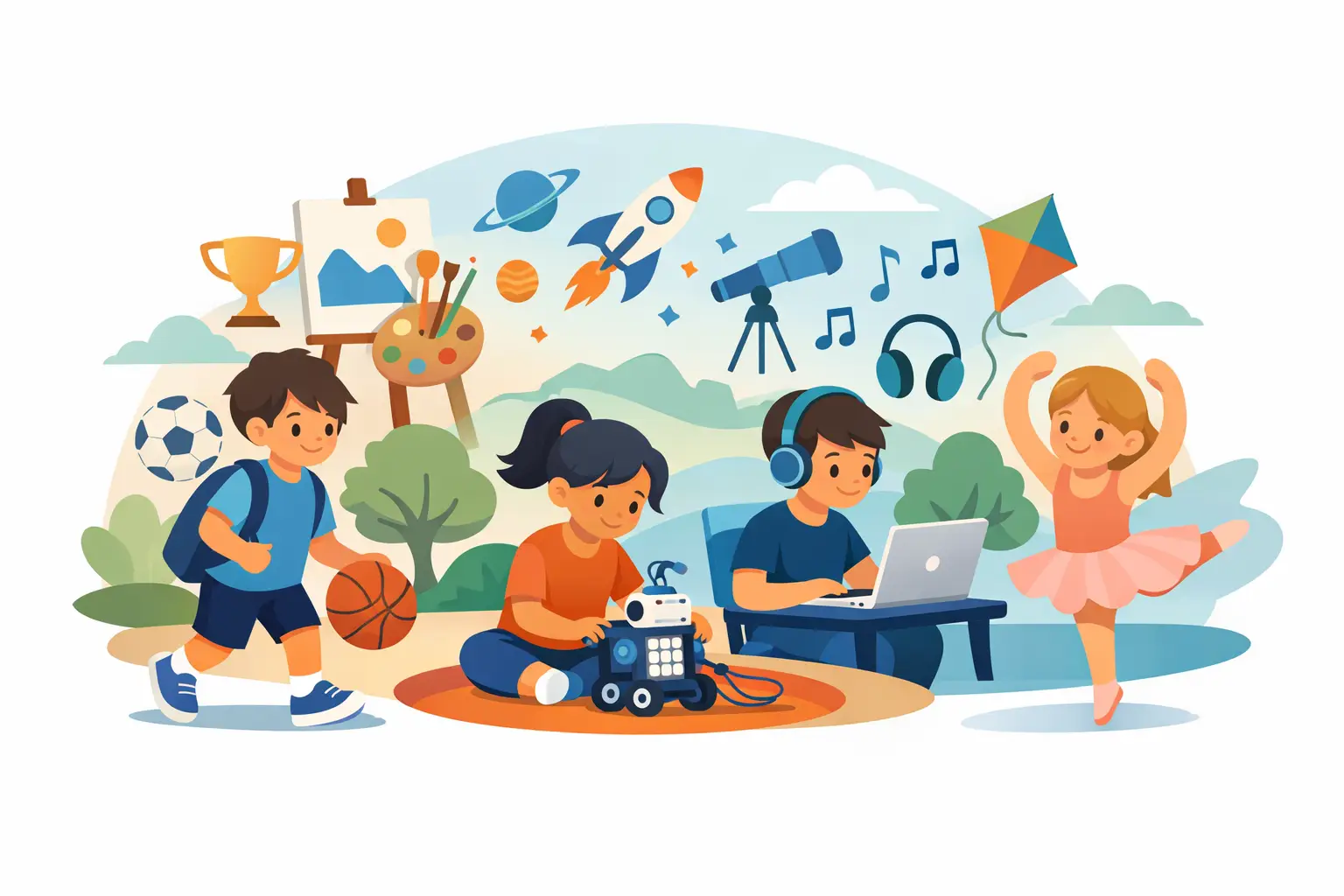
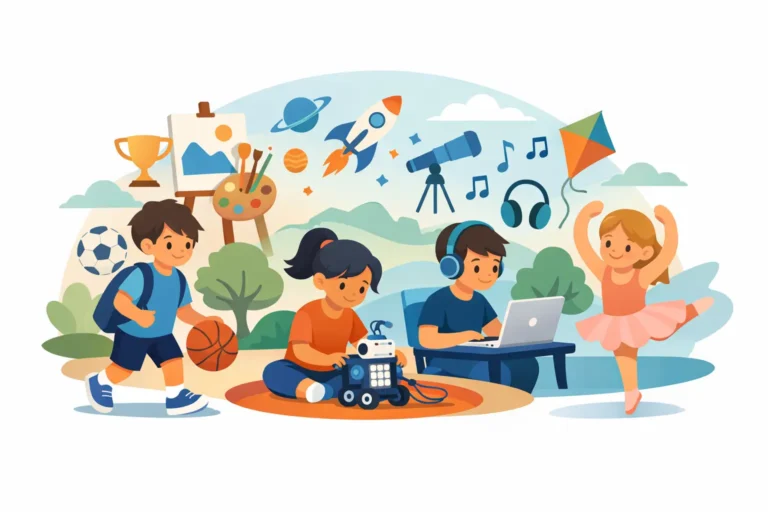
The hour after school can set the tone for the rest of a child’s day. For some kids, it becomes more screen time, more restlessness, and more battles over homework. For others, it becomes the part of the day where confidence grows. That is why so many parents start searching for the best after school activities kids will actually enjoy and stick with.
The right activity does more than keep a child busy. It gives them structure, positive challenges, and a place to develop skills that carry into school, friendships, and home life. If your child is shy, easily distracted, low on confidence, or dealing with social pressure, the choice matters even more.
What makes the best after school activities for kids?
Not every activity is a good fit for every child, and that is where many families get frustrated. A program may look great on paper but still leave a child overwhelmed, bored, or disconnected. The best after school activities for kids usually have a few things in common.
They provide structure without feeling rigid. They challenge kids without crushing their confidence. They give children a sense of progress they can feel week by week. Most importantly, they help kids grow in ways that matter outside the activity itself.
Parents often start by asking what their child likes. That is a smart place to begin, but it should not be the only question. It also helps to ask what your child needs right now. More confidence? Better focus? Physical activity? Social connection? A stronger sense of discipline? The strongest after-school choices do both – they match a child’s interests and support their development.
12 best after school activities kids can benefit from
1. Martial arts
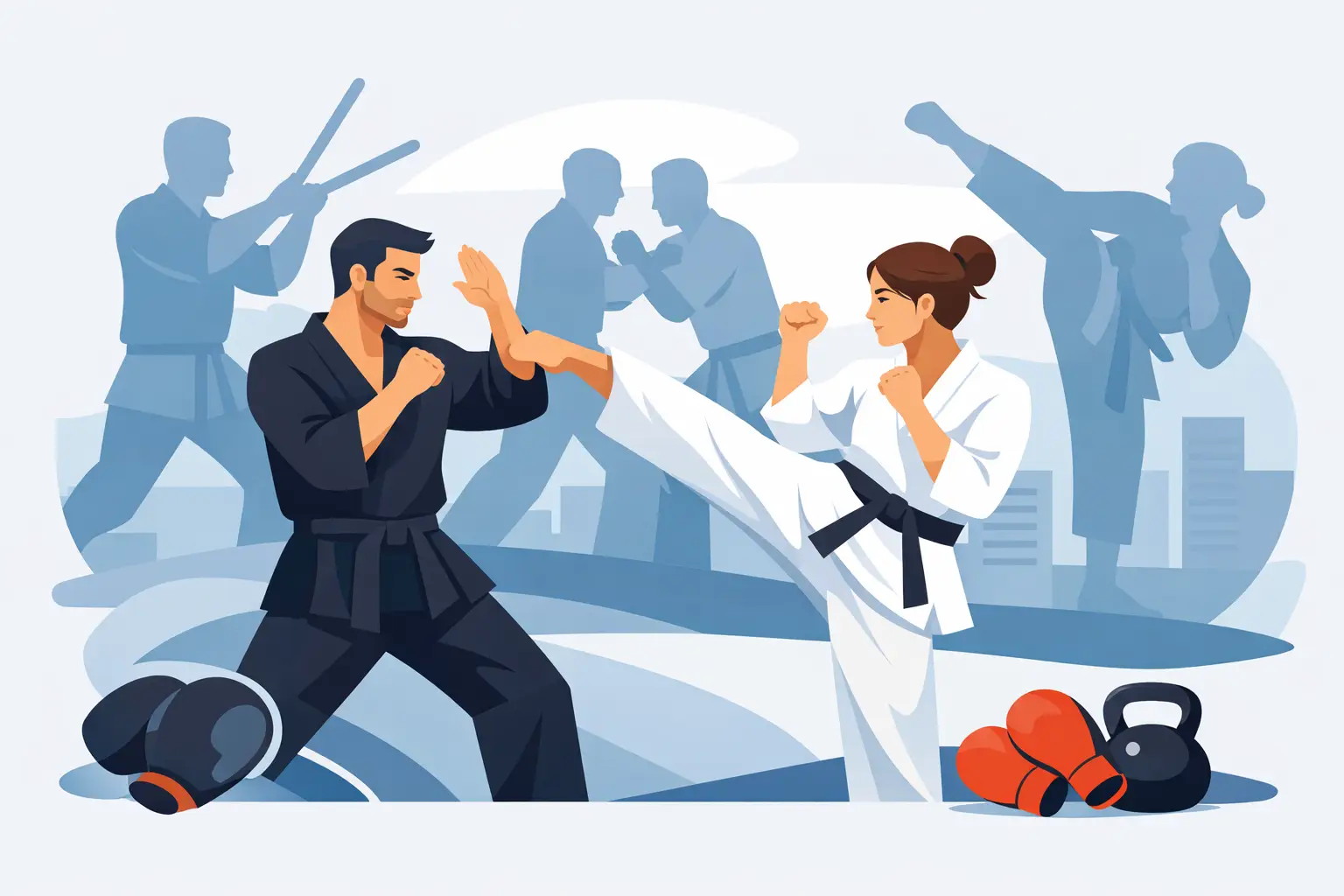
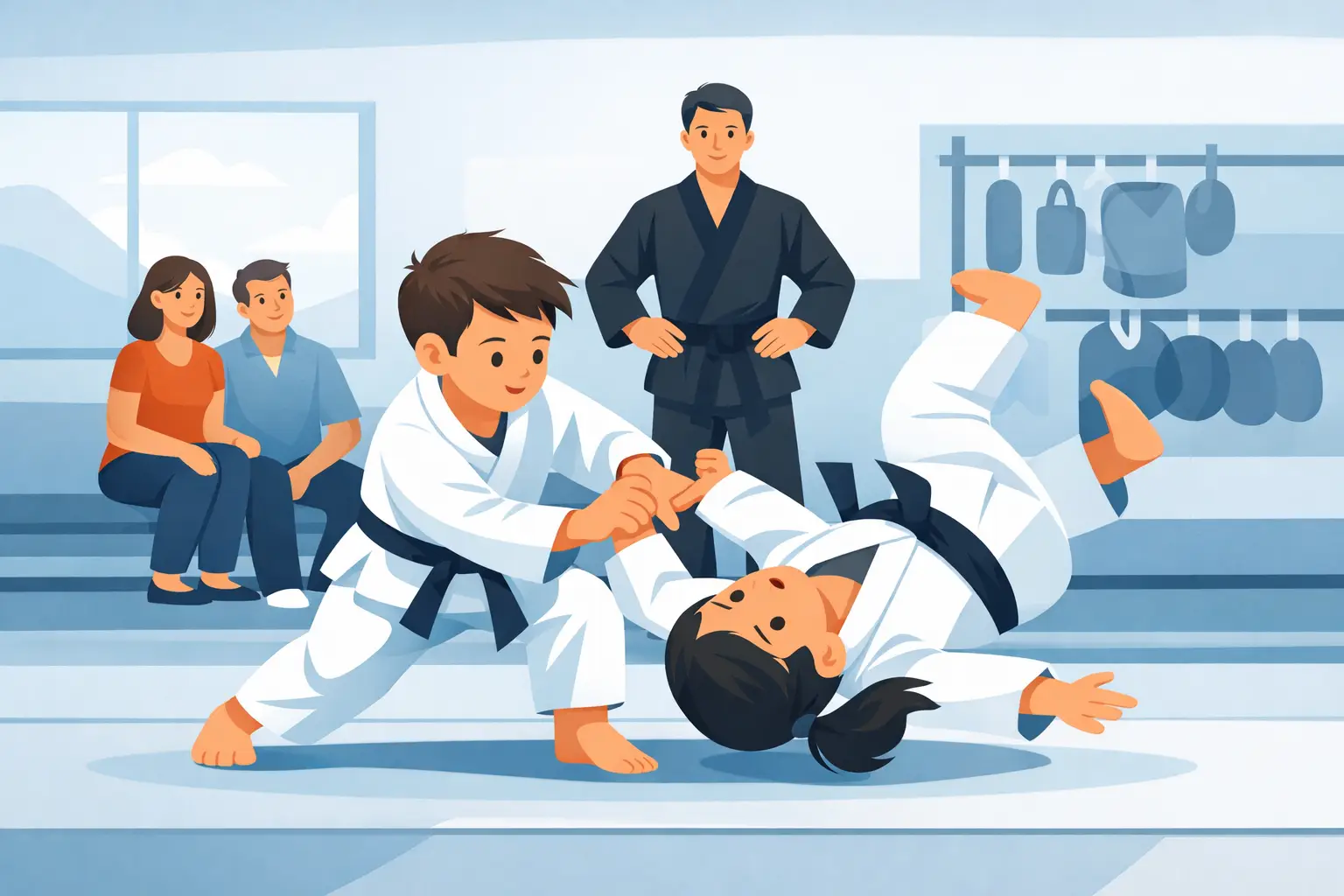
Martial arts stands out because it develops the whole child. A quality program improves coordination, balance, strength, and listening skills, but the deeper value is often emotional. Kids learn how to stay calm under pressure, speak with confidence, respect boundaries, and carry themselves with more certainty.
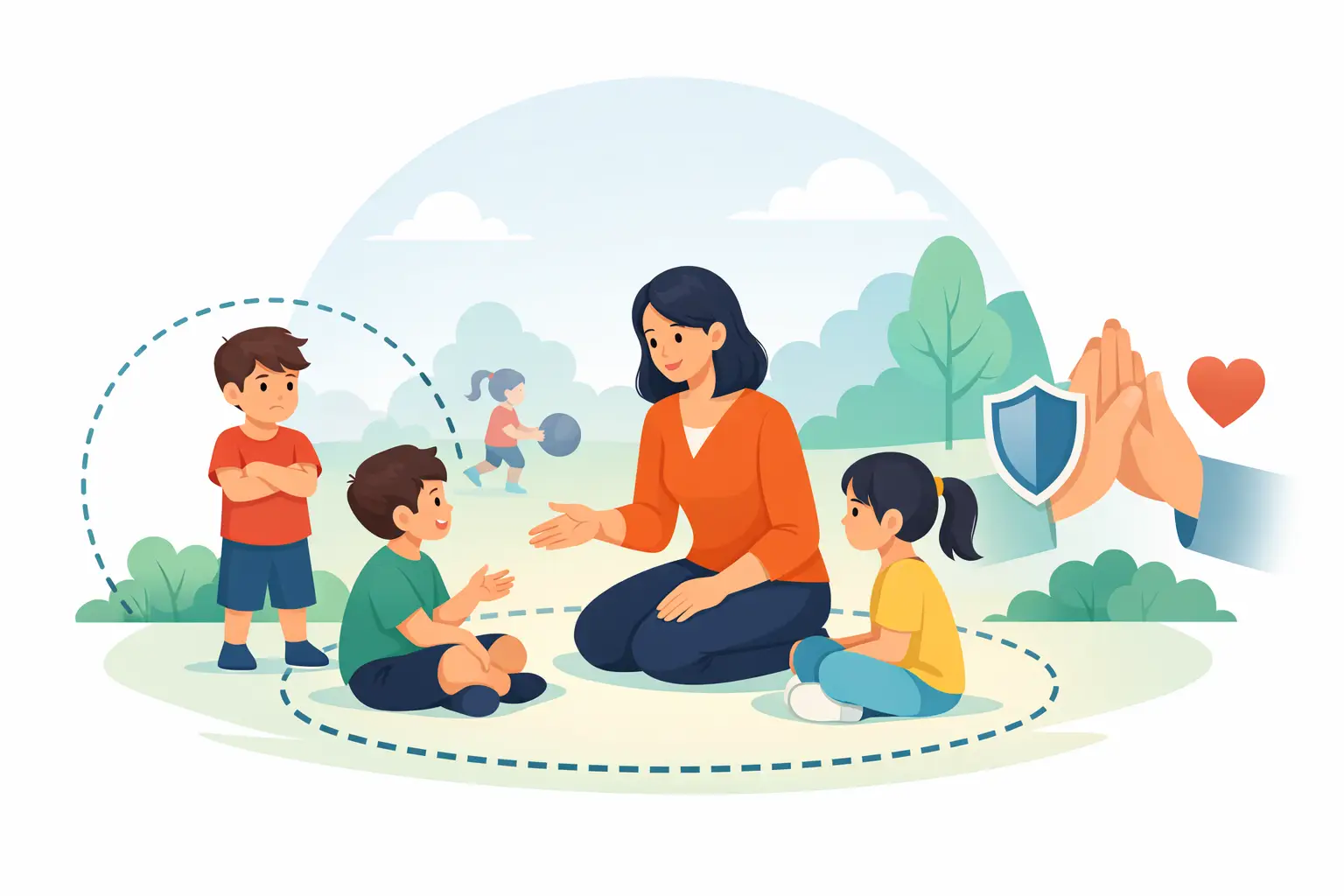
For parents concerned about bullying, shyness, or a lack of focus, martial arts can be especially powerful. The right school teaches children how to project confidence, use their voice, and handle conflict with maturity. It is also one of the few activities where discipline and self-defense are taught side by side in a structured, supportive setting.
This is not a one-size-fits-all category, though. Some schools are more performance-based, while others focus on practical skills and personal growth. For many families, a program built around real-world self-defense and confidence-building offers the strongest long-term benefit.
2. Team sports
Soccer, basketball, baseball, and similar sports can be excellent after-school options for kids who thrive on movement and group energy. Team sports teach cooperation, perseverance, and how to handle both wins and losses.
The trade-off is that some children feel lost in a large team environment, especially if they are not naturally competitive or athletic right away. For outgoing kids, team sports can be a great fit. For shy children or those who need more individual guidance, they may not always provide the boost in confidence parents are hoping for.
3. Dance
Dance gives kids a creative outlet while improving coordination, rhythm, and body awareness. It also builds performance confidence over time. For children who love music and movement, dance can become a strong source of self-expression.
That said, some dance programs can feel highly performance-driven, and not every child enjoys that pressure. It depends on the studio culture and your child’s personality.
4. Gymnastics
Gymnastics helps children build strength, flexibility, and body control. It can be especially appealing for younger kids who need to move and burn energy in a focused way.
The upside is obvious physical development. The downside is that it may not always address the confidence, assertiveness, or social challenges some parents want help with. It is excellent for athletic growth, but the emotional carryover depends a lot on the coaching style.
5. Music lessons
Piano, guitar, drums, and voice lessons teach patience, concentration, and consistency. Kids learn that improvement comes from practice, and that lesson matters far beyond music.
Music can be a great choice for children who prefer quieter, more individual activities. At the same time, it may not meet the needs of a child who needs physical activity, stronger peer interaction, or an outlet for stress after a long school day.
6. Art classes
Art gives children room to create without the pressure of competition. For some kids, especially those who are sensitive or introverted, this can be exactly what they need after school.
Art supports imagination and emotional expression, but it may not give the same structure or discipline some families are looking for. If your child needs help with focus and routine, the class format matters a lot.
7. Theater
Theater can be a confidence-builder for kids who need help speaking up, expressing themselves, and working with a group. It encourages communication, memory, and emotional range.
For some children, the spotlight is energizing. For others, it feels intimidating. A gentle introductory program can make all the difference.
8. Swimming
Swimming is one of the most practical activities a child can learn. It builds endurance, coordination, and comfort in the water, which also makes it a valuable safety skill.
It is an excellent choice for physical fitness, but unless the program includes strong coaching around mindset and goal-setting, it may not deliver the same personal development benefits as more structured character-based activities.
9. STEM and robotics clubs
For kids who love building, solving problems, and figuring out how things work, STEM programs can be a great fit. They strengthen critical thinking and persistence.
These programs are ideal for intellectually curious children, though they are usually less active and may not help much with physical confidence or stress release.
10. Scouts and service-based groups
These activities help children develop responsibility, teamwork, and leadership through projects and community involvement. They can be especially valuable for building independence.
The pace tends to be slower and less physically demanding, which is great for some kids and not enough for others.
11. Tutoring or academic clubs
If a child is struggling in school, after-school academic support may be the smartest choice for a season. Better grades often improve confidence, too.
Still, not every child needs more desk time after a full school day. If your child is mentally drained, an activity that gets them moving and resets their focus may be the better answer.
12. Outdoor adventure programs
Nature-based clubs, hiking groups, and similar programs can build resilience and independence in a refreshing way. Kids get away from screens, move their bodies, and learn to adapt.
The challenge is consistency. These programs are not always available year-round, and they may not offer the skill progression parents want from a regular weekly activity.
How to choose the best after school activities kids will stick with
Parents often worry about making the perfect choice. In reality, you are looking for the best fit for this stage of your child’s life. A child who needs confidence and stronger boundaries may benefit from something very different than a child who simply needs a creative outlet.
Start by noticing what happens after school now. Is your child bouncing off the walls, shutting down, avoiding homework, or struggling socially? Those patterns tell you a lot. The best activity should solve a problem, not just fill a time slot.
It also helps to look at teaching style. A great instructor can change everything. Kids respond to leaders who are encouraging, clear, and consistent. They grow fastest when expectations are high but support is strong.
Convenience matters, too. Families are busy. If the location, schedule, or commitment level does not fit real life, even a great program becomes hard to maintain. The best choice is one your child benefits from and your family can sustain.
Why martial arts often rises to the top
When parents compare options, martial arts often checks more boxes than other after-school activities. It combines movement, structure, respect, goal-setting, and real confidence-building in one place. Kids are not just burning energy. They are learning how to carry themselves differently.
That matters for the child who gets overlooked in class. It matters for the child who hesitates to speak up. It matters for the child who needs better focus, stronger discipline, or a healthier response to conflict.
At Inner-Power Martial Arts, families often come in looking for an activity and stay because they see deeper changes. A child stands taller. They make eye contact. They listen better at home. They stop looking so defeated when challenges come up. Those are the wins parents remember.
The best after-school activity is not always the flashiest or the most popular. It is the one that helps your child become stronger, more focused, and more confident in everyday life. When you choose with that goal in mind, the right answer becomes much clearer.
A good activity fills the afternoon. A great one helps shape who your child becomes.