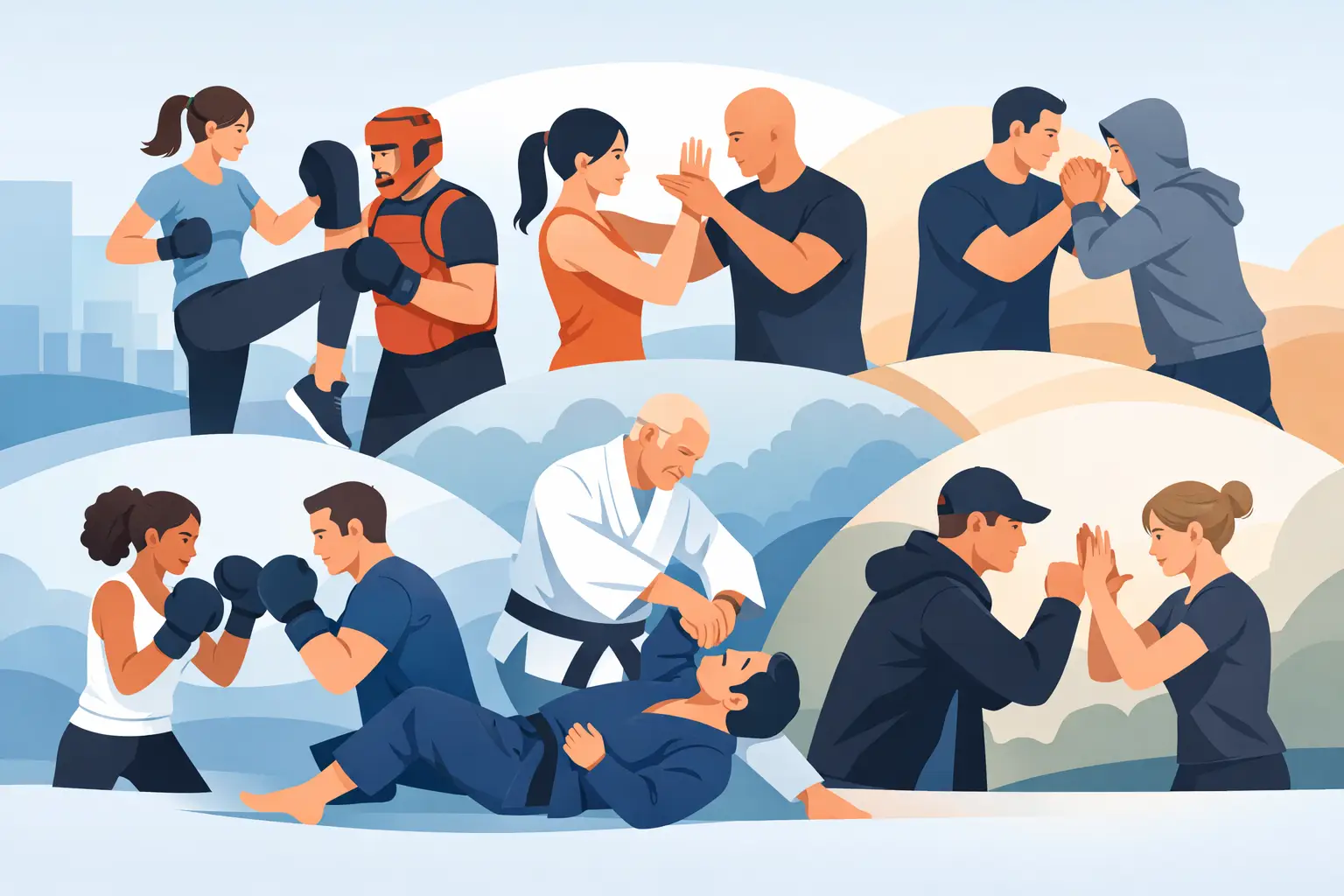
A lot of people start looking for the best beginner self defense programs after something already feels off. A child gets picked on at school. A teen seems unsure of themselves. An adult realizes that fitness alone is not the same as knowing what to do under pressure. The right program should do more than teach a few moves. It should build awareness, confidence, and the kind of calm that helps someone respond well in a real situation.
That is where many families get stuck. Every school says it teaches confidence. Every class says it is beginner-friendly. But beginner-friendly can mean very different things depending on the teaching style, the age group, and whether the training is actually practical.
What the best beginner self defense programs have in common
The strongest programs usually share a few clear traits. First, they teach simple skills that can be used under stress. Beginners do not need flashy techniques. They need balance, posture, distance management, basic escapes, and the confidence to speak up and act decisively.
Second, they are structured in a way that matches the student. A shy 6-year-old, a middle school student dealing with bullying, and an adult looking for practical protection should not all be taught the same way. Good beginner instruction meets students where they are and develops them step by step.
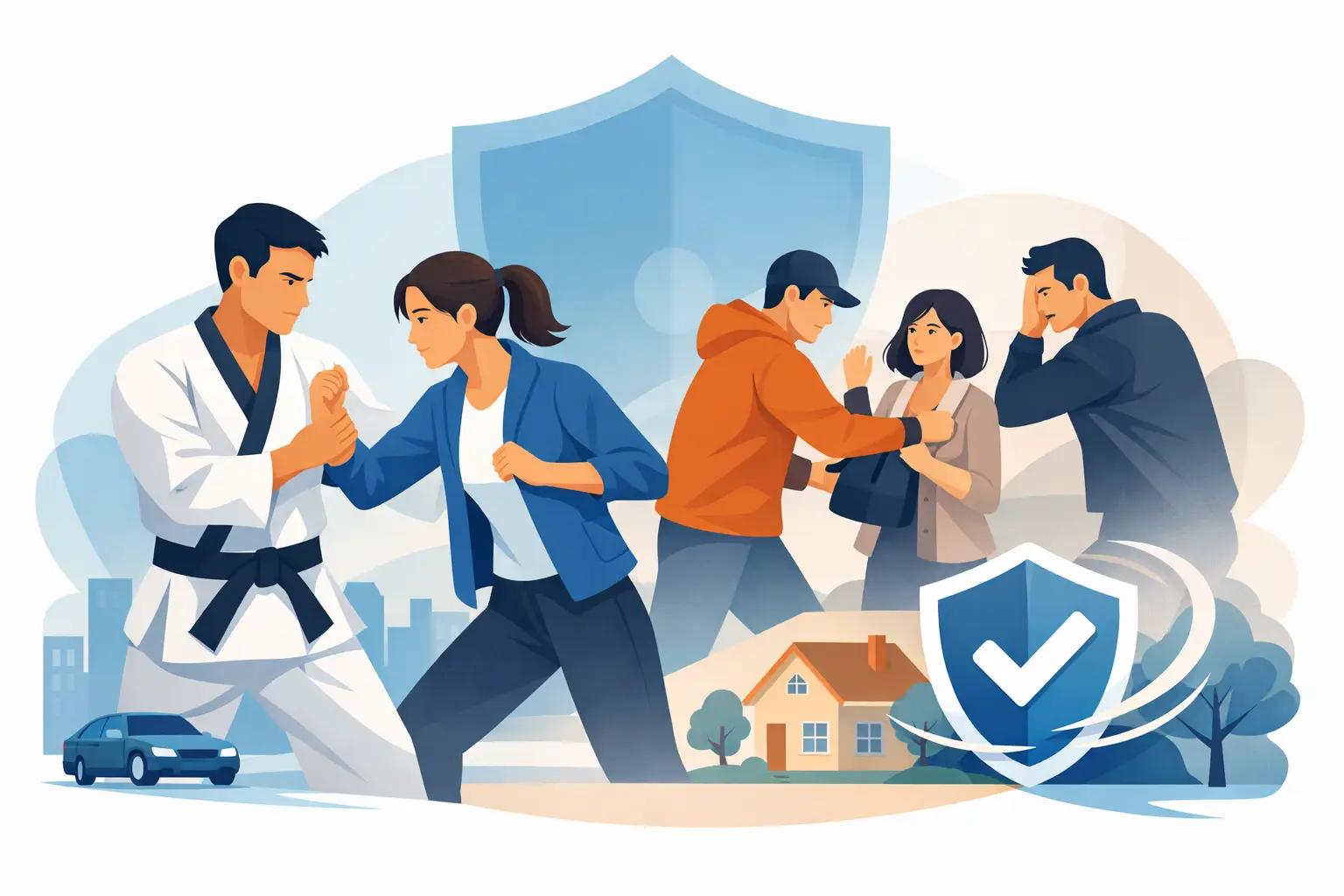
Third, the program should improve more than physical skill. Real self-defense starts before contact. It includes awareness, assertiveness, boundary-setting, emotional control, and good decision-making. That matters for children in school settings just as much as it matters for adults in parking lots, workplaces, or public spaces.
Best beginner self defense programs by training style
There is no single perfect system for every person. The better question is which program gives a beginner the safest, clearest path to real progress.
Hapkido-based self-defense programs
For many beginners, Hapkido-based training is one of the most practical places to start. It blends striking, joint control, escapes, breakfalls, and defensive movement in a way that feels realistic without being overwhelming. A well-taught Hapkido program can help students learn how to create space, protect themselves from grabs, and stay composed under pressure.
This style is especially strong for families who want more than sport training. It tends to focus on real-world situations rather than just point scoring or memorizing forms. For children, that can translate into stronger posture, better listening, and more confidence dealing with social pressure. For teens and adults, it often means learning skills that apply outside the mat.
The trade-off is that quality instruction matters a lot. Hapkido can be extremely practical, but only if the school teaches it in a clear, beginner-friendly, modern way.
Brazilian Jiu-Jitsu
Brazilian Jiu-Jitsu is often a good fit for beginners who want to feel capable in close-range situations. It teaches leverage, body control, and how to escape or neutralize pressure on the ground. For smaller students, that can be empowering.
It also has limits as a complete beginner self-defense option. Many BJJ schools focus heavily on grappling as a sport, which is not the same as self-defense. That does not make it bad. It just means parents and adult beginners should ask whether the class includes standing defense, awareness, and realistic self-protection principles.
Krav Maga
Krav Maga is known for direct, aggressive self-defense training. For adults and older teens, it can feel practical right away because the techniques are designed for high-pressure situations and common attacks.
Still, it is not always the best first step for every beginner. Some schools are excellent, while others move too fast or rely on intensity over skill development. A true beginner often does better in a structured environment where confidence is built progressively, not through chaos.
Traditional karate or taekwondo
Traditional martial arts can be a very good starting point for children, especially when the program emphasizes discipline, respect, focus, and confidence. Many kids benefit from the routine, structure, and positive expectations.
The question is whether the school also teaches practical self-defense. Some do. Some lean more toward forms, tournaments, and rank progression. For a parent focused on bullying prevention and real-world safety, that difference matters.
How to choose the best beginner self defense program for your child
Parents usually are not just buying classes. They are looking for peace of mind. They want their child to walk taller, speak more clearly, and stop freezing when challenged.
A strong beginner program for kids should feel safe and encouraging, but it should also have standards. Children grow when instructors are warm, consistent, and clear. They need praise, but they also need accountability.
Look closely at how the class handles shy students. Are they pressured too hard, or guided with patience? Notice whether the program teaches verbal confidence along with physical skills. That matters because many childhood conflicts begin long before anything physical happens.
Age-specific structure is another major sign of quality. Younger children need shorter instruction cycles, games with purpose, and constant reinforcement of listening skills. Older children can handle more detail and more realistic partner drills. If every child is lumped together, the training often becomes too broad to be truly effective.
What teens and adults should look for
Teen and adult beginners usually want practical results quickly, but they also want an environment where they do not feel embarrassed for starting from zero. The right program should challenge them without making them feel out of place.
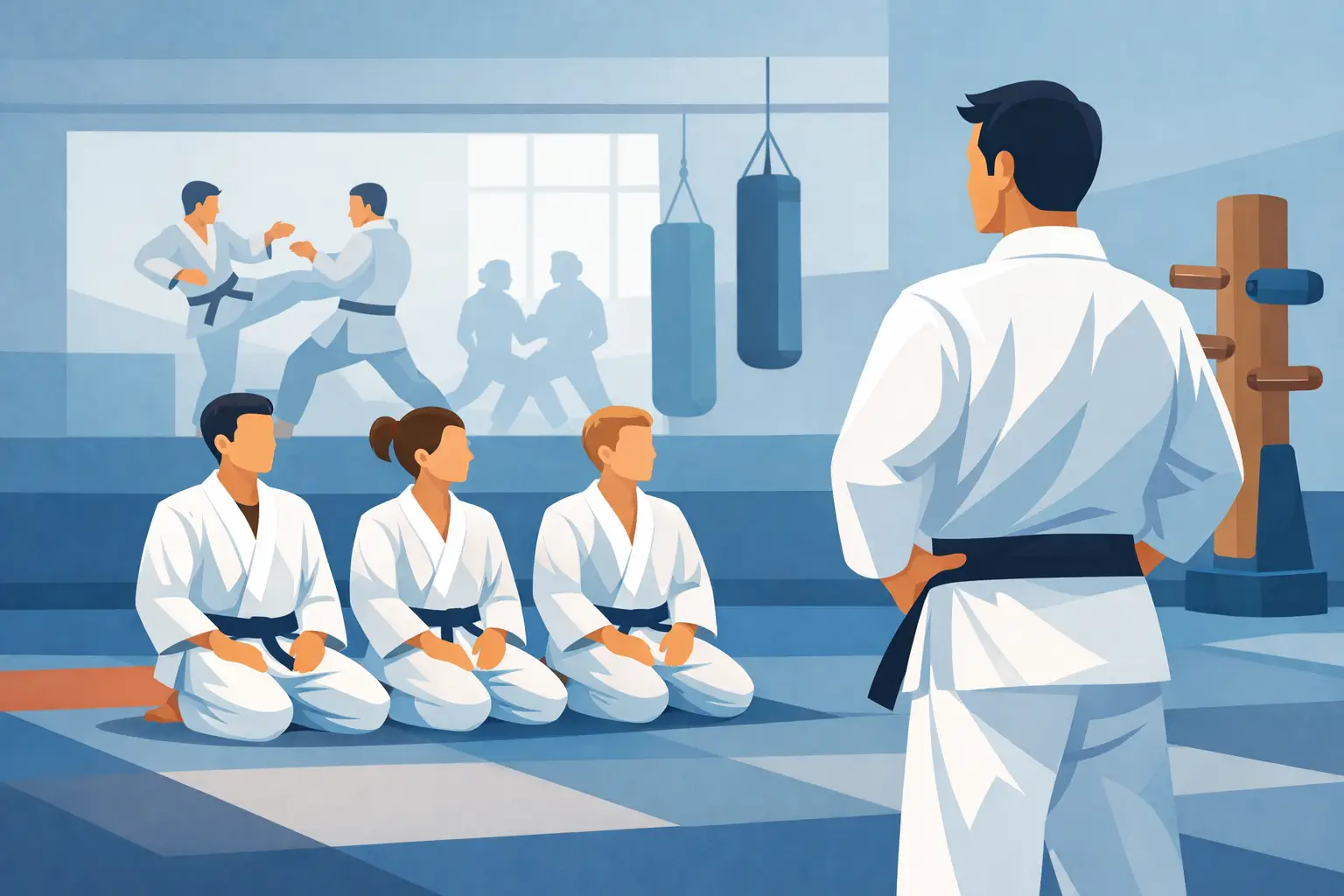
That starts with the culture of the school. A serious training environment does not have to be intimidating. In fact, the best schools often feel focused, welcoming, and professional at the same time. Beginners should be able to ask questions, make mistakes, and improve without feeling judged.
Adults should also ask whether the program covers the bigger picture of personal safety. Techniques matter, but so do situational awareness, escape tactics, verbal de-escalation, and stress control. Real self-defense is rarely just about fighting. It is about making smart decisions early and responding effectively when avoidance is no longer possible.
For teens, there is another layer. Good self-defense training can become a turning point for confidence, discipline, and emotional resilience. That is especially true for students dealing with peer pressure, fear of confrontation, or anxiety about becoming more independent.
Red flags to avoid in beginner self-defense training
If a program promises instant mastery, be cautious. Real confidence is built through repetition and coaching, not hype.
Be careful with schools that teach too many complicated techniques too soon. Beginners need a strong base, not a huge catalog of moves they will forget under stress. The same goes for classes that are all intensity and no structure. Exhaustion can feel productive, but it is not the same as learning.
Another warning sign is a lack of clear developmental goals. A good school should be able to explain what a beginner gains in the first few months. That may include improved focus, stronger posture, better awareness, more assertive communication, and dependable foundational skills.
Why confidence is the real measure of a good program
When people think about self-defense, they usually picture physical techniques. But for most beginners, the first visible change is confidence. A child who used to avoid eye contact starts speaking up. A teen who once shrank from pressure starts carrying themselves differently. An adult who felt unsure begins moving through the world with more awareness and control.
That kind of confidence is not fake bravado. It comes from practice, repetition, and knowing you can handle yourself better than you could before. It also changes behavior in ways that matter. Confident students tend to set clearer boundaries, make better decisions, and project the kind of presence that often discourages problems before they start.
That is one reason Hapkido-based training has such strong value for beginners when it is taught well. It does not just train reactions. It develops composure, discipline, and inner strength. At Inner-Power Martial Arts, that is a major part of the mission for kids, teens, and adults alike.
The best beginner self defense programs are the ones people stick with
The truth is simple. The best program is not the one with the flashiest marketing or the toughest image. It is the one that helps a beginner show up consistently, feel supported, and make steady progress toward real confidence and practical skill.
For some families, that means a child-friendly program with strong structure and bullying prevention woven into every class. For others, it means a teen or adult environment that teaches realistic self-defense while building resilience and focus. Either way, results come from good instruction, a clear path, and a school that treats personal growth as seriously as physical technique.
If you are comparing options, trust what you see as much as what you hear. Watch how students carry themselves. Watch how instructors correct, encourage, and lead. The right beginner self-defense program should leave people looking stronger, more focused, and more sure of themselves than when they walked in.