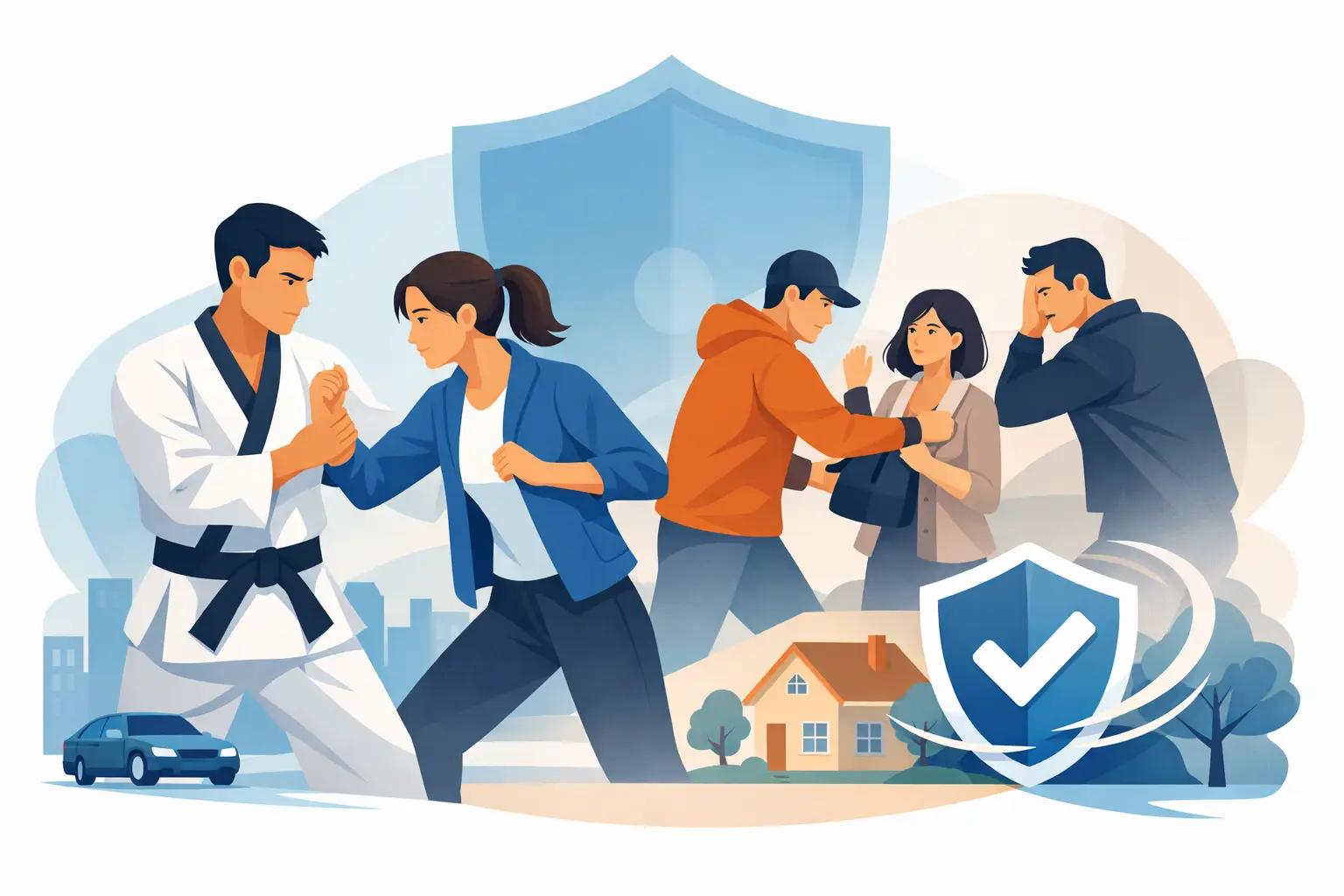
A child who avoids walking into school alone, a teen who feels pressure in social situations, an adult who second-guesses every parking lot and late-night errand – these are real everyday concerns. That is exactly where hapkido for everyday safety stands apart. It is not about flashy moves or memorizing routines for show. It is about learning how to stay aware, stay calm, set boundaries, and respond with confidence when life gets uncomfortable fast.
For many families, safety is not an abstract idea. It is tied to bullying, peer pressure, anxiety, and the simple question of whether your child feels strong enough to speak up. For adults, it often comes down to confidence under stress. Can you recognize a problem early? Can you create space? Can you protect yourself without freezing? Practical Hapkido training is built around those moments.
Why hapkido for everyday safety feels different
Not all martial arts are trained with the same goal. Some styles focus heavily on competition. Others emphasize tradition, forms, or performance. There is value in those paths, but families looking for real-world protection usually want something more direct.
Hapkido is especially useful because it teaches students how to manage distance, control balance, escape grabs, defend against common attacks, and use leverage instead of size. That matters for kids who are smaller than the child bothering them, for teens who feel physically outmatched, and for adults who know that brute strength is not always the answer.
Just as important, effective Hapkido training does not begin with fighting. It begins with awareness, posture, voice, and decision-making. Students learn that the safest outcome is usually preventing the situation from getting worse. That mindset helps people carry themselves differently. They look more alert, more confident, and less like an easy target.
The first skill is not a kick or throw
People often assume self-defense starts with physical technique. In reality, the first skill is recognition. Students need to notice the warning signs of trouble before they are fully in it.
That includes reading body language, recognizing when someone is invading personal space, understanding how predators test boundaries, and knowing when to leave rather than explain. These are everyday safety skills, and they are valuable for every age group.
For children, that might mean recognizing bullying behavior early and using a strong voice to set a clear boundary. For teens, it could mean identifying risky social dynamics before they spiral. For adults, it often means trusting intuition instead of talking themselves out of concern.
When students train this way consistently, they stop seeing self-defense as a last-second reaction. They begin to understand it as a series of choices that can reduce risk long before physical contact happens.
How Hapkido helps kids feel safer
Parents usually notice the emotional changes first. A shy child starts making eye contact. A child who once shut down under pressure speaks more clearly. A student who felt intimidated by stronger personalities begins to stand taller.
That is not accidental. Good Hapkido instruction for children builds confidence through repetition, structure, and successful problem-solving. Kids learn how to move with balance, how to protect their space, and how to respond without panic. They also learn discipline, which is often misunderstood. Discipline is not about being harsh. It is about helping children feel more in control of themselves.
This matters in bullying situations. A child who projects confidence and knows how to use assertive body language is often less likely to be singled out in the first place. If a situation becomes physical, practical techniques such as breaking free from a grab or creating distance can make a major difference. The goal is not to turn children into fighters. The goal is to give them tools so fear does not run the moment.
At Inner-Power Martial Arts, this kind of training is especially meaningful because it speaks to what local families actually want – not just activity, but growth. Parents are not simply looking for something to fill an afternoon. They want focus, confidence, and real-world safety skills their child can carry into school, friendships, and daily life.
Teens need more than confidence talks
Teenagers live in a world of social pressure, fast judgment, and emotional stress. They are often told to be confident, but very few are taught how to build confidence under pressure. That is where martial arts training becomes more than exercise.
Hapkido gives teens something concrete. They learn how to stay balanced when grabbed, how to react when someone gets aggressive, and how to use technique rather than emotion. They also train under stress, which is critical. A technique is only helpful if a student can access it when adrenaline hits.
There is also a mental benefit that parents appreciate. Teens who train consistently tend to become more composed. They are better at handling confrontation without overreacting. They often carry themselves with more maturity because they know what real strength feels like. It is controlled, not loud.
For teens heading toward college or more independence, everyday safety means more than defending against an attack. It means learning judgment. It means understanding boundaries, exits, awareness, and when to get help. Hapkido supports that bigger picture.
Adults want practical self-defense, not fantasy
Most adults are not looking to become martial arts experts. They want to feel capable in normal life. Walking to the car, traveling alone, managing conflict in public spaces, and handling the stress that comes with feeling vulnerable – these are the situations that matter.
That is why practical Hapkido resonates with adults. It addresses common problems. What if someone grabs your wrist? What if someone crowds you against a wall or in a doorway? What if you need to break contact quickly and get away? Training around these realistic scenarios helps adults replace uncertainty with a plan.
There is a trade-off here, and it is worth saying clearly. No martial art can guarantee safety in every situation. Size, surprise, multiple attackers, and environment all matter. But training improves the odds in meaningful ways. It sharpens awareness, reduces hesitation, and builds physical skills that are useful when seconds count.
Adults also benefit from the conditioning side of Hapkido. Better balance, stronger posture, improved coordination, and quicker reactions all support everyday safety. Sometimes the biggest gain is not a single technique. It is the way training changes how you move through the world.
What makes training effective
Not every self-defense program teaches in a way that transfers to real life. If training stays too theoretical, students can feel confident without actually being prepared. The best instruction closes that gap.
Effective Hapkido training should include realistic drills, age-appropriate scenario work, clear verbal boundary setting, and repetition under controlled pressure. Students need to practice not only what to do, but when to do it. A child needs a different response than an adult. A crowded school hallway presents different challenges than an isolated parking lot. Context matters.
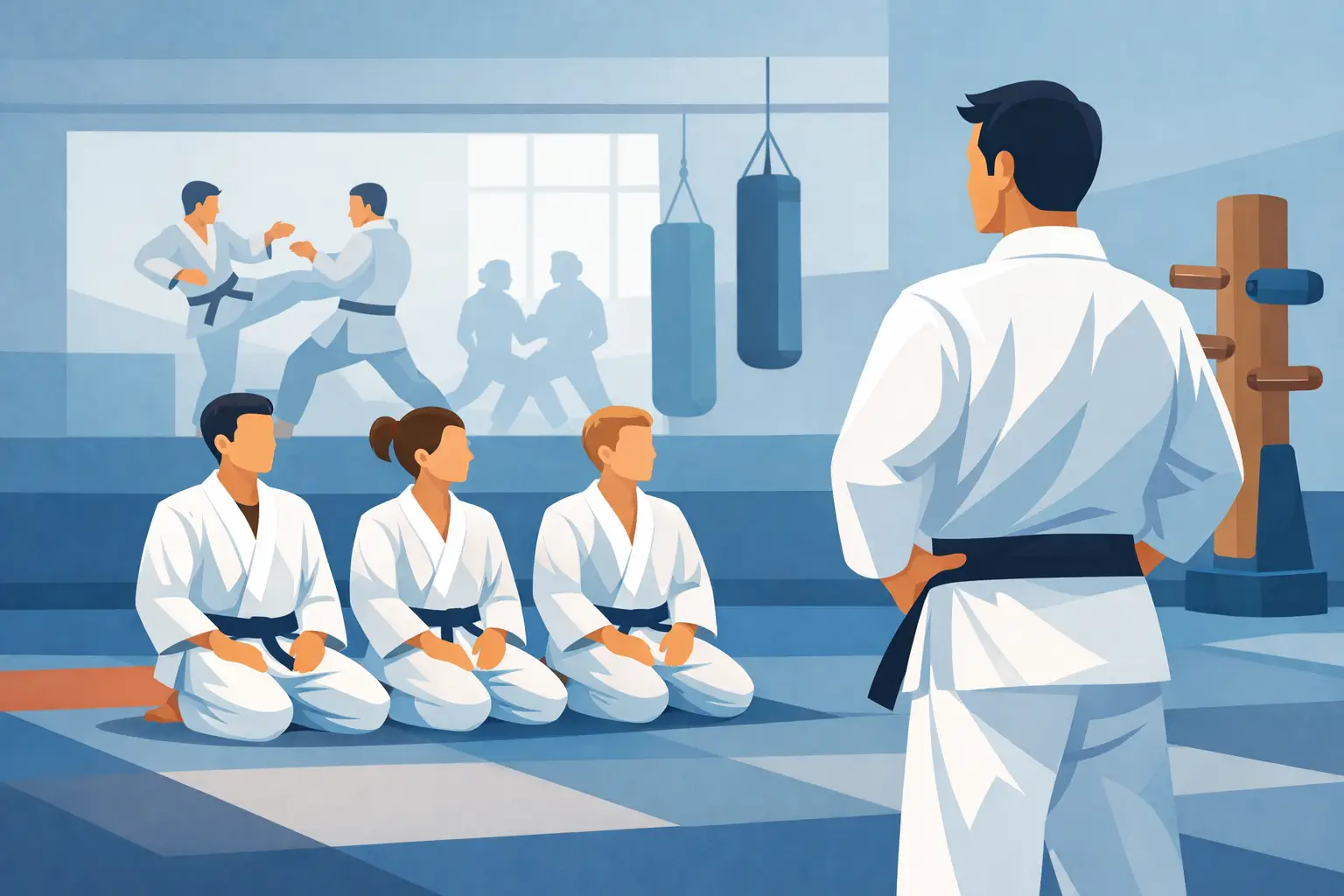
It also helps when the environment is structured and supportive. People learn better when they are challenged without feeling overwhelmed. Kids need encouragement. Teens need direction. Adults need instruction that is serious without becoming intimidating. That balance is what turns martial arts from an occasional class into a long-term source of confidence.
Hapkido for everyday safety is also about mindset
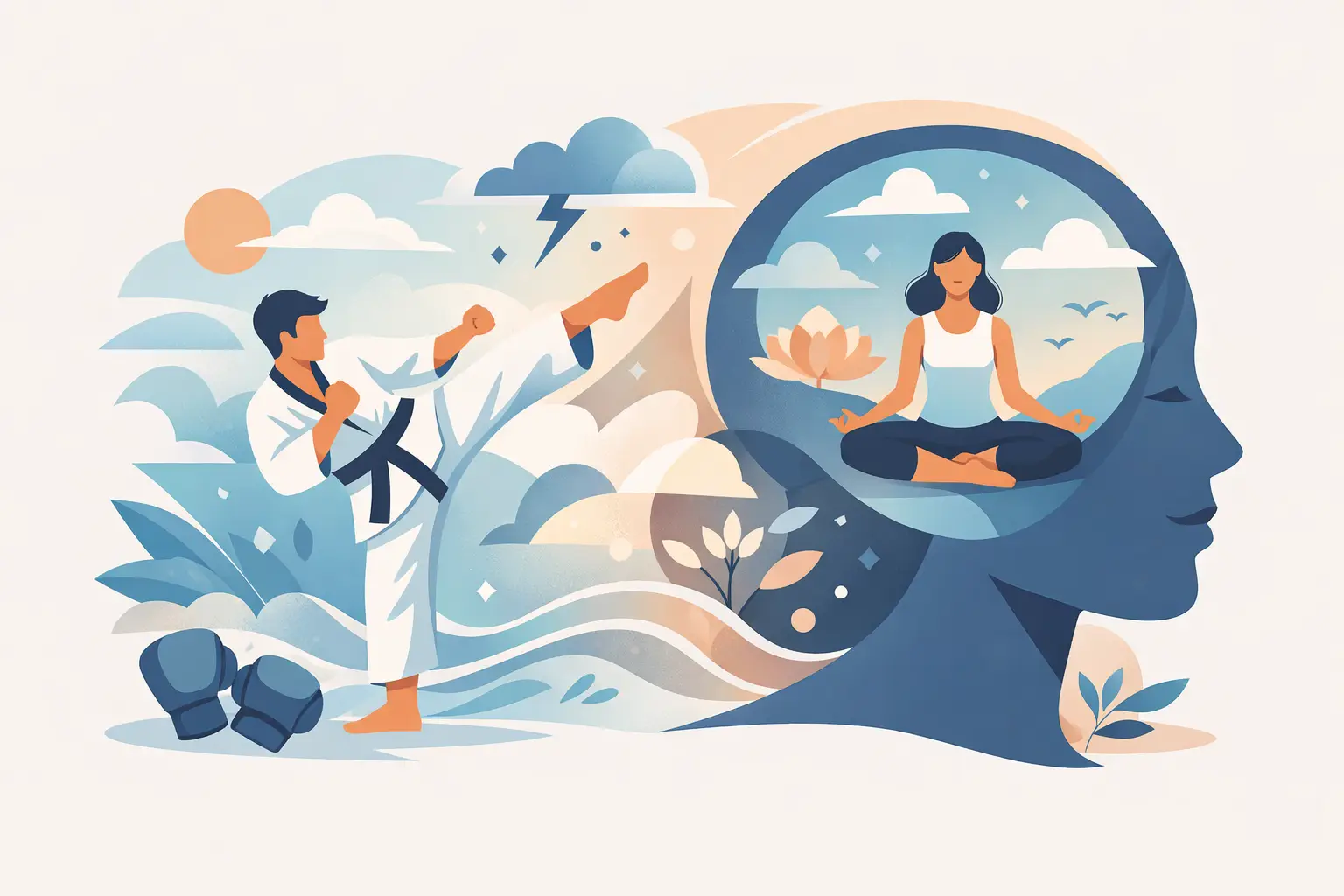
The strongest students are not always the biggest or fastest. Often, they are the ones who have trained their mindset. They know how to breathe under pressure. They know how to stay present. They understand that panic makes everything harder.
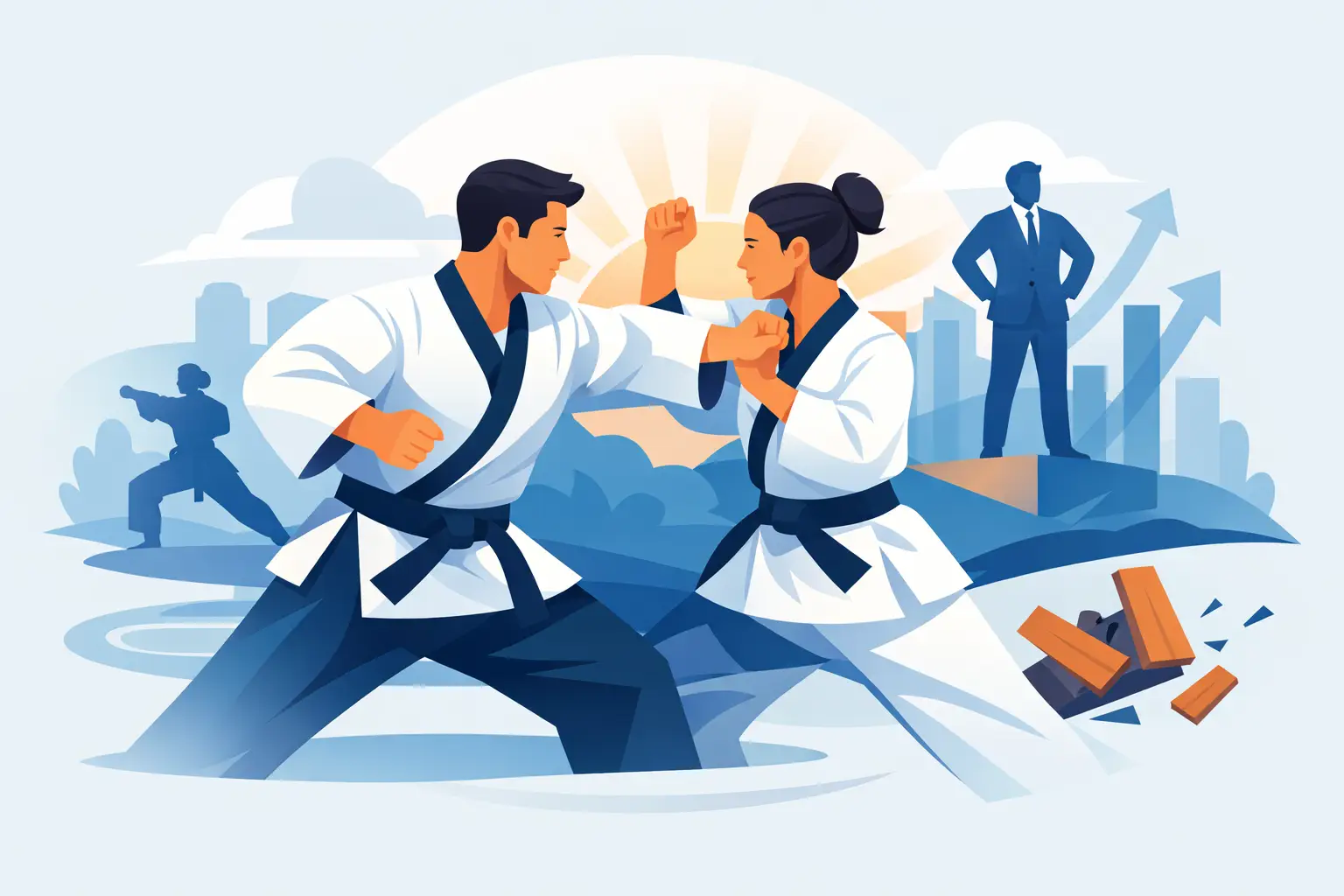
This is one reason martial arts can have such a lasting impact on families. The benefits carry beyond self-defense. Children become more focused. Teens become more disciplined. Adults become calmer and more decisive. Those changes show up at school, at work, and in relationships.
Safety is not just physical. It is emotional too. When someone feels helpless, that affects how they speak, how they walk, and how they handle stress. Hapkido helps reverse that pattern. Step by step, students build the kind of confidence that does not need to be performed because it is real.
Is Hapkido the right fit for your family?
That depends on what you want. If you are looking for trophies, there may be other programs more centered on competition. If you want traditional forms as the main focus, there are schools built around that experience. But if your priority is practical self-defense, confidence, discipline, and the ability to handle everyday situations with more control, Hapkido makes a strong case.
It is especially valuable for families who want training with purpose. Parents want their children to be respectful, but also strong enough to stand up for themselves. Teens want confidence they can actually feel. Adults want skills they can trust in real moments, not just in theory.
That is what makes this training meaningful. It meets people where they are and gives them something useful right away, while still building deeper strength over time.
The best part is that everyday safety does not start with becoming fearless. It starts with learning that confidence can be trained, and once it is, life feels different in all the right ways.