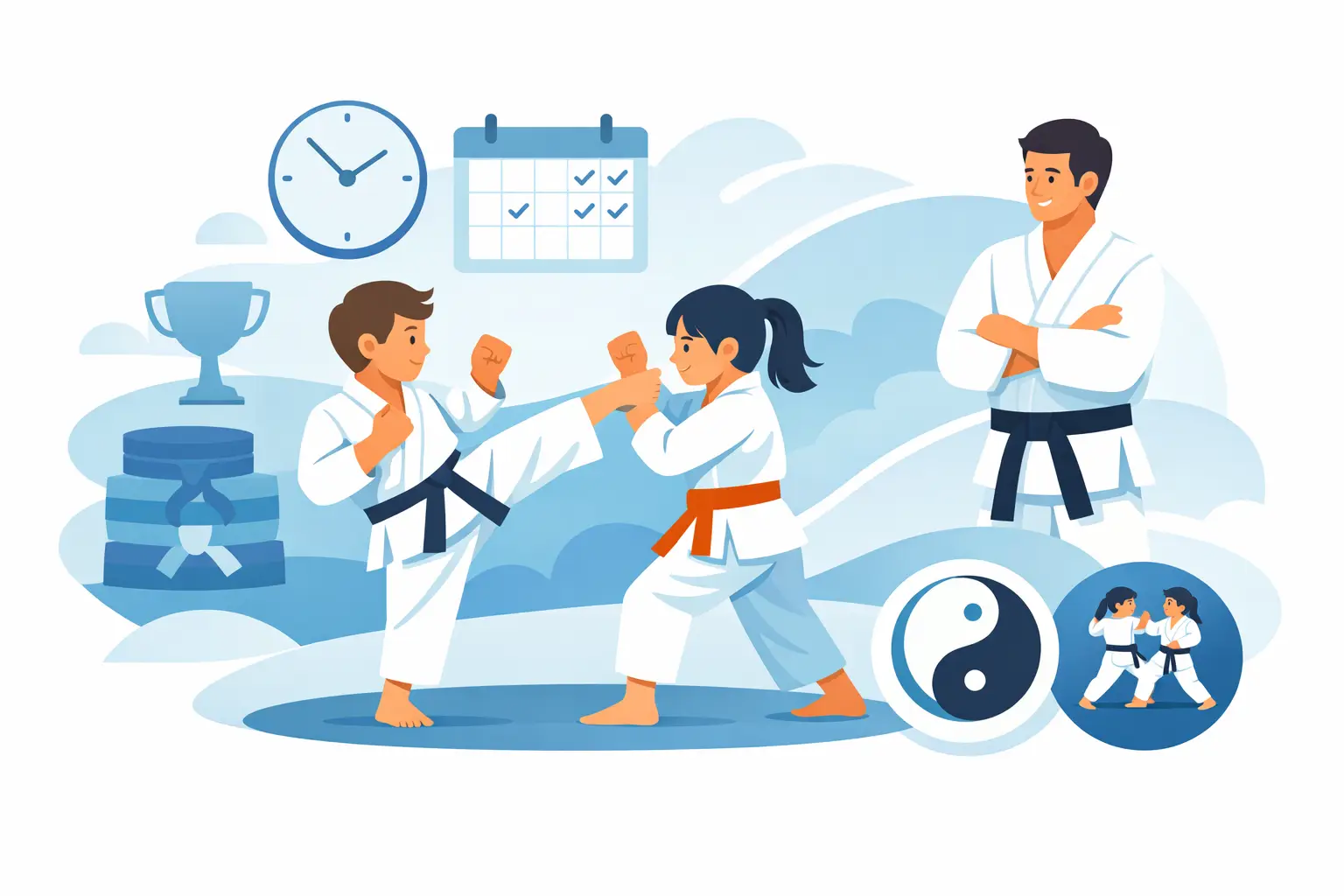

A child who struggles to sit still in school, a teen who shuts down under pressure, an adult who feels tense walking to the car at night – these are not small issues. They affect daily life, confidence, and the way a person moves through the world. That is why martial arts discipline benefits matter so much. The right training does more than teach punches and kicks. It builds steady habits, better decision-making, and the kind of self-control that shows up at home, at school, at work, and in stressful moments.
At a strong martial arts school, discipline is not about yelling, punishment, or making students act like robots. Real discipline is the ability to stay focused, follow through, respect boundaries, and respond with control instead of panic. For families, that can mean a child who listens better and gives up less easily. For teens and adults, it can mean more confidence, better stress management, and practical self-defense skills backed by calm thinking.
Why martial arts discipline benefits go beyond the mat
Many activities help with fitness. Fewer help students develop structure under pressure. Martial arts stands out because it asks students to be physically engaged while also staying mentally present. They must listen, react, control their body, and stay aware of the people around them.
That combination is where discipline begins to take root. A student is not just burning energy. They are learning how to manage it. They are not only practicing technique. They are practicing patience, timing, and self-restraint. Over time, those lessons become habits.
This is especially valuable for kids who are impulsive, easily distracted, or quick to get frustrated. In many cases, they do not need more criticism. They need a structured environment where expectations are clear and progress is earned. Martial arts gives them exactly that. They learn that effort leads to improvement, and that confidence is built through consistent action.
For adults, the benefit looks a little different but is just as powerful. A disciplined training environment can counterbalance the constant distraction of work, phones, stress, and fatigue. Showing up, practicing with intent, and improving week by week creates a sense of control that many people have been missing.
Confidence is one of the biggest martial arts discipline benefits
Confidence is often misunderstood. It is not loudness. It is not showing off. It is the quiet belief that you can handle yourself well, even in uncomfortable situations.
That kind of confidence grows when students do hard things on purpose. A shy child speaks up in class because they have practiced stepping forward. A teen sets better boundaries because they no longer feel helpless. An adult carries themselves differently because they know what to do if a situation turns physical.
Discipline is what supports that confidence. Without discipline, confidence can be shallow. With discipline, it becomes dependable. Students start to trust themselves because they have proof. They have stayed consistent. They have practiced under pressure. They have learned how to stay composed.
This matters a great deal for families concerned about bullying. Martial arts training can help children become less attractive targets, not because they become aggressive, but because they appear more alert, more assertive, and less intimidated. That said, not every child responds the same way. Some become noticeably more outgoing. Others simply become steadier and less reactive. Both are meaningful changes.
Better focus and self-control at school and home
Parents often come to martial arts looking for an outlet for energy, but one of the most valuable outcomes is improved focus. In class, students must pay attention to instruction, remember sequences, and adjust in real time. They also learn that there are moments to move fast and moments to be still.
That practice carries over. A child who can control their body in class is often better prepared to control impulses in other settings. A student who learns to listen carefully before acting may begin doing the same with teachers and parents. Results are not instant, and no program should promise perfection, but steady training can create real change.
There is also an emotional side to self-control. Martial arts teaches students that feeling frustrated is normal. The key is what happens next. Do they quit, lash out, or stay with the challenge? When students are guided through that process again and again, they become more resilient.
For teens, this can be a game changer. Adolescence is full of pressure, comparison, and emotional highs and lows. A disciplined martial arts environment gives teens a place to build identity around effort, respect, and capability instead of social status. That is one reason many families see benefits that go far beyond fitness.
Real-world self-defense changes how discipline is taught
Not all martial arts training emphasizes the same outcomes. Some schools focus heavily on forms, tournaments, or tradition. Those can have value, but for many families and adults, practical self-defense is the priority.
When training is rooted in real-world application, discipline becomes more purposeful. Students are not just memorizing movements for the sake of rank. They are learning awareness, distance, timing, balance, and how to make safer decisions under pressure. That tends to keep students engaged because they understand why the training matters.
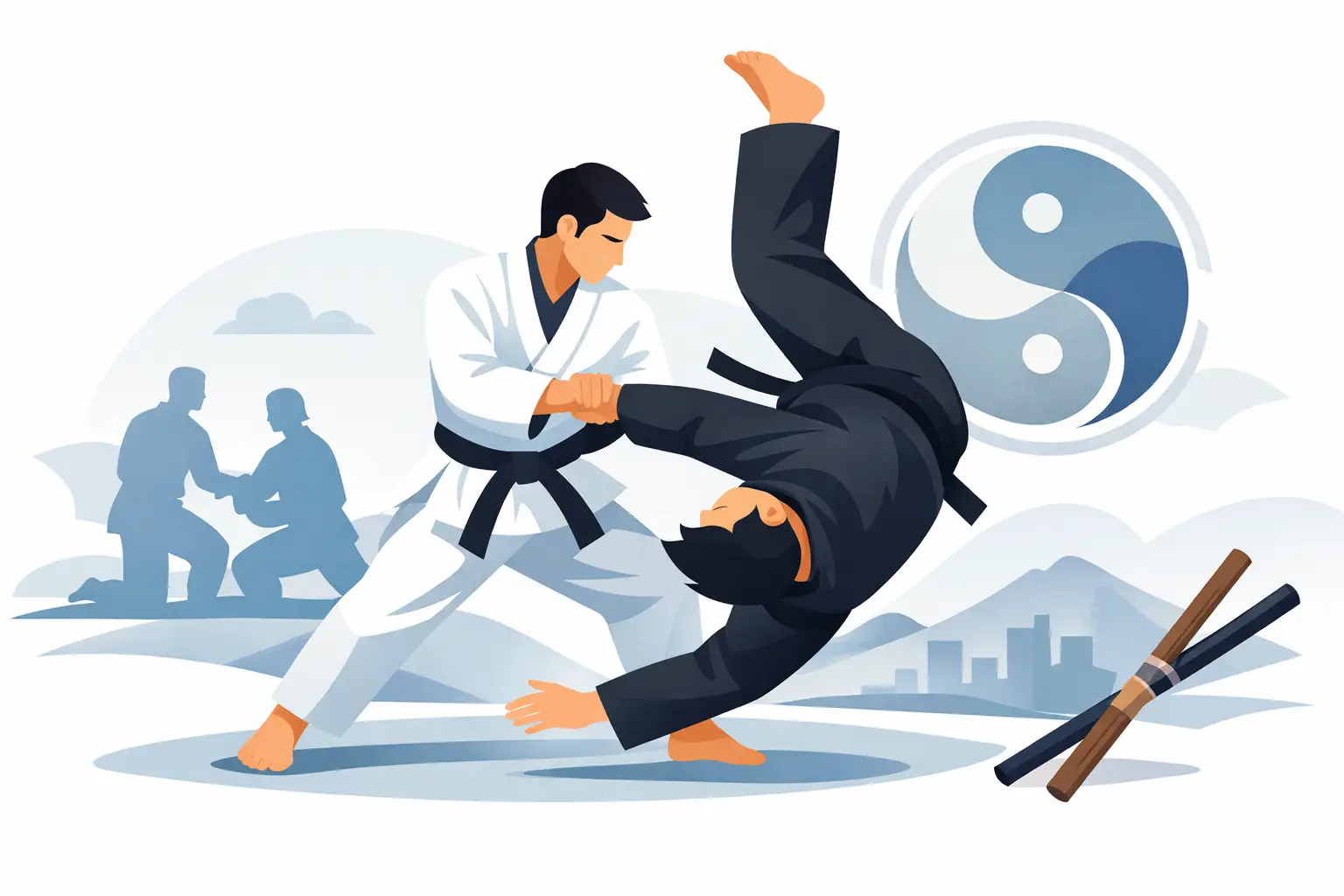
In Hapkido-based training, for example, discipline is tied to body control, situational awareness, and the ability to respond effectively rather than emotionally. That can be especially helpful for students who need confidence in everyday personal safety, not just in a tournament setting. Inner-Power Martial Arts builds around that practical mindset, which is one reason students often gain both stronger habits and stronger self-belief.
There is an important trade-off here. Practical training can feel more demanding because students are asked to think, adapt, and stay accountable. But that challenge is also what makes the growth real.
Martial arts discipline benefits for different age groups
A 5-year-old, a 10-year-old, and a 35-year-old do not need the same kind of discipline training. The best programs understand that and teach accordingly.
Young children need structure they can succeed in
For younger kids, discipline starts with very basic wins. Standing in line correctly. Following one instruction at a time. Taking turns. Using a strong voice. Keeping hands to themselves. These may sound simple, but for many children they are major developmental steps.
When taught in an encouraging, high-energy setting, these lessons build a foundation for school readiness and better behavior at home. Children begin to understand that discipline is not about being shut down. It is about learning how to use their energy well.
School-age kids need confidence with accountability
For elementary-age students, discipline becomes more connected to personal responsibility. They can handle more complex skills, longer attention demands, and clearer expectations. This is often the age when parents notice changes in focus, posture, listening, and perseverance.
It is also the age when social pressure starts to matter more. Kids who learn assertiveness and self-control are often better equipped to deal with conflict, peer issues, and self-doubt.
Teens and adults need resilience they can apply immediately
Older students usually want results they can feel in daily life. They want to be fitter, more capable, less stressed, and more confident. Discipline supports all of that. It helps them train consistently, stay calm, and make better choices in difficult moments.
For adults, one underrated benefit is mental reset. A good class demands full attention. That break from daily stress can improve mood, patience, and overall well-being. For teens heading toward college or independence, disciplined self-defense training can provide a real sense of preparedness.
What families should look for in a martial arts program
If the goal is real discipline, the training environment matters as much as the curriculum. A school should feel organized, encouraging, and clear about expectations. Students should be challenged, but not humiliated. Instructors should be firm, but also invested in each student’s growth.
Parents should also look for programs that connect discipline to life skills. Can the school help a shy child become more assertive? Can it help an easily frustrated child stay composed? Can it help a teen or adult feel safer and more confident in the real world? Those are the questions that matter.
A flashy class is not always an effective one. Some students need more energy and motivation. Others need steadiness and patience. The best instructors know how to adjust without lowering standards.
Discipline is not built in a single class, and it is not measured only by belt progression. It grows through repetition, accountability, and encouragement. Over time, students begin to stand taller, speak more clearly, and handle challenges with more maturity. That is the kind of progress families remember.
The strongest martial arts discipline benefits are not limited to the training floor. They show up when a child faces a tough day at school without falling apart, when a teen sets a boundary with confidence, or when an adult responds to stress with control instead of fear. That is the deeper value of training – not just learning how to fight, but learning how to carry yourself with strength when life tests you.