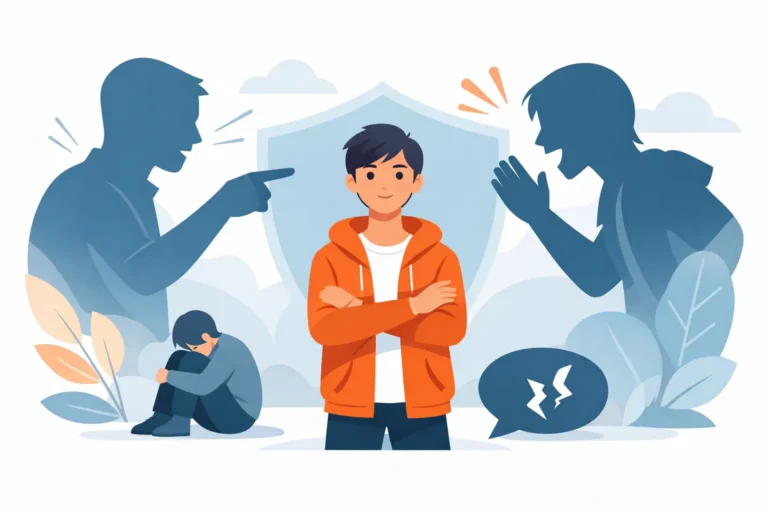
A lot of parents notice the change before their child says a word. A kid who used to talk nonstop in the car gets quiet. A teen starts asking to stay home. Shoulders drop, eye contact disappears, and suddenly school feels heavier than it should. If you are searching for how to stop bullying confidence can become the missing piece – not fake bravado, but the kind of confidence that helps a child speak up, stand tall, and stop looking like an easy target.
That matters because bullies usually do not pick their targets at random. They tend to test for hesitation, isolation, and uncertainty. They look for the child who seems unsure of what to do next. The hard truth is that many kids are told to “just ignore it” without ever being shown how to carry themselves with strength, set verbal boundaries, or respond under pressure. Confidence is not a personality trait some kids are born with and others are not. It is a skill, and skills can be trained.
Why confidence changes the bullying dynamic
Confidence does not guarantee that no one will ever say something cruel. Kids can be unkind for all kinds of reasons, and sometimes the problem is bigger than one child’s response. But confidence changes the pattern. It affects posture, voice, eye contact, decision-making, and recovery after a difficult moment.
A confident child is more likely to recognize bad behavior early instead of freezing. They are more likely to use a clear voice, seek help without shame, and stay emotionally steady enough to make good choices. That is often what interrupts bullying before it grows.
There is also an emotional side parents sometimes miss. When a child feels powerless, even small incidents can feel overwhelming. When that same child starts to feel capable, the world becomes less intimidating. The goal is not to raise aggressive kids. The goal is to raise kids who know they have options.
How to stop bullying: confidence starts before the moment
Many people think confidence appears in the middle of a confrontation. Usually, it starts long before that. It is built through repetition, coaching, and small wins that teach a child, “I can handle hard things.”
That might look like learning to stand with good posture, practicing how to say “Stop” without sounding uncertain, or getting used to making eye contact while speaking. It may also mean helping a child become more physically coordinated and emotionally regulated. A child who feels stronger in their body often becomes stronger in their choices.
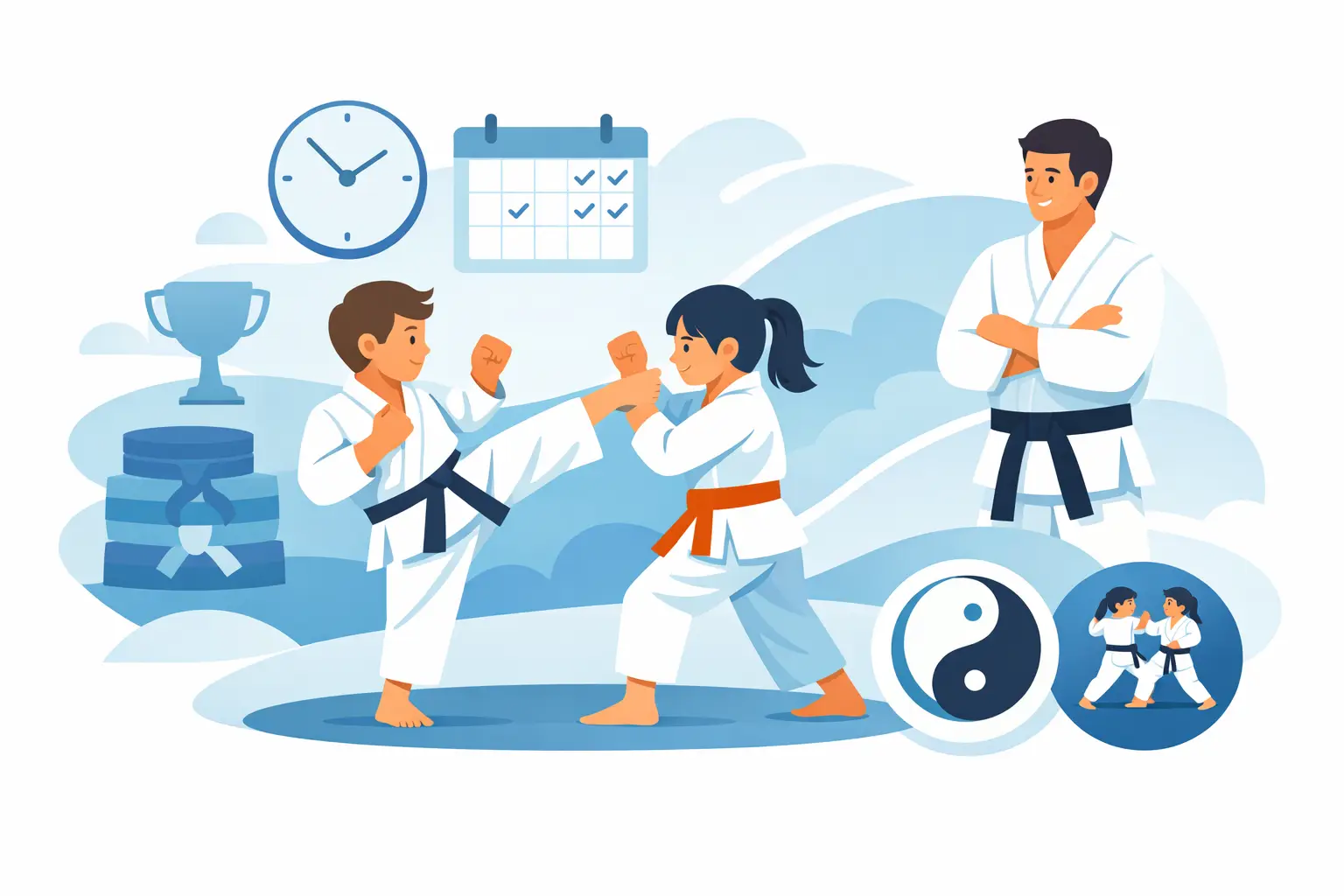
This is one reason structured martial arts training can be so effective. Not because kids are being taught to fight their classmates, but because they are learning composure under pressure. They practice listening, responding, controlling emotions, and using their bodies with purpose. Over time, that changes how they walk into a room.
The difference between confidence and aggression
Parents sometimes worry that teaching self-defense or assertiveness will make a child more confrontational. In strong instruction, the opposite happens. Real confidence is calm. It does not need to show off, threaten people, or escalate a bad situation.
Aggression says, “I need to dominate.” Confidence says, “I know my boundaries.” That difference is huge.
When children are taught properly, they learn a sequence. First, use awareness. Then use body language. Then use words. Then get help from adults when needed. Physical action is a last resort, not the first move. That kind of training creates control, not chaos.
This is especially important for kids who are naturally shy. They do not need to become loud or combative. They need tools that help them project certainty without changing who they are.
What parents can do at home
If you want to know how to stop bullying with confidence, start by looking at what your child is practicing every day. Children rehearse patterns, whether those patterns help them or not. If they regularly shrink, mumble, and avoid difficult conversations, that becomes their default under stress. The good news is that new habits can be built.
Talk through real scenarios in a calm moment, not only after something bad happens. Ask what they would do if another child mocked them, excluded them, or invaded their space. Keep the conversation simple and practical. Children do better with clear actions than vague advice.
It also helps to practice a few short responses out loud. “Stop.” “That’s not okay.” “Leave me alone.” “I’m telling an adult.” A child should not have to invent these lines while nervous. Repetition matters.
Pay attention to your own messaging too. If a child feels they will disappoint you by speaking up, they may stay silent longer than they should. Let them know that asking for help is smart, not weak. Confidence includes knowing when to involve a teacher, coach, or parent.
And do not underestimate physical habits. Strong posture, steady breathing, and eye contact sound basic, but they change how a child is perceived. They also change how a child feels internally.
How martial arts helps build real anti-bullying confidence
Not every activity builds the same kind of confidence. Some help kids perform. Some help them socialize. Both can be valuable. But practical martial arts gives students something specific – the feeling that they can protect themselves, stay calm, and respond with control.
That is different from confidence based only on praise. Praise helps, but it can disappear in the face of pressure. Skill-based confidence holds up better because it is earned. A student learns a technique, practices it, applies it under instruction, and begins to trust themselves.
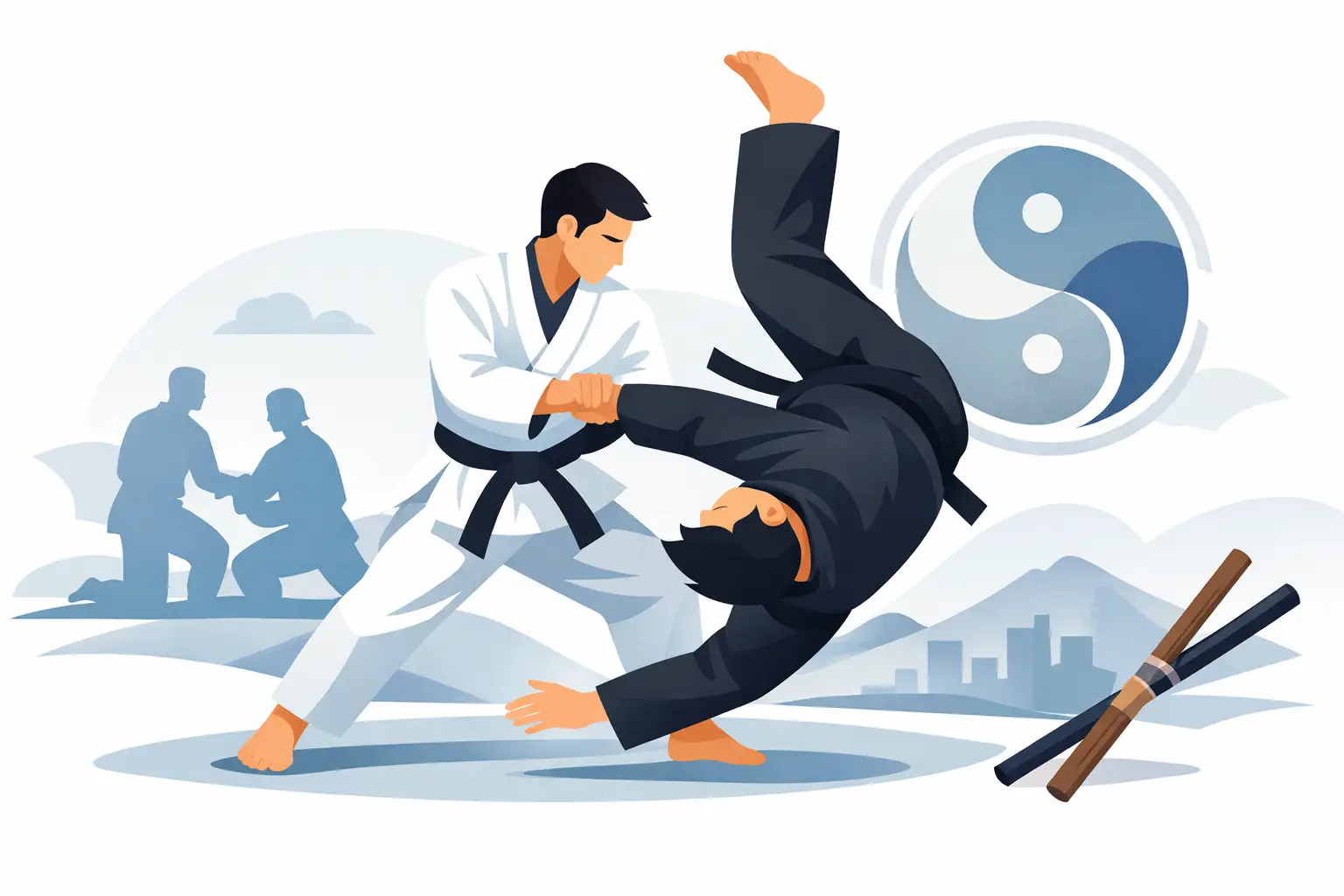
In a strong Hapkido-based program, students work on balance, awareness, verbal assertiveness, movement, and self-control alongside self-defense. For younger children, that often means learning to follow directions, stay focused, and use a strong voice. For older kids and teens, it may include boundary-setting, practical defense skills, and the discipline to make good choices under stress.
That is where real transformation happens. The shy child starts raising a hand in class. The anxious child walks into school with less fear. The teen who used to avoid conflict learns how to stay composed without backing down.
At Inner-Power Martial Arts, that confidence-building approach matters because families are not just looking for an after-school activity. They want their children to feel safer, stronger, and harder to intimidate in everyday life.
When confidence alone is not enough
There is an important trade-off here. Confidence is powerful, but it is not a complete anti-bullying plan by itself. Some situations require school involvement, documented incidents, or stronger adult intervention. If bullying is repeated, threatening, or physical, parents should not expect a child to solve it alone.
That does not mean confidence failed. It means the adults need to do their job.
In some cases, a child may also need emotional support beyond skill-building, especially if bullying has been happening for a while. Fear can become deeply ingrained. A student might know what to say but still freeze in the moment. That is not weakness. It is stress. They may need patient repetition, supportive coaching, and time.
The key is to avoid two extremes. One is helplessness – telling a child to endure mistreatment and hope it stops. The other is overreaction – acting as if every social conflict should be handled like a physical threat. Strong confidence lives in the middle. It helps children tell the difference.
Building confidence that lasts
The best kind of confidence is not loud. It shows up in habits. A child walks taller. Speaks more clearly. Recovers faster from embarrassment. Makes better eye contact. Sets a boundary sooner. These are not dramatic movie moments. They are everyday signs that a young person is growing stronger from the inside out.
That process takes consistency. One pep talk will not do it. One class will not do it either. But regular training, repeated practice, and the right environment can steadily change how a child sees themselves.
For families, that is often the real answer to how to stop bullying confidence. You do not wait for confidence to appear after life gets easier. You help build it first, so your child is better prepared when life gets hard.
Every student deserves to feel safe in their own skin, and sometimes the biggest change begins with teaching them they are not powerless.