
A child who avoids raising their hand in class, freezes when another kid is rude, or clings to your side at a birthday party is not asking for a motivational speech. They need practice. Real confidence training for children is not about telling kids to be brave. It is about putting them in the right environment often enough that bravery starts to feel normal.
That distinction matters to parents. Most moms and dads are not looking for louder kids. They are looking for steadier kids – children who can speak up, recover from setbacks, handle social pressure, and feel safe in their own bodies. Confidence is not a personality trait some children are born with and others are not. It is built through experience, repetition, and guidance.
What confidence training for children really means
When parents hear the word confidence, they often picture self-esteem. That is part of it, but confidence runs deeper. A confident child trusts their ability to try, adjust, and keep going. They do not need to win every time. They need to believe they can handle challenge without falling apart.
That is why praise alone usually falls short. If a child constantly hears, “You are amazing,” but has never worked through discomfort, solved a problem under pressure, or learned how to respond when someone tests them, that confidence can collapse fast. The first hard moment exposes the gap.
Real confidence training teaches a child to do hard things in manageable steps. It gives them structure, standards, and support. They begin to see, “I can listen. I can learn. I can stay calm. I can protect myself. I can speak clearly.” That kind of belief does not depend on mood. It comes from proof.
Why so many kids struggle with confidence now
Some children are naturally cautious. Others have had a few negative experiences and start shrinking back. A child may be bright and kind, yet still feel nervous in groups, hesitant in sports, or unsure how to respond when another kid is pushy.
Bullying, social comparison, and constant screen time can make that worse. Kids are exposed to more pressure and more noise, but they often get fewer chances to build real-world resilience. If they spend most of their time in low-risk, low-accountability environments, they may not develop the skills that confidence depends on.
Parents often notice the signs early. A child gives up quickly. They avoid eye contact. They say “I can’t” before they try. They become emotional over small corrections. Or they seem fine at home but shut down around peers. None of that means something is wrong with the child. It usually means they need a stronger system for growth.
The difference between hype and real growth
There is a version of confidence-building that sounds good but does not hold up in daily life. It focuses on positive talk without enough action. Kids are told they are powerful, but they are not shown how to act with power. They hear encouragement, but they are not asked to develop control, discipline, or courage under pressure.
Real growth feels different. It includes challenge. It includes correction. It includes moments where a child has to reset, try again, and improve. That process is not harsh when it is done well. It is respectful and supportive. But it is not empty cheerleading either.
Children grow when they know two things at the same time: “My instructor believes in me” and “I am still expected to work.” That balance builds durable confidence because it connects self-worth with effort, not with being perfect.
Why martial arts works as confidence training for children
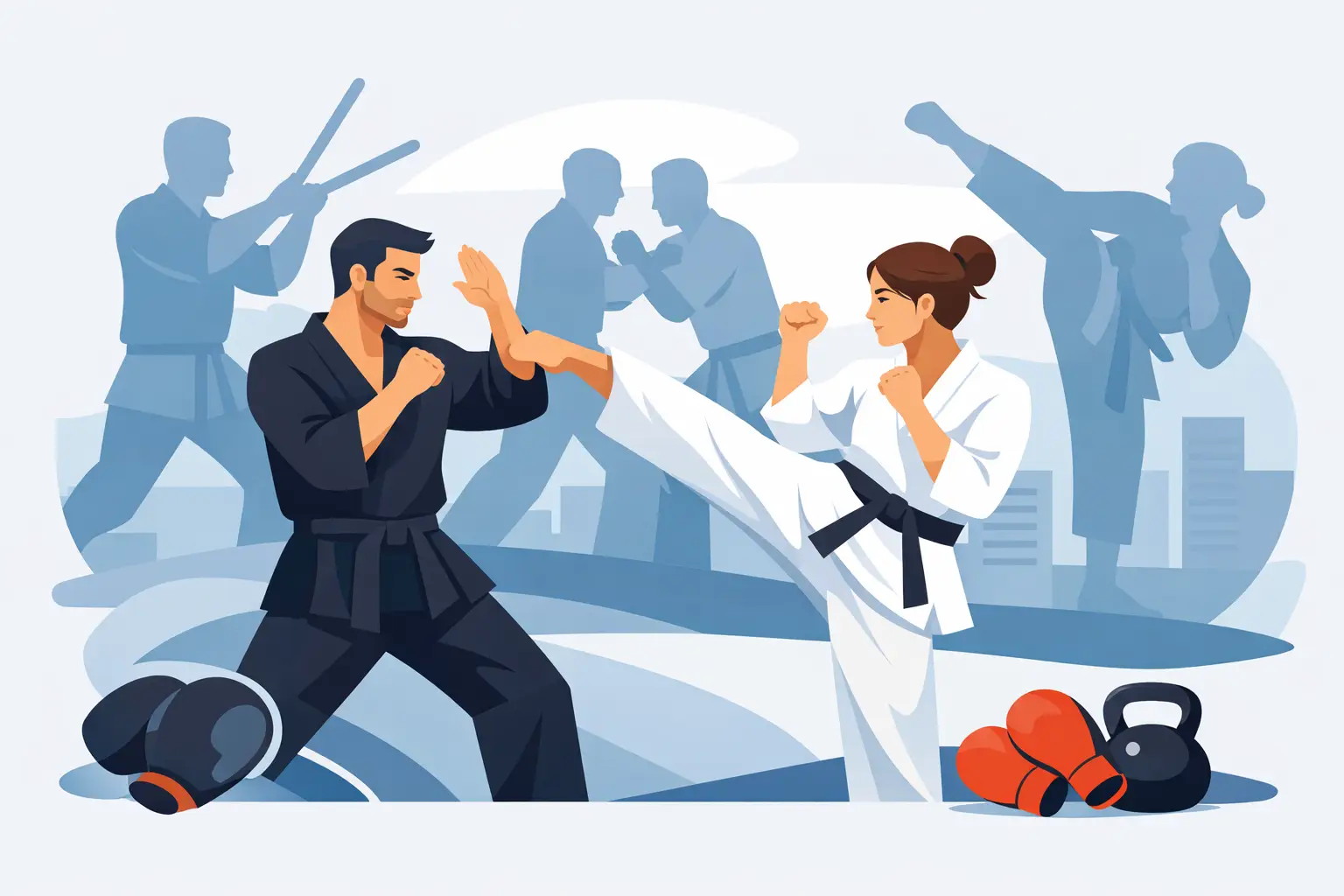
Martial arts gives children something many activities do not: a direct connection between mindset and action. A child walks in nervous, unsure, or unfocused. Then they train. They learn how to stand, how to move, how to respond, how to use their voice, and how to stay composed when something feels difficult.
That matters because confidence is physical as much as emotional. Body language affects how children feel and how others treat them. A child who stands tall, makes eye contact, and speaks clearly is less likely to look like an easy target. A child who knows basic self-defense often carries themselves differently before they ever need to use it.
In a practical Hapkido-based setting, students are not just memorizing forms for appearance. They are learning real-world skills with clear purpose. That can be especially powerful for children who are shy, anxious, or worried about bullying. They begin to understand that confidence is not pretending nothing scares them. It is knowing what to do next.
How confidence is built in class
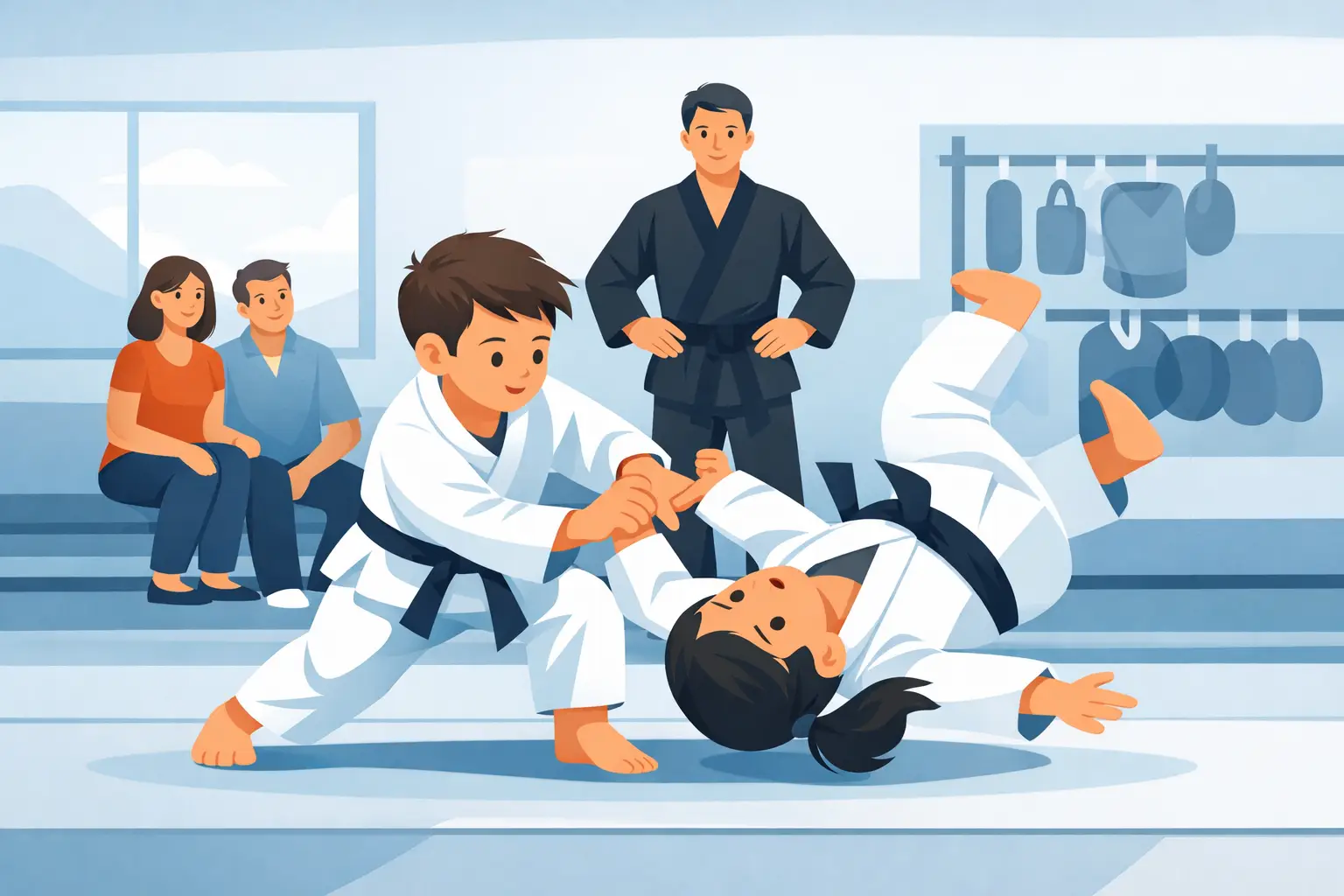
A strong program does not try to change a child overnight. It creates small wins that stack up over time. A younger student may begin by following directions, using a strong voice, and participating without hiding behind a parent. An older child may work on partner drills, self-control, respectful assertiveness, and handling pressure without getting overwhelmed.
The process looks simple from the outside, but it is doing serious work internally. Children learn to stay attentive. They learn that correction is not failure. They learn to respect boundaries and hold their own. They discover that discipline is not punishment – it is what helps them improve.
This is also why age matters. A four-year-old needs confidence training built around focus, listening, coordination, and basic social courage. A ten-year-old may need help with peer pressure, frustration tolerance, and standing up to unkind behavior. Good instruction meets children where they are and raises the standard from there.
Signs a child is getting more confident
Parents often expect a dramatic change, but the best signs are usually quieter at first. A child enters class without hesitation. They answer more clearly. They recover faster after making a mistake. They stay with a task longer instead of giving up. At school, they may speak more confidently, take initiative, or seem less rattled by social problems.
Sometimes the biggest shift is not that a child becomes outgoing. It is that they become secure. They do not need constant reassurance. They stop shrinking when things feel uncomfortable. They trust themselves more.
That is worth emphasizing because confidence does not look the same in every child. Some become more expressive. Others become calmer and more composed. Both can be signs of real progress.
What parents should look for in a program
Not every activity that promises confidence delivers it. Parents should look for instruction that is structured, consistent, and grounded in real skill-building. A child should be encouraged, but also challenged. The environment should feel welcoming without becoming loose or chaotic.
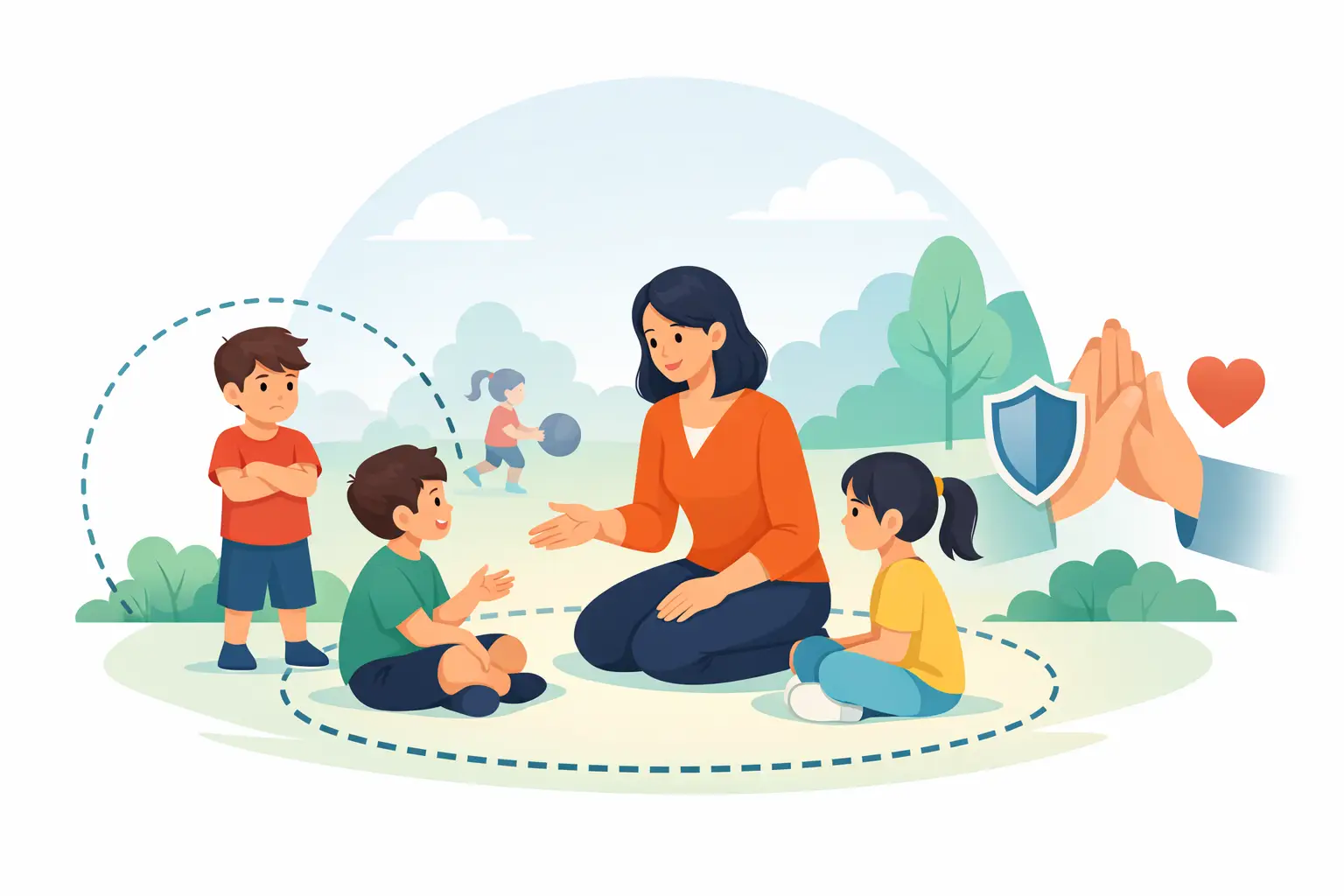
It also helps to ask what kind of confidence the program is actually building. Is it based on participation alone, or on clear progress? Does the child learn focus, discipline, and personal safety, or are they simply kept busy? If bullying prevention matters to your family, the program should address assertiveness and boundaries directly, not as an afterthought.
For many local families, that is where a school like Inner-Power Martial Arts stands out. Parents are not just looking for an after-school activity. They want their child to feel stronger, safer, and more capable in everyday life.
Confidence at home still matters
Training works best when parents support the process at home. That does not mean turning your house into a boot camp. It means reinforcing the same values: effort, respect, accountability, and calm persistence.
If your child struggles with confidence, resist the urge to rescue them from every uncomfortable moment. Support them, yes. Coach them, absolutely. But let them do hard things. Let them answer for themselves when appropriate. Let them feel nervous and still move forward. Confidence grows when children see they can survive discomfort and come out stronger on the other side.
It also helps to praise specifics. Instead of saying, “Good job,” say, “I liked how you stayed with it,” or “You used a strong voice there.” Specific feedback teaches children what confidence looks like in action.
The long-term payoff
The best confidence training for children does more than help them through one rough school year. It changes how they carry themselves as they grow. A child who learns discipline, assertiveness, and self-control early has a stronger foundation for middle school, high school, college, work, and relationships.
Will every child become fearless? No. Fear is part of life. The goal is not to erase it. The goal is to raise children who know how to act with strength even when they feel it. That is a very different standard, and a far more useful one.
If your child has been struggling with shyness, self-doubt, or fear of bullying, the answer is usually not more talk. It is better training, better structure, and more chances to succeed under guidance. Confidence is built one repetition at a time, and children are capable of far more than they realize when the right adults expect it from them.