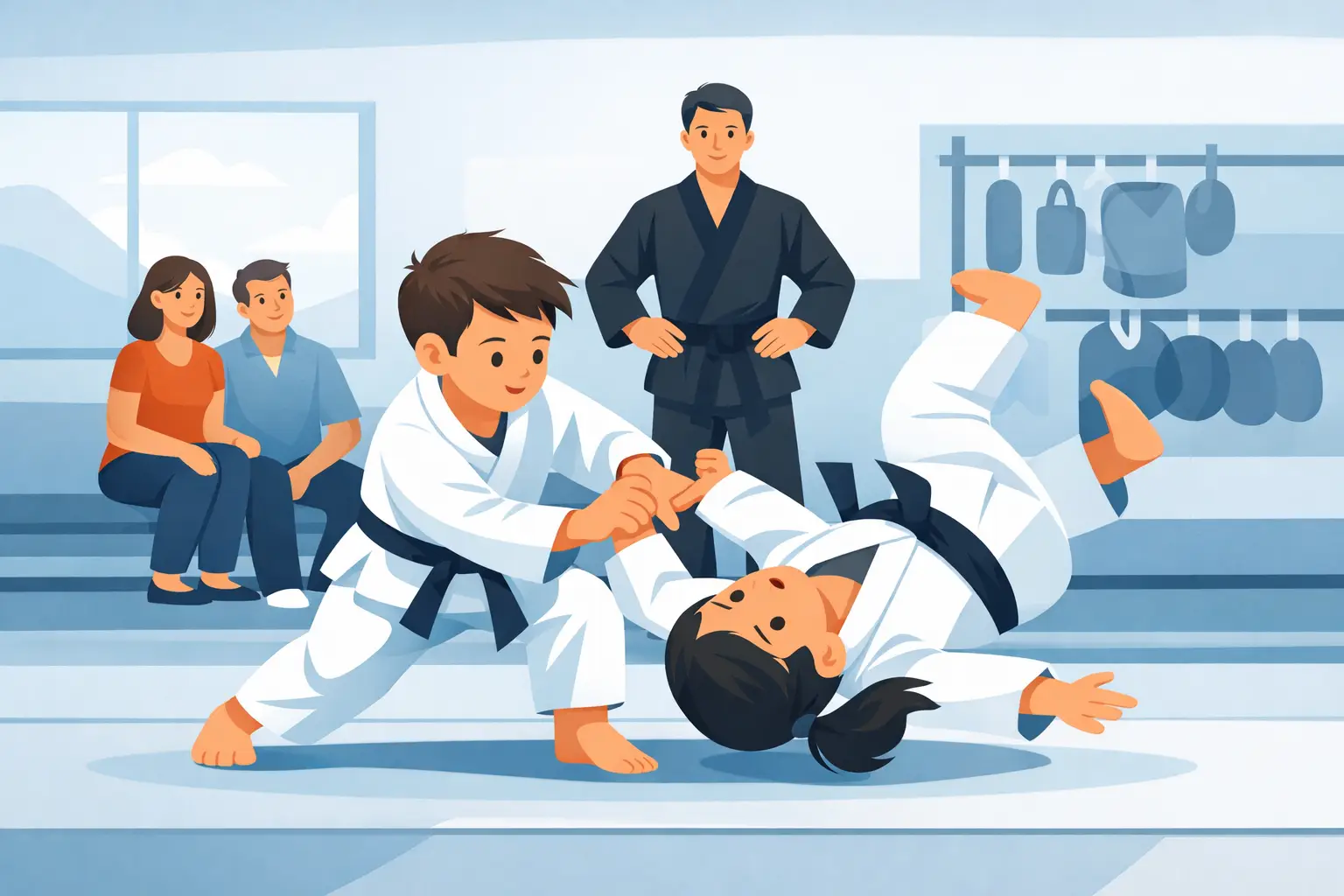

Walking into your first martial arts trial class can bring up two very different feelings at the same time: excitement and hesitation. For parents, the question is usually, “Will my child feel comfortable here?” For teens and adults, it is often, “Am I too inexperienced, too out of shape, or too nervous to start?” Those questions are normal, and a good martial arts school knows how to meet students at that exact starting point.
A trial class should not feel like a test. It should feel like a clear first step. You are there to see how the school teaches, how the instructors lead, and whether the environment builds real confidence instead of just looking impressive from the outside.
Why a martial arts trial class matters
A website can tell you a lot about a school’s programs, but it cannot show you what happens when a shy child walks onto the mat for the first time or when an adult student realizes training is challenging without being intimidating. That is where a martial arts trial class becomes valuable.
You get to see the culture up close. Are instructors patient but firm? Do students look focused and engaged? Is the class organized, safe, and age-appropriate? Those details matter, especially for families looking for more than an after-school activity. If your goal is better focus, stronger self-discipline, anti-bullying skills, and practical self-defense, the class experience should reflect that from the first day.
For many parents, this first visit is less about punches and kicks and more about trust. You want to know your child is being guided by instructors who understand confidence, emotional growth, and personal safety. For older students and adults, the trial class is often about discovering whether this is a place where they can improve without feeling judged.
What usually happens in a martial arts trial class
Most trial classes follow a simple structure. Students are welcomed in, introduced to the instructor, and shown where to stand and how class works. This may sound small, but it sets the tone. A strong school creates order right away while still making beginners feel comfortable.
The class often begins with a warm-up designed for the student’s age and experience level. Younger kids might work on balance, coordination, listening, and basic movement. Older children, teens, and adults may move into stance work, striking basics, partner drills, or controlled self-defense exercises. The goal is not to overwhelm a new student. It is to help them succeed early while still giving them a real sense of what training looks like.
In a practical self-defense program, you should also notice the purpose behind the drills. The instruction should connect movements to awareness, control, distance, and confidence. That matters because many families are not looking for flashy routines. They want training that helps students feel stronger, safer, and more capable in everyday life.
A well-run class also includes clear expectations. Students learn how to line up, when to listen, how to show respect, and how to respond to instruction. This structure is one of the reasons martial arts can be so powerful for children who struggle with focus, impulsiveness, or confidence. The rules are clear, the progress is visible, and the student starts to feel capable very quickly.
What to wear and bring
One reason some people delay trying a class is they worry they will show up unprepared. In most cases, you do not need anything fancy for your first visit. Comfortable athletic clothes are usually enough unless the school tells you otherwise.
Choose clothing that allows easy movement. Avoid anything too loose, too restrictive, or covered with zippers and accessories. Bring water, arrive a little early, and be ready to remove shoes before stepping onto the mat if that is the school’s practice.
For parents, it helps to prepare your child in simple terms. Let them know they do not need to be perfect. They just need to listen, try their best, and stay open to learning something new. That small conversation before class can make a big difference for a nervous child.
What parents should look for during a trial class
If you are watching your child’s first class, do not focus only on whether they smile the entire time. Growth often starts with discomfort. A shy child may stay quiet at first. A high-energy child may need reminders. That does not mean the class is not working. In fact, the right kind of structure is often exactly what they need.
Look at how the instructor handles different personalities. Are they able to encourage a hesitant student without letting the class lose focus? Can they correct behavior without embarrassment or chaos? Good instruction is not just technical. It is leadership.
You should also pay attention to whether the training matches your real goals. If your child needs help with confidence, bullying prevention, focus, or discipline, the program should clearly support those outcomes. That does not mean every class will talk directly about bullying, but it should teach the habits that help children carry themselves differently – posture, voice, awareness, control, and self-respect.
In Howell and surrounding communities, many families are not looking for a casual activity their child quits in two months. They want a program that helps their child grow stronger over time. A trial class can give you an early look at whether that long-term path is truly there.
What adults and teens should expect
Older beginners often carry a different kind of hesitation. Kids usually worry about fitting in. Adults worry about being behind. Teens may wonder whether class will feel awkward or too beginner-focused. A good school solves this by creating an atmosphere where effort matters more than experience.
You should expect to be challenged, but not thrown into situations you are not ready for. A serious self-defense class can still be welcoming. In fact, it should be. Real confidence is built through progressive training, not by making new students feel lost.
Teens often benefit from martial arts because it gives them something very specific that many activities do not: controlled pressure. They learn how to stay calm, follow through, and respond with discipline instead of emotion. Adults often find that the benefits reach beyond fitness. Training can sharpen awareness, reduce stress, and build a steadier kind of confidence that carries into work, school, and daily life.
How to tell if the school is the right fit
Not every martial arts school teaches the same way, and that is exactly why the trial class matters. Some schools lean heavily into tradition and forms. Others emphasize competition. Some focus on practical self-defense and personal development. None of those approaches is automatically wrong, but one may fit your family far better than another.
Ask yourself whether the class felt purposeful. Did the instructor communicate clearly? Did students seem engaged and respectful? Was the environment positive without being soft? Those are strong signs.
It also helps to notice whether the school sees beginners as people, not just sign-ups. A quality academy takes time to understand what brought you in. Maybe your child needs confidence. Maybe your teen needs discipline and focus. Maybe you want practical self-defense and a better outlet for stress. The right school does not force everyone into the same box.
At Inner-Power Martial Arts, that first class is meant to show students and families what real growth can look like when training is structured, encouraging, and built around practical self-defense.
A martial arts trial class is about more than one day
The biggest value of a first class is not whether every technique goes perfectly. It is whether the student leaves feeling stronger than when they walked in. That might look like a child standing taller on the way out. It might be a teen realizing they can handle challenge better than they thought. It might be an adult deciding they are finally ready to train instead of just thinking about it.
That is what a good martial arts trial class should give you: clarity, confidence, and a real sense of what is possible with the right instruction. If the school feels focused, supportive, and serious about helping students grow, that first step can become the start of something much bigger.
Sometimes the most important change begins with simply showing up once.