A lot of parents ask the same question after a child has a rough day at school, struggles with confidence, or seems to have endless energy with nowhere productive to put it: what age start martial arts? The honest answer is not one number for every child. The better answer is this – the right age depends on maturity, attention span, and the kind of program they are stepping into.
Martial arts can be one of the best outlets for building confidence, discipline, focus, and real-world self-defense skills. But starting too early in the wrong class can frustrate a child. Starting at the right age, in the right environment, can change how they carry themselves at school, at home, and in every new situation they face.
What age to start martial arts really depends on the child
Some children are ready for a structured beginner class at 4. Others are better off waiting until 6 or 7, when they can follow directions more consistently and stay engaged for a full lesson. Age matters, but readiness matters more.
A younger child who can listen, participate in a group, and handle correction calmly may do very well in martial arts. A child who still struggles with transitions or becomes overwhelmed in group settings may need a program designed specifically for early childhood, not a general mixed-age class.
That distinction matters. Parents sometimes assume martial arts is just martial arts. It is not. A class for a 4-year-old should not look like a class for a 10-year-old, and it definitely should not feel like a teen or adult self-defense session scaled down for kids.
Best starting ages by stage of development
Ages 4 to 6
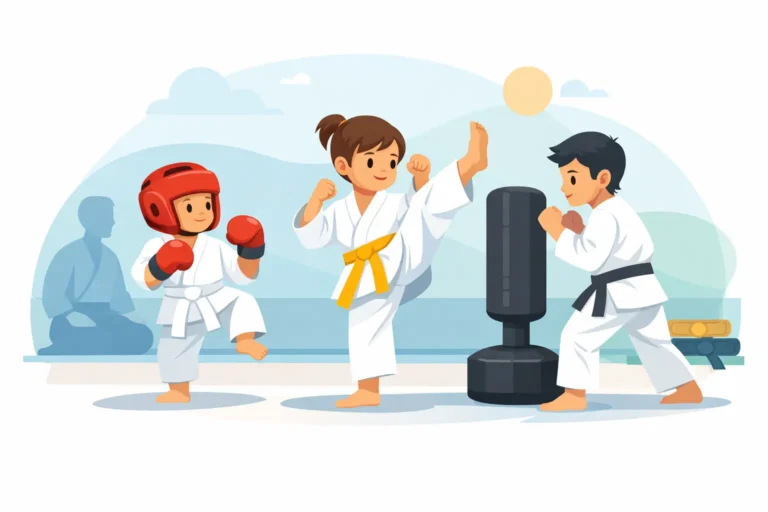
This is often a strong starting window for children who are ready for basic structure. At this age, martial arts should focus less on technical perfection and more on foundational life skills. Listening, taking turns, body control, respect, balance, and confidence are the real wins here.
For many families, this is the age when they first notice whether a child is shy, impulsive, easily distracted, or struggling to speak up. A well-run beginner program can help with all of that. Children in this stage respond best to short instruction, positive repetition, and clear expectations.
They do not need advanced techniques. They need a safe place to practice focus, discipline, and confidence in action.
Ages 7 to 12
This is the sweet spot for many kids. By this age, most children can follow more detailed instruction, retain combinations, and understand why technique matters. They are also old enough to connect martial arts lessons to real-life challenges like peer pressure, bullying, self-control, and responsibility.
This age group usually gains the most visible benefits quickly. Parents often notice better listening at home, stronger posture, increased self-confidence, and improved emotional control. Kids also begin to understand that martial arts is not about showing off or fighting. It is about protecting themselves, staying calm, and making smart choices.
For children dealing with self-esteem issues or social anxiety, this stage can be especially powerful. The confidence they build on the mat often shows up in the classroom and on the playground.
Teens and adults
If someone did not start young, that does not mean they missed their chance. Teens and adults can begin martial arts very successfully, often with strong motivation and a deeper appreciation for practical self-defense.
Teenagers benefit from training that helps them develop discipline, resilience, and situational awareness during a stage of life when confidence can feel shaky. Adults often come in looking for stress relief, fitness, and realistic self-defense skills. They may not care about tournaments or tradition-heavy routines. They want training they can use and believe in.
That is why style and school culture matter as much as age.
Signs your child is ready to start martial arts
Parents sometimes focus so much on the calendar age that they miss the readiness signs right in front of them. A child may be ready if they can participate in a group setting, listen to simple directions, recover after small corrections, and stay engaged for a class without shutting down.
It also helps if they are asking for something active and structured. Some kids need martial arts because they are timid and unsure of themselves. Others need it because they are full of energy and need discipline, boundaries, and positive challenge. Both can thrive, but the class has to meet them where they are.
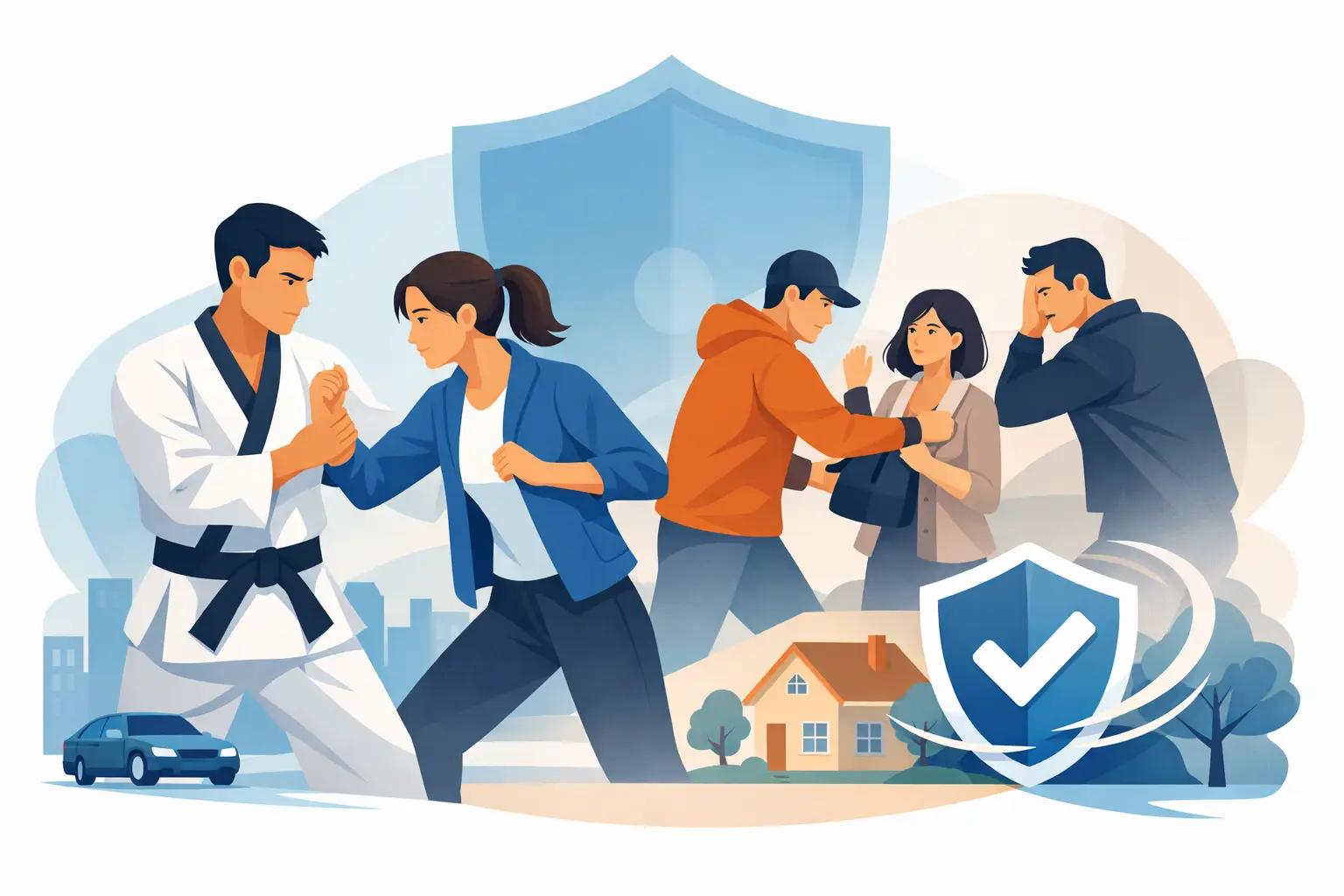
If a child is dealing with bullying, fear, or low confidence, martial arts can help tremendously. But families should look for a program that teaches assertiveness and self-control, not aggression. There is a big difference.
What age start martial arts if confidence is the goal?
If your goal is confidence, younger can be helpful, but only if the class is age-appropriate. A 4- or 5-year-old can absolutely begin building confidence through martial arts. The key is that confidence at that age does not come from memorizing advanced moves. It comes from small wins.
Standing tall. Answering loudly. Following directions. Completing a drill. Learning how to make eye contact. Practicing how to say no with strength. Those moments matter, especially for children who are shy or easily intimidated.
Older kids build confidence differently. They benefit from more challenge, more accountability, and more realistic self-defense instruction. They want to feel capable, not just included. A strong program gives them both support and standards.
The wrong time to start martial arts
There are times when waiting a little is the smarter move. If a child is not yet able to separate from a parent, cannot participate safely in a group, or becomes distressed by structured correction, they may need a little more time before they are ready to benefit from training.
That does not mean martial arts is not a fit. It may simply mean they need a better starting point later, or a program specifically built for very young beginners.
The bigger concern is not starting too late. It is starting in the wrong class with the wrong expectations. That is when children get discouraged, parents feel disappointed, and the real benefits of training never get a chance to take hold.
Choosing the right martial arts program matters more than the exact age
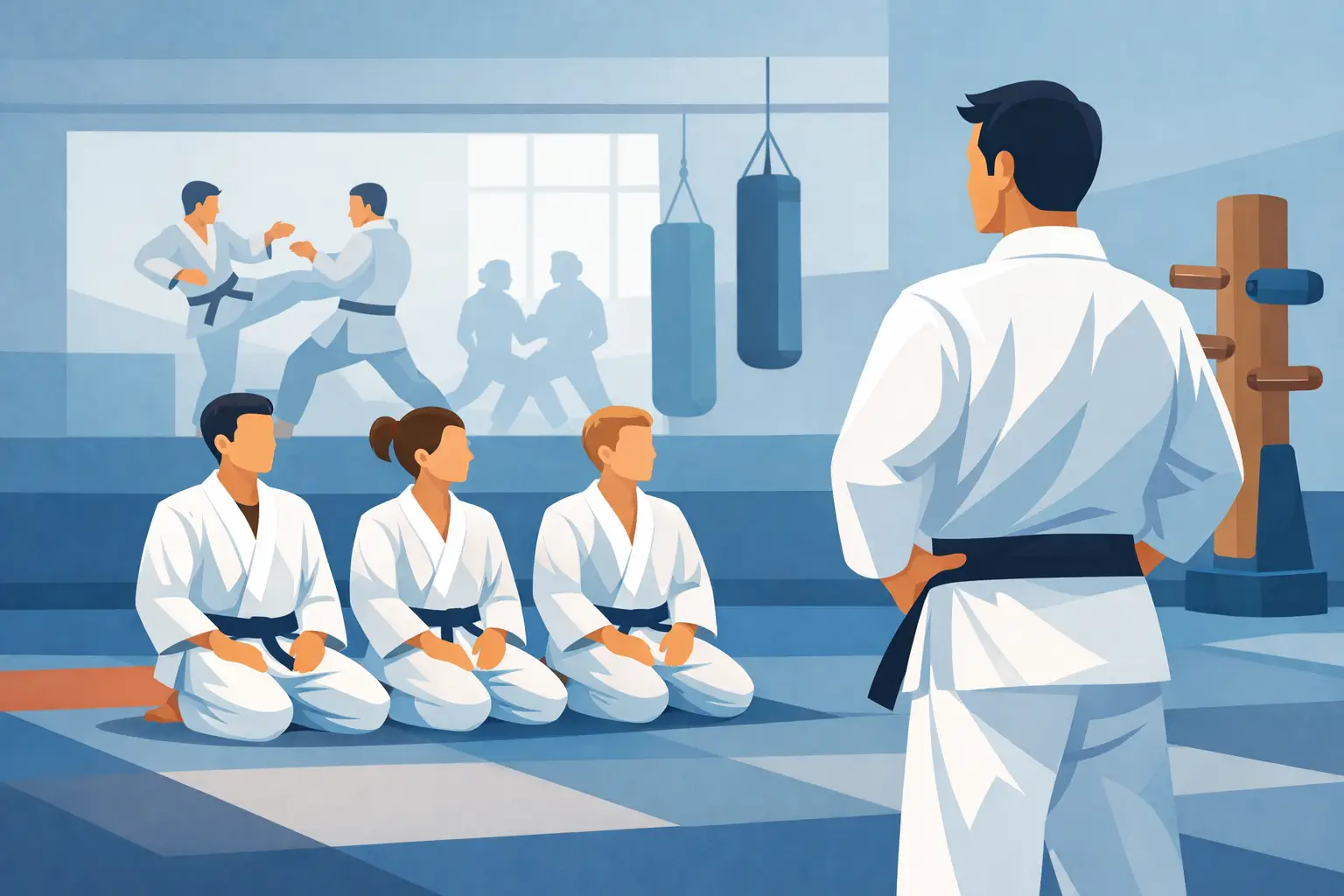
A child can start at the perfect age and still have a poor experience in the wrong school. Families should pay close attention to how instructors work with beginners, how classes are grouped by age and maturity, and whether the program teaches skills that actually matter off the mat.
For many parents, practical self-defense is a major priority. That makes sense. Confidence is important, but confidence backed by real skill is stronger. Programs built around practical movement, awareness, discipline, and assertiveness tend to serve students well because the training feels relevant.
At Inner-Power Martial Arts, this age-based approach is a big part of why students grow so well. Younger children need one kind of structure. School-age kids need another. Teens and adults need training that is realistic, challenging, and useful in everyday life.
What parents in Monmouth County should look for
If you are in Howell, Jackson, Freehold, Farmingdale, or nearby, look for a school that does more than keep kids busy. The right program should help students become more focused, more disciplined, and more confident in situations that matter.
Ask simple questions. Is the class organized? Are the instructors firm and encouraging? Do students look engaged? Does the program speak to real concerns like bullying, shyness, and personal safety? Those answers tell you far more than a flashy sales pitch ever will.
You should also trust what you see in your child after a few classes. Better posture. Stronger voice. More self-control. More willingness to try hard things. Those are signs that training is doing what it should.
The best age to start martial arts is the age when your child is ready for growth and the school is ready to guide that growth the right way. For some, that starts at 4. For others, it starts later. What matters most is not getting a head start. It is getting the right start.