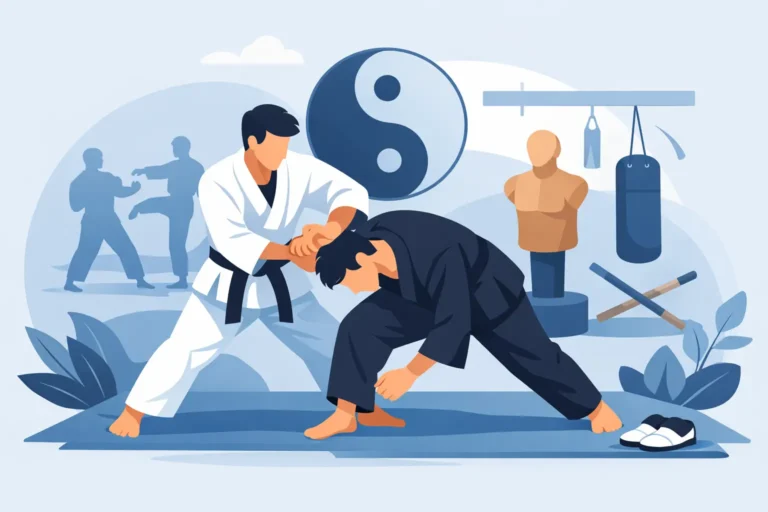
Walking into your first martial arts class can feel intimidating, especially if you are not sure what kind of training you are about to get. That is exactly why so many people search for hapkido for beginners – they want something practical, structured, and useful in real life, not a class that leaves them feeling lost or overwhelmed.
Hapkido stands out because it is built around self-defense. Instead of focusing only on performance or memorizing long routines, beginners learn how to move with control, protect themselves, improve awareness, and grow stronger from the inside out. For kids, that often means more confidence, better focus, and less fear of bullying. For teens and adults, it often means real-world skills, better conditioning, and the confidence that comes from knowing how to stay calm under pressure.
What Is Hapkido for Beginners?
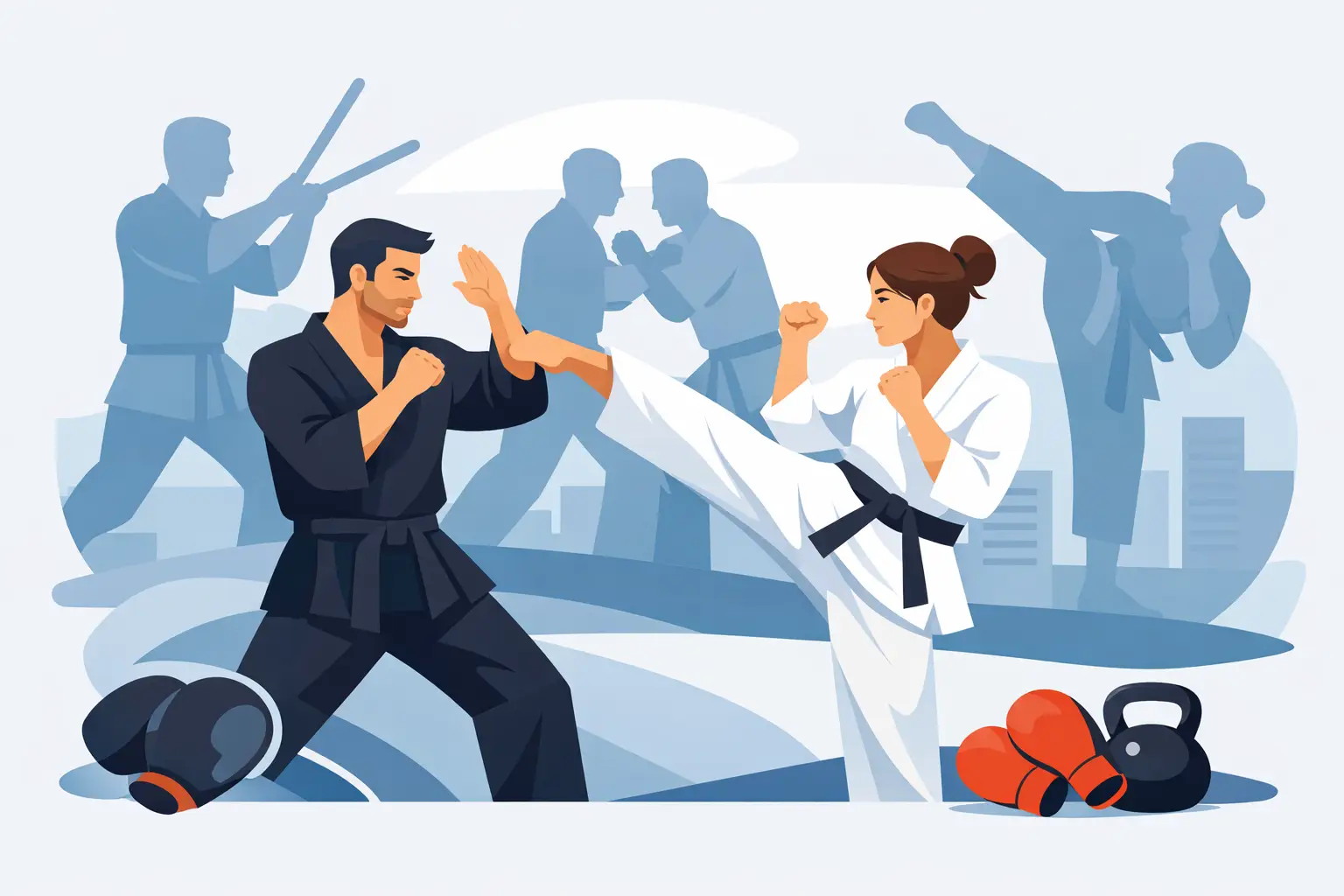
At the beginner level, Hapkido is a practical martial art that teaches students how to use balance, timing, leverage, movement, and controlled technique to handle common self-defense situations. It includes striking, escapes, blocks, falls, joint control, and situational awareness, but a good beginner class does not throw all of that at you at once.
The best instruction starts with fundamentals. A new student needs to learn how to stand, move, stay balanced, and respond with control before anything else. That matters because confidence does not come from chaos. It comes from repetition, coaching, and the steady feeling that you are getting better each week.
For children, this beginner stage is especially important. A shy child does not need pressure on day one. They need a safe environment where they can speak louder, stand taller, follow directions, and start building trust in themselves. For adults, the same principle applies. You do not need to be athletic or experienced to start. You need a good instructor and a program that meets you where you are.
Why Beginners Choose Hapkido
A lot of martial arts look impressive from the outside. The real question is whether they help a beginner feel safer, stronger, and more capable in everyday life.
That is where Hapkido connects with so many families and first-time students. It teaches practical self-defense without requiring someone to be naturally aggressive. A smaller student can learn how to redirect force. A nervous child can learn how to use posture, voice, and awareness. An adult who has never trained before can build skill step by step instead of being thrown into an environment that feels like a fight club.
There is also a mental side to beginner training that parents appreciate right away. Children who struggle with shyness, low confidence, or focus often benefit from the structure of class. They learn how to listen, respond, and stay composed. Teens benefit from the discipline and self-control. Adults often discover that training becomes a healthy outlet for stress while giving them something very concrete – greater confidence in their ability to protect themselves and their family.
What Happens in a Beginner Hapkido Class?
A strong beginner class should feel organized, challenging, and encouraging. It should not feel confusing.
Most classes begin with a warm-up to prepare the body. That may include stretching, mobility drills, basic conditioning, and movement practice. From there, beginners usually work on foundational skills such as stance, footwork, blocking, striking mechanics, and simple partner drills.
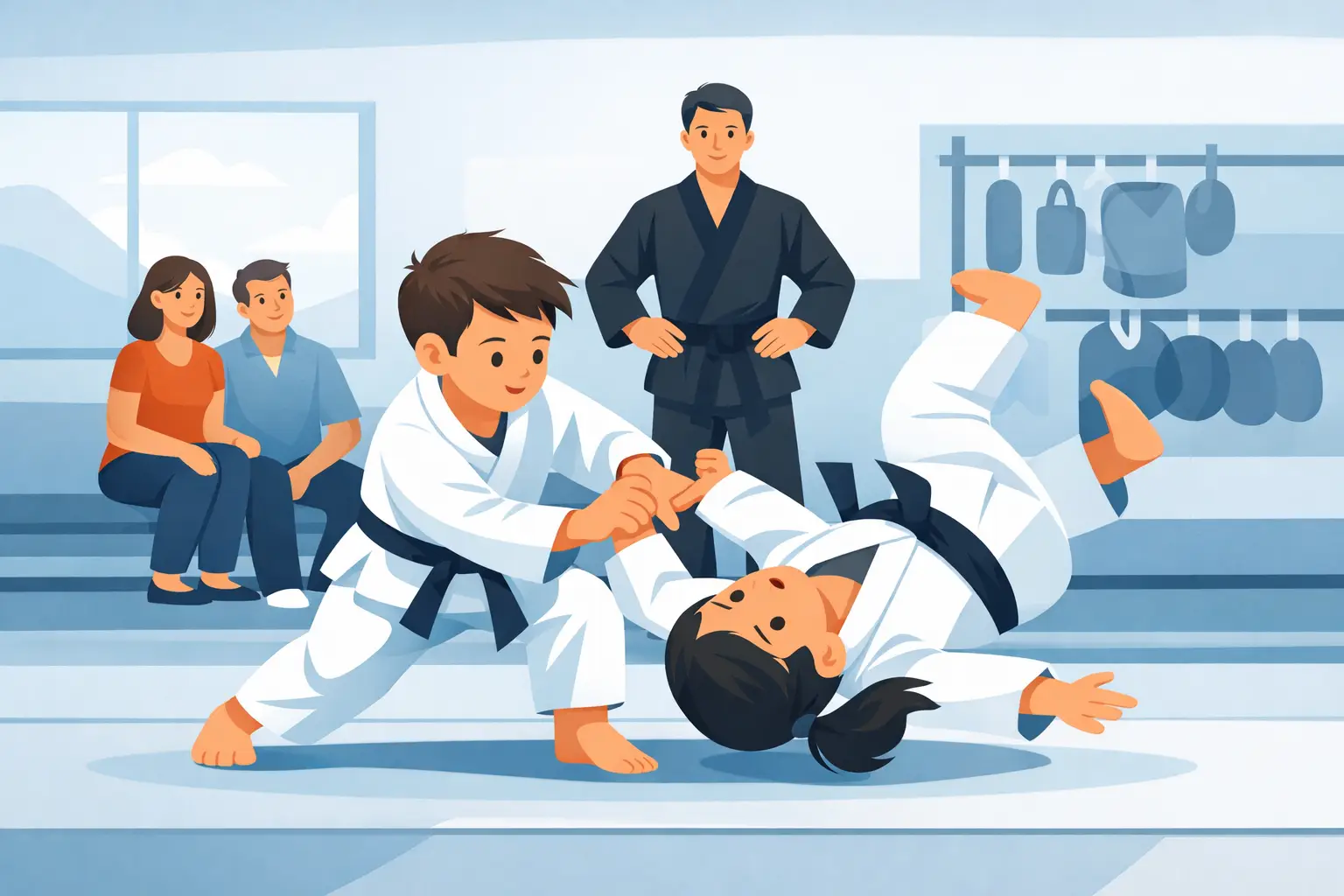
As students progress, they are introduced to breakfalls, escapes, wrist releases, and controlled self-defense applications. The pace matters here. Too fast, and beginners feel overwhelmed. Too slow, and they get bored. Good instruction finds the middle ground by teaching real skills in a way that is safe and repeatable.
For younger students, classes often include age-appropriate structure that keeps them engaged while still teaching discipline. A 5-year-old and a 15-year-old may both benefit from Hapkido, but they should not be taught the same way. Children need clear direction, energy, and encouragement. Teens and adults usually want more detail, more application, and a stronger focus on real-world situations.
Hapkido for Beginners and Real-World Self-Defense
This is one of the biggest reasons people choose Hapkido in the first place. They are not just looking for exercise. They want skills that make sense outside the training floor.
Beginner Hapkido training often includes defenses against common grabs, basic striking responses, distance management, and situational awareness. That does not mean a new student becomes an expert overnight. It means they begin developing habits that matter – keeping balance, staying alert, controlling panic, and responding with purpose.
There is an important trade-off here. Real self-defense training should be practical, but it should also be responsible. Good schools do not try to make beginners feel invincible. They teach students how to avoid danger when possible, de-escalate when appropriate, and act decisively when necessary. That kind of training builds confidence without creating recklessness.
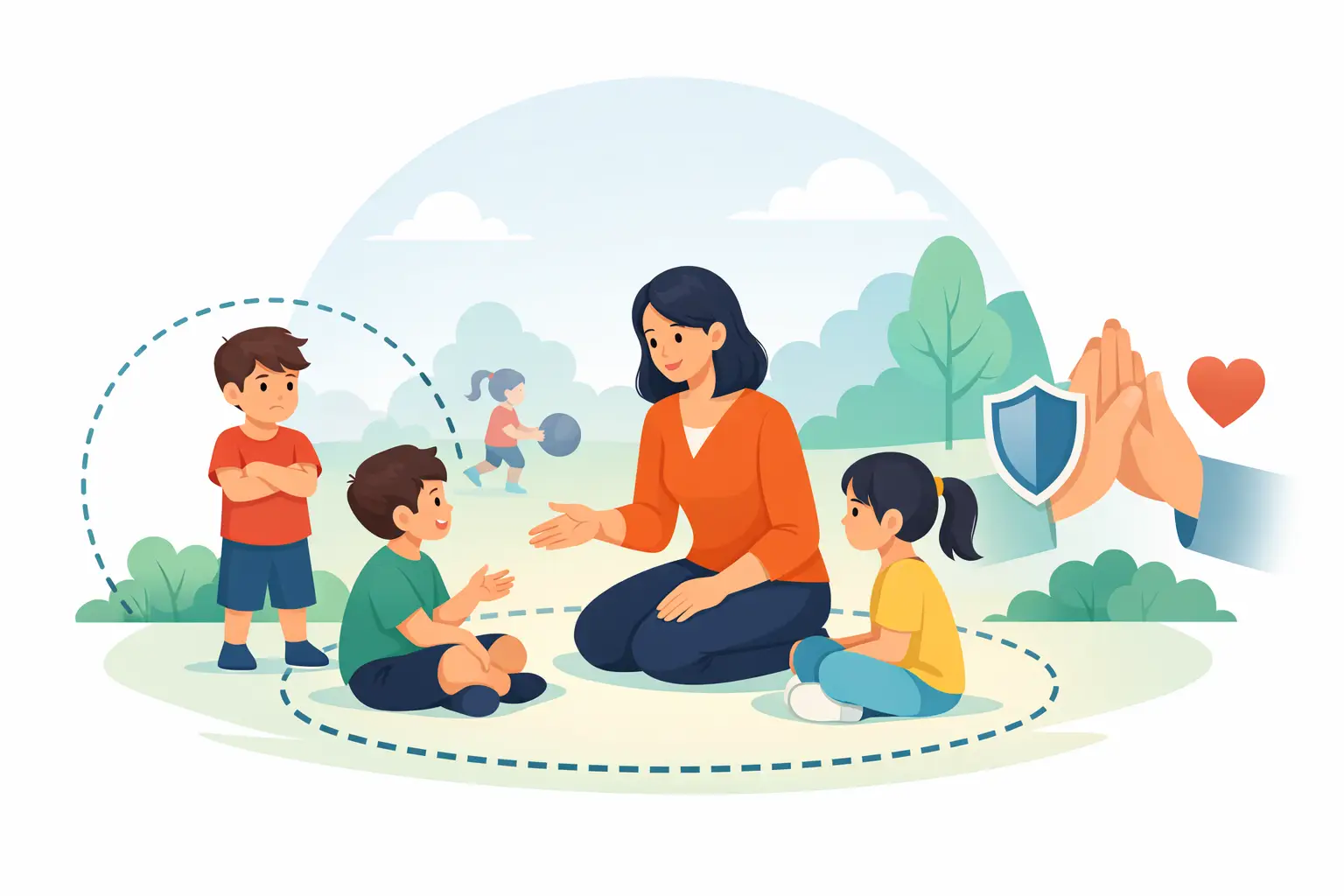
For parents, this is often the difference between a program that looks fun and one that feels valuable. If your child is dealing with bullying, social pressure, or fear, they need more than activity. They need tools. They need stronger posture, assertive communication, and the emotional confidence to handle difficult situations better.
Is Hapkido Good for Kids, Teens, and Adults?
Yes, but the benefits look a little different depending on the student.
For young children, beginner Hapkido can help with listening skills, body control, confidence, and emotional resilience. It gives them a positive place to practice discipline and build self-belief. Kids who are timid often start speaking more clearly and carrying themselves differently once they feel capable.
For school-age children, the benefits often expand into focus, respect, anti-bullying skills, and stronger self-control. They are not just learning techniques. They are learning how to respond to pressure without shutting down.
For teens, Hapkido can be a powerful outlet. It gives them structure during a stage of life where stress, social dynamics, and self-image can feel heavy. The training challenges them physically while reinforcing responsibility and composure.
For adults, beginner Hapkido is often a mix of self-defense, fitness, stress relief, and confidence-building. Some adults come in because they want practical protection. Others come because they want to get in shape without the boredom of a standard gym routine. Many find that they stay because they enjoy feeling stronger, sharper, and more capable.
What Beginners Should Look for in a Hapkido School
Not every martial arts school is the right fit for a beginner. This matters even more when you are choosing a program for your child.
Look for a school that teaches with structure and purpose. Beginners should be guided, not left to figure things out on their own. The atmosphere should be welcoming, but standards should still be high. A good school knows how to encourage students while holding them accountable.
You should also pay attention to whether the training feels practical. If self-defense is the goal, classes should reflect that. Ask yourself whether the instruction seems age-appropriate, whether students are engaged, and whether the instructors can connect with both beginners and families.
For local families looking for that kind of environment, Inner-Power Martial Arts focuses on confidence-building through Hapkido-based training that is designed for real-world growth, not just busy movement. That difference shows up in how students carry themselves, how they handle challenges, and how they develop over time.
How to Start Hapkido as a Beginner
The best way to start is to stop waiting until you feel perfectly ready. Most beginners do not feel ready. Kids feel nervous. Adults wonder if they are too out of shape, too stiff, too old, or too inexperienced. That is normal.
Start by finding a school with beginner-friendly instruction and a clear class structure. Show up with an open mind. Expect to learn fundamentals before advanced material. Give yourself time to improve. Real confidence is earned through consistent training, not instant results.
If you are a parent, pay attention to how your child feels after class. Do they seem more energized? More focused? More proud of themselves? Those early signs matter. If you are an adult, notice whether training leaves you feeling stronger, clearer, and more alert. Progress is not only about belts or techniques. It is also about how you carry yourself outside the school.
Hapkido for beginners is not about becoming someone else. It is about bringing out strength that may already be there but has not been trained yet. And once that process starts, it often reaches far beyond the mat.