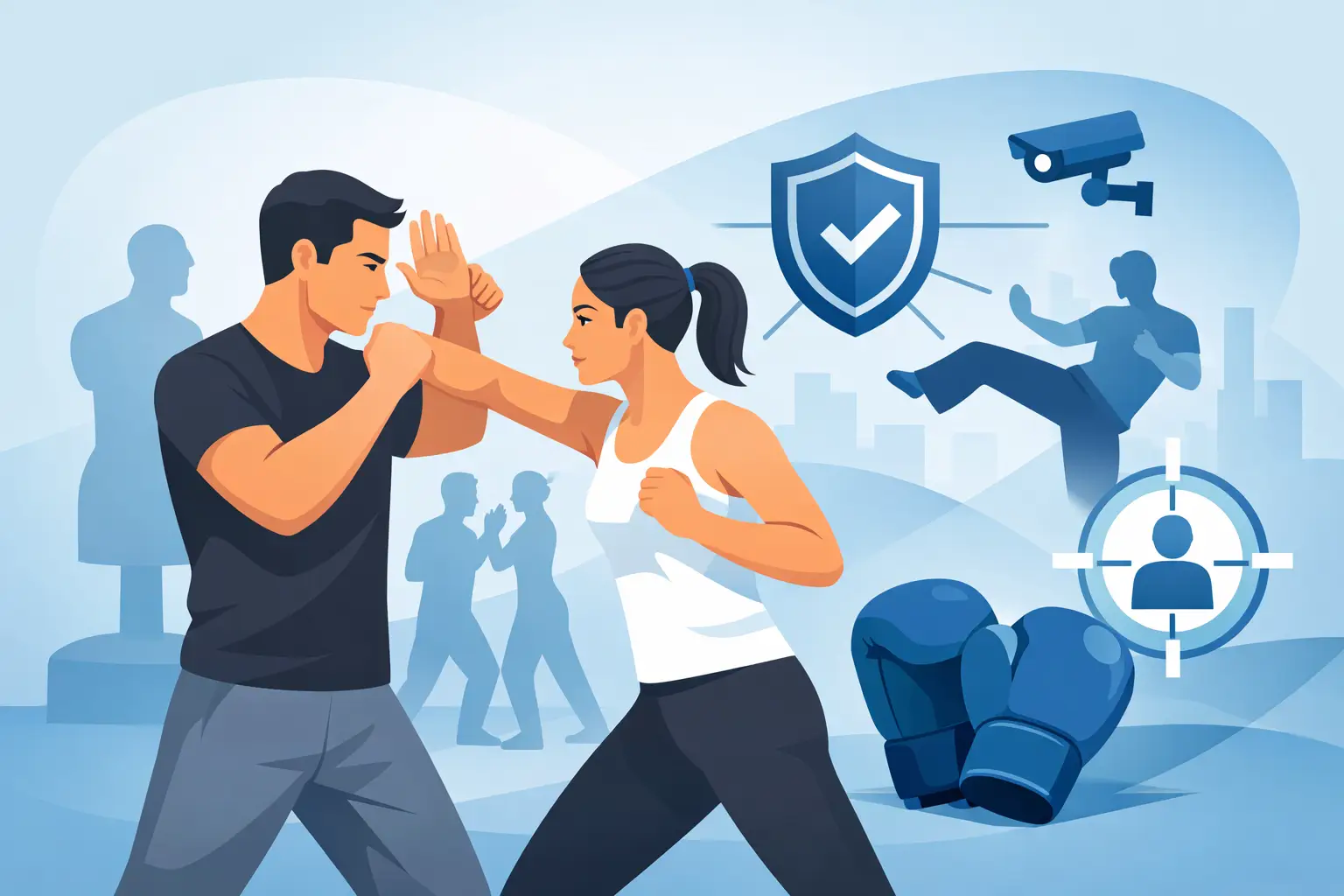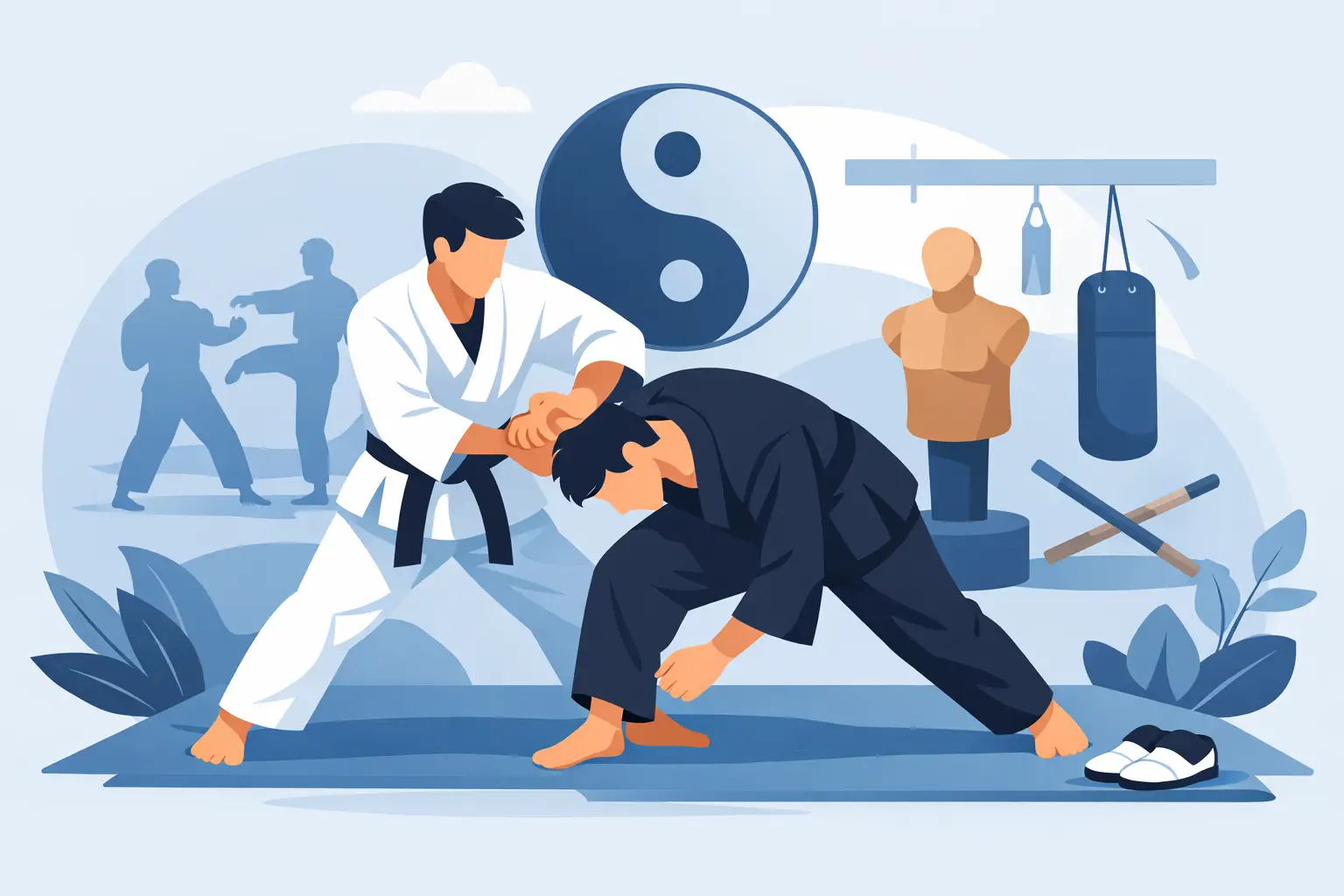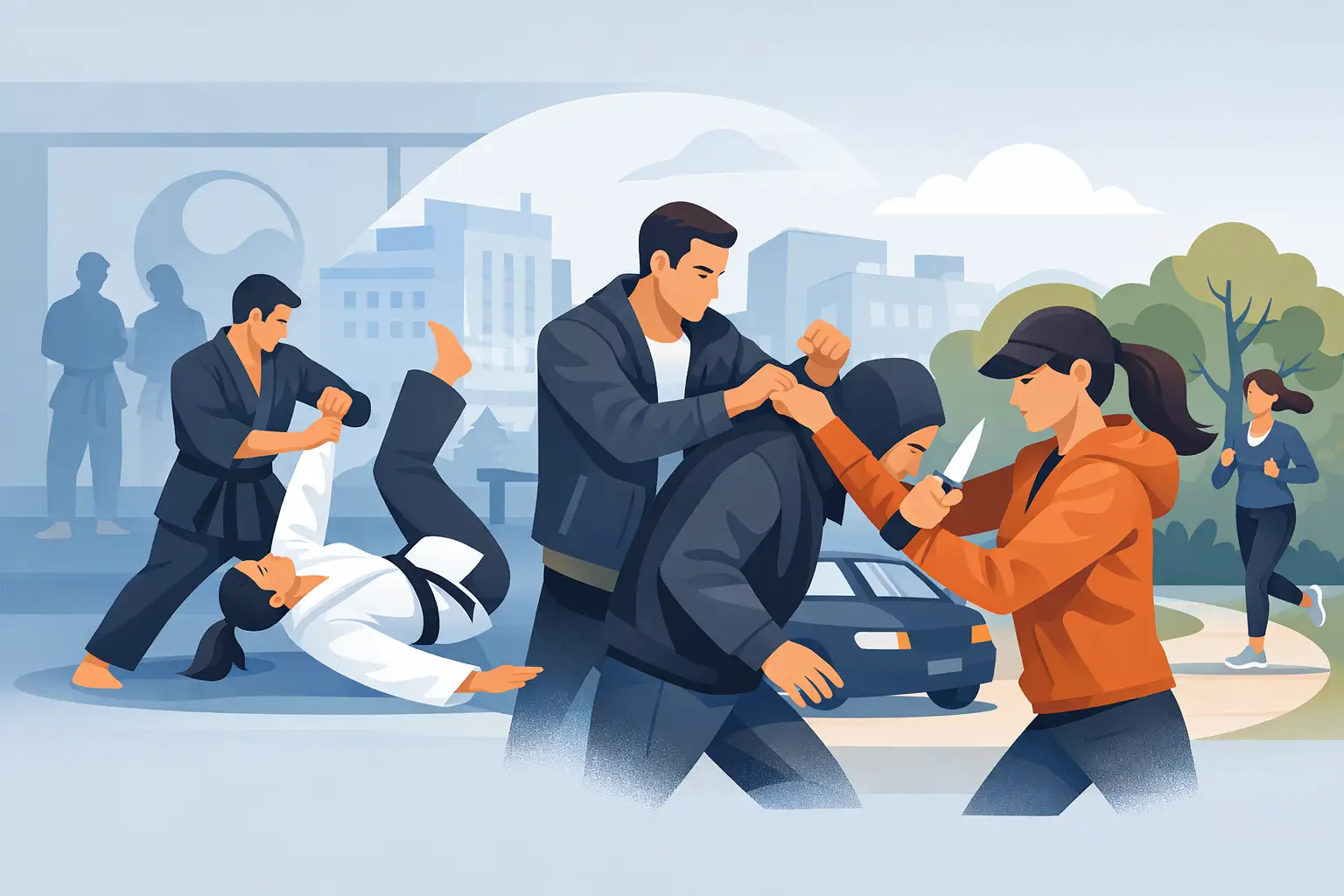

A lot of teens can look fine on the outside and still feel unsure in the moments that matter most. Walking into a new class. Speaking up in a group. Handling social pressure. Dealing with a kid who keeps pushing limits. Martial arts for teens confidence is not about teaching a teenager to act tough. It is about helping them feel capable, steady, and hard to shake when life gets uncomfortable.
Parents usually see the signs before anyone else does. A teen avoids eye contact, hesitates to try new things, shuts down after criticism, or freezes when conflict shows up. Sometimes it is obvious. Sometimes it looks like attitude, withdrawal, or a sudden lack of interest in things they used to enjoy. Confidence problems rarely stay in one lane. They can affect school, friendships, sports, and the way a teen carries themselves every day.
That is why the right martial arts program can be so powerful. Not because it promises instant self-esteem, but because it gives teens repeated, real experiences of growth. They learn a skill. They face pressure. They improve. Over time, that pattern changes how they think about themselves.
Why martial arts for teens confidence works differently
Many activities help teens stay busy. Fewer activities change the way they respond under stress. Martial arts does that because it combines physical skill, mental discipline, and controlled challenge in the same hour.
A teen may hear encouragement at home all week and still doubt themselves. But when they practice a self-defense movement, apply it with a partner, and realize they can do something difficult, that confidence feels earned. It is not borrowed from praise. It is built through action.
That matters especially during the teen years. Adolescence brings social comparison, changing friendships, academic pressure, and a constant awareness of how others see you. Confidence becomes fragile when it depends on popularity, appearance, or outside approval. Martial arts helps shift that foundation. Instead of asking, Do people like me, a teen starts to think, I can handle myself.
There is also a major difference between performance-based activities and practical self-defense training. Some martial arts schools focus heavily on memorizing forms or chasing belts with very little real-world application. There is value in tradition, but for many teens, confidence grows faster when training feels useful. Practical techniques, partner drills, situational awareness, and clear progress tend to connect more directly to everyday life.
Confidence grows through pressure, not comfort
Parents naturally want their teen to feel supported, and they should. But confidence is not built by removing every challenge. It grows when a student faces manageable pressure and learns they can handle it.
That is one reason martial arts can help teens who are shy, anxious, or easily discouraged. In a good class, the pressure is structured. A teen may need to speak loudly, hold eye contact, defend a grip, or stay focused when tired. None of that is random. Each challenge teaches control.
At first, some teens resist that discomfort. They may feel awkward or worry about looking inexperienced. That is normal. The breakthrough comes when they realize they do not need to feel fearless to act confidently. They just need practice moving through discomfort instead of backing away from it.
This is also where discipline plays a major role. Confidence without discipline can become posturing. Discipline without confidence can feel stiff and fearful. Martial arts trains both. Teens learn to listen, respond, stay composed, and keep working even when something does not click right away.
How self-defense changes a teen’s mindset
There is a reason so many parents look for martial arts when their child has been dealing with bullying, social intimidation, or low self-esteem. Real self-defense training changes more than physical skill. It changes presence.
A teen who understands space, posture, boundaries, and assertive communication carries themselves differently. They tend to look more aware, more stable, and less like an easy target. That alone can affect how peers respond to them.
Self-defense training also gives teens options. That may mean using a firm voice, setting a boundary, recognizing danger early, or physically protecting themselves if necessary. The goal is not aggression. The goal is preparation. When teens know what to do, fear loses some of its control.
Of course, not every teen needs the same kind of support. Some need help finding their voice. Others need help managing intensity and channeling strong emotions in a healthy way. That is why instruction matters. A serious program should know how to challenge students without humiliating them and how to build confidence without feeding ego.
What parents should look for in a teen program
Not all martial arts schools build confidence in the same way. Some are excellent for competition. Some are highly traditional. Some are casual fitness programs. None of those are automatically wrong, but they may not be the best fit if your main goal is personal growth and practical confidence.
Look closely at how the program teaches. Does it focus on real-world self-defense or mostly performance drills? Are instructors engaged with students, or just running everyone through the same routine? Do teens get individual correction and encouragement? Is the class environment respectful, structured, and demanding in a healthy way?
You should also pay attention to whether the school understands teenagers specifically. Teens are not little kids, and they are not adults. They need training that respects their maturity while still giving them strong leadership. The best instructors know when to push, when to coach, and how to help a teen build confidence without making them feel exposed.
A strong teen program should improve more than punching and kicking. It should help students become more focused, more assertive, and more resilient when things get hard. Those are the benefits families feel far beyond the mat.
Martial arts for teens confidence at school and home
The biggest results usually show up outside class.
A teen who once mumbled may start speaking more clearly. A student who avoided attention may begin participating in class. A kid who used to shut down after setbacks may recover faster and keep going. Parents often notice better posture, stronger eye contact, and more willingness to take responsibility.
These changes do not happen overnight, and they do not happen in a straight line. Some teens improve quickly once they find the right environment. Others need time to trust the process. What matters is consistency. Confidence is usually the result of repeated small wins, not one dramatic moment.
Home life can improve too. Martial arts gives teens structure, standards, and a productive outlet for stress. That can translate into better emotional control, stronger habits, and fewer power struggles over motivation. It is not magic, and it does not replace parenting, but it can reinforce the lessons parents are already trying to teach.
Why Hapkido-style training fits many teens well
For teens who need confidence rooted in practical ability, Hapkido-style training makes a strong case. It emphasizes self-defense, body control, awareness, and techniques that make sense in real situations. That practical focus often appeals to teens who want training to feel relevant, not theatrical.
It also gives students more than one way to succeed. Some teens are naturally powerful. Others are quick, technical, or mentally sharp under pressure. A practical system allows different students to grow into confidence based on skill and discipline, not just athleticism.
That is especially valuable for teens who do not see themselves as fighters or natural athletes. They do not need to walk in already confident. They need a place where confidence can be built step by step.
At Inner-Power Martial Arts, that is the heart of the approach. Serious training, clear expectations, real self-defense, and an environment where teens can become stronger without losing the sense of support that helps them keep showing up.
The confidence that stays with them
The best part of martial arts is that the results do not stay in the classroom. A teen learns how to stand their ground physically, then starts doing the same emotionally. They become harder to intimidate, less likely to crumble under pressure, and more willing to trust their own judgment.
That kind of confidence matters now, but it also matters later. It shows up in college, job interviews, relationships, and every moment when a young person has to make a decision without waiting for someone else to rescue them.
If your teen needs more than another activity, the right martial arts training can give them something deeper – the feeling that they are capable, prepared, and stronger than they thought. For many families, that is where real change begins.