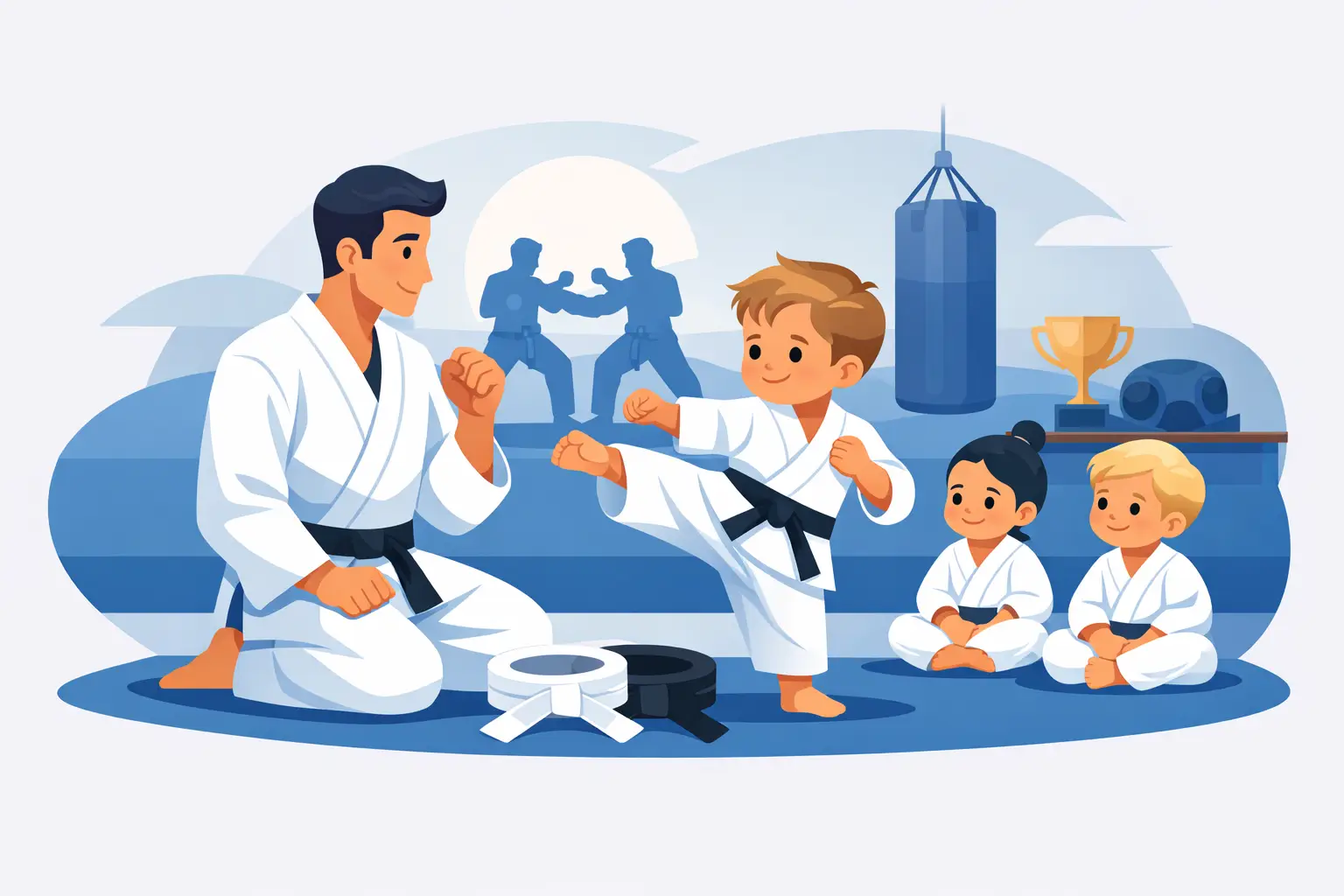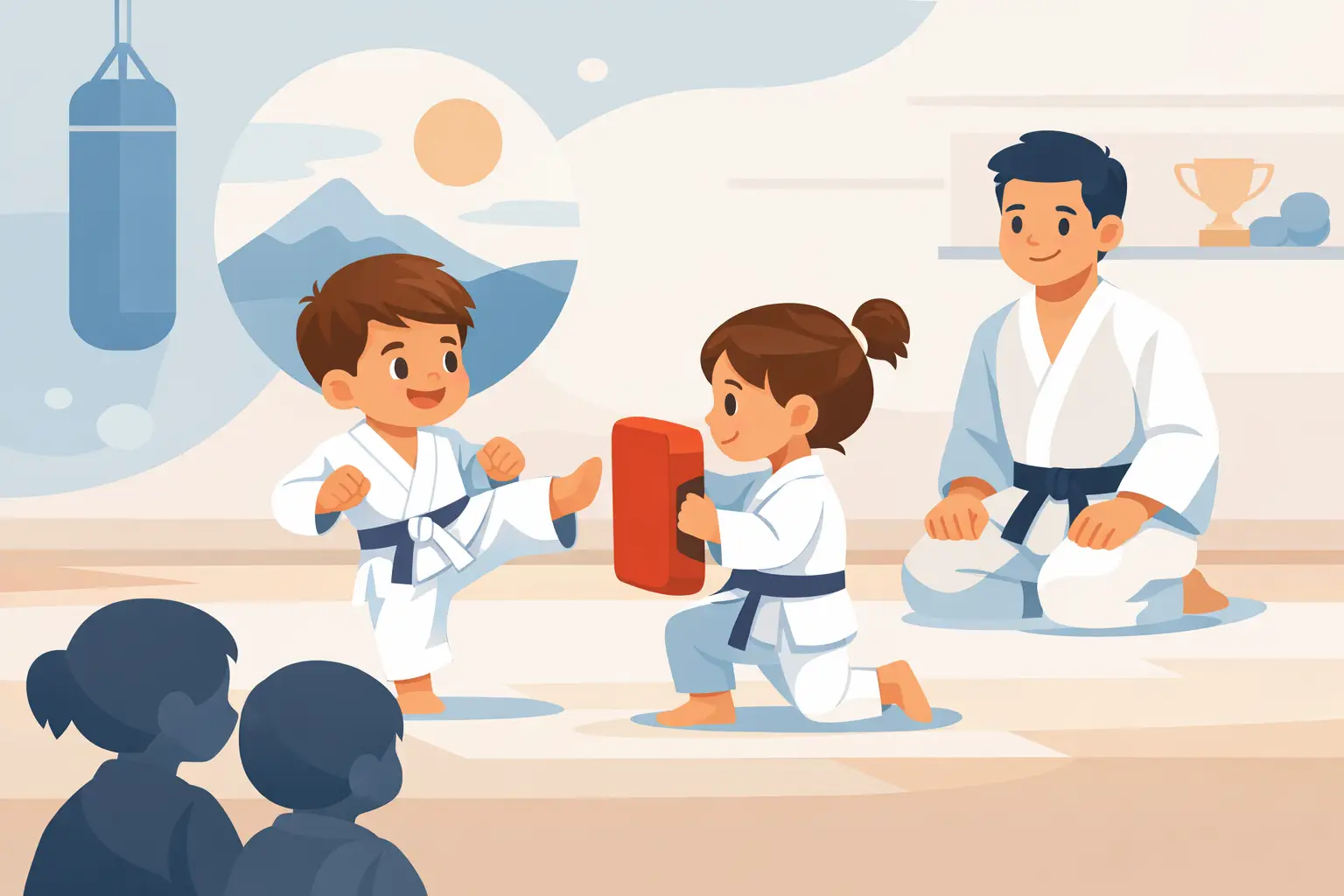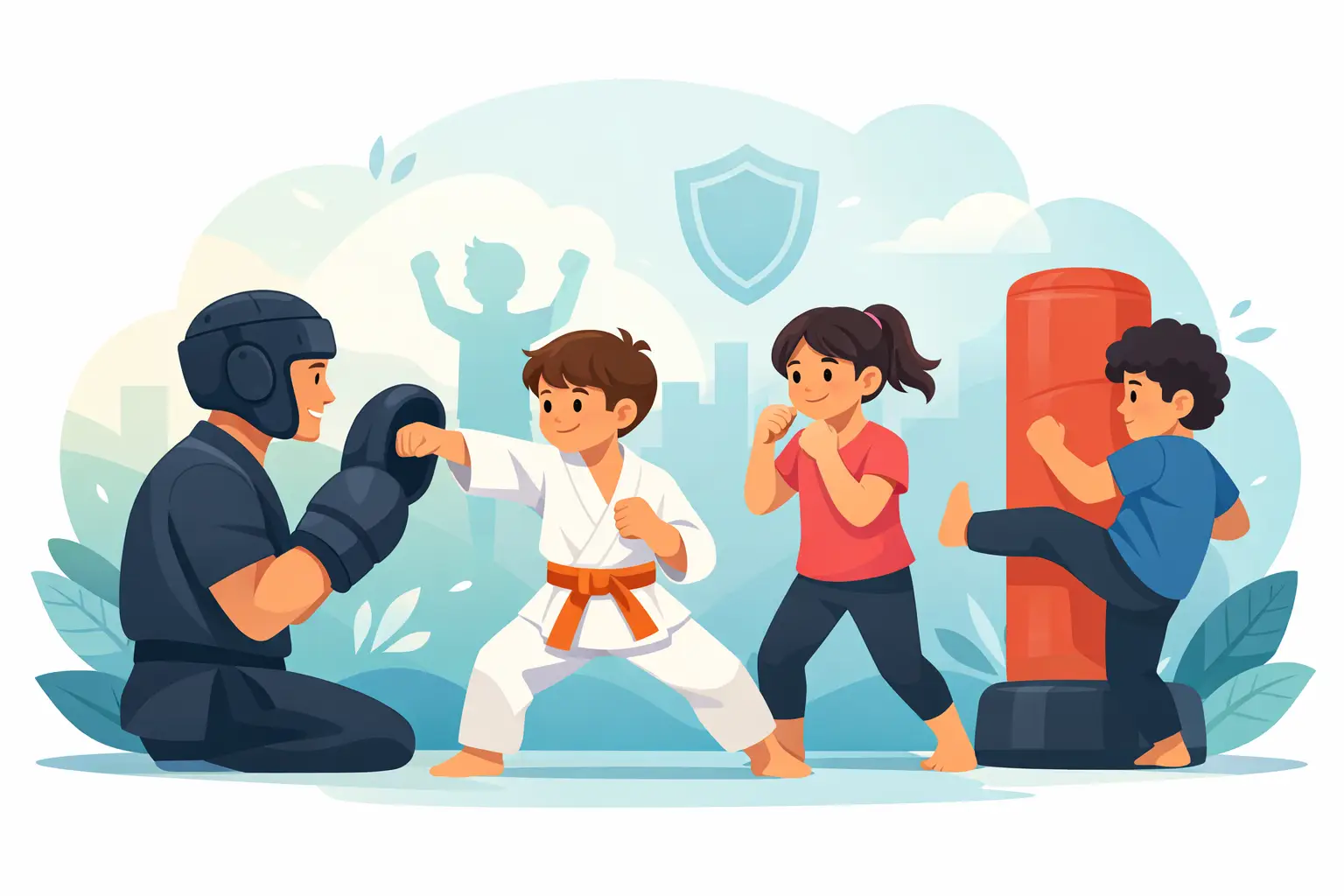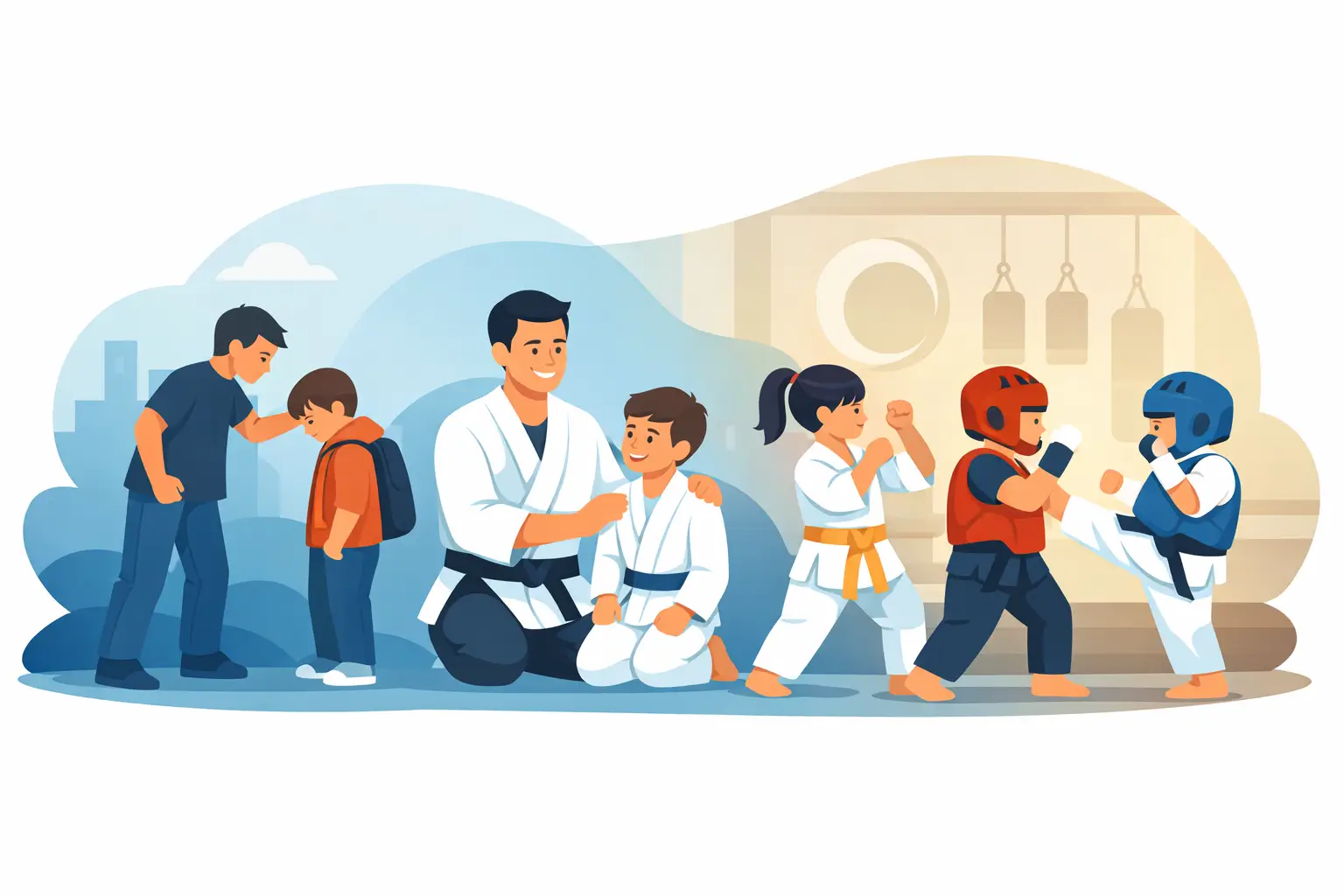
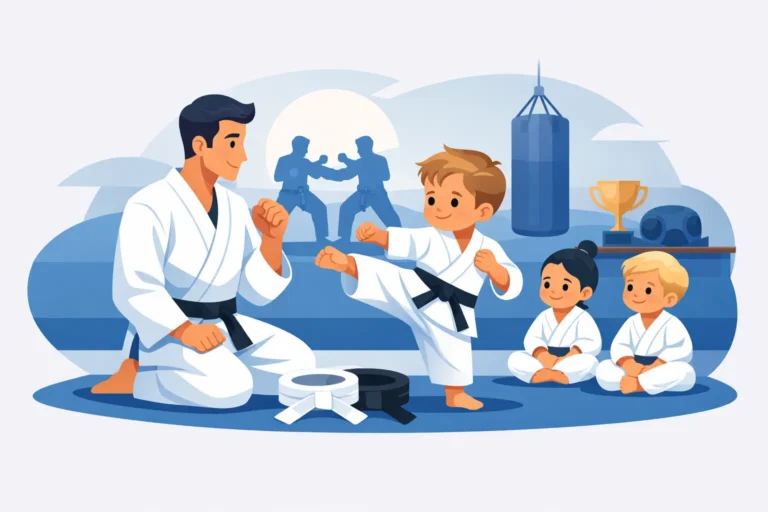
Some 4-year-olds walk into class ready to lead the line. Others hide behind a parent’s leg, whisper their answers, and need a few minutes just to step onto the mat. Both can thrive in the right program. That is why martial arts for 4 year olds is not really about teaching a child to fight. It is about helping them listen, follow directions, manage big emotions, and start building confidence in a structured, positive environment.
For many parents, the real question is not whether martial arts sounds good in theory. It is whether their child is actually ready, whether the class will be safe, and whether it will help with everyday challenges like shyness, impulsiveness, poor focus, or social struggles. Those are the right questions to ask.
Is martial arts for 4 year olds a good idea?
Yes, for many children it is. But the quality of the program matters more than the idea itself.
At age 4, kids are still learning how to stand in line, take turns, control their bodies, and recover from frustration without melting down. A strong beginner martial arts class meets them at that stage. It does not expect long attention spans or perfect technique. It uses movement, repetition, games, and clear routines to teach basic life skills through martial arts.
That is also where some parents get disappointed. If they picture a young child learning advanced self-defense or perfect forms, they may expect too much too soon. A great class for this age should look simple from the outside. The real value is in what is happening underneath – posture, coordination, discipline, confidence, and emotional control.
What 4-year-olds really gain from martial arts
The best benefits show up outside the academy.
A child who struggles to listen at home may start responding faster to directions. A child who gets discouraged easily may begin trying again instead of shutting down. A shy child may start speaking louder, making eye contact, and participating more comfortably around other kids.
Those changes matter because early childhood is when habits start to take shape. Martial arts gives children a place to practice doing hard things in small, manageable steps. They learn to bow in, pay attention, move with purpose, and show respect. Over time, that structure often carries into school, home, and social settings.
Confidence is another major reason parents enroll early. Real confidence does not come from telling kids they are amazing every five minutes. It comes from competence. When a 4-year-old learns a stance, remembers a drill, or breaks through fear to try something new, they start feeling stronger from the inside out.
What to look for in martial arts classes for 4 year olds
Not every school is built for young beginners. Some simply place preschoolers into classes designed for older kids and hope they keep up. That usually leads to frustration for everyone.
A good class for this age should be age-segmented, highly structured, and taught by instructors who understand child development. The teaching style should be clear and upbeat, with firm boundaries and lots of encouragement. Four-year-olds need movement, variety, and repetition. They also need an instructor who can redirect behavior without shaming the child.
Safety is non-negotiable. That means controlled drills, close supervision, and realistic expectations for contact. Preschool martial arts should focus on balance, coordination, body awareness, listening, and simple self-protection concepts. It should never feel chaotic or overly aggressive.
Parents should also pay attention to what the school values. If the message is all about toughness, belts, or competition, it may not be the best fit for a nervous or very young child. If the message is about confidence, respect, focus, and practical personal safety, that is often a better sign.
Why practical training matters more than flashy technique
For parents, one of the biggest misunderstandings about martial arts is thinking all styles teach the same thing in the same way. They do not.
Some schools lean heavily on memorized patterns and traditional performance. There is nothing wrong with tradition, but younger children often benefit most from training they can connect to real life. That means learning how to use their voice, stand tall, stay aware, follow instructions, and respond calmly under pressure.
At Inner-Power Martial Arts, the youngest students begin in a Little Ninjas program designed specifically for ages 4 to 6. The focus is not on making preschoolers look advanced. It is on building the foundation parents actually care about – stronger focus, better self-control, growing confidence, and age-appropriate self-defense awareness.
That practical approach matters, especially for children who are timid, easily overwhelmed, or already dealing with social pressure. A child does not need to be aggressive. They need to feel capable.
Is your child ready at age 4?
Some are. Some need a little more time. Readiness is less about athletic ability and more about temperament.
If your child can participate in a short group activity, follow simple directions, separate from you with mild support, and recover after small frustrations, they may be ready. They do not need to be perfectly focused or naturally coordinated. In fact, many kids join because they need help in those areas.
If your child has a very hard time staying with a group, cannot handle transitions, or becomes distressed by loud environments, it does not mean martial arts is off the table. It just means the program and instructor need to be the right fit. Sometimes a trial class tells you more than any brochure ever could.
Parents should also give the adjustment process some room. A 4-year-old may not walk in confident on day one. That is normal. Progress often starts with simply entering the room, joining the warm-up, or responding to the instructor’s voice. Small wins count.
Martial arts and bullying concerns at this age
Most 4-year-olds are not facing serious bullying in the way older kids do, but many are already dealing with exclusion, teasing, grabbing, pushing, and confidence issues in preschool or daycare settings. That can have a real effect on a young child’s behavior and sense of security.
Martial arts helps by addressing the problem at the root. Children learn boundaries, awareness, assertive posture, and how to speak up. They also become less likely to look like easy targets because they carry themselves differently.
That said, martial arts is not magic. It will not instantly change a child’s personality, and it should never be sold as a quick fix. The strongest programs build confidence steadily, through repetition and trust. The goal is not to create a child who wants conflict. It is to help create a child who feels prepared, calm, and harder to intimidate.
What a good first class should feel like
A strong preschool class should feel organized from the moment it starts. You should see kids moving with purpose, instructors keeping their attention, and expectations being reinforced clearly and positively.
Your child should be challenged, but not overwhelmed. They should leave feeling proud, even if they were nervous. Sometimes that pride looks obvious. Sometimes it shows up later, when they stand a little taller or ask when they can come back.
You should also feel confident as a parent. If the class feels too chaotic, too intense, or too advanced, trust that reaction. The right program will make you feel like your child is being guided, not managed.
The long-term value starts earlier than most parents think
One of the biggest advantages of starting at 4 is that children have time to grow into the process. They are not trying to catch up later with focus, discipline, or confidence. They are developing those traits early, while their habits are still forming.
That does not mean every child needs to start as soon as possible. It does mean that when a program is built correctly, age 4 can be an excellent time to begin. The lessons may look simple at first, but they build a foundation that matters for years.
A child who learns to listen, stay calm, try again, and believe in themselves has gained far more than a hobby. They have started developing inner strength. And for many parents, that is exactly what they were hoping to find when they first searched for martial arts for 4 year olds.