If your child is shy, getting picked on, or struggling to stay focused, choosing a martial arts program can feel bigger than picking an after-school activity. When parents search hapkido vs taekwondo for kids, what they usually want is simple: Which one will actually help my child become more confident, more disciplined, and better prepared for real life?
That is the right question to ask.
Both arts can be valuable. Both can improve coordination, respect, and physical fitness. But they do not always produce the same kind of student experience, and they do not always serve the same goal. For some kids, Taekwondo is a great fit. For others, Hapkido gives them exactly what they need – especially when the goal is practical self-defense, emotional confidence, and the ability to handle pressure.
Hapkido vs Taekwondo for Kids: What is the real difference?
The biggest difference comes down to training purpose.
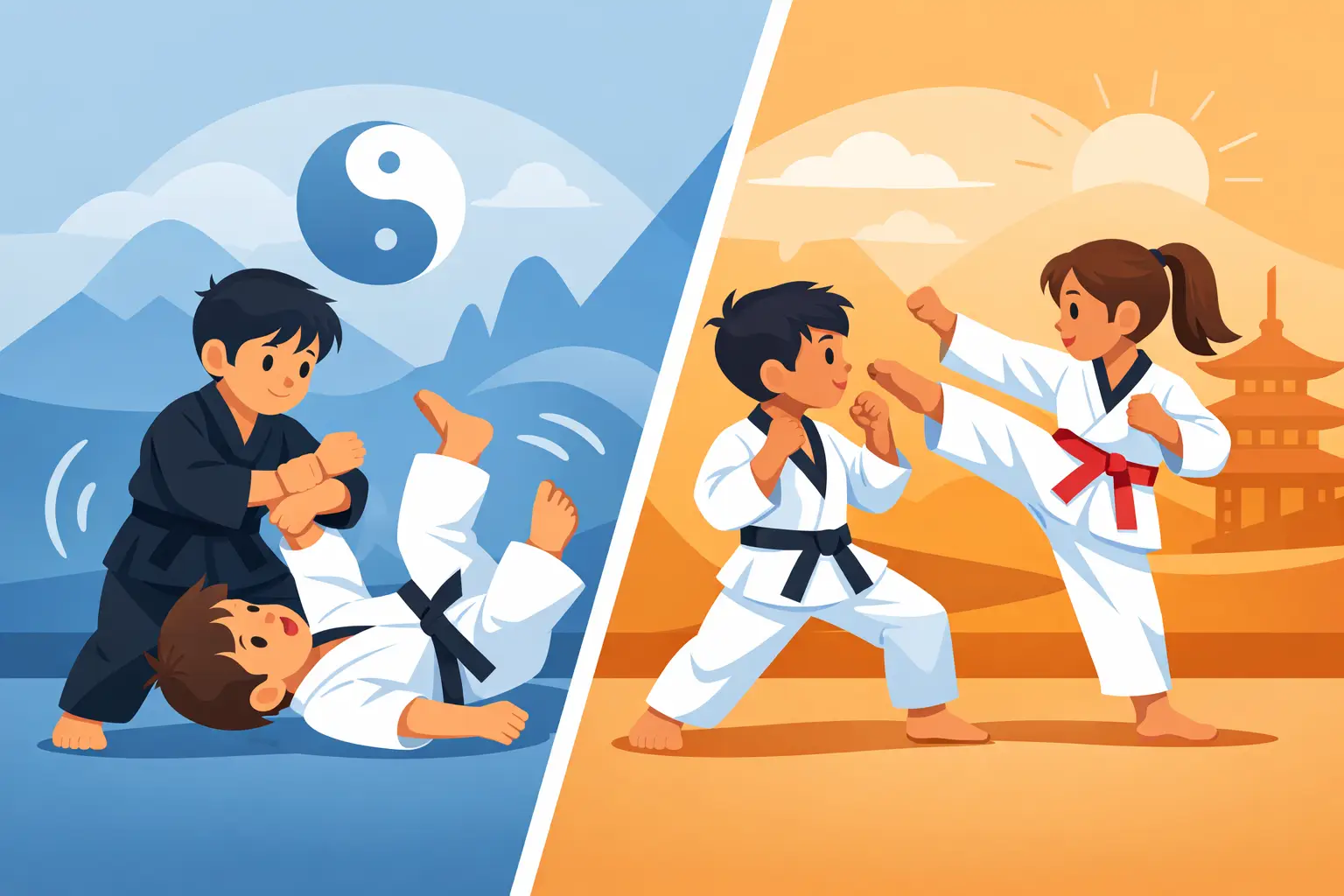
Taekwondo is widely known for dynamic kicking, fast movement, forms, and sport-style drills. It can be exciting for kids who love athletic movement, structure, and the challenge of learning precise techniques. Many children enjoy the energy of it, and it often builds flexibility, balance, and body control.
Hapkido, on the other hand, is typically broader in its self-defense approach. It teaches strikes, escapes, blocks, basic grappling, control techniques, and responses to grabs or common real-world situations. For kids, that often means training that feels more directly connected to personal safety and confidence. The goal is not just to perform techniques well in class. It is to help a child feel capable when life gets uncomfortable.
That difference matters more than many parents realize.
A child who needs an outlet for energy may do well in either system. But a child who freezes under pressure, struggles with assertiveness, or worries about bullying may benefit more from training that regularly reinforces practical defense, boundary-setting, and calm reactions.
What Taekwondo does well for children
Taekwondo has earned its popularity for good reason. It is visually engaging, highly structured, and often very motivating for kids. The kicking combinations are exciting, the belt system is clear, and many schools create an environment where children feel proud of their progress quickly.
For some families, that is exactly what they want. A child who enjoys athletic performance may thrive in a Taekwondo program. Kids who love movement, repetition, and visible achievement often stay highly engaged. Taekwondo can also help children improve posture, coordination, listening skills, and perseverance.
There is another advantage worth mentioning. Because Taekwondo is so well known, many parents feel familiar with it before they ever step into a school. That comfort level can make the first decision easier.
Still, there is a trade-off. Depending on the school, Taekwondo can lean more heavily toward forms, point-style sparring, and kicking-focused technique. That is not a flaw. It simply means parents should ask whether the curriculum matches what their child actually needs.
If your main goal is sport, performance, and traditional martial arts structure, Taekwondo may be a strong choice.
Why many parents choose Hapkido instead
When parents are worried about confidence, bullying, or real-world self-defense, Hapkido often stands out for a different reason. It is practical.
Hapkido training usually gives children more tools for closer-range situations, including how to respond to wrist grabs, unwanted contact, or physical pressure. It teaches them not just how to kick well, but how to stay balanced, stay aware, and react with control. For a child who feels physically or emotionally overwhelmed, that can be a major turning point.
Just as important, practical self-defense changes how kids carry themselves.
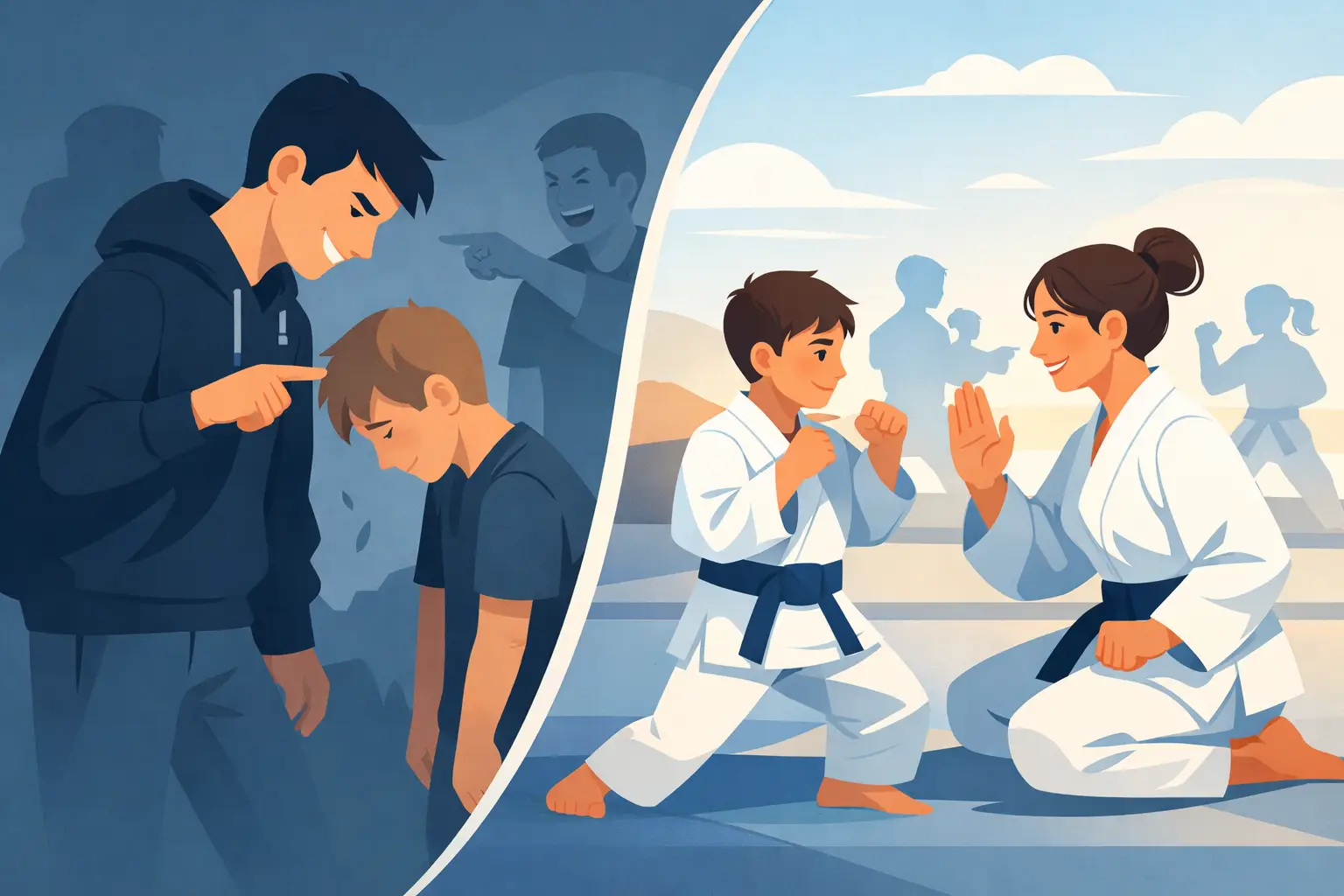
Children who know how to protect themselves often begin to look different before they ever use a technique. They stand taller. They speak more clearly. They make eye contact. They stop giving off the body language of a child who feels helpless. That shift alone can reduce the chance of being targeted by other kids.
This is where Hapkido can be especially powerful. It does not just build physical skills. It builds presence.
At Inner-Power Martial Arts, that connection between self-defense and confidence is central because many children do not need more busy movement. They need the kind of training that helps them feel stronger in school, in social situations, and in stressful moments.
Hapkido vs Taekwondo for kids who are shy or anxious
This is the comparison many parents care about most, even if they do not say it right away.
If your child is outgoing, competitive, and naturally bold, either style may work well. But if your child is quiet, sensitive, hesitant, or easily intimidated, the right environment and training style matter a lot.
Taekwondo can absolutely help shy kids come out of their shell. The structure and repetition can create a sense of security, and learning visible skills can boost pride. But if the program is heavily performance-based, some anxious children may feel pressure to keep up or perform perfectly.
Hapkido often helps shy children in a more immediate emotional way because the training directly addresses common fears. What if someone grabs me? What if someone gets too close? What if I do not know what to do? When kids practice answers to those questions, fear starts to lose its grip.
That does not mean Hapkido is better for every quiet child. It means it is often better for the child whose confidence problem is tied to feeling unsafe, uncertain, or powerless.
What parents should look for beyond the style itself
Style matters, but the school matters more.
A strong Taekwondo school can do more for a child than a weak Hapkido school, and the reverse is also true. Parents sometimes compare martial arts names without looking closely at teaching quality, class culture, and whether the program is designed for children at the right developmental stage.
Watch how instructors correct students. Are they patient and clear, or are they loud without being helpful? Notice whether classes are organized or chaotic. Look at how younger students are guided when they get distracted or frustrated. A good kids program should build discipline without crushing confidence.
You also want to ask what outcomes the school prioritizes. Is the focus mainly on tournaments and forms? Is it on character development? Is self-defense taught as a real skill or treated like a side topic? Those answers will tell you far more than the style name on the sign.
For younger children, age-based instruction is especially important. A 5-year-old needs different coaching than a 10-year-old. The best programs understand attention span, emotional development, and how to teach serious skills in a way kids can absorb.
Which martial art is better for bullying prevention?
If by better you mean which one helps a child look sharper and move more athletically, both can help.
If by better you mean which one more directly prepares a child to deal with bullying and unwanted physical contact, Hapkido often has the advantage.
That is because bullying prevention is not just about fighting. It is about awareness, verbal assertiveness, posture, emotional control, and having practical responses if a situation becomes physical. A well-taught Hapkido program tends to address that full picture more naturally.
Parents should still be careful here. No martial arts class should promise to solve every bullying issue. School dynamics are complicated, and children also need support from parents, teachers, and administrators. But the right training can absolutely help a child become less vulnerable and more confident.
That confidence is not fake toughness. It is calm strength.
So how should you decide?
Start with your child, not the style.
If your child lights up around fast kicks, loves athletic challenge, and would enjoy a sport-oriented path, Taekwondo may be a great fit. If your child needs practical self-defense, stronger boundaries, better resilience, and more everyday confidence, Hapkido may be the better answer.
Also think about what you want to see six months from now. Do you want your child to perform more polished techniques, or do you want them to feel harder to intimidate? Do you want them to become more athletic, or more self-assured under pressure? Ideally, a good martial arts school can support both. But most schools naturally lean one way or the other.
The best choice is usually the one that helps your child grow where they need it most.
And if you are still unsure, trust what you see in a trial class. Watch your child’s face. Notice whether they seem energized, safe, challenged, and proud. The right program does more than teach moves. It gives a child a stronger way to walk through the world.