
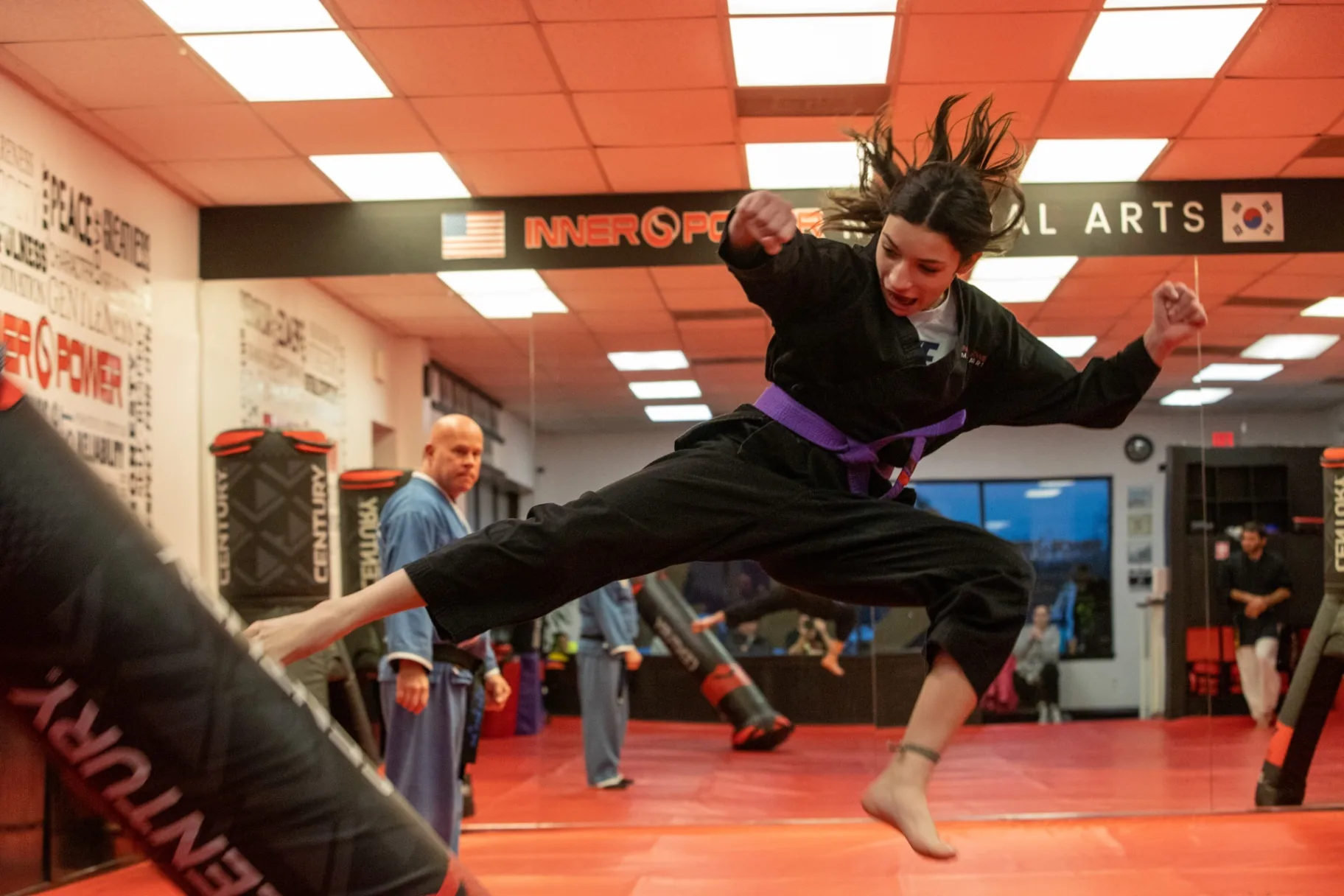
THE HAPKIDO
DIFFERENCE.
- Real Self-Defense
- Real Confidence
- Real Inner-Power
Kids, Teens & Adults · View our schedule · See class pricing · Book your trial
Hapkido — the way of
coordinated power.
Hapkido is a complete Korean martial art built around leverage, redirection, joint control, striking, throws, and practical self-defense.
It was designed for real-life situations — not just competition.
Instead of relying on size or strength, Hapkido teaches students how to:
- Leverage over forceTechnique beats size every time. Small movements, big results.
- Redirect, don't collideUse an attacker's momentum against them instead of meeting force with force.
- Stay calm under pressureTrain the nervous system so decisions stay clear when it counts.
- Control the situationEnd conflict quickly and safely — for yourself and everyone around you.
That's why it works — for kids and adults alike.
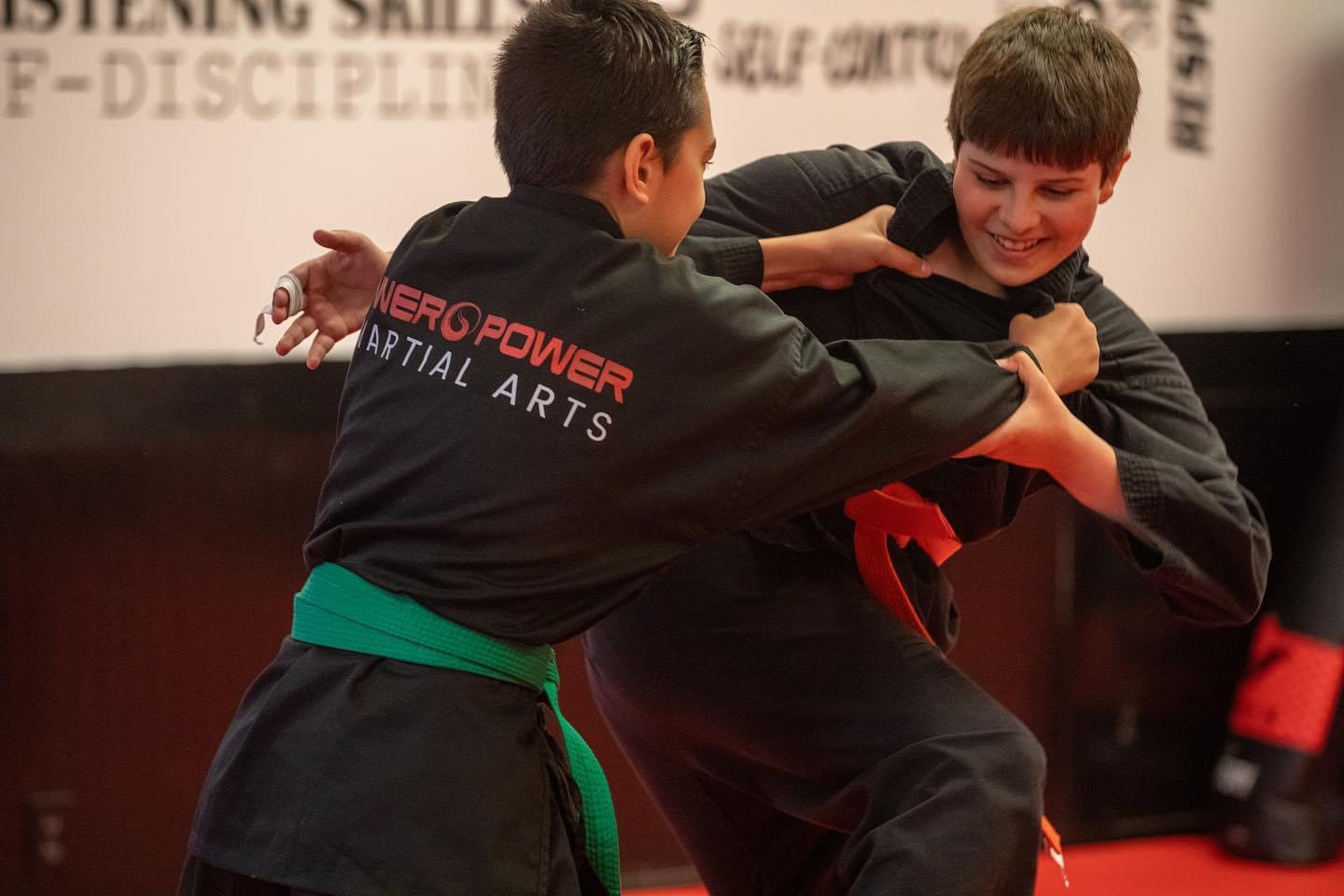
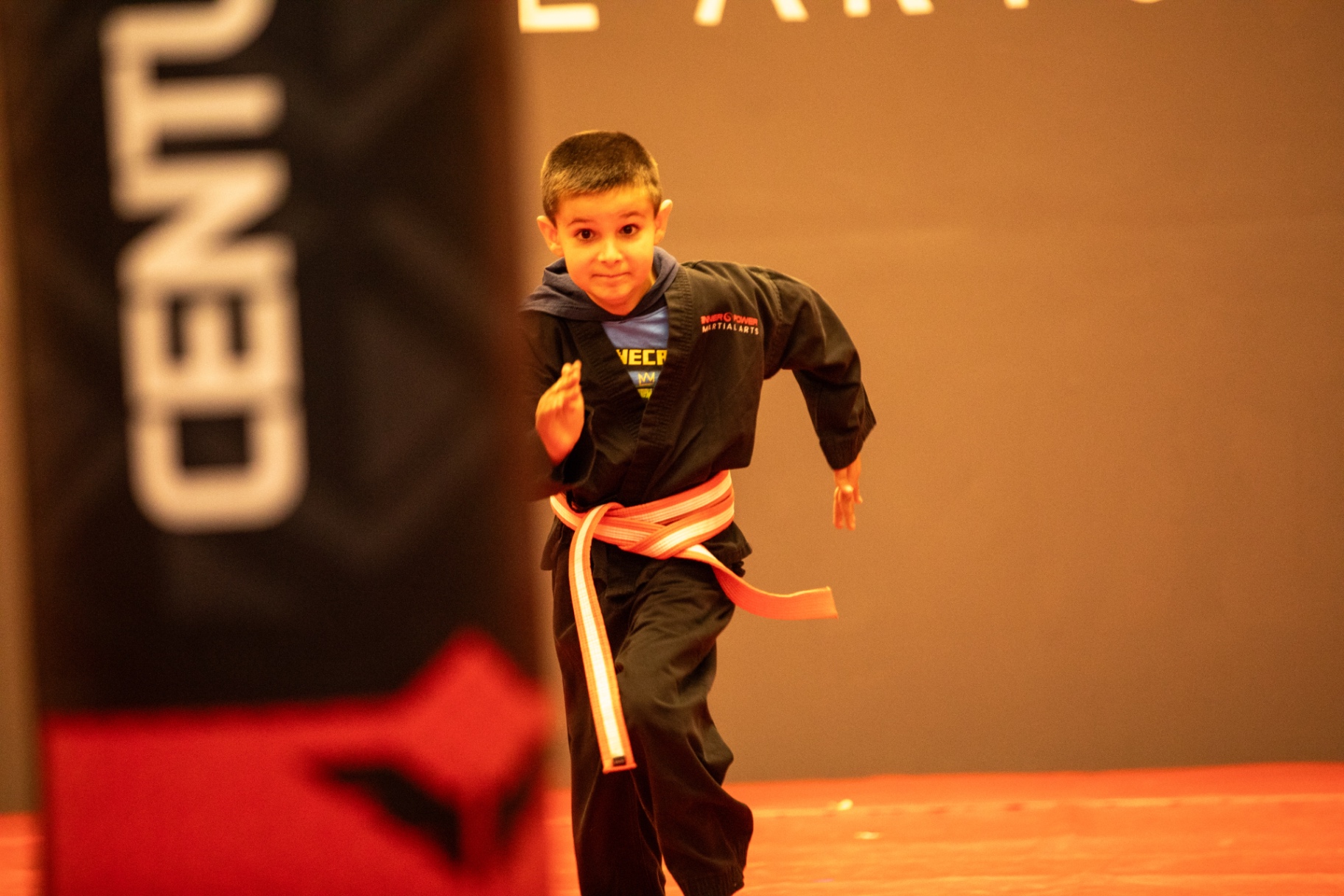
When my daughter was bullied,
everything changed.
Traditional forms and basic drills weren't enough to make her feel confident when it mattered most. What changed everything were simple, practical Hapkido techniques she could actually use.
Her posture changed. Her voice changed. Her belief in herself changed.
That's when I began integrating real Hapkido self-defense into our kids program.
- Practical anti-bullying strategies
- Confidence that shows before anything becomes physical
- The ability to handle larger opponents using leverage
- Focus, discipline, and emotional control
Most bullying stops when a child carries themselves differently.
Most fitness programs build muscle.
Hapkido builds capability.
For teens and adults, Hapkido offers something most fitness programs can't. You'll learn:
- Striking and defensive movement
- Joint locks and grappling
- Throws and control techniques
- Pressure point applications
- Weapons awareness and advanced training
This isn't just exercise. It's knowing you can protect yourself and your family if necessary.
And that knowledge changes how you walk through the world.
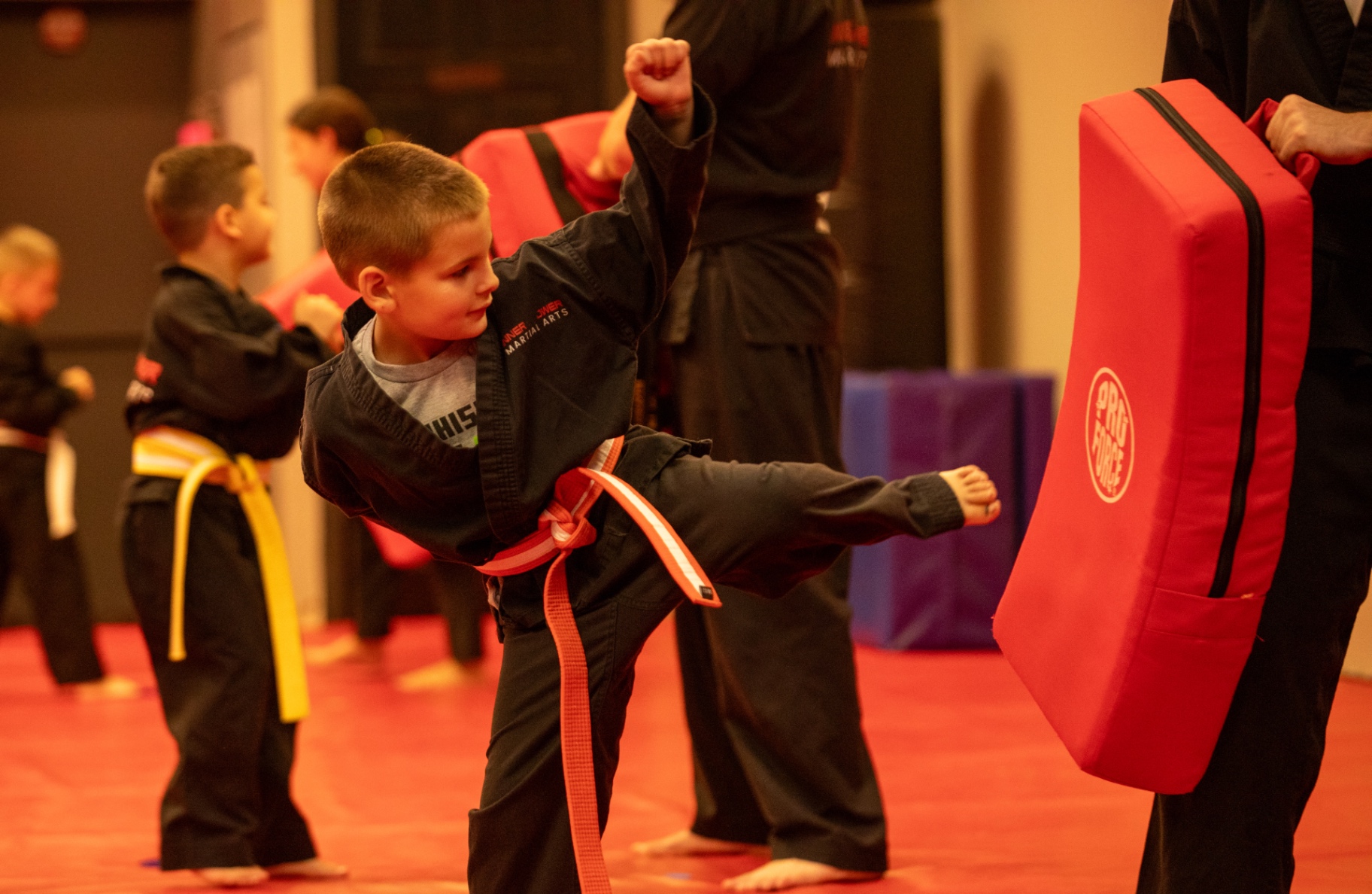
We don't just teach techniques.
We teach a mindset.
Hapkido trains the body — but it also trains decision-making, restraint, and confidence. Our students don't just get stronger physically. They grow mentally, emotionally, and as leaders.
What sets us apart from a
regular karate school.
Most martial arts schools teach the same thing the same way. Our Core 24 Hapkido method is built differently — for the real world, not the trophy shelf.
Same uniform. Completely different result.
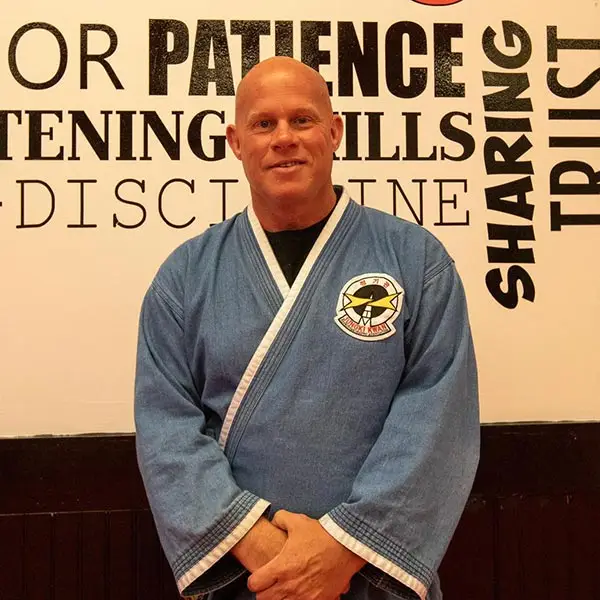
Tradition meets practical training.
With over 25 years of martial arts experience and deep roots in Hapkido lineage, our approach blends tradition with practical modern application.
We've helped hundreds of families in Howell and surrounding communities build:
- Confident kids
- Resilient teens
- Capable adults
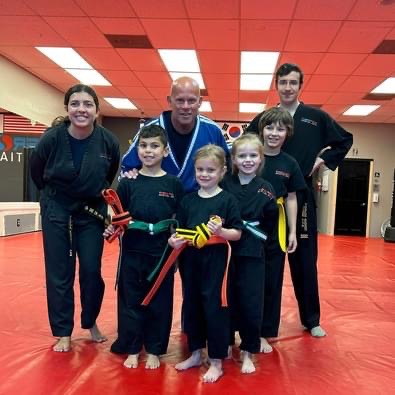
Our instructors are homegrown. Many started as students here and chose to stay because of the impact this training had on their lives.
This isn't a franchise. This isn't a belt factory. This is a community built around growth.
It's not just in the techniques.
It's what happens after training.
Hapkido doesn't just teach you how to fight.
It teaches you how not to need to.
It teaches you how to carry yourself with quiet confidence. And that confidence is powerful.
Ready to experience
the difference?
Come see what makes Hapkido different. Start your confidence journey today.
HAPKIDO QUESTIONS.
What is Hapkido?+
Who can practice Hapkido?+
What are the principles behind Hapkido?+
What are the benefits of training?+
What is the history of Hapkido?+
What organizations support your school?+
How does Hapkido compare to Karate or Tae Kwon Do?+
Proud member of the World JungKi Kwan Hapkido & Kuhapdo Association.
Daegu City, South Korea — under the direction of Grandmaster Lim, Hyung Su.