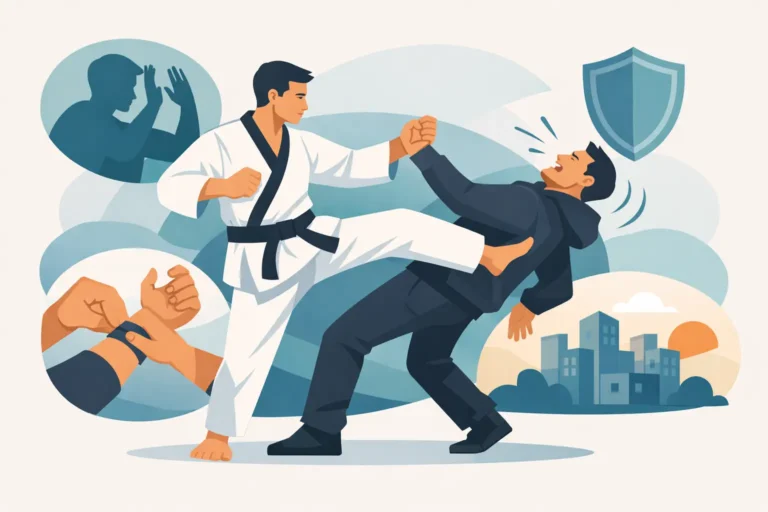
A lot of people ask this question when they are trying to choose the right martial art for themselves or their child – does Hapkido work for self defense? It is a fair question, and the honest answer is yes, Hapkido can be very effective for self-defense, but only when it is taught and trained with real-world purpose.
That distinction matters. Any martial art can look impressive in class and still fall apart under pressure if the training is too scripted, too cooperative, or too focused on tradition over function. Self-defense is not about collecting techniques. It is about building awareness, confidence, timing, control, and the ability to respond when someone is aggressive, unpredictable, or much stronger than you expected.
Hapkido has a lot going for it in that environment.
Why Hapkido works in real-world situations
Hapkido was built around practical control. Instead of relying on just one range of fighting, it teaches students how to handle a variety of situations – grabs, pushes, strikes, off-balancing, escapes, and takedowns. That matters because real-life confrontations are messy. They do not start with a referee, a glove touch, or a clean stance.
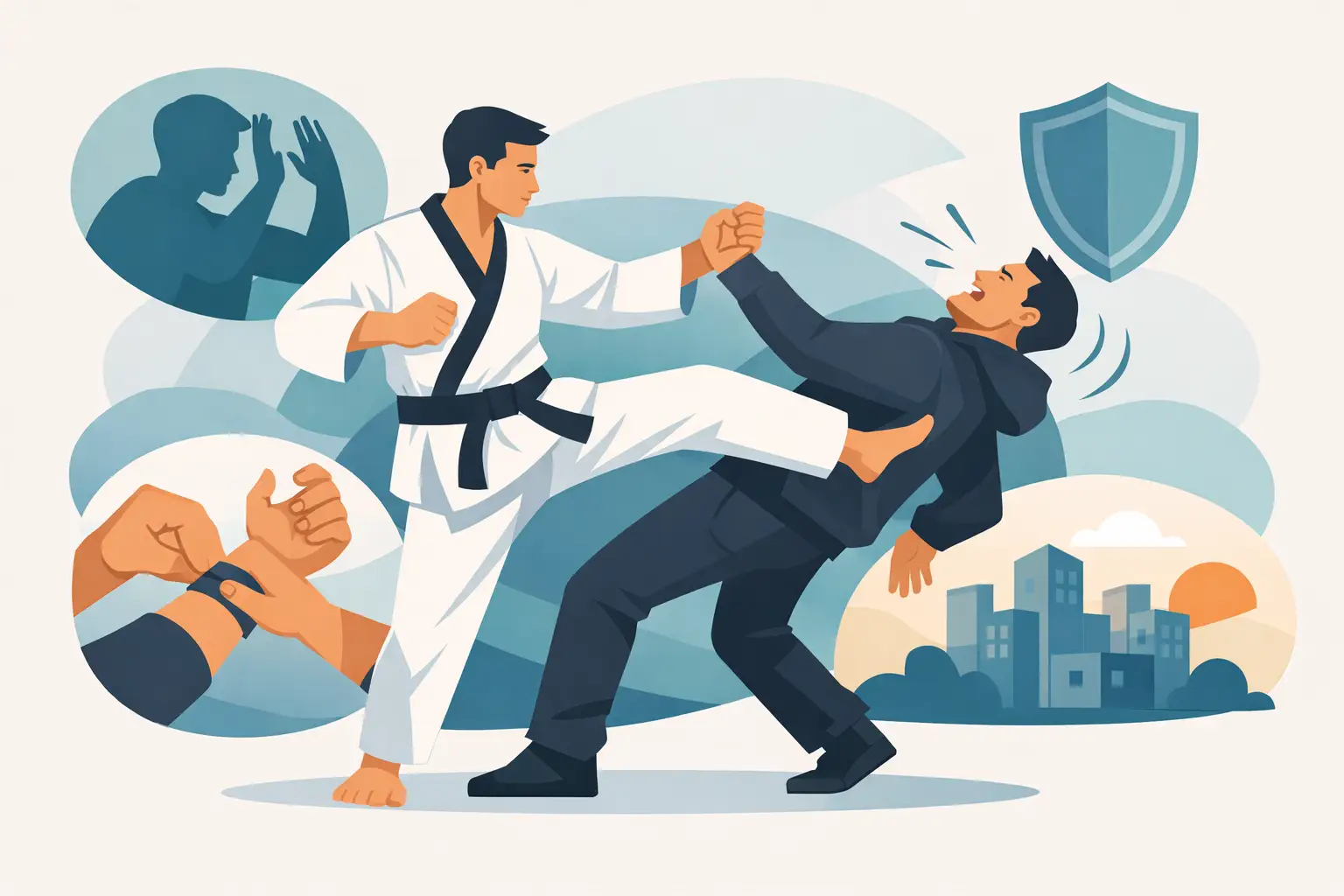
Many self-defense situations begin with surprise and close contact. Someone grabs a wrist. A person gets shoved. A child is cornered by another kid who is testing boundaries. A teen freezes when someone gets in their face. An adult feels panic when a stranger invades personal space. Hapkido addresses those moments well because it includes practical responses to common assaults, especially at close range.
It also teaches leverage. That is one of the biggest reasons people are drawn to it. Good Hapkido training shows smaller students how to use angles, body positioning, balance disruption, and technique instead of trying to overpower someone head-on. For kids, teens, and many adults, that is a major advantage. Self-defense should not depend on being the biggest or strongest person in the room.
Does Hapkido work for self defense against a resisting attacker?
This is where the conversation gets more honest.
Yes, Hapkido can work against resistance, but not every Hapkido school trains for that. Some schools spend too much time on compliant partner drills, formal movement, or complicated techniques that are hard to apply when adrenaline kicks in. Under stress, fine motor skills drop. People tense up. Timing changes. What looked easy in class suddenly feels very different.
That does not mean Hapkido is flawed. It means training methods matter.
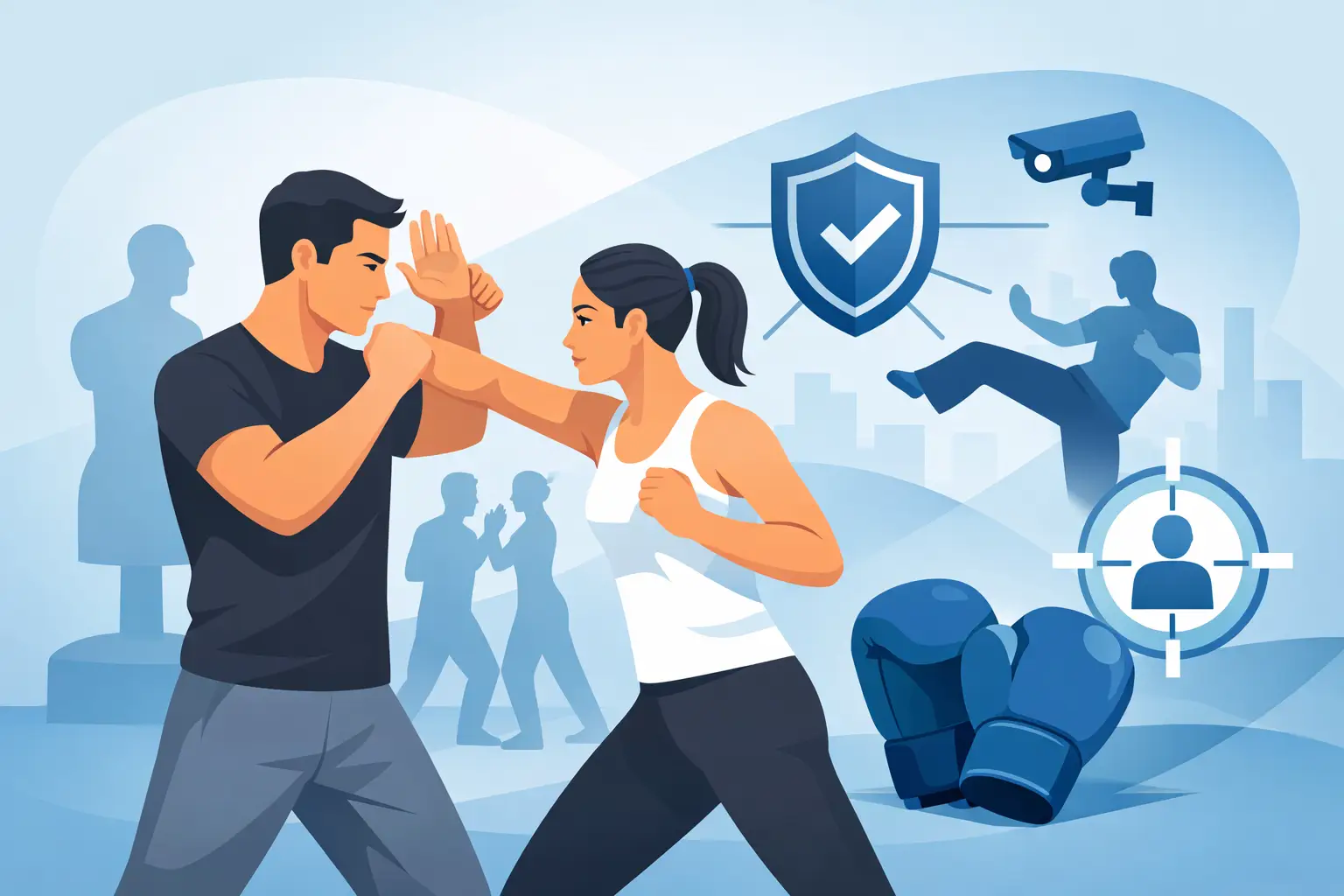
A strong Hapkido program should pressure-test skills in age-appropriate ways. Students need to practice with movement, unpredictability, verbal pressure, and realistic reactions. They need to learn when to create distance, when to control someone, when to escape, and when to use a simple response instead of a fancy one. The best self-defense training is not about showing how many techniques you know. It is about proving you can stay calm and use the right one.
For children, this also includes boundary-setting, posture, voice, and anti-bullying skills. Physical techniques matter, but many school or playground conflicts can be prevented or de-escalated before they become physical. That is a real part of self-defense, and it should be taught that way.
What Hapkido does especially well
Hapkido is a strong choice for self-defense because it blends several useful elements into one system.
First, it teaches students how to deal with grabs and holds. That is more relevant than many people realize. In everyday confrontations, especially involving untrained aggressors, grabbing is common. Someone reaches, pulls, clinches, or tries to control space physically. Hapkido gives students tools for escaping and regaining control.
Second, it develops balance and body awareness. A student who learns how to move with stability, protect their center, and recover from pressure is already safer than someone who freezes or stumbles the moment contact happens.
Third, it builds confidence in a very practical way. Real confidence is not loud. It is the calm that comes from knowing you have options. Children who train with purpose often carry themselves differently. Teens become harder to intimidate. Adults stop feeling helpless. That change alone can reduce the chance of being targeted.
Fourth, Hapkido can be adapted across age groups. A young child does not need the same self-defense approach as a college student or a working parent. The principles stay consistent, but the training can match the student’s size, maturity, and real-life situations.
Where Hapkido has limits
Every good self-defense conversation should include trade-offs.
Hapkido is not magic. If a school focuses heavily on intricate joint locks without enough work on striking, movement, and resistance, students may develop false confidence. Some techniques are excellent when the opening is there, but much harder to force on a determined attacker. In a chaotic situation, simple often beats sophisticated.
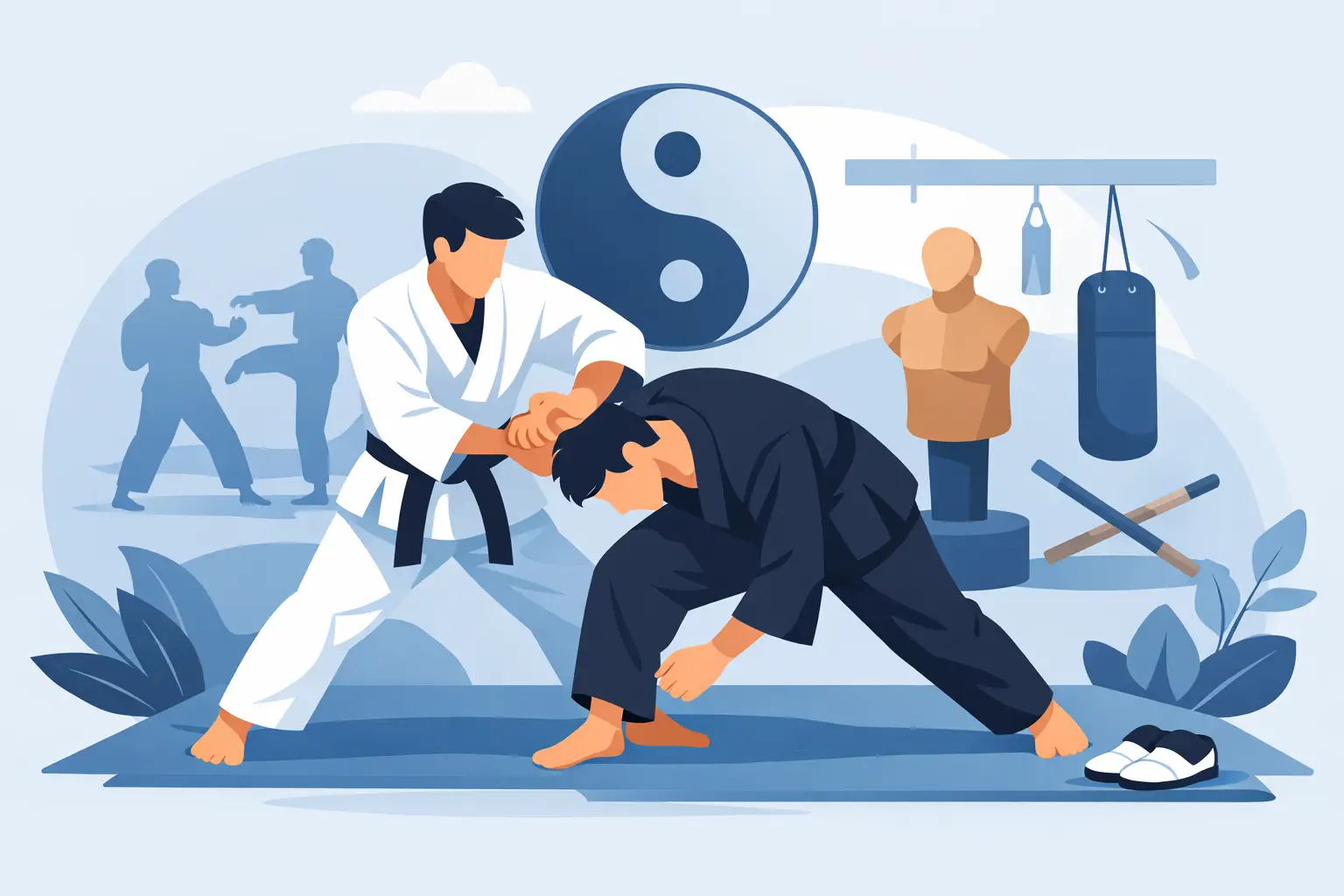
That is why practical Hapkido should emphasize fundamentals first – posture, distance management, basic strikes, escapes, balance breaking, situational awareness, and fast decision-making. Joint locks and control tactics are valuable, but they should support the bigger goal of safety, not become a performance.
It is also worth saying that self-defense is broader than martial arts. Avoidance, awareness, verbal assertiveness, and knowing when to leave are part of staying safe. The strongest student is not the one who wins every fight. It is the one who avoids the fight when possible and responds decisively when necessary.
Is Hapkido good for kids’ self-defense?
For many families, this is the most important question.
Hapkido can be excellent for kids when it is taught the right way. Children need more than techniques. They need structure, confidence, emotional control, and practice responding to pressure without shutting down. A good kids’ program helps them stand taller, speak more clearly, and recognize when someone is crossing a line.
That is why Hapkido-based training can be such a strong fit for children who are shy, hesitant, distracted, or struggling with bullying. It gives them clear actions they can use, but it also gives them something deeper – belief in themselves. When a child learns to make eye contact, use a strong voice, set boundaries, and move with purpose, that growth shows up at school, at home, and in social situations.
Of course, age matters. A four-year-old should not train like a teenager. Younger children need simple, repeatable lessons built around listening, coordination, confidence, and personal safety. Older kids can handle more structured self-defense skills and controlled partner work. The best programs understand that progression and build it carefully.
How to tell if a Hapkido school teaches real self-defense
If you are trying to decide whether Hapkido is worth it, do not just ask about the style. Ask how the school trains.
Look for instruction that teaches students how to handle common real-life problems, not just memorize sequences. Look for coaches who talk about awareness, confidence, and de-escalation alongside physical technique. Look for classes where students are challenged, corrected, and encouraged – not just kept busy.
A good school should also make students more capable without making them reckless. Self-defense training should create calm, disciplined people, not aggressive ones. That balance is especially important for children and teens.
At Inner-Power Martial Arts, that is the standard we believe in. Self-defense should be practical, confidence-building, and appropriate for the person learning it, whether that is a young child finding their voice or an adult wanting to feel safer and stronger in everyday life.
So, does Hapkido work for self defense?
Yes – if it is taught as a living, practical system instead of a collection of flashy techniques.
Hapkido works because it addresses the kind of situations people actually face: grabs, pressure, surprise, imbalance, fear, and close-range aggression. It gives students tools to escape, control, protect themselves, and think clearly under stress. Just as important, it builds the kind of confidence that changes how a person carries themselves long before a physical confrontation ever starts.
If you are a parent, the right training can help your child become harder to bully, quicker to speak up, and more secure in who they are. If you are a teen or adult, it can help you feel less vulnerable and more prepared. That is what real self-defense should do – not just teach you how to fight, but help you move through life with more awareness, discipline, and inner strength.
The best martial art is the one that prepares you for the real world and helps you become stronger in every part of it.