
Jiu Jitsu Versus Hapkido Training for Families
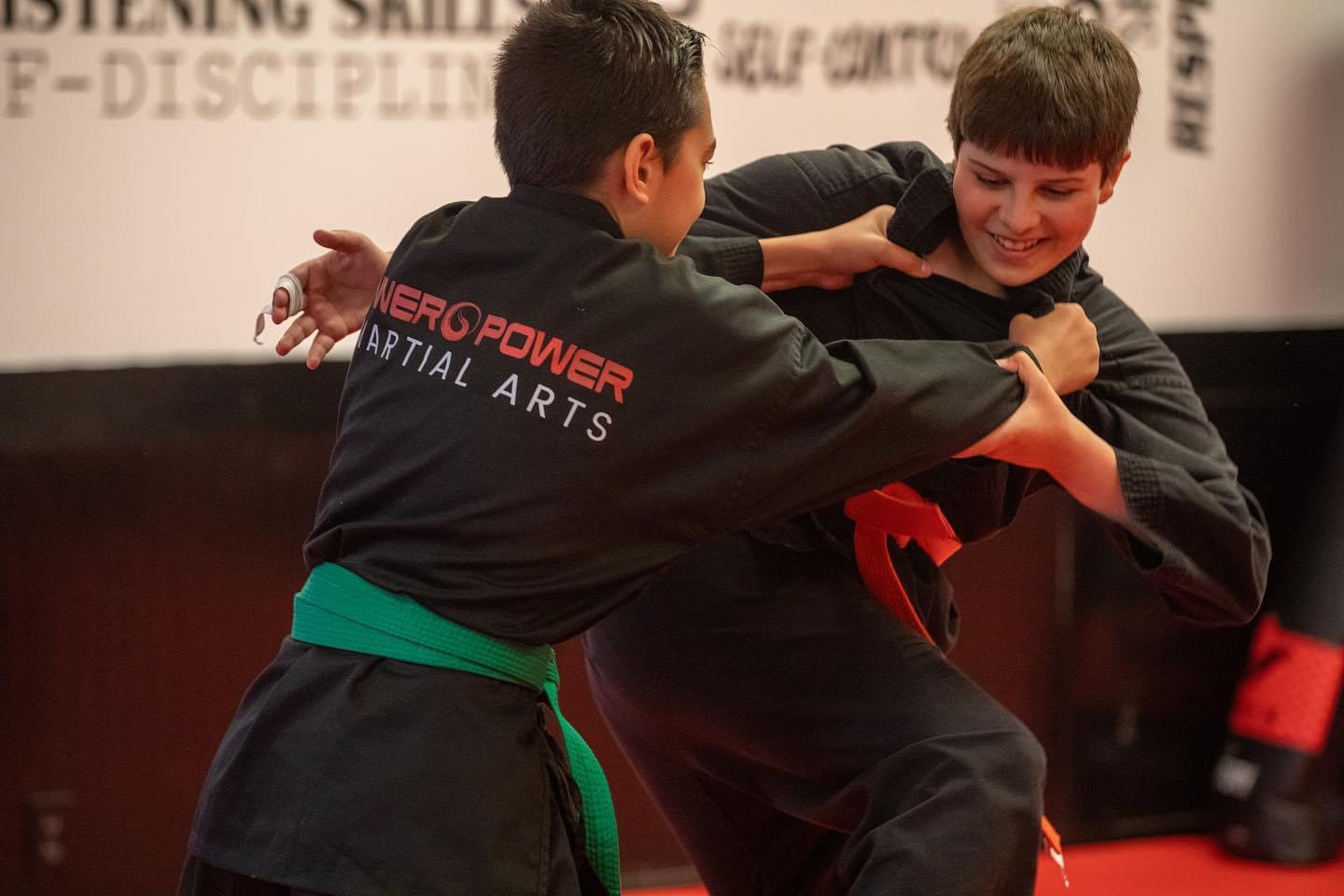
A child who feels nervous at school does not simply need a new activity after class. They need a place to build real confidence, learn how to carry themselves, and practice responding calmly under pressure. That is why the question of jiu jitsu versus hapkido training matters to so many parents in Howell and across Monmouth County. Both systems can offer valuable skills, but they develop those skills in very different ways.
The right choice depends on what your family wants from martial arts. If your priority is competitive grappling and ground control, jiu jitsu may be a strong fit. If you want broad, practical self-defense alongside focus, discipline, assertiveness, and confidence for everyday situations, Hapkido offers a different path.
What Jiu Jitsu Training Typically Teaches
When most families say “jiu jitsu,” they are referring to Brazilian Jiu-Jitsu, a grappling-focused martial art built around controlling an opponent through position, leverage, escapes, holds, and submissions. Students spend much of their training learning how to work from close range, especially when a conflict moves to the ground.
This can be highly effective training. A smaller person can learn to use technique rather than brute strength, and regular grappling builds composure when someone is pushing, grabbing, or applying pressure. It also gives students a clear way to measure progress. They learn positions, practice against resisting partners, and often have the option to compete.
For adults who enjoy a physical challenge, jiu jitsu can be an excellent workout. It builds endurance, body awareness, patience, and problem-solving. For some children, especially those who love hands-on sports and structured competition, it can be a positive outlet as well.
There is a trade-off. Because jiu jitsu centers heavily on grappling, much of its curriculum is designed around a one-on-one encounter that has already become physical. Training may involve close contact, takedowns, and extensive time on the floor. That is valuable in the right context, but it is not the full range of skills many families mean when they ask for practical self-defense.
What Hapkido Training Brings to Self-Defense
Hapkido is a broad self-defense system that teaches students to recognize danger, create distance, move effectively, block, strike, escape grabs, and use control techniques when needed. Rather than assuming every situation should become a wrestling match, Hapkido trains students to respond to the situation in front of them.
A student may practice how to break free from a wrist grab, protect themselves from a push, use footwork to avoid a strike, or regain control when someone crowds their space. They also learn that the best self-defense outcome is often getting away safely, finding help, and preventing a situation from escalating.
That wider approach is especially meaningful for children. School bullying and social pressure do not always look like a fight. They may start with teasing, intimidation, unwanted grabbing, or a child who does not know how to say “stop” with confidence. Strong Hapkido instruction connects physical skills with posture, awareness, voice, and self-control.
At Inner-Power Martial Arts, students are not taught to seek conflict. They are taught to stand taller, make better choices, and understand that confidence can prevent many problems before physical self-defense is ever necessary.
Jiu Jitsu Versus Hapkido Training: The Core Difference
The simplest distinction is this: jiu jitsu specializes in grappling, while Hapkido prepares students for a wider range of self-defense situations. Jiu jitsu often asks, “What do I do once I am tied up with someone?” Hapkido also asks, “How do I avoid being tied up, get free, stay on my feet, and leave safely?”
Neither question is wrong. Ground skills are useful, and any well-rounded martial artist benefits from understanding balance, leverage, and control. But parents should consider what their child is most likely to need. Most children do not need to win a tournament match. They need better focus in class, the confidence to handle peer pressure, and a practical response if someone violates their personal space.
Hapkido’s combination of movement, striking, defensive techniques, escapes, and situational awareness can feel more directly connected to those everyday needs. It helps students build a personal safety mindset without making training feel fearful or aggressive.
Which Style Is Better for Kids?
There is no one martial art that is best for every child. A child who thrives in competitive sports, enjoys close-contact grappling, and wants to test themselves in matches may genuinely love jiu jitsu. The right academy can make that experience safe, challenging, and rewarding.
For many younger students, though, Hapkido is the more complete fit. Children ages 4 through 12 are still learning how to listen, manage frustration, follow directions, and believe in themselves. They benefit from training that develops the whole child, not just athletic technique.
A quality Hapkido program should teach age-appropriate self-defense while reinforcing habits that help at home and school: eye contact, respectful communication, focus, perseverance, and the discipline to keep trying after a mistake. A shy child may begin by speaking more clearly. A child who struggles with focus may learn to hold attention through structured drills. A child worried about bullying may discover they are capable of setting a boundary without panicking.
That transformation matters as much as any individual technique.
The value of staying on your feet
For children especially, staying upright and creating space is often safer than choosing to go to the ground. Floors are hard, backpacks and school furniture create obstacles, and other people may be nearby. Hapkido emphasizes balance, movement, and escape options that can help a student disengage quickly.
This does not mean ground defense has no value. It means families should look for training that gives their child choices. Real-world self-defense is rarely neat, predictable, or limited to a single rule set.
What Teens and Adults Should Consider
Teens and adults often choose martial arts for a mix of reasons: fitness, stress relief, personal safety, confidence, and a desire to feel capable. Both jiu jitsu and Hapkido can meet some of those goals, but the daily class experience can be very different.
Jiu jitsu is ideal for people who enjoy pressure-tested grappling, strategy, and the physical intensity of live rolling. It can be addictive in the best sense – every class presents a puzzle, and progress comes through repetition, resilience, and learning from difficult rounds.
Hapkido may be a better match for a teen preparing for college, an adult concerned about personal safety, or someone who wants a more varied self-defense curriculum. Students can build conditioning while practicing striking, defensive movement, releases, control techniques, and awareness. The goal is not to prove who is tougher. The goal is to become more prepared, composed, and difficult to intimidate.
For adults returning to exercise after time away, the academy environment matters as much as the style. Look for instructors who can challenge you without making you feel out of place, and who explain how techniques connect to realistic personal safety decisions.
How to Choose the Right Martial Arts School
Do not choose based only on a style name. Two schools teaching the same art can offer completely different experiences. Visit a class, watch how instructors correct students, and pay attention to how older students treat younger ones. A serious martial arts school should have standards, but it should also be a place where beginners feel supported.
Ask what students learn beyond physical techniques. Is there a clear approach to bullying prevention? Are children coached on respect and self-control? Is self-defense taught with the responsibility to avoid unnecessary conflict? Does the program have age-appropriate structure instead of expecting a 6-year-old to train like an adult?
For parents, the most meaningful sign is often what happens after class. Does your child walk out more confident? Do they talk about trying again after a challenging drill? Are they beginning to stand up straighter, listen more closely, or handle disappointment with more maturity? Those are the results that carry into school, friendships, and family life.
The Best Choice Is the One That Builds Inner Strength
Jiu jitsu and Hapkido both deserve respect. Jiu jitsu offers deep grappling knowledge and a demanding physical challenge. Hapkido offers a wider self-defense framework built around awareness, movement, escapes, control, and the confidence to act wisely under pressure.
For families seeking more than a sport – families who want their child to feel safer, more focused, less vulnerable to bullying, and proud of who they are becoming – Hapkido can be a powerful foundation. The best first step is simple: let your child experience a class, meet the instructors, and see what changes when they realize they are stronger than they thought.
Ready to train with us?
Get started with a trial at Inner Power Martial Arts in Howell, NJ.