
Is Hapkido Good for Beginners? Yes – Here’s Why
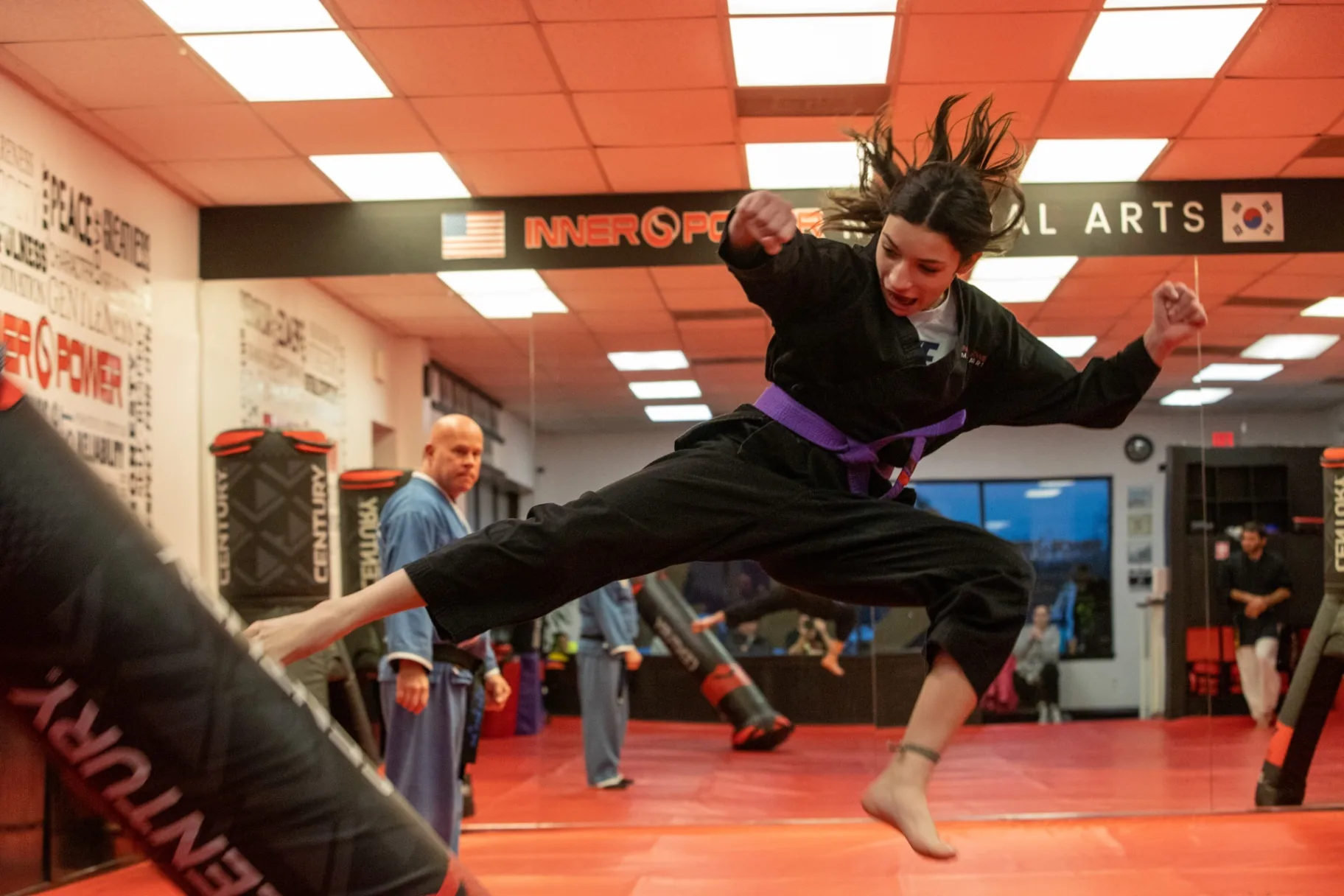
A lot of beginners do not need a martial art that looks impressive. They need one that helps them feel safer, stronger, and more confident in everyday life. If you are asking, “is hapkido good for beginners,” the short answer is yes – especially for people who want practical self-defense and steady personal growth, not just flashy kicks or endless memorization.
That matters for parents choosing a program for a shy child, a teen dealing with social pressure, or an adult who wants real-world skills without feeling thrown into an intimidating environment. A beginner-friendly martial art should build confidence early, create structure, and make students feel capable from the start. Hapkido does that when it is taught the right way.
Why Hapkido Is Good for Beginners
Hapkido gives beginners something many martial arts do not emphasize enough right away – usable self-defense. From the beginning, students can learn how to create distance, escape grabs, protect their balance, and respond calmly under pressure. That makes training feel relevant fast.
For many new students, especially children, relevance is everything. If a child is struggling with bullying, shyness, or fear, they do not just want to earn belts. They want to feel less helpless. If an adult is starting martial arts for the first time, they usually want fitness and confidence, but they also want to know they are learning something practical.
Hapkido is also broad enough to meet beginners where they are. It includes strikes, kicks, joint locks, movement, breakfalls, and defensive tactics, but that does not mean a good beginner class throws everything at you at once. In a quality school, these skills are introduced in layers. Students build coordination and awareness first, then add technique, timing, and control over time.
That progression is one reason beginners often do very well in Hapkido. You do not need prior experience. You need good instruction, consistency, and a willingness to learn.
What Makes a Martial Art Beginner-Friendly?
When parents or adult students ask whether Hapkido is a smart place to start, they are usually asking a deeper question: will I or my child be able to succeed here?
A beginner-friendly martial art is not just about simple techniques. It is about how the training is delivered. A good beginner program teaches discipline without crushing confidence. It challenges students without overwhelming them. It helps them improve physically while also giving them emotional wins early in the process.
That is where Hapkido stands out. Because it is rooted in self-defense, it gives students clear purpose. Because it can be adapted by age and ability, it works for young children, older kids, teens, and adults. Because it develops awareness and control, it supports more than physical skill.
For beginners, those benefits show up quickly. Kids often begin standing taller, speaking more clearly, and listening better. Teens gain composure and resilience. Adults notice better coordination, stress relief, and stronger personal confidence. The martial arts side matters, but the life impact is often what keeps beginners training.
Is Hapkido Good for Beginners Who Are Kids?
Yes, and in many cases it is an excellent fit.
Children do best in martial arts when classes are structured, age-appropriate, and focused on life skills as much as technique. Hapkido can be especially effective for beginners because it teaches awareness, boundaries, discipline, and self-control alongside physical movement.
For younger kids, the goal is not to turn them into tiny fighters. The goal is to help them build coordination, focus, listening skills, and confidence. For elementary-age children, Hapkido training can also reinforce anti-bullying habits like eye contact, assertive posture, verbal confidence, and staying calm under stress.
That is a big reason parents are drawn to it. If a child is timid, easily distracted, or struggling to stand up for themselves, a strong Hapkido program can give them a sense of inner strength that carries over into school, friendships, and home life.
Of course, the school matters. A child beginner needs patient instructors, a positive atmosphere, and classes designed for their age group. If the instruction is too advanced or too harsh, even a great martial art can become the wrong experience. But when the program is built well, Hapkido can be one of the most rewarding starting points a child can have.
Is Hapkido Good for Beginners as Adults?
It can be a very smart choice for adults, especially those who want practical training instead of a purely sport-focused experience.
A lot of adults hesitate to start martial arts because they think they are too old, too out of shape, or too inexperienced. Hapkido can ease that concern because it is not based on one narrow physical style. It teaches movement, leverage, positioning, and defensive responses that can be adapted to different body types and fitness levels.
That said, there is a trade-off. Hapkido includes a wide range of techniques, and beginners may feel challenged at first because there is a lot to learn. Some people love that variety because training stays engaging. Others prefer a more limited system with fewer moving parts.
The good news is that adults do not need to master everything at once. In a strong beginner program, the focus is usually on fundamentals, control, and practical application. Over time, students build comfort with the broader system.
For adults concerned about safety, Hapkido also has an advantage when taught responsibly. Good instruction emphasizes control, awareness, and progressive learning, not reckless intensity. That makes it approachable for people who want a serious training environment without the pressure of having to prove themselves on day one.
Where Beginners Sometimes Struggle in Hapkido
It is worth being honest here: Hapkido is beginner-friendly, but it is not effortless.
Because the system includes striking, kicking, defensive movement, and joint-based techniques, beginners can sometimes feel like they are learning several martial arts at once. That is not necessarily a bad thing, but it does mean progress depends heavily on the teaching approach.
Some beginners also need time to get comfortable with coordination. A child who has never been in organized activities may need extra patience. An adult with no athletic background may need a few weeks before movements start to feel natural. That is normal.
The key is not whether a beginner feels perfect right away. The key is whether the class helps them keep moving forward. A good Hapkido program celebrates progress, reinforces discipline, and gives students enough early success to stay motivated.
What to Look for in a Beginner Hapkido Program
If you are deciding whether Hapkido is the right first martial art, look beyond the style and look closely at the school.
A strong beginner program should separate classes by age and maturity level, especially for children. A four-year-old and a ten-year-old do not learn the same way, and a teen does not need the same coaching as an adult. The best programs recognize that and teach accordingly.
You should also look for a clear focus on confidence, discipline, and real-world self-defense. For many families, that is the entire point. They are not just looking for an after-school activity. They are looking for a place where their child can grow stronger emotionally and physically.
For adults, the right program should feel both welcoming and purposeful. You want instructors who can explain techniques clearly, scale training appropriately, and create a culture where beginners feel supported without being coddled.
At Inner-Power Martial Arts, that is exactly how Hapkido-based training is approached – with structure for kids, practical self-defense for teens and adults, and a strong emphasis on confidence that students carry into everyday life.
So, Is Hapkido Good for Beginners?
Yes, for many people it is more than good. It is one of the most practical and empowering ways to start martial arts.
It works especially well for beginners who want self-defense they can relate to, not just tradition for tradition’s sake. It is a strong fit for kids who need confidence and focus, teens who need resilience, and adults who want to feel safer, fitter, and more in control. The biggest variable is not whether Hapkido itself is beginner-friendly. It is whether the school teaches it in a way that helps beginners succeed.
If the instruction is structured, encouraging, and rooted in real development, Hapkido can give a beginner far more than techniques. It can give them calmer reactions, stronger posture, better discipline, and the kind of confidence that shows up long before they ever have to defend themselves.
The best first martial art is the one that helps a student walk out of class standing a little taller than when they walked in.
Ready to train with us?
Get started with a trial at Inner Power Martial Arts in Howell, NJ.