
How Hapkido Teaches Situational Awareness
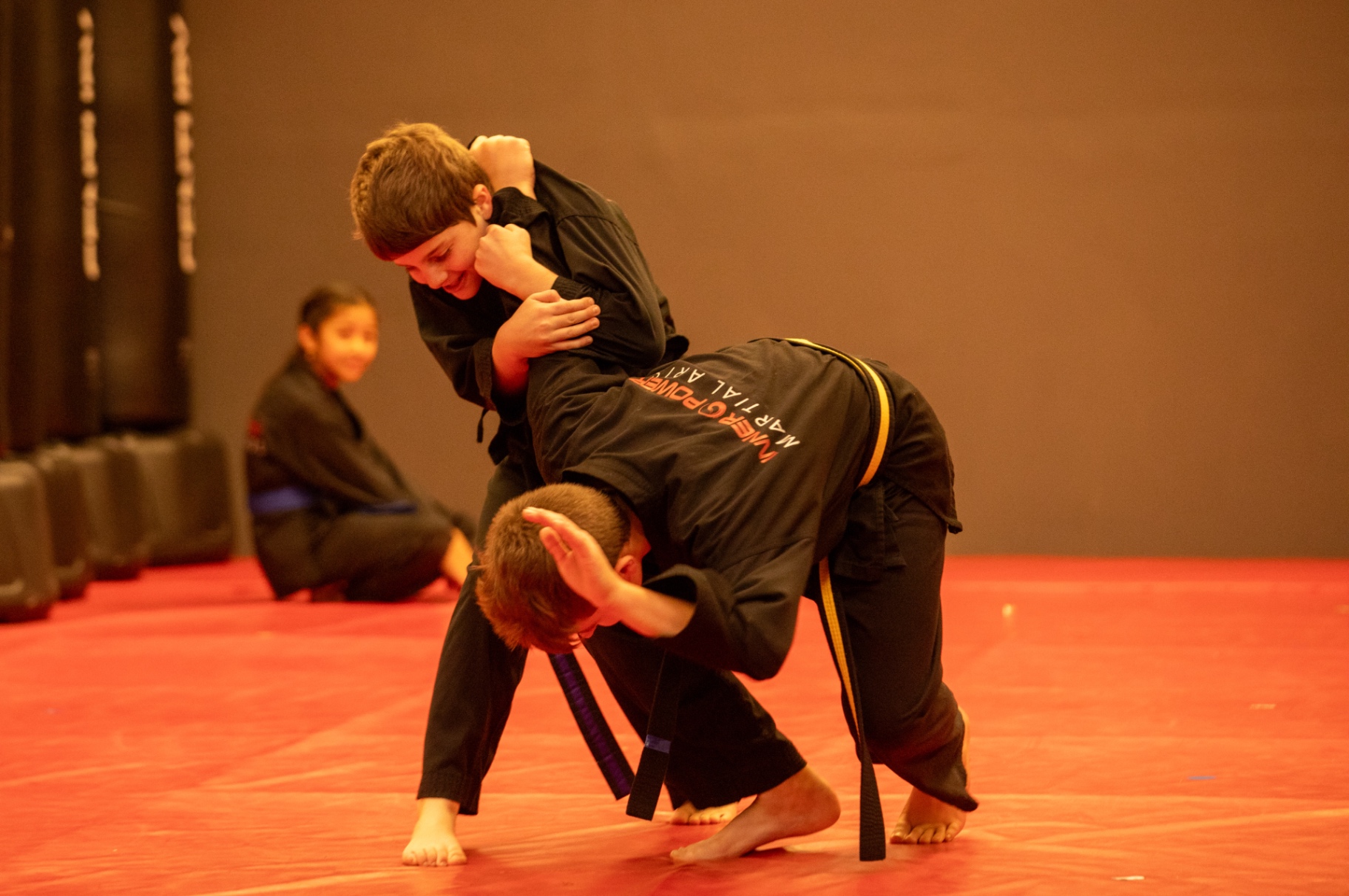
A child who gets picked on at school rarely needs more advice to “pay attention.” They need a skill set that helps them notice trouble sooner, stay calmer under pressure, and make better decisions before a situation gets out of hand. That is exactly how hapkido teaches situational awareness – not as a lecture, but as a habit built through training.
For parents, that matters because confidence is not just about speaking up. Real confidence comes from knowing what to look for, how to create space, when to use your voice, and when to leave. For teens and adults, it means moving through daily life with more control and less panic. Situational awareness is one of the most practical self-defense skills a student can develop, and Hapkido gives it structure.
What situational awareness really means
Situational awareness is the ability to notice what is happening around you, understand what it could mean, and respond early. It is not paranoia. It is not walking around scared. It is calm observation.
In practical terms, it means recognizing when someone is crowding your space, noticing the tone of a conversation changing, spotting exits in a room, and picking up on behavior that feels off before it becomes a real threat. Many people think self-defense starts when someone grabs you. In reality, the best self-defense often happens much earlier.
That is one reason Hapkido is so valuable. It does not train students to freeze until the last second. It teaches them to read distance, body language, timing, and intent. Those skills carry over far beyond the mat.
How Hapkido teaches situational awareness in real life
Hapkido is practical by nature. It focuses on distance management, leverage, control, balance, and responding to realistic attacks. Because of that, students are constantly learning to pay attention to what is happening before, during, and after movement.
A beginner may think they are just learning a wrist escape or a defensive movement. But under the surface, they are also learning to notice where the pressure is coming from, where the opening is, and how quickly a situation can change. That process trains the mind as much as the body.
Students learn to read space and movement
One of the first lessons in effective self-defense is understanding space. Who is too close? Where is the threat coming from? Is there room to move, or are you trapped against a wall, desk, or car?
In Hapkido, students work on angles, footwork, and body positioning again and again. Over time, they stop standing flat-footed and unaware. They become more conscious of where they are in relation to others. For a child dealing with bullying, that can mean noticing when a classmate is trying to corner them. For an adult, it can mean avoiding a bad position in a parking lot or crowded public area.
They practice staying calm under pressure
Awareness is only useful if a person can access it under stress. That is where training matters. When students are put through controlled drills, they feel pressure in a safe environment. They have to think, move, and respond while their heart rate goes up.
This is especially important for kids who tend to shut down when they feel intimidated. Structured martial arts training helps them get used to pressure without being overwhelmed by it. Instead of panicking, they begin to pause, assess, and act. That habit can make a major difference in a hallway conflict, a tense social moment, or any situation where fear would normally take over.
They become more aware of body language
A lot of danger announces itself before any physical contact happens. Someone may puff up, invade personal space, shift their shoulders, clench their jaw, or use a threatening tone. These signals are easy to miss if a person has never been taught to notice them.
Hapkido training sharpens that awareness. Students learn that movement tells a story. Where someone is looking, how they are standing, and how they are closing distance all matter. This does not mean assuming the worst about everyone. It means becoming more observant and less naive.
For young students, this can help them recognize unhealthy social behavior earlier. For teens and adults, it builds the ability to trust what they see instead of second-guessing themselves.
Why this matters for kids, teens, and adults
Situational awareness looks a little different at each age, but the value is the same. It builds confidence rooted in judgment, not bravado.
For younger children, awareness starts simple. They learn to look up, listen, maintain personal space, and follow directions quickly. Those may sound basic, but they are foundational life skills. A child who notices more tends to respond better in class, handle peer conflict more effectively, and project more confidence.
For older kids and teens, the stakes change. Social pressure, bullying, and emotional reactions become a bigger part of daily life. A teen who understands boundaries and environmental awareness is often less likely to be caught off guard or pulled into avoidable conflict. They learn that strength is not about proving something. It is about recognizing risk early and making smart choices.
Adults benefit in a different way. They are often balancing work stress, family responsibilities, and daily routines that can make them distracted. Hapkido helps pull attention back to the present. It teaches adults to be more aware of their surroundings, more confident in their movement, and less likely to freeze if something feels wrong.
Awareness in Hapkido is tied to action
Some self-defense conversations stay too theoretical. People talk about being alert, but they never connect awareness to what a person should actually do next. Hapkido bridges that gap.
Students are not only taught to notice danger. They are taught how to create distance, use verbal assertiveness, break grips, move to safer positions, and disengage when possible. That matters because awareness without action can still leave a person feeling helpless.
There is also an important trade-off here. Awareness should make a person more prepared, not more anxious. Good instruction keeps students grounded. The goal is not to make kids suspicious of everyone or make adults feel like every public place is dangerous. The goal is to help them carry themselves with confidence, make smart decisions, and recognize problems sooner.
What parents often notice first
Parents usually do not say, “My child has better situational awareness now.” They describe the results instead.
They notice their child walking taller. They notice stronger eye contact, quicker responses, better listening, and a more confident voice. They see a child who is less likely to be an easy target because they no longer move through the world looking uncertain and disconnected.
That change is not accidental. Kids who train consistently start becoming more present. They learn to focus on the instructor, track movement, follow sequences, and stay aware of what is happening around them. Those training habits often carry over to school, social settings, and everyday safety.
How Hapkido teaches situational awareness beyond the mat
The real test of martial arts is not what happens during class. It is what students carry into real life.
A student with growing awareness may choose a better spot to stand while waiting for a ride. They may notice when a conversation is starting to turn hostile. They may speak more clearly when someone crosses a boundary. They may avoid a problem entirely because they sensed it early.
That is the power of this kind of training. It helps people become proactive instead of reactive. In many cases, the safest outcome is not winning a fight. It is preventing one.
At Inner-Power Martial Arts, that is why practical Hapkido training matters so much for families. Parents are not just looking for an activity to fill the week. They want their children to grow stronger, more focused, and more capable in the moments that count. Teens want confidence they can carry into school, work, and college. Adults want real-world skills that make them feel more in control of their own safety.
Situational awareness is one of the clearest examples of martial arts training doing more than teaching technique. It teaches presence. It teaches judgment. It teaches students to trust their senses, manage pressure, and respond with purpose.
And for many people, that is where confidence truly begins – not in throwing the perfect technique, but in noticing what others miss and making the right choice early.
Ready to train with us?
Get started with a trial at Inner Power Martial Arts in Howell, NJ.