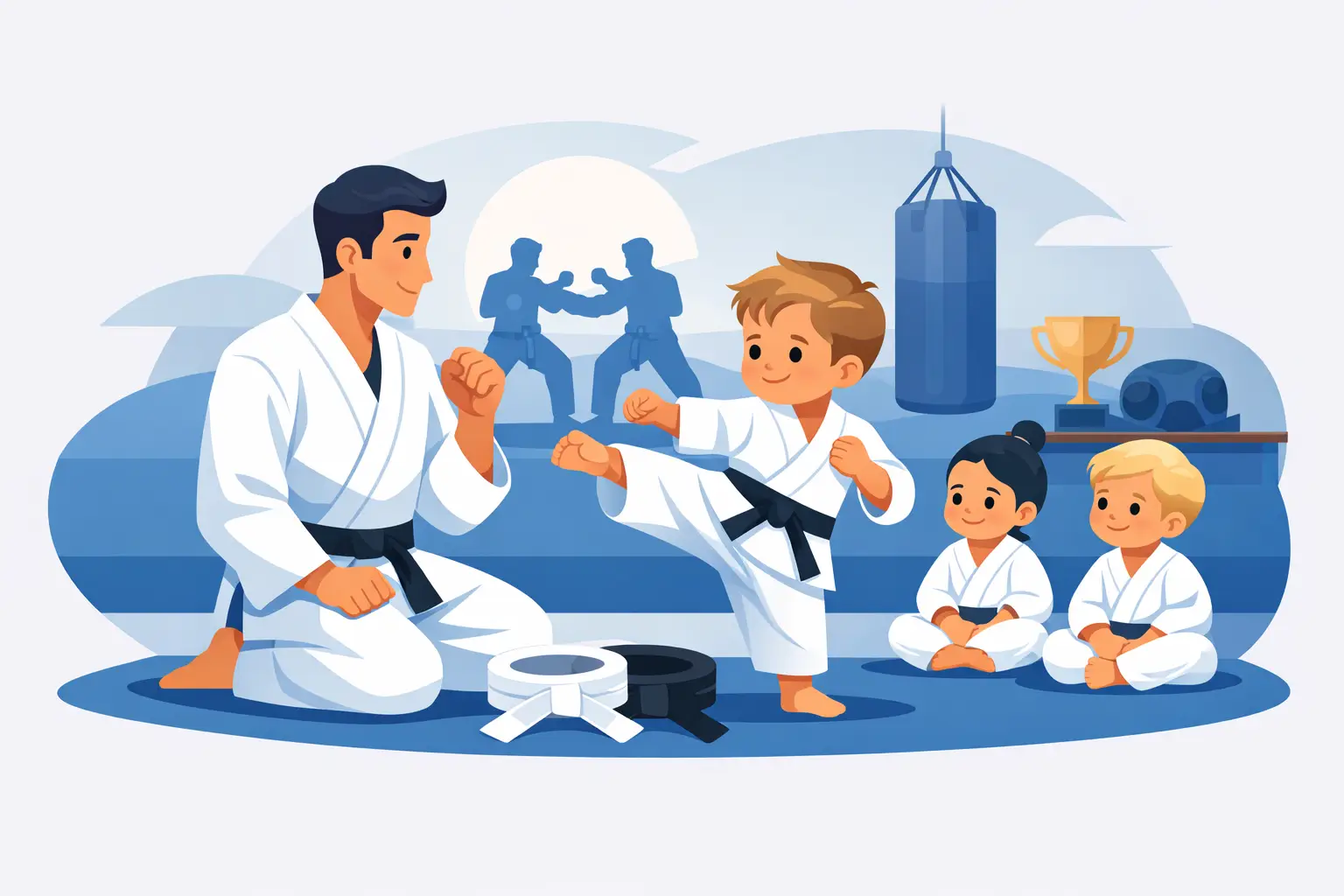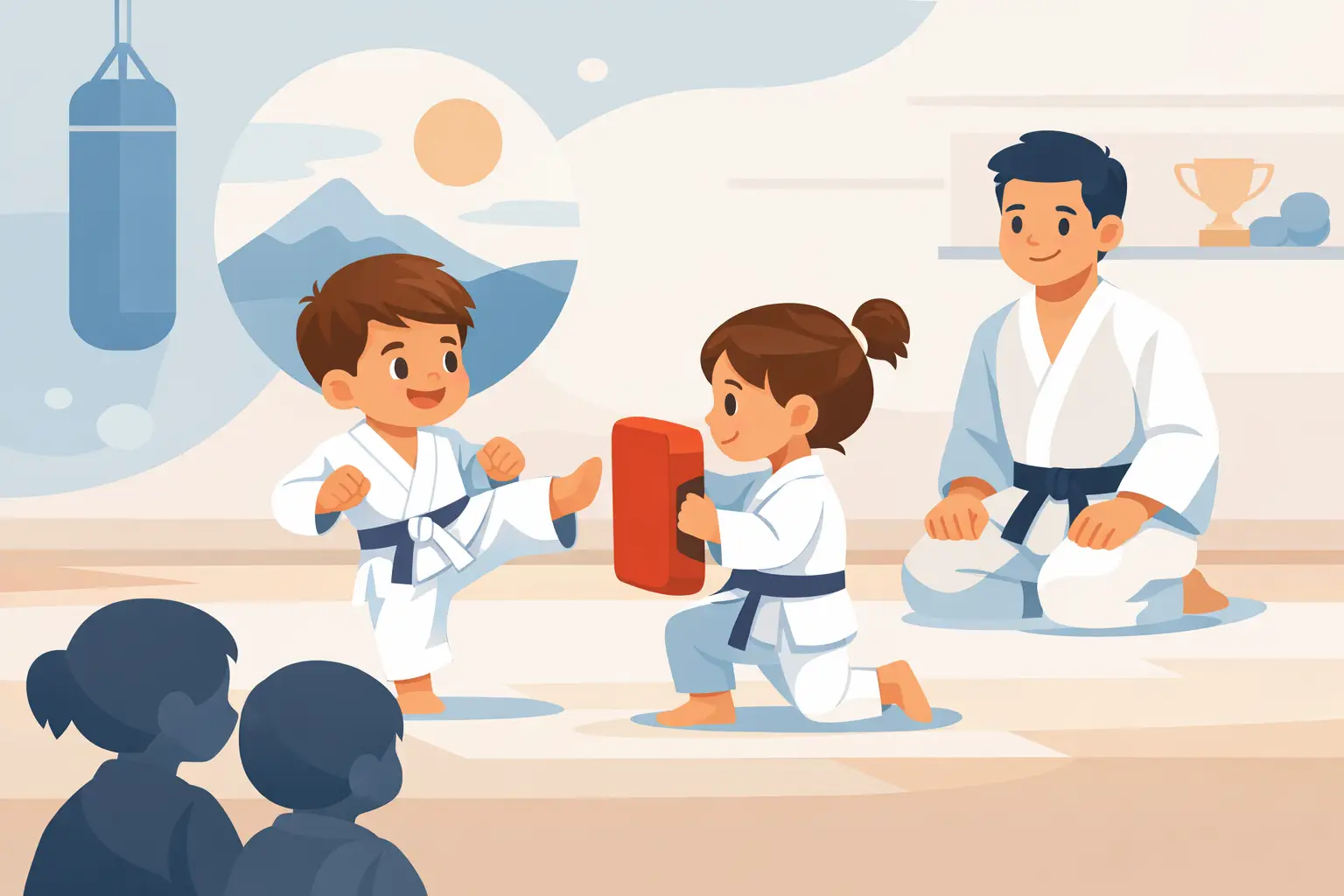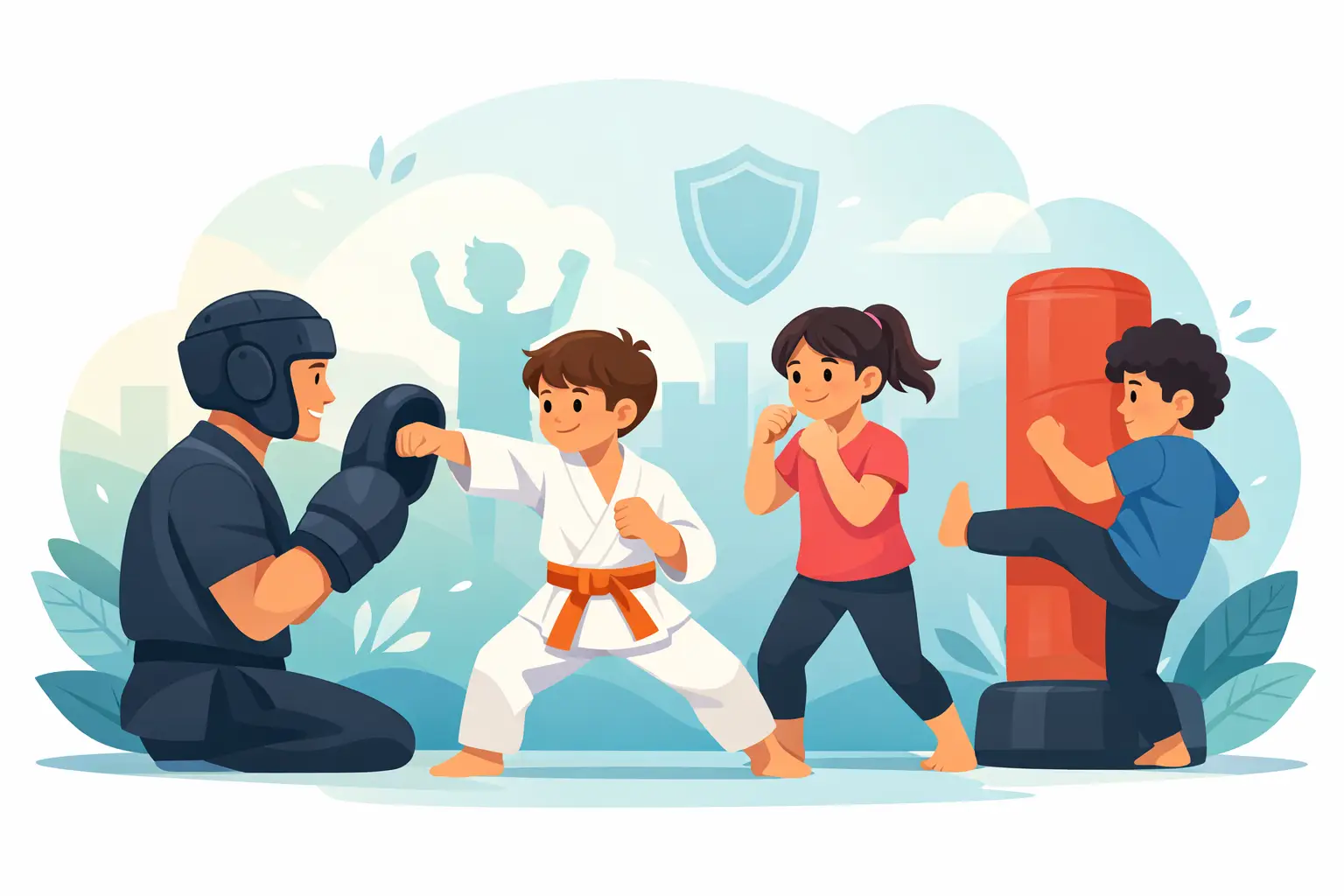

The 3:00 to 6:00 p.m. window can shape a child’s whole week. For many parents, it is the most stressful part of the day – school is over, energy is high, and kids need more than supervision. They need structure, guidance, and a place to grow. A strong after school martial arts program does more than fill time. It gives children a productive environment where they build confidence, focus, and practical self-defense skills that carry into school, home, and everyday life.
That matters even more when a child is shy, easily distracted, struggling socially, or starting to deal with teasing and peer pressure. Parents are not just looking for an activity. They are looking for something that helps their child stand taller, listen better, and feel more secure in their own skin. When martial arts is taught with purpose, those changes are not wishful thinking. They become visible.
Why an after school martial arts program works so well
After school is a transition point. Kids are moving from the structure of the classroom into the freedom of the afternoon, and that shift can go in two very different directions. Without a clear outlet, many children become restless, unfocused, or glued to screens. With the right training environment, that same energy gets redirected into discipline, movement, and personal growth.
Martial arts works especially well in this time slot because it meets kids where they are. They come in needing to move, needing direction, and often needing a reset after a long school day. Training gives them both physical activity and mental engagement. They are not just running around. They are learning how to follow instructions, stay aware, and push through challenges.
For parents, that creates a practical benefit and a deeper one. Yes, it solves the after-school schedule problem. More importantly, it turns those hours into an investment in character.
Confidence is usually the first big change
A lot of children do not need more praise. They need proof. They need to feel themselves doing hard things, improving over time, and earning progress. That is one reason martial arts can have such a strong effect on self-esteem.
In a quality program, confidence is built through action. A child learns a skill that felt awkward at first. Then they perform it with better balance, better control, and more certainty. They speak louder. They make stronger eye contact. They respond to correction without shutting down. Those are meaningful changes because they show up outside class too.
This is especially powerful for kids who tend to shrink back in social situations. Children who are quiet or hesitant often benefit from a setting that challenges them while still making them feel supported. When they realize they can learn self-defense, stay calm under pressure, and handle themselves with more authority, that confidence starts to become part of how they move through the world.
Focus and discipline do not happen by accident
Parents often say they want their child to have more discipline, but discipline is not something a child absorbs from hearing about it. It has to be practiced repeatedly. Martial arts creates that practice in a very direct way.
Students are expected to listen, respond, and stay engaged. They learn that effort matters, posture matters, and attitude matters. Over time, this routine strengthens attention span and follow-through. A child who struggles to stay on task may not transform overnight, but consistent training can help them become more patient, more coachable, and more aware of their choices.
That does not mean every child responds the same way. Some need a gentler start. Some thrive immediately under structure. Others test boundaries before settling in. A good instructor understands the difference and leads each student with both firmness and encouragement. That balance is what helps discipline take root instead of becoming a power struggle.
Real self-defense changes how kids carry themselves
Parents are right to be careful here. Not every martial arts school teaches self-defense in a way that is practical for real life. Some programs lean heavily on forms, performance, or tradition without helping students understand how to stay safe in everyday situations.
A more functional approach teaches awareness, assertiveness, boundary setting, and age-appropriate physical skills. That matters because bullying and conflict rarely look like a movie scene. Often it starts with intimidation, unwanted grabbing, social pressure, or a child freezing in the moment. Training should help students recognize those situations early and respond with more confidence and control.
The goal is not aggression. It is readiness. Kids who understand how to use their voice, protect their space, and react with purpose are often less likely to be seen as easy targets. They project confidence before a situation escalates.
That is one reason families in Monmouth County often look for a program rooted in practical self-defense rather than just ceremony. They want their child to gain real-world skills and the inner strength that comes with them.
The best programs are age-specific
An effective after-school class for a 5-year-old should not look like one for an 11-year-old. Younger children need shorter instruction cycles, playful structure, and simple skill-building tied to listening, coordination, and confidence. Elementary-aged students can handle more technical material, more responsibility, and stronger conversations around respect, focus, and bullying prevention.
That age-based approach matters because children learn differently at different stages. When a program is designed around those differences, students progress faster and enjoy class more. They feel challenged, but not overwhelmed.
This is where many families appreciate a school that has clearly defined paths for different age groups. At Inner-Power Martial Arts, for example, younger children and older kids are trained through separate programs so instruction matches maturity, attention span, and developmental needs. That creates a better experience for the student and more meaningful progress for the parent to see.
What parents should look for in an after school martial arts program
Not all programs deliver the same results, even if they make similar promises. Parents should pay close attention to how classes are run, what skills are emphasized, and whether the environment feels both positive and purposeful.
A strong program usually has clear structure from the moment students arrive. There is a sense of order, but not intimidation. Instructors know how to keep kids engaged without turning class into chaos. They correct with confidence, encourage effort, and expect respect.
It also helps to listen for the right language. If a school talks only about belts, trophies, or flashy moves, it may not match what many families actually want. If the focus includes confidence, focus, bully prevention, and practical self-defense, that is often a sign the training is connected to real-life outcomes.
Parents should also trust what they see. Are students attentive? Do shy children seem included? Do instructors communicate clearly with families? Is the atmosphere welcoming while still serious about standards? Those details say a lot.
Why local families often stay long term
The biggest value of martial arts is not what happens in one class or one month. It is what happens when training becomes part of a child’s life over time. Small improvements begin to stack up. Better listening becomes better habits. Better habits become stronger self-control. Stronger self-control becomes confidence that shows up in school, friendships, and challenges outside the academy.
That is why many families do not see martial arts as a short-term activity. They see it as a long-term developmental tool. The right school becomes part of a child’s support system, offering consistent expectations, positive mentorship, and a community that reinforces growth.
For teens and adults, the same principle applies in a different way. After-school hours may turn into evening training, but the benefits remain powerful: practical self-defense, stress relief, physical conditioning, and a stronger mindset. Students want to feel capable, not helpless. They want training that applies to real life.
A better use of the afternoon
Parents cannot control every moment their child faces at school, with peers, or in the world. But they can choose an environment that helps prepare them for those moments. That is what makes martial arts such a meaningful after-school option. It is not babysitting. It is guided growth.
The right program gives children more than exercise. It gives them posture, voice, discipline, and the confidence that comes from knowing they are getting stronger in ways that matter. And for a parent, there is real peace of mind in watching your child walk out of class a little more focused, a little more resilient, and a lot more sure of themselves.
If you are evaluating after-school options, look beyond convenience alone. Choose the place that helps your child grow into someone who feels safe, capable, and ready for challenges – both on the mat and far beyond it.