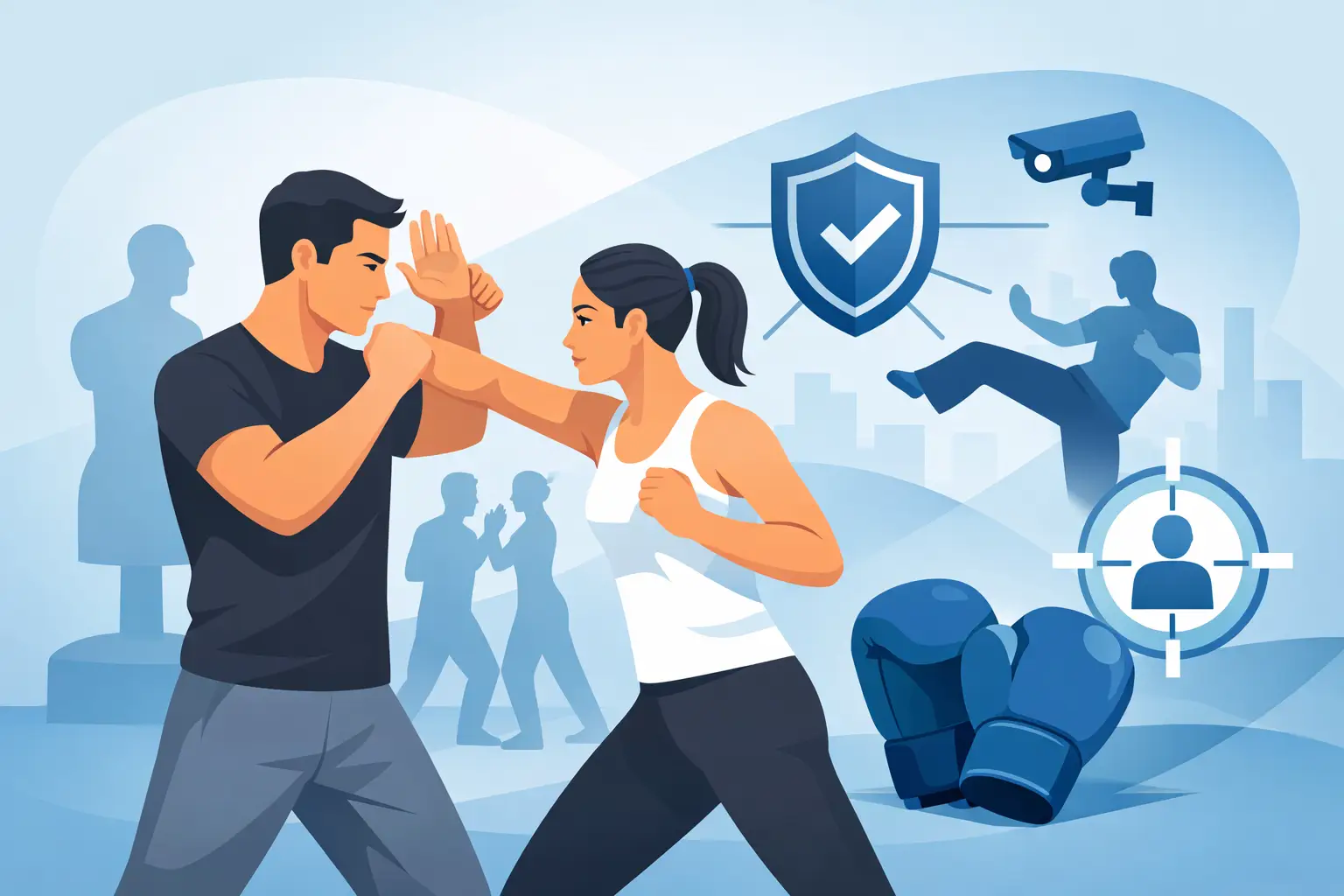
Most adults do not start training because they want trophies. They start because something feels off. Maybe it is walking to the car after work. Maybe it is sending a teen off to college. Maybe it is realizing that being in decent shape is not the same as knowing what to do when someone gets aggressive. That is where adult self defense training matters. It gives you more than techniques. It gives you a calmer mind, better awareness, and the confidence to respond instead of freeze.
At our academy, we see this all the time. Adults come in wanting to feel safer, stronger, and more in control. What keeps them training is that the benefits go far beyond one scenario. Good self-defense training improves posture, conditioning, assertiveness, decision-making, and mental resilience. You begin to carry yourself differently, and people notice.
What adult self defense training should actually teach
A lot of people picture self-defense as flashy moves, high kicks, or complicated sequences they will never remember under pressure. That is not what works for most adults. Real training has to be practical, repeatable, and built for stressful situations.
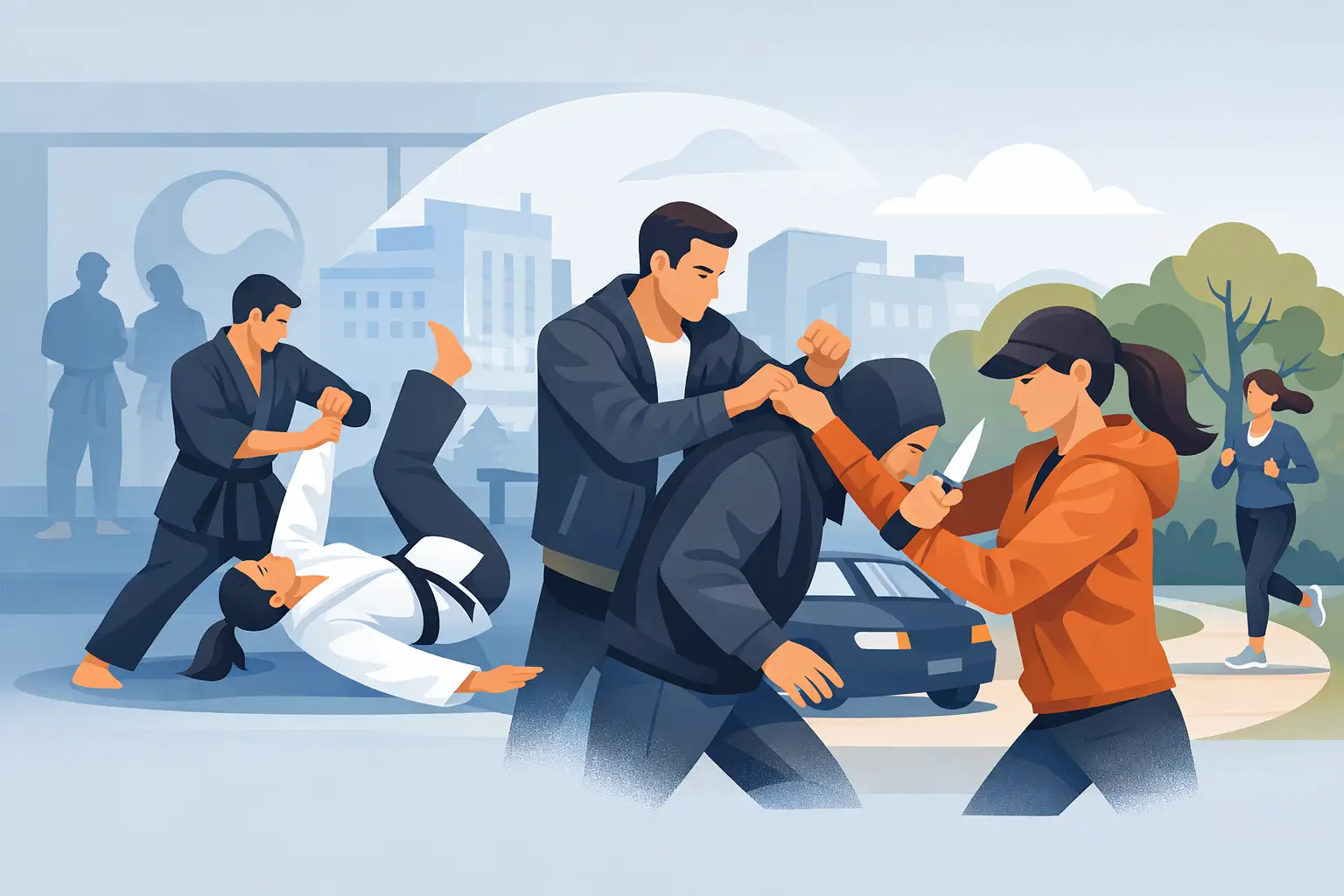
That means learning how to recognize danger early, manage distance, protect vulnerable targets, break free from common grabs, and create the chance to get away. It also means understanding verbal boundaries and body language. Many confrontations can be disrupted before they become physical, but only if you know how to project confidence and respond clearly.
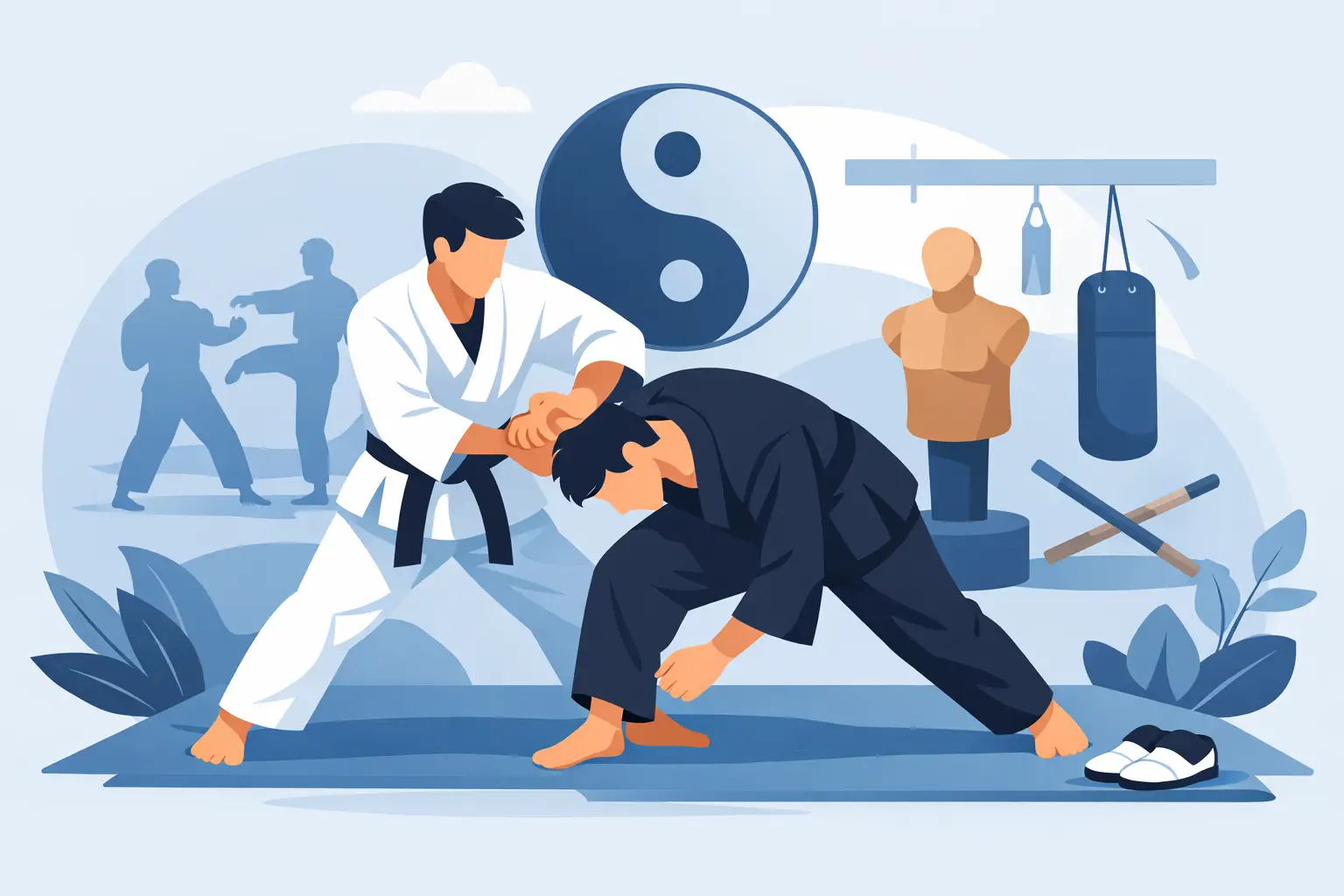
This is one reason Hapkido-based training connects so well with adults. It is not form-heavy for the sake of tradition. It focuses on leverage, control, balance disruption, and real-world defense. For a busy parent, a working professional, or a college-bound student, that practical approach makes sense. You want skills you can use, not movements that only work in perfect conditions.
Why adults hesitate to start
Many adults wait too long because they think they are too out of shape, too busy, too old, or too inexperienced. Those concerns are common, but they are rarely the real issue. Usually, the bigger obstacle is discomfort. Starting something new can feel vulnerable, especially when it involves self-protection.
The right school changes that quickly. A supportive training environment does not expect you to come in already confident. It helps you build confidence step by step. You learn in a structured setting, you train with guidance, and you improve faster than you expected.
There is also the fear of intimidation. Some adults imagine a room full of advanced students trying to prove something. Serious training does not have to feel like that. The best programs balance challenge with encouragement. You should be pushed, but you should also feel safe enough to learn.
The difference between fitness and self-defense
Being strong and being prepared are not the same thing. Strength helps. Cardio helps. Flexibility helps. But self-defense adds a layer that ordinary workouts do not cover.
It teaches you how adrenaline affects your body. It shows you what happens to vision, breathing, and decision-making under pressure. It trains simple responses so you are not trying to invent a plan in the moment. It also develops something many adults have never practiced directly – controlled aggression when it is necessary, and restraint when it is not.
This matters for everyday people. You do not need to become a fighter. You need to become harder to intimidate, harder to control, and quicker to act if a situation turns physical.
What to look for in adult self defense training
Not every class marketed as self-defense gives adults what they really need. Some are too focused on fitness. Others are too theoretical. Some teach a long list of techniques without enough repetition to make any of them reliable.
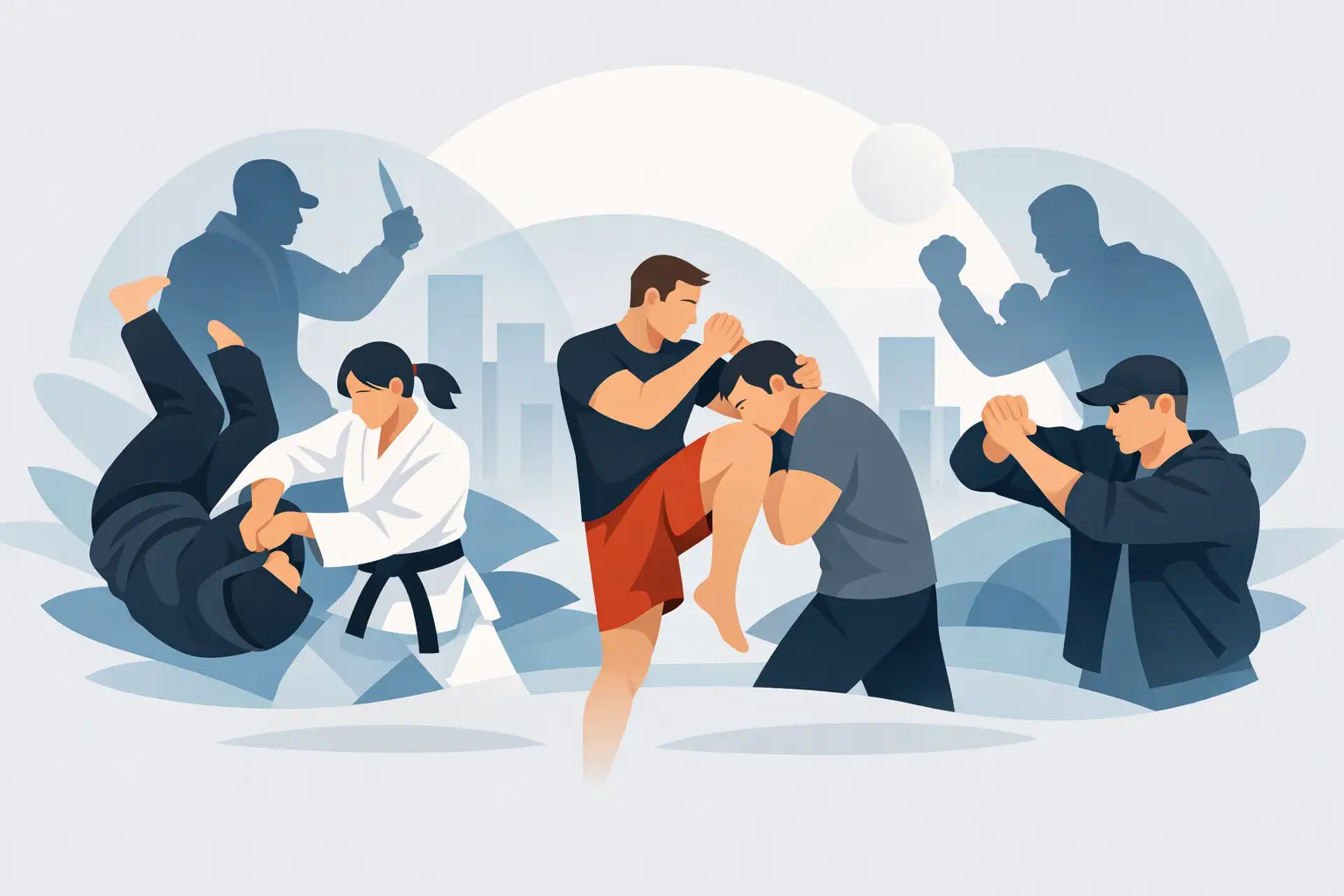
A strong program should include scenario-based practice, partner drills, practical escapes, defensive striking, and situational awareness. It should also account for different experience levels and body types. A smaller adult and a larger adult may use the same principles, but the details should be taught intelligently.
You should also pay attention to the teaching style. Clear instruction matters. Adults learn best when they understand not just what to do, but why it works and when it applies. Good instructors correct details, keep training realistic, and create a culture where students take the work seriously without turning class into an ego contest.
Adult self defense training and confidence
Confidence is one of the biggest reasons adults stick with training, and it is often misunderstood. Real confidence is not acting tough. It is knowing you can handle yourself better than you could six months ago.
That confidence shows up in small ways first. You make stronger eye contact. You speak more clearly. You become more aware of your surroundings. You stop second-guessing yourself as much. Over time, those changes affect your work life, your relationships, and the way you move through public spaces.
For parents, there is another benefit. Your example matters. When your kids see you committing to growth, learning discipline, and taking personal safety seriously, they absorb that message. Self-defense becomes more than a class. It becomes part of the culture of your family.
Why practical training works better than flashy training
Under stress, fine motor skills tend to drop. Memory narrows. Time feels strange. That is why practical systems matter so much. You need gross-motor movements, strong fundamentals, and repeatable principles.
A practical class does not waste your time with techniques that depend on perfect timing, extreme flexibility, or ideal conditions. It gives you tools you can pressure-test in training. You learn how to manage common threats, not fantasy situations.
That does not mean training should be simplistic. It means it should be honest. There are trade-offs in every self-defense system. No method guarantees safety in every situation. The goal is not perfection. The goal is preparation, awareness, and a stronger chance of protecting yourself and getting home safely.
Who benefits most from starting now
Adults often think self-defense is only for people with a specific fear or a recent scare. In reality, the people who benefit most are often those who simply want to stop feeling passive.
That includes adults returning to fitness after years away from exercise. It includes college students who want better personal safety habits before moving onto campus. It includes parents who want practical skills and a healthier outlet for stress. It includes professionals who spend long hours sitting, then realize they want more energy, better posture, and greater resilience.
In Monmouth County, many adults are looking for training that feels serious without feeling cold. They want structure, real instruction, and a community that helps them stay consistent. That balance matters. You are more likely to improve when training becomes part of your weekly routine instead of a one-time reaction to fear.
What progress usually looks like
The first change is often awareness. You start noticing exits, spacing, and behavior patterns. Next comes body control. Your stance improves, your movements become sharper, and you start reacting with more purpose. Then confidence catches up. Not loud confidence. Quiet confidence.
Physical improvement follows too. Adults often gain strength, coordination, endurance, and stress relief faster than they expected. But the mental side is usually what surprises them most. Training helps you stay composed when pressure rises. That skill carries into daily life in a big way.
At Inner-Power Martial Arts, that is the standard we believe adult training should meet. It should help you feel safer, move better, think clearer, and stand stronger in everyday life.
Choosing a school that fits your goals
If your goal is real-world self-defense, ask direct questions before you join. Is the training practical? Are beginners welcomed without being babied? Do instructors teach awareness and de-escalation, or only physical techniques? Is the culture respectful and focused?
You also want a school that gives you room to grow. Early progress is motivating, but long-term development is where real change happens. The best adult programs build skill in layers. You learn the basics, pressure-test them, refine them, and keep growing in confidence and control.
The right class should leave you feeling challenged, not discouraged. It should remind you that strength is not reserved for a certain age or personality type. It is built through consistent training, good instruction, and a willingness to begin.
If you have been thinking about starting, that instinct is worth listening to. Feeling safer in your body and stronger in your mind is not a luxury. It is one of the most practical investments you can make in yourself.