Your child comes home quieter than usual. Maybe someone teased them at school. Maybe they freeze when another kid gets too rough. Or maybe they are full of energy, but they struggle to focus, follow directions, or believe in themselves. That is exactly why a parents guide to kids hapkido matters. The right martial arts program does more than teach kicks and blocks. It helps children carry themselves with confidence, stay calm under pressure, and feel stronger in everyday life.
Hapkido stands out because it is practical. Instead of relying heavily on memorized forms for the sake of tradition, kids learn movement, awareness, balance, self-control, and age-appropriate self-defense skills they can actually understand. For many parents, that difference matters. They are not just looking for an activity to fill a weeknight. They want something that helps their child become more focused, more resilient, and less likely to feel helpless.
What parents should know about kids Hapkido
At its core, Hapkido is a self-defense based martial art. For children, that does not mean aggressive behavior or teaching them to fight. A quality kids program teaches the opposite. It shows children how to stay aware, use their voice, respect boundaries, and respond with control.
That is one of the biggest misunderstandings parents have at first. They worry martial arts might make a child more rough or more reactive. In a strong school, kids Hapkido is built around discipline. Students learn when not to use physical skills just as much as they learn how to use them. The goal is confidence with restraint.
For younger children, classes usually focus on listening, coordination, posture, balance, and basic movement patterns. For older kids, training can include more structured self-defense, partner drills, and confidence-building challenges. The best programs match the training to the child’s age and maturity rather than forcing every student into the same format.
Why parents choose Hapkido for kids
Many families start looking at martial arts after a child hits a rough patch. Sometimes it is bullying. Sometimes it is anxiety, lack of focus, poor body awareness, or low self-esteem. Sometimes a parent simply sees that their child needs a healthier outlet and stronger structure.
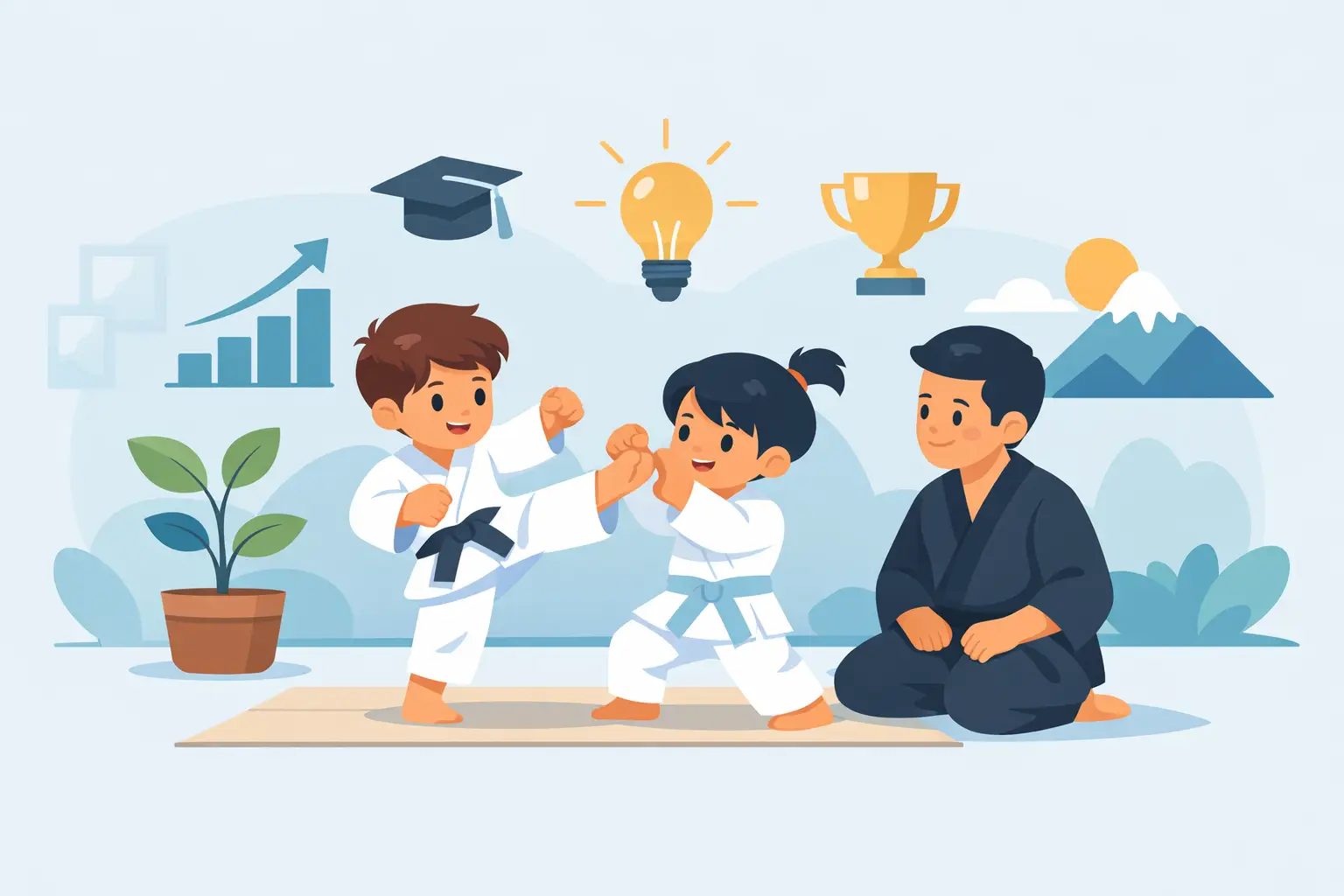
Hapkido can help because it develops the whole child. Physically, students improve coordination, balance, flexibility, and control. Mentally, they practice focus, patience, and following directions. Emotionally, they begin to feel more capable. That confidence often shows up outside the school too – in the classroom, on the playground, and in social situations.
There is also a real difference between empty confidence and earned confidence. Kids know when adults are just trying to encourage them. Training gives them proof. They stand taller because they have done hard things. They speak up because they have practiced using their voice. They stay calmer because they have learned how to manage pressure in a structured setting.
A parents guide to kids hapkido and bullying concerns
If bullying is one of your biggest concerns, you are not alone. Many parents want a child to be able to protect themselves, but they also do not want them becoming the kid who escalates every conflict. That balance matters.
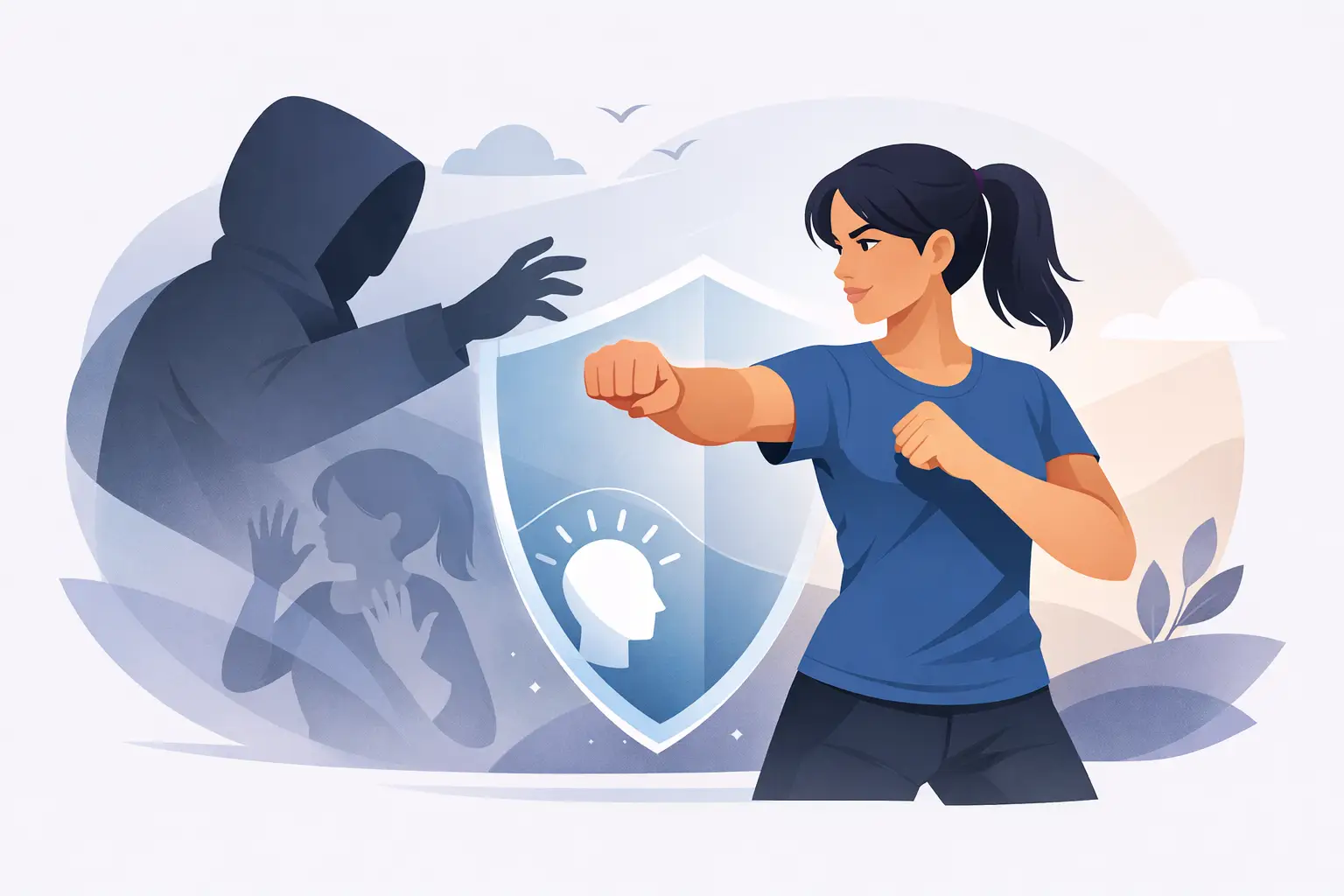
A good Hapkido program addresses bullying in layers. First, children learn awareness. They start noticing space, tone, body language, and situations that feel unsafe. Second, they practice assertiveness. That may sound simple, but many kids need direct coaching on how to say no clearly, set boundaries, and project confidence. Third, they learn self-defense skills in an age-appropriate way, so they have options if a situation becomes physical.
The trade-off is that martial arts is not a magic fix after two or three classes. If a child has been shy for years or has already had painful experiences with bullying, growth usually happens steadily rather than overnight. What parents often see first is not dramatic toughness. It is better posture, stronger eye contact, more willingness to speak up, and less fear in unfamiliar situations. Those changes are powerful.
What to look for in a kids Hapkido school
Not every martial arts school teaches the same way, even if they use the same label. That is why parents should pay close attention to how a class is run.
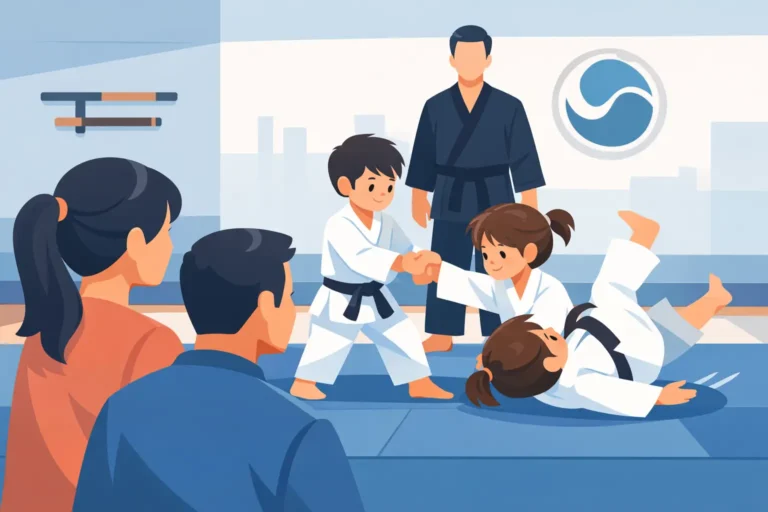
Start with the instructors. Are they strong leaders without being harsh? Do they know how to correct children without embarrassing them? Do they speak to students in a way that builds responsibility and confidence at the same time? Parents should feel that the class is structured, safe, and purposeful.
Next, look at the program design. Four-year-olds should not be trained like ten-year-olds. Younger children need shorter attention cycles, simple goals, and a lot of repetition. Older children can handle more detail, challenge, and accountability. Age-specific classes usually lead to better results because they respect how kids actually learn.
It also helps to watch how instructors handle nervous beginners. Some children run into class excited. Others cling to a parent, avoid eye contact, or shut down in a new environment. A good school knows how to bring those kids in gradually while still maintaining standards. Warmth matters, but so does leadership.
Finally, ask what the school believes martial arts is for. If the answer centers only on belts, trophies, or flashy moves, that may not line up with what many families are really seeking. For parents concerned about confidence, discipline, focus, and personal safety, a practical self-defense mindset is often a better fit.
What class progress really looks like
Parents sometimes expect martial arts progress to show up as instant athletic ability. In reality, growth in Hapkido often appears in everyday habits first.
A child who used to avoid challenge may start trying harder. A child who interrupted constantly may begin listening better. A child who seemed physically awkward may move with more coordination after a few months. These are not small wins. They are signs that the training is doing its job.
That said, every child develops at a different pace. Some love the physical side right away but need time to build discipline. Others follow directions well but take longer to become assertive. The best programs understand that progress is not one-size-fits-all. Strong instruction pushes kids forward without comparing them unfairly.
Parents play a role here too. Children do better when martial arts is treated as a growth process, not just entertainment. Encouragement matters. Consistency matters even more. When families stay patient and support regular attendance, the confidence gains tend to go deeper.
Is kids Hapkido right for every child?
It depends on the child and the school.
For energetic kids, Hapkido can provide structure and discipline. For shy kids, it can create a safe path toward confidence. For children who struggle with focus, the repetition and routine can be a major benefit. For kids dealing with social pressure or bullying, it can help them feel less vulnerable.
But the environment has to be right. Some children need a gentler entry into training. Some need more challenge. Some respond best to clear authority, while others need a little more time to warm up. That is why a trial class is so valuable. You are not just evaluating whether your child likes martial arts. You are seeing whether the teaching style brings out their best.
In family-centered schools like Inner-Power Martial Arts, the goal is not to create intimidating athletes. It is to help students build real-world self-defense skills, stronger focus, and the kind of inner confidence that carries into school, friendships, and everyday life.
Questions parents should ask before enrolling
Ask how the program handles beginners, how classes are grouped by age, and how self-defense is taught in a way that supports safety and self-control. Ask what changes parents usually notice in the first few months. Ask how instructors address confidence, bullying prevention, and discipline, not just technique.
You should also ask yourself a simple question. What do you want your child to gain? If your answer is confidence, resilience, focus, and the ability to stand up for themselves in a smart, controlled way, then Hapkido may be exactly the right path.
The best martial arts training does not change who your child is. It strengthens what is already there. A quiet child can become more confident without losing kindness. A high-energy child can become more disciplined without losing spark. That is the real value of kids Hapkido, and it is why the right class can become much more than an after-school activity.
When a child starts to believe, truly believe, that they are capable, everything else gets a little stronger around them.