A lot of parents ask the same question before they ever step onto the mat: are martial arts safe kids can truly benefit from, or is there more risk than reward? It is a fair question. If your child is shy, easily distracted, dealing with bullying, or simply full of energy, you want an activity that builds confidence without putting them in over their head.
The honest answer is yes, martial arts can be very safe for kids – when the school is well run, the instructors are experienced, and the program is designed for the child’s age and stage of development. Like any physical activity, there is some risk. But in the right environment, martial arts is often safer and more structured than many popular youth sports, while offering something extra that parents care deeply about: focus, discipline, self-control, and real confidence.
Are martial arts safe for kids in real life?
Safety in martial arts is not just about whether a child might get a bump or bruise. It is also about the emotional environment, the teaching style, and whether students are learning control instead of aggression.
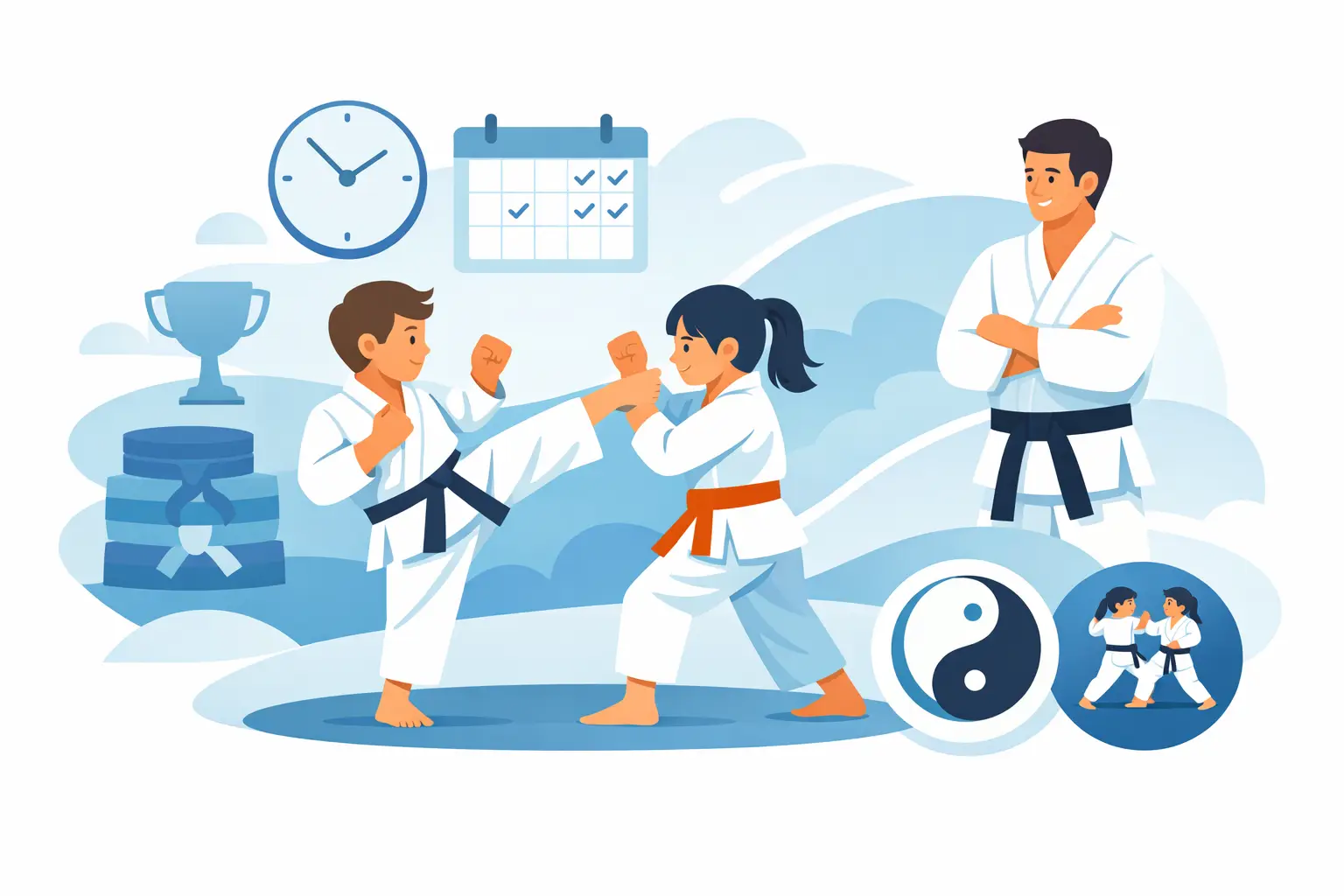
In a quality kids program, children are not thrown into chaotic sparring or expected to perform techniques their bodies are not ready for. They learn in steps. Younger students work on balance, listening, coordination, and basic movement patterns. As they mature, they build practical skills with supervision and clear boundaries.
That structure matters. Kids thrive when expectations are clear and instructors stay engaged. A class should feel organized, positive, and purposeful. When it does, safety improves because students know when to move, how to move, and when to stop.
What makes martial arts safe or unsafe?
The style matters less than the way it is taught. A safe program does not rely on intimidation, ego, or pushing children to do more than they can handle. It uses progressions, age-appropriate drills, and constant supervision.
Instructor quality is one of the biggest factors. A strong instructor knows how to teach technique without creating fear. They correct kids without shaming them. They notice when a child is overwhelmed, distracted, or physically uncomfortable. They also understand that a 5-year-old and a 10-year-old need very different pacing.
Class culture matters just as much. If the school encourages respect, control, and partner awareness, children learn to protect each other while they train. If the room feels reckless or overly competitive, that is usually a sign to walk away.
Another factor is how success is defined. Good martial arts schools do not reward kids for being the toughest child in the room. They reward effort, focus, attitude, and improvement. That creates a safer learning environment because children are not pressured to prove themselves in unhealthy ways.
The real risks parents should understand
Parents deserve a straight answer here. Martial arts is not risk-free. Kids can get sore. They can lose balance and fall. In some programs, they may pick up minor bruises from partner drills or sparring. Those are real possibilities.
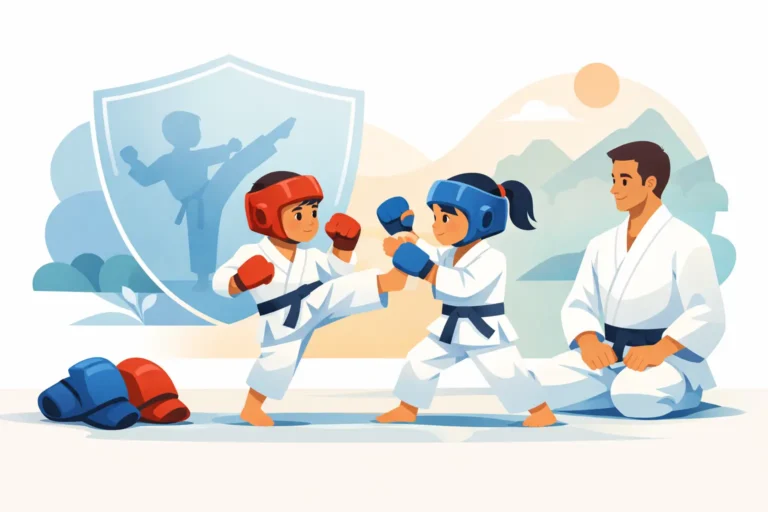
But the level of risk depends heavily on the program. For younger children, well-designed classes usually keep contact light and controlled. For older kids, contact should still be carefully introduced, with protective gear and direct instructor oversight when appropriate.
There is also a different kind of risk that parents do not always think about: emotional mismatch. If a school teaches in a way that is too harsh, too advanced, or too aggressive for your child, the experience can damage confidence instead of building it. That is why finding the right school is more important than simply finding a nearby school.
Why martial arts can be safer than parents expect
Many parents picture martial arts as nonstop kicking, punching, and fighting. In reality, most quality children’s classes spend much of their time on controlled skill development.
Kids practice stance, movement, timing, balance, awareness, and discipline long before anything intense happens. They learn how to follow instructions, respect personal space, and stay calm under pressure. Those habits reduce injuries because children are not acting impulsively.
Martial arts also teaches body control in a way many activities do not. A child who learns how to move with intention, how to protect their balance, and how to stay focused during physical activity often becomes safer not just in class, but in everyday life.
That is part of why many parents are surprised by the bigger benefits. Their child may start for self-defense or confidence, but they also gain better listening skills, emotional regulation, and resilience. Those outcomes matter, especially for kids who are dealing with social pressure, fear of bullying, or low self-esteem.
Are martial arts safe kids programs for young children?
For ages 4 to 6, safety comes down to structure. Young children need shorter attention windows, simple instructions, and high instructor engagement. They should not be treated like miniature teenagers.
A strong beginner program for this age group focuses on basics like coordination, self-control, respect, and following directions. The goal is not to make a preschooler into a fighter. The goal is to help them develop confidence, body awareness, and discipline in a positive setting.
When that happens, martial arts can be an excellent fit for young children. It gives them a productive outlet for energy while teaching them how to slow down, listen, and respond with control. For many families, that balance is exactly what they have been looking for.
How to tell if a martial arts school is safe
You can learn a lot by watching one class. Look at how the instructors speak to students. Are they calm, clear, and in control? Do they know the children by name? Do they step in quickly when kids lose focus or get too rough?
Pay attention to how the kids behave too. A safe class is not silent, but it should feel structured. Students should understand the rules. They should line up, partner up, and move with direction rather than chaos.
Ask how the school handles beginner students, partner drills, and sparring. Ask whether classes are grouped by age and maturity. Ask what a child is expected to do in the first few months. Clear answers are a good sign. Vague answers are not.
Cleanliness, mat space, and organization also matter. A school does not need to feel fancy, but it should feel professional. Parents should walk away thinking, My child would be guided here, not just managed.
The role of practical self-defense
One concern some parents have is whether self-defense training makes kids more aggressive. In a poor program, maybe. In a strong one, the opposite is usually true.
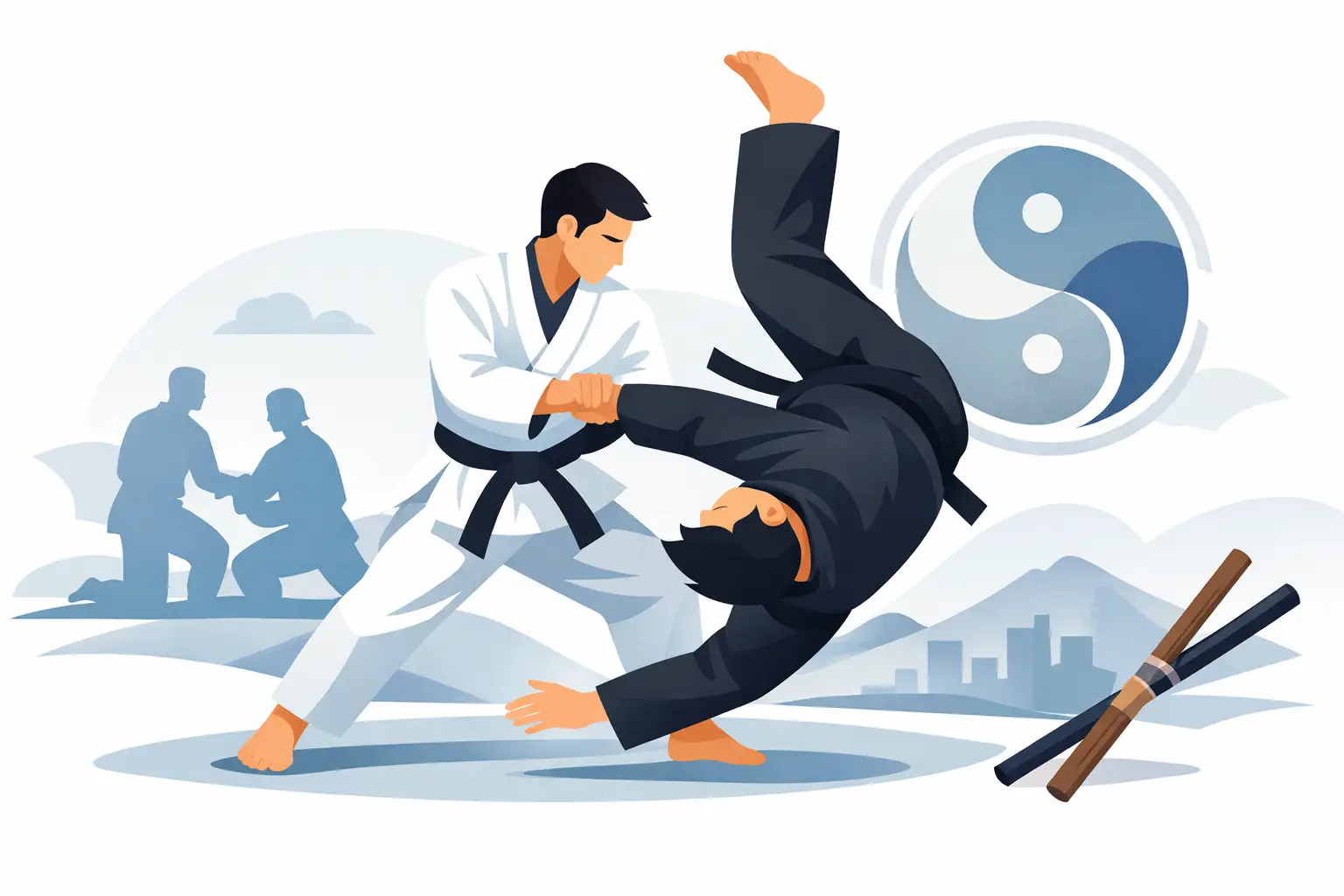
Practical self-defense, taught correctly, helps children become more aware, more assertive, and less likely to panic. They learn when to use their voice, when to create distance, when to get help, and how to project confidence. Those skills are often more valuable than the physical techniques themselves.
Children who feel capable tend to carry themselves differently. They stand taller. They make better eye contact. They respond with more self-control. That shift can help with bullying situations because many kids are targeted not for weakness, but for visible uncertainty.
That is one reason families in Howell and surrounding communities often look for martial arts programs that go beyond memorizing forms and focus on real-world confidence. At Inner-Power Martial Arts, that practical approach is part of what makes training meaningful for parents as well as students.
When martial arts may not be the right fit
Martial arts is a great option for many kids, but not every school is right for every child. Some children need a slower entry point. Some need a more playful beginner environment. Others may need extra communication between parents and instructors if they are anxious, highly sensitive, or still developing social confidence.
That does not mean martial arts is off the table. It usually means the program needs to match the child. A thoughtful school will not force a child to fit a system that overwhelms them. It will meet them where they are and help them grow from there.
If your child has medical concerns, previous injuries, or developmental needs, it is smart to speak with the school ahead of time. A good instructor will welcome that conversation and explain how classes can be adapted when needed.
What parents should remember most
So, are martial arts safe kids can enjoy and grow from? Yes – when safety is built into the culture, not just mentioned in the sales pitch. The best programs do more than prevent injuries. They build judgment, control, confidence, and the kind of inner strength that carries into school, friendships, and everyday life.
As a parent, trust what you see. Look for a school that treats safety as part of leadership, not as an afterthought. When children are taught with patience, structure, and purpose, martial arts becomes more than a physical activity. It becomes a place where they learn to feel strong, capable, and secure in themselves.
That kind of confidence is not just safe. It is powerful.