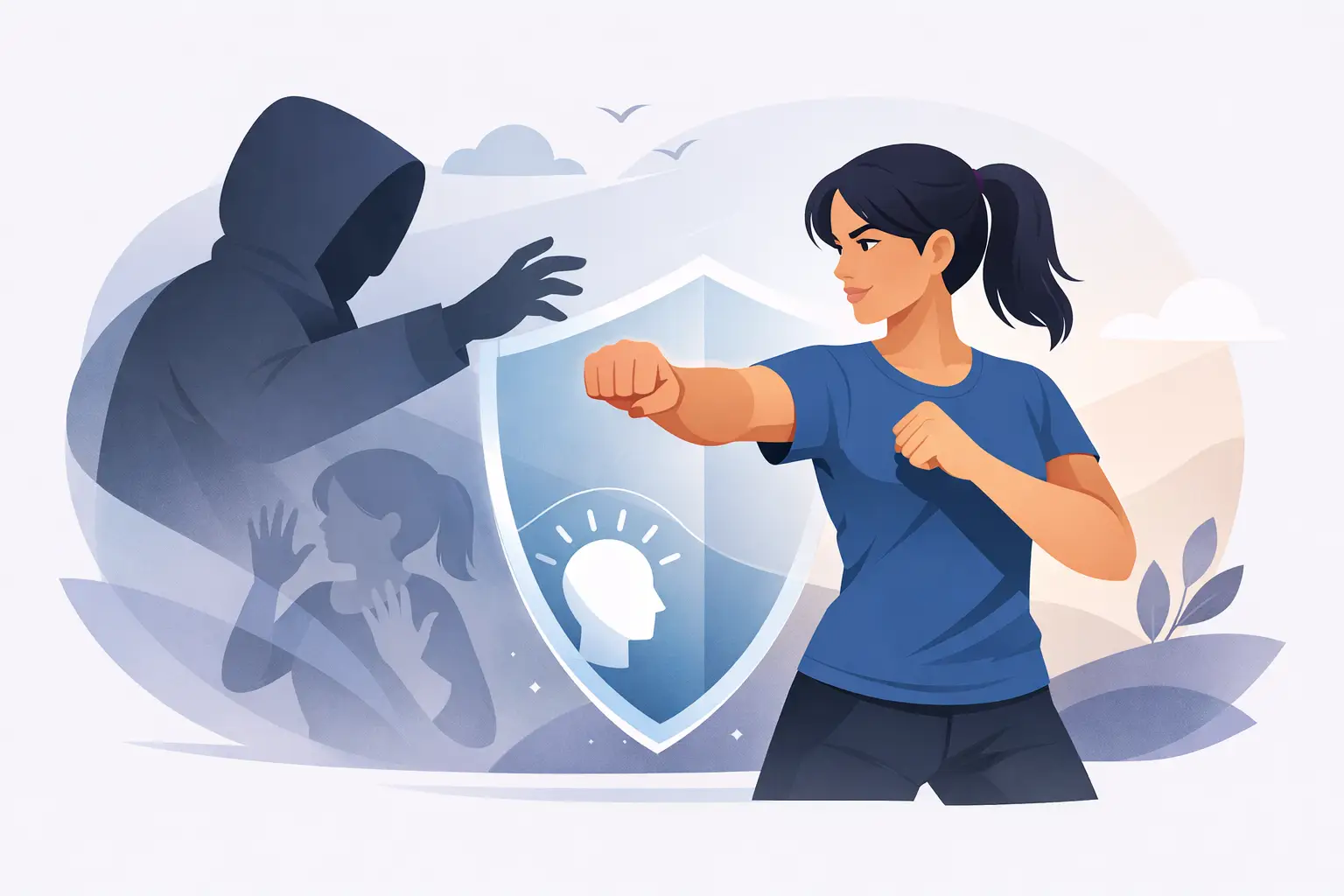
Fear shows up fast. It hits when a child is being singled out at school, when a teen feels pressured in a social situation, or when an adult walks to the car alone at night and starts scanning every shadow. Most people do not want to feel fearless. They want to feel capable. That is exactly how self defense reduces fear – not by pretending danger does not exist, but by replacing helplessness with preparation.
That difference matters for both kids and adults. Fear grows when the mind believes, I would not know what to do. Self-defense training changes that belief. It gives people a plan, practical skills, and repeated experience staying calm under pressure. Over time, the body stops reacting to every stressful moment as if it were a crisis.
Why fear gets stronger when people feel unprepared
A lot of fear is not really about the situation itself. It is about uncertainty. When someone has never practiced setting boundaries, escaping a grab, using their voice, or managing confrontation, the unknown fills in the gaps. The imagination usually makes those gaps worse.
Parents see this in children all the time. A shy child may not just be quiet. They may be worried about saying the wrong thing, standing out, or being unable to handle conflict. Teens often feel the same pressure, even if they hide it better. Adults do too. The common thread is a lack of confidence in their response.
Self-defense helps because it reduces uncertainty. It teaches a person what to watch for, when to act, and how to react with purpose. That shift alone can lower anxiety, because the mind is no longer stuck in a loop of what if.
How self defense reduces fear in real life
The biggest benefit of self-defense is not aggression. It is control. Training teaches people that they have choices. They can create space, use their voice, improve their awareness, protect their balance, and respond with techniques that are built for real-world situations.
That creates a powerful mental change. Instead of thinking, I hope nothing happens, people begin to think, If something happens, I know the first step. That first step is often enough to stop fear from taking over.
For children, this can look like stronger posture, better eye contact, and more assertive communication. Those changes may seem small, but they are often the very traits that discourage bullying behavior. Kids who carry themselves with confidence are less likely to look like easy targets.
For teens and adults, the effect is similar. When someone has trained under pressure, they are less likely to freeze in stressful moments. They are more likely to notice warning signs early, trust their instincts, and act decisively. Fear does not disappear completely, and it should not. Healthy caution is useful. What changes is that fear stops running the show.
Physical training changes the emotional response
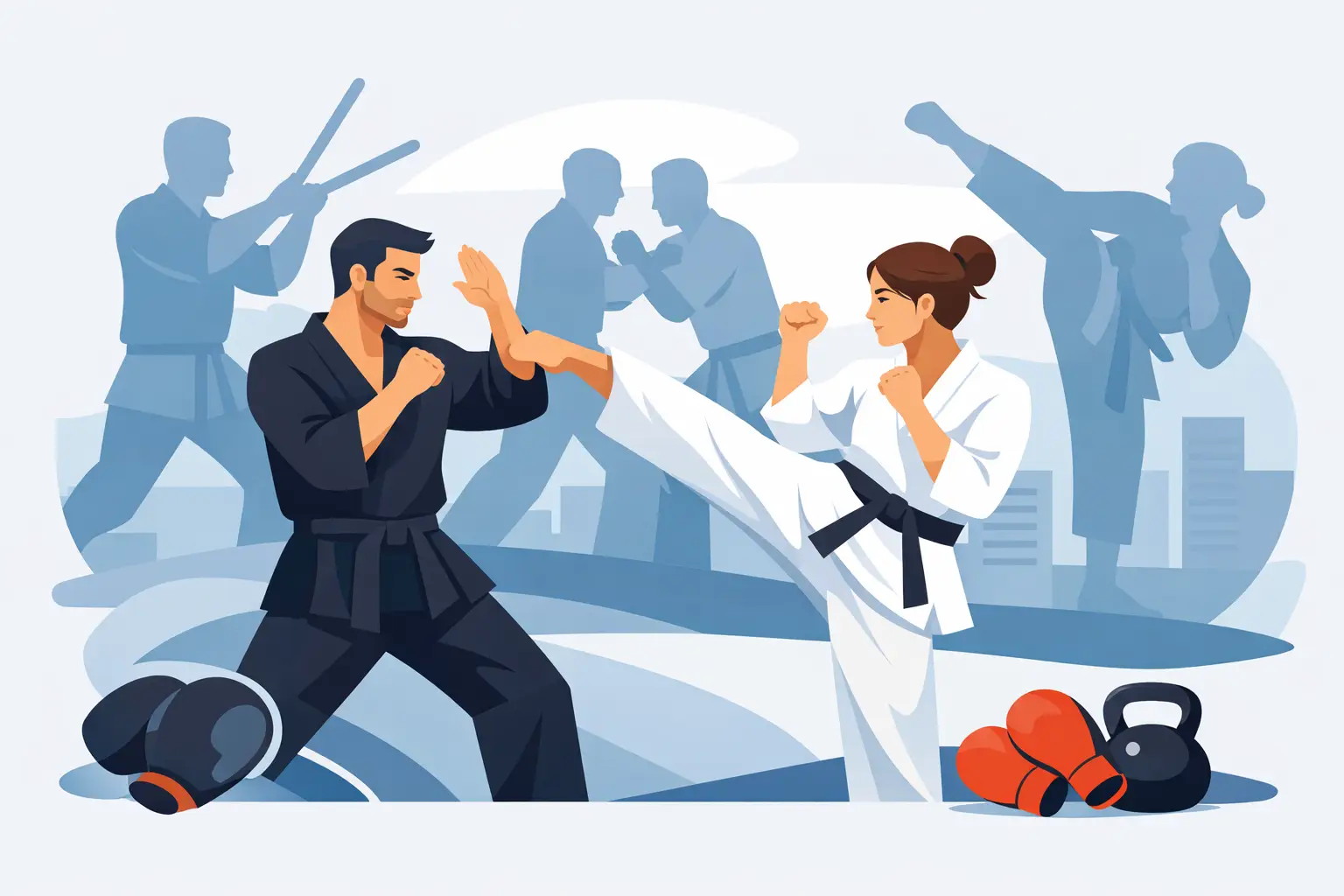
One reason martial arts training is so effective is that it does not stay in the realm of theory. Talking about confidence is not the same as practicing it. Real self-defense training gives students a physical reference point for staying composed.
When students drill escapes, movement, balance, and defensive reactions, they are also training their nervous system. They learn how it feels to manage stress in a controlled setting. Their breathing improves. Their posture improves. Their reactions become more organized instead of panicked.
This is especially important for kids who are naturally timid or easily overwhelmed. A child who has practiced responding to pressure in class often starts responding better outside of class too. Teachers may notice more focus. Parents may notice fewer emotional shutdowns. The child starts believing, I can handle hard moments.
That belief is not wishful thinking. It is built through repetition.
Confidence is earned, not handed out
People sometimes talk about confidence as if it is a personality trait. In reality, confidence is usually the result of experience. When students succeed at something difficult, they become more secure. When they practice skills and see progress, fear loses some of its grip.
That is why effective self-defense training matters so much. Empty praise does not help a child who feels vulnerable. Generic encouragement does not help an adult who feels anxious about personal safety. What helps is measurable progress.
A student learns how to break free from a hold. They practice speaking firmly. They improve their awareness. They move with more balance and coordination. Each skill becomes evidence. And evidence is what creates real confidence.
This is one reason Hapkido-based training resonates with so many families. Its focus on practical self-defense gives students tools they can picture using in everyday life. That practicality matters. People feel more confident when training connects clearly to the situations they actually worry about.
How self defense reduces fear of bullying
For many parents, fear is not abstract. It has a face. It looks like a child who dreads recess, avoids speaking up, or comes home upset but says everything is fine. Bullying creates fear because it makes children feel trapped and powerless.
Self-defense training can help interrupt that cycle in several ways. First, it improves presence. Bullies often look for students who appear uncertain, withdrawn, or easy to intimidate. A child who stands taller, makes eye contact, and speaks assertively sends a different message.
Second, training teaches boundaries. Children learn that they are allowed to say no, create space, and seek help with confidence. Third, it gives them emotional tools. Many kids are not just afraid of getting hurt. They are afraid of freezing, crying, or feeling embarrassed in front of others. Practicing stressful situations in class helps reduce that fear.
That said, self-defense is not a magic fix for every bullying situation. Some children need time before their confidence shows outwardly. Some situations also require school involvement, parental support, and ongoing coaching. Training works best as part of a bigger support system, not as a stand-alone answer.
Adults benefit too, just in different ways
Adults often carry fear more quietly. It may show up as avoiding certain places, feeling tense in public, second-guessing instincts, or constantly worrying about loved ones. Some adults are not afraid of a specific event. They are worn down by the feeling of always needing to be on guard.
Self-defense training can reduce that stress by replacing vague anxiety with practical awareness. Students learn what to pay attention to and what not to overreact to. That distinction is valuable. Without training, people may either ignore danger or treat everything like danger. Neither response is ideal.
Training helps create a middle ground – alert, prepared, and calm.
There is also a physical benefit. Stronger balance, better coordination, and improved conditioning all contribute to a greater sense of security. When people feel physically capable, they usually carry themselves differently. That presence affects how they move through the world.
The trade-off: confidence should stay realistic
Good self-defense training reduces fear, but it should also build judgment. The goal is not to make students reckless or convince them they can handle every threat physically. That kind of false confidence can be dangerous.
The best training teaches avoidance, awareness, verbal skills, and de-escalation alongside physical technique. It reinforces that the smartest win is often leaving early, setting a clear boundary, or recognizing a problem before it becomes physical.
This matters for parents choosing a program. A school should not just teach students how to strike or escape. It should teach them when not to engage, how to stay composed, and how to make good decisions under stress. Real confidence includes restraint.
What changes after consistent training
Most students do not walk into one class and suddenly feel transformed. The change is usually steady. A child raises their hand more often. A teen speaks more clearly. An adult feels less tense walking alone. These are not flashy milestones, but they are meaningful.
Over time, students often develop better focus, stronger discipline, and a calmer response to everyday stress. They begin to trust themselves. That trust carries into school, work, social situations, and family life.
At Inner-Power Martial Arts, that is why practical training matters so much. Families are not just looking for an activity. They are looking for growth they can actually see – more confidence, better composure, and a stronger sense of personal safety.
Fear shrinks when people know they are not powerless. Self-defense does not promise a life without hard moments. It gives people something better: the ability to meet those moments with awareness, skill, and steady confidence.