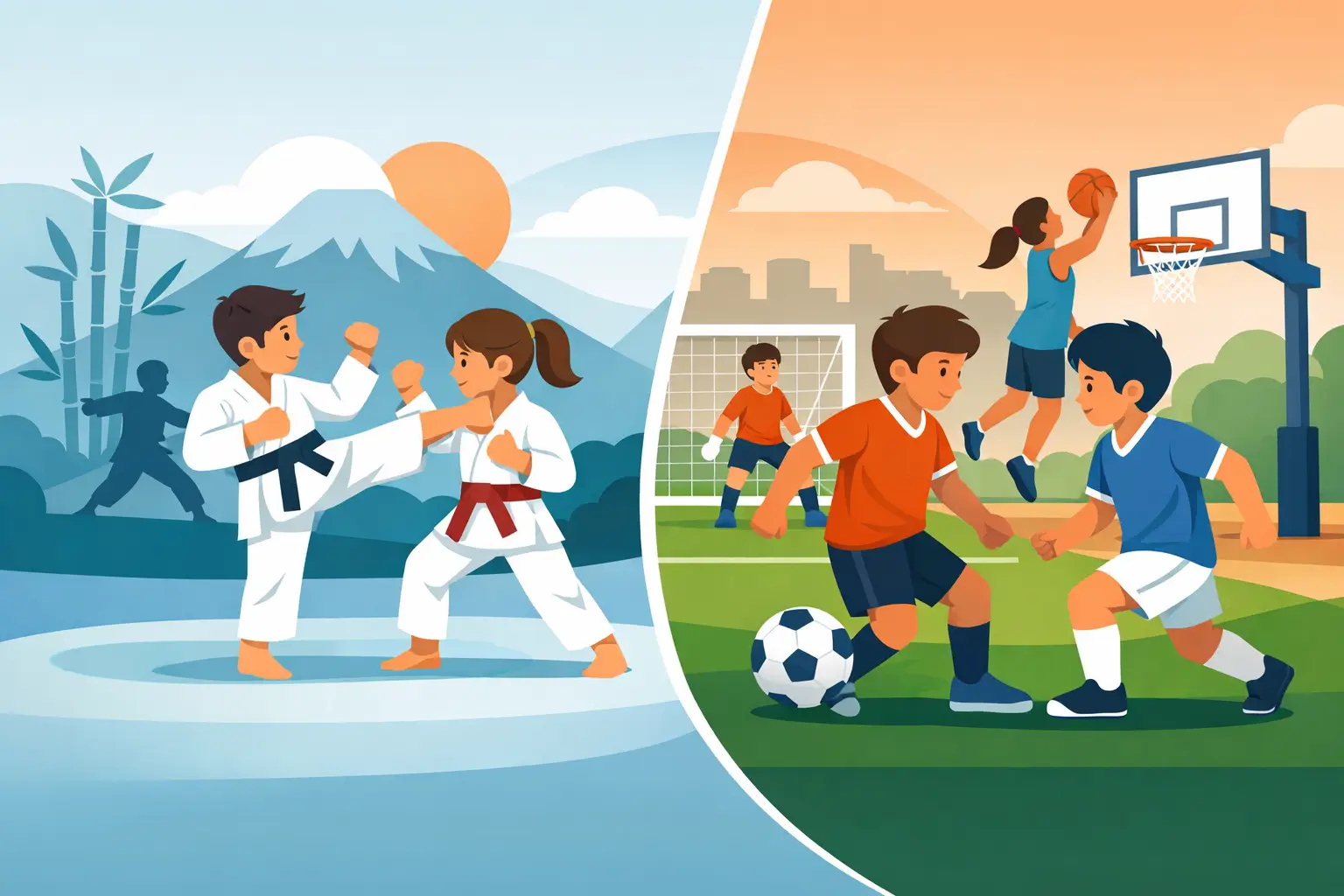
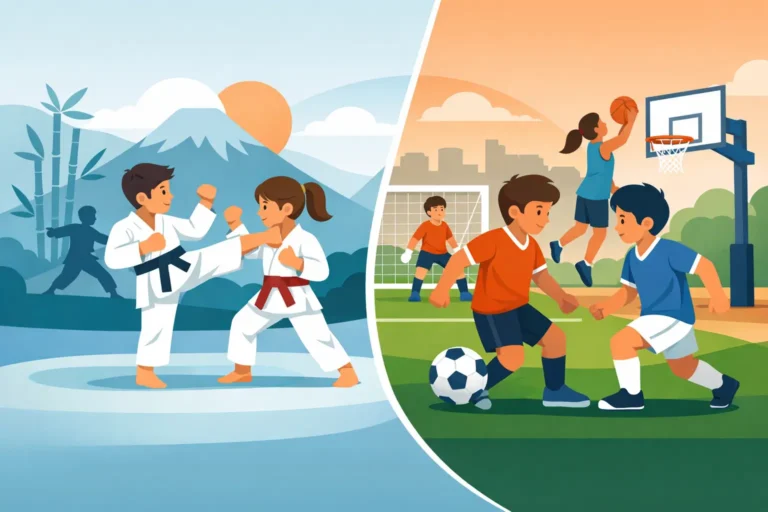
One child freezes when a louder kid cuts in line. Another melts down after striking out. Another has energy for days but struggles to focus for ten minutes. When parents compare martial arts vs team sports for kids, they are usually not just choosing an activity. They are trying to solve a real problem – confidence, discipline, social skills, fitness, or the fear that their child does not yet know how to handle pressure.
That is why the right answer is not always the most popular sport or the activity your neighbor recommends. It depends on who your child is right now, what they need most, and what kind of growth you want to see over the next year.
Martial arts vs team sports for kids: what changes a child most?
Both options can be excellent. Team sports teach cooperation, communication, and how to work toward a shared goal. Kids learn to support teammates, handle wins and losses in public, and understand that their role matters even when they are not the star.
Martial arts develops a different kind of strength. It puts personal responsibility front and center. A child cannot hide behind the group or wait for someone else to carry the effort. Progress comes from showing up, listening, practicing, and learning to stay calm under pressure. For many kids, especially those who are shy, easily discouraged, or dealing with bullying, that individual growth matters deeply.
This is where parents should look beyond simple fitness. Ask what kind of confidence your child needs. Is it the confidence to join a group and speak up? Or is it the confidence to stand tall, set boundaries, and trust themselves in a difficult moment?
What team sports do especially well
Team sports are often a strong fit for outgoing kids who love shared energy. Soccer, basketball, baseball, and similar activities can help children build friendships quickly because the social structure is built in. There is a clear sense of belonging. Practices and games create common goals, and kids often enjoy the excitement of competing as a unit.
There is also real value in learning to cooperate with different personalities. A child has to listen to coaches, communicate with teammates, and adjust to situations that are not all about them. That can be healthy, especially for kids who need to learn patience and flexibility.
At the same time, team sports come with trade-offs. Some children get less attention from coaches, especially in larger groups. If a child is timid, they may fade into the background. If they are sensitive to criticism or comparison, the public nature of games can feel overwhelming. And while team sports build toughness in some ways, they do not always address personal safety, conflict avoidance, or what to do if a child is targeted one-on-one.
Where martial arts often has the edge
Martial arts training tends to meet kids right where they are. A child does not need to be naturally athletic or socially bold to get started. In fact, many children who benefit most are the ones who need structure, focus, and self-belief more than they need another competitive outlet.
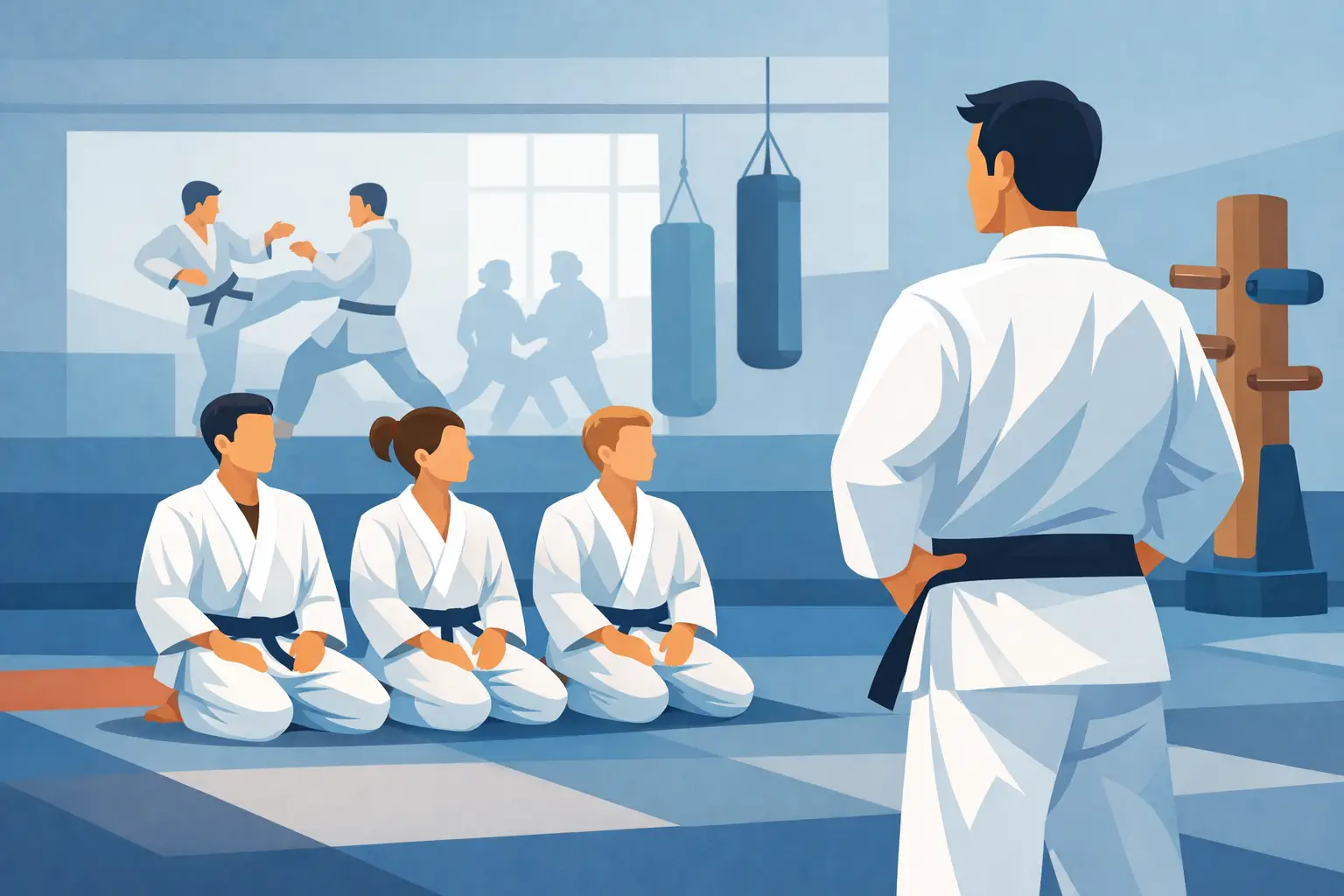
A well-run martial arts program teaches kids to control their body, voice, and emotions. They learn how to make eye contact, listen carefully, follow directions, and respond with discipline instead of panic. That kind of training has value far beyond the mat. Parents often notice it at home, in school, and in social situations.
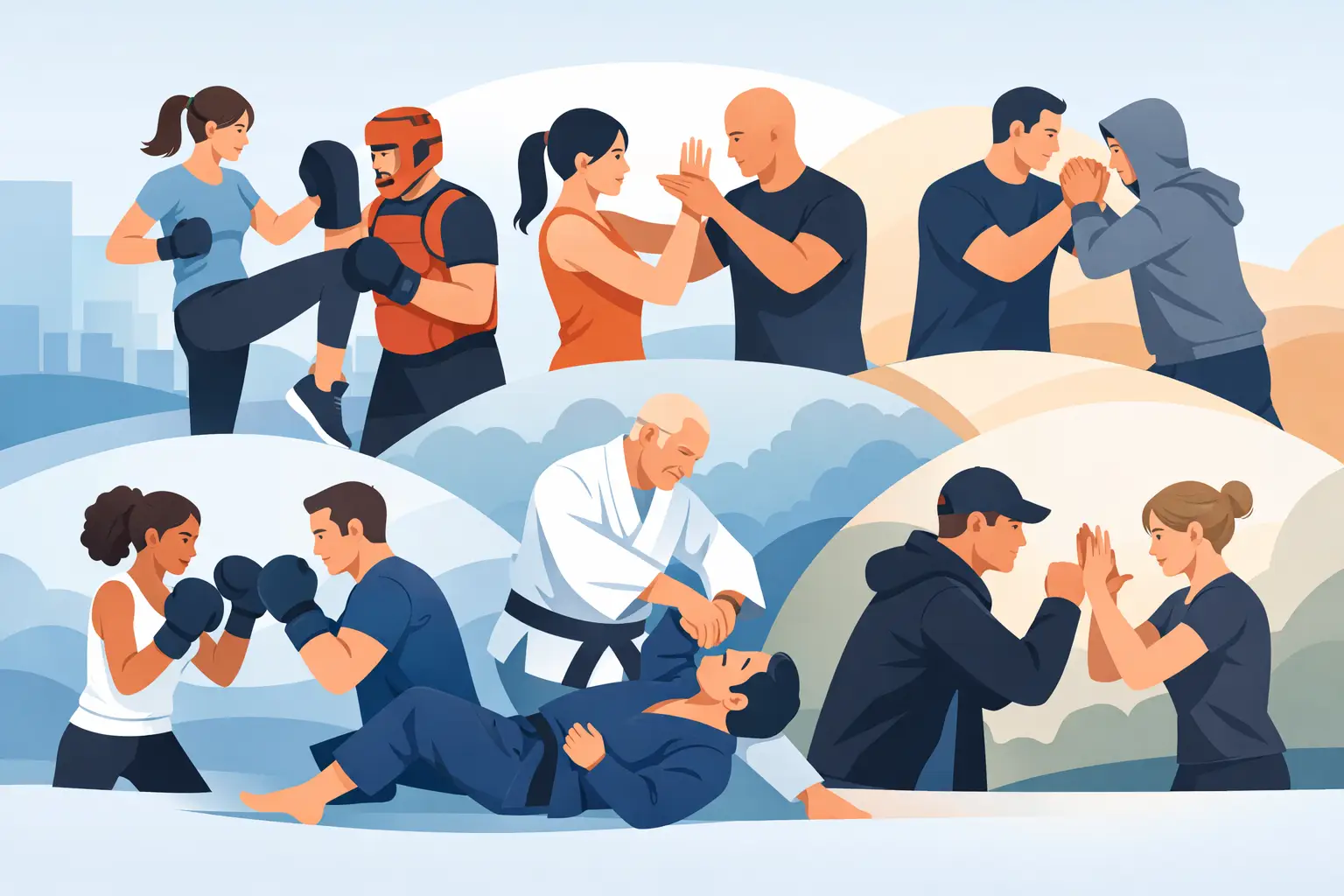
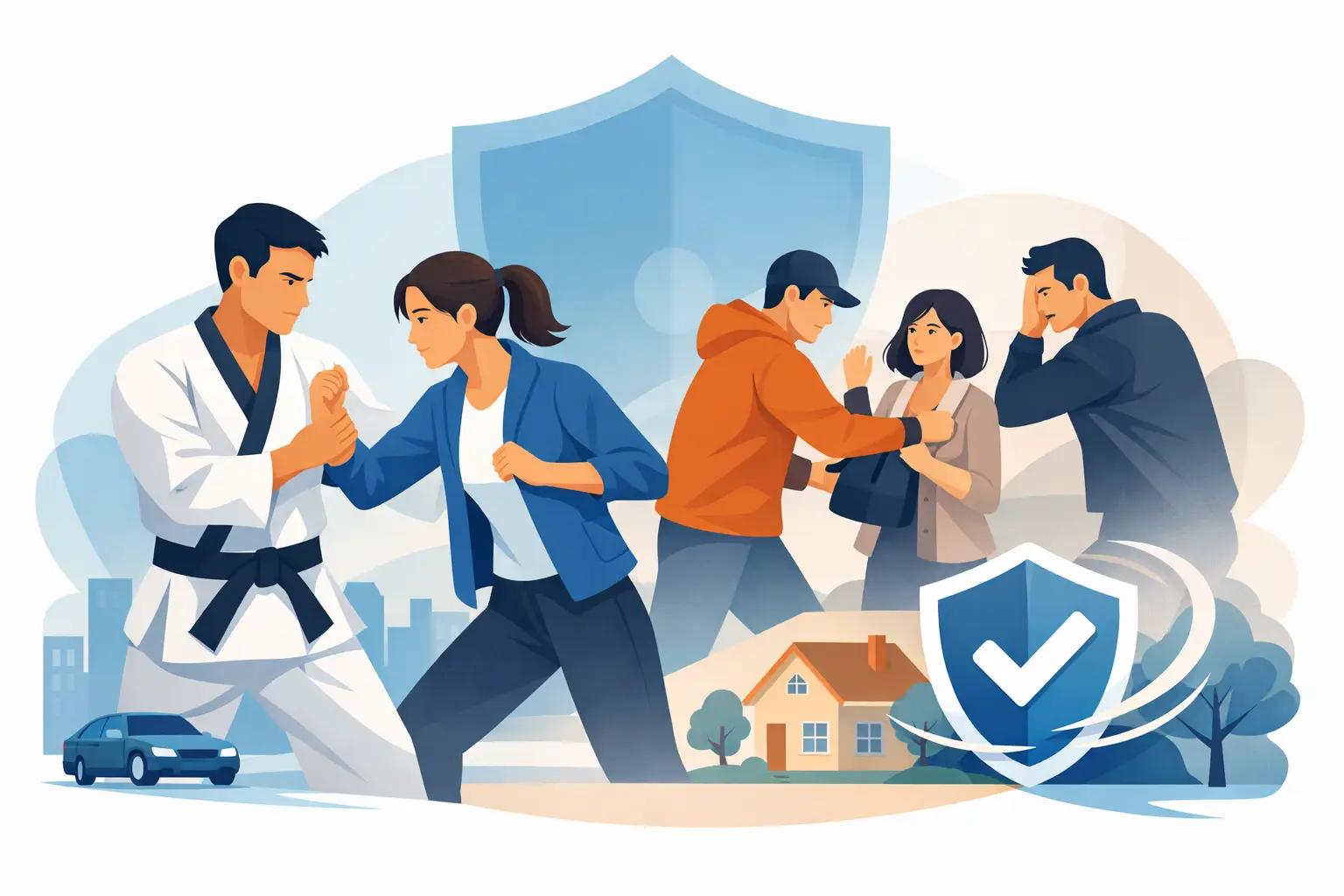
For children dealing with bullying or social pressure, martial arts can be especially powerful. Not because it teaches them to fight first, but because it teaches awareness, posture, assertiveness, and self-control. A child who carries themselves with confidence is often less likely to be seen as an easy target. And if a situation ever becomes serious, practical self-defense training gives them more than hope. It gives them options.
That matters to families who want more than exercise. They want their child to feel safer in the real world.
Martial arts vs team sports for kids and confidence
This is usually the deciding factor for parents. Confidence is not one thing. There is social confidence, athletic confidence, emotional confidence, and personal safety confidence.
Team sports can build confidence through participation and belonging. A child feels proud when they contribute to a win, improve a skill, or bond with teammates. But that confidence can rise and fall with playing time, performance, or team dynamics. A child who sits the bench or struggles in games may not feel stronger. They may feel exposed.
Martial arts confidence tends to be more internal. A student earns it step by step. They learn a technique, remember a sequence, hold a stance, speak with authority, and break through moments that once made them nervous. The progress is personal and visible. That makes it especially effective for children who need steady wins and a stronger sense of self.
At Inner-Power Martial Arts, this is one reason families are drawn to practical Hapkido-based training. Parents are not just looking for an activity to fill an afternoon. They want their child to become more focused, more assertive, and more capable in everyday life.
Discipline, focus, and emotional control
If your child struggles with attention, impulsive behavior, or frustration, martial arts often delivers faster carryover into daily life. The structure is consistent. Students bow in, listen, respond, and repeat. They learn that respect is expected, effort matters, and self-control is part of every class.
That does not mean team sports cannot teach discipline. They can. Kids still have to practice, follow instructions, and be accountable. But the pace is different. In many sports, there is more waiting, more noise, and more variables. For some kids, that works fine. For others, it means more chances to drift mentally.
Martial arts often keeps children more directly engaged. They are not waiting for the ball to come to them. They are actively involved in the lesson, working on technique, reaction, balance, and body awareness. For a child who needs help focusing, that constant engagement can be a major advantage.
Fitness is not the only goal
Parents sometimes assume all sports build fitness equally, but the experience can vary a lot. Team sports often provide bursts of activity mixed with downtime. Martial arts training usually combines conditioning, coordination, flexibility, and skill practice in a more continuous way.
The better question is not which burns more energy in one hour. It is which kind of movement your child will stick with. A child who dreads practices, feels embarrassed during games, or never feels successful is less likely to stay committed. The best program is the one that keeps your child motivated enough to return, improve, and grow.
How to choose the right fit for your child
Start with your child’s personality, not your own childhood preferences. If your child thrives in groups, loves fast-paced games, and wants the excitement of shared competition, team sports may be a great match. If your child needs confidence, stronger focus, clearer boundaries, or practical self-defense, martial arts may be the better investment.
It is also fair to think about what problem you are trying to solve. If the issue is social connection, team sports can help. If the issue is shyness, bullying, poor focus, or low self-esteem, martial arts often speaks more directly to those needs.
Some children benefit from both at different stages. A child might start in martial arts to build confidence and discipline, then later bring that stronger mindset into team sports. Others may try a team activity first and realize they need a setting with more structure and individual growth.
There is no rule that every child should follow the same path. What matters is whether the activity is helping them become more resilient, more capable, and more confident in their own skin.
A strong program should never leave you guessing. You should be able to see the difference in your child’s posture, attitude, focus, and willingness to handle challenges. That is the standard worth aiming for.
If you are deciding between martial arts vs team sports for kids, trust what your child actually needs, not just what sounds good on paper. The best choice is the one that helps them walk into school, onto the field, or into any new situation feeling stronger than they did before. That kind of confidence stays with them long after practice ends.